
The question “Is Kenya safe for tourists?” is one of the first things many first-time visitors to East Africa ask — and it is a fair and intelligent question. Kenya’s media profile internationally is shaped disproportionately by incidents that make international news, while the daily reality for hundreds of thousands of tourists who visit safely each year receives no coverage at all. This guide provides an honest, balanced, and practical assessment of Kenya’s safety for tourists in 2026, based on the actual experience of travellers on the ground.
Short answer: For tourists visiting Kenya’s national parks and wildlife reserves, Kenya is a safe and well-managed travel destination. Millions of tourists visit Kenya safely each year, and the safari industry — the country’s second-largest source of foreign exchange revenue — has robust safety standards and professional infrastructure. Informed travel with appropriate precautions makes a Kenya safari a safe experience for the overwhelming majority of visitors.
Conditions can change, so the answer to “is Kenya safe for tourists” on your own dates may differ from last year. Always check the latest official travel advice for Kenya before you book and again shortly before you fly. We explain how to do that below.
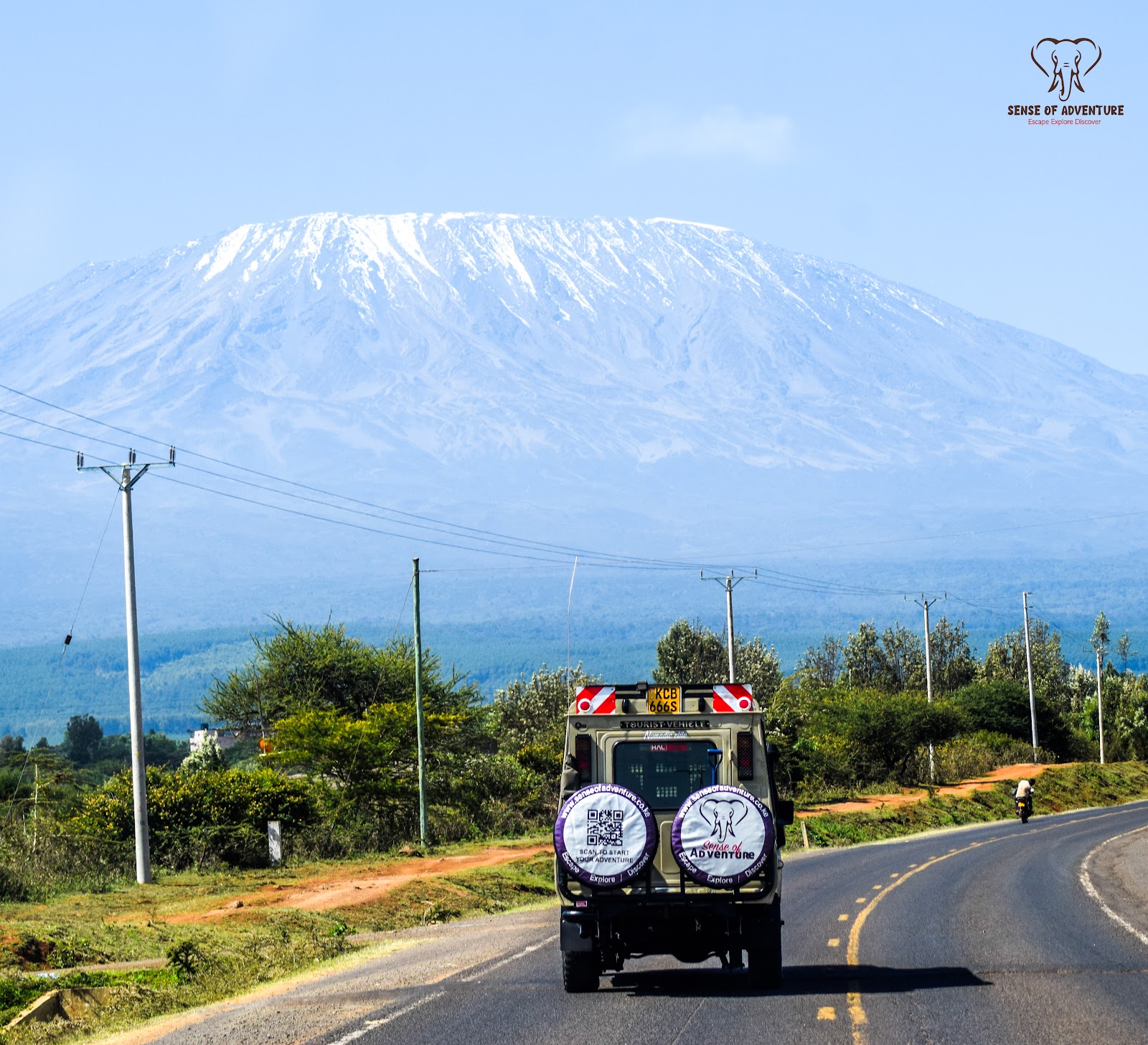
Understanding Kenya’s Safety Picture
Kenya is a large, diverse country with significant regional variation in security conditions. The safety landscape for a tourist visiting the Masai Mara, Amboseli, Samburu, or Nairobi’s established tourist areas is fundamentally different from areas near Kenya’s borders with Somalia and South Sudan, which carry genuine security concerns. Most international travel advisories make this regional distinction clearly.
Kenya has experienced incidents of terrorism — most notably the 2013 Westgate Mall attack and the 2019 DusitD2 Hotel attack, both in Nairobi. These events are genuinely part of Kenya’s security story. However, it is important to assess them in context: Kenya is one of the most visited countries in Africa, with millions of tourist arrivals annually. The per-capita incident rate for tourists in Kenya’s wildlife areas is extremely low.
Is Kenya Safe for Tourists? Check Current Official Advice
The most reliable answer to “is Kenya safe for tourists” on your travel dates comes from your own government’s travel advice, not from social media or old news stories. Official advice is updated when conditions change, and it lists any parts of the country where travel is not advised.
If you are travelling from the UK, read the UK Foreign, Commonwealth & Development Office travel advice for Kenya. It covers safety and security, local laws, entry requirements and health, and you can sign up for email alerts when it changes. Travellers from other countries should check the equivalent page from their own foreign ministry.
How to Read Travel Advisories
Travel advisories usually divide a country into areas. When you ask “is Kenya safe for tourists” in the parks you plan to visit, look at the map and the section on regional risks, not just the headline. Check whether your planned parks, towns and road routes fall inside any area with a warning, and read what the advice says about your travel insurance, as some policies do not cover areas where travel is advised against.
If you are unsure how the advice applies to your trip, we are always happy to talk through your route against the current advice before you book, and we adjust itineraries if official advice changes.
Safety in Kenya’s National Parks and Safari Areas
Kenya’s national parks and game reserves are well-managed, carefully monitored environments with a clear commercial and governmental interest in visitor safety. The Kenya Wildlife Service (KWS) employs rangers throughout the country’s parks, and the private camp operators and safari companies that operate in these areas maintain their own high safety standards.
For tourists on organised safaris — staying in established lodges and camps, travelling with licensed guides, and operating within the recommended tourist infrastructure — the national parks and reserves are among the safest environments in Kenya for visitors. The Masai Mara, Amboseli, Samburu, Tsavo, and Laikipia have excellent safety records with tourists. Our guests visit these areas year-round without incident.
Nairobi: Practical Safety Advice
Nairobi requires more awareness than the national parks. The city has areas that are straightforwardly safe for tourists — the Karen, Gigiri, Westlands, and Runda neighbourhoods where most tourist hotels, restaurants, and embassies are located — and areas that tourists have no reason to visit. Here is practical, honest advice for Nairobi:
- Use reputable transport: Use your hotel’s recommended taxi service, Uber (which operates well in Nairobi), or transfers arranged through your safari operator. Do not hail unmarked taxis from the street.
- Avoid the CBD at night: Nairobi’s central business district is best navigated during the day and with awareness. Karen, Westlands, and the vicinity of most tourist hotels are safe in the evenings.
- Don’t display valuables: Standard urban travel precautions — keep phones out of sight in busy areas, leave expensive jewellery at your accommodation, be aware of your surroundings.
- Stay at recommended properties: We book our guests at hotels with appropriate security measures — guarded entrances, secure parking, professional staff. Ask us for our recommended Nairobi hotels.
- Book airport transfers in advance: Be met at the airport by a named driver holding your name card. Do not accept offers from unofficial transport providers at the airport exits.
If you only have a short stop in the city, our Nairobi layover guide shows how to see wildlife and sights with a pre-arranged driver, and our Nairobi city and wildlife day tour takes care of all transport for you.

Areas to Avoid
Several areas of Kenya are genuinely not recommended for tourist travel, and tourists have no reason to visit them:
- Coastal border areas with Somalia (Lamu County’s northern areas, the areas near Kiunga) carry a genuine security risk due to historical Al-Shabaab activity. Lamu island town and the established coastal resort areas south of Mombasa are a different matter entirely — well-managed and safe for tourists.
- Northern Kenya border areas (near the Ethiopian and Somali borders) are remote and carry travel advisory cautions.
- Kibera and other informal settlements in Nairobi — tourists have no reason to visit these areas independently.
The established tourist circuit — Nairobi, Masai Mara, Amboseli, Samburu, Laikipia, and the Kenyan coast resort areas — carries none of these concerns and is well within the safety parameters of a mainstream tourist destination.
Always confirm the current list of areas with travel warnings in your government’s latest advice, as these can change.
Natural Wildlife Safety
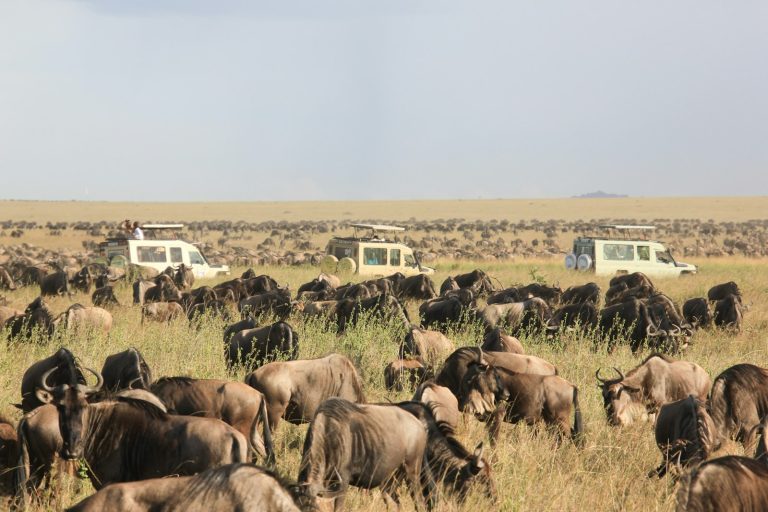
Wildlife safety in the national parks is managed through professional guiding standards and clear protocols. Your guide will brief you on behaviour in the game vehicle — remaining seated, not standing suddenly, keeping noise down — and these guidelines are important. Game drive vehicles are well-designed for safari safety, and the risk of wildlife-related incidents for tourists in vehicles is extremely low.
At camp, most properties brief guests on movement protocols — particularly at night, when wildlife (including predators at some remote camps) may move through the camp perimeter. Follow your camp’s guidance, do not walk unescorted at night, and notify camp staff if you need to move after dark. These are commonsense precautions that reputable camps enforce consistently.
If you are nervous about big cats, our article on whether lions attack safari vehicles explains why guides keep you seated and quiet near predators.
Health Precautions for Kenya
When people ask “is Kenya safe for tourists”, health is often forgotten, yet good health planning is a big part of a safe trip. Visit a travel clinic or your doctor around six to eight weeks before you travel. They can advise on routine and travel vaccinations, whether you need a yellow fever certificate for your route, and the right malaria prevention for the areas you will visit.
- Malaria: Use insect repellent, cover arms and legs at dusk, sleep under a net where one is provided, and take any medication your doctor prescribes.
- Water: Drink bottled or filtered water. Lodges and camps provide safe drinking water.
- Sun: Kenya sits on the equator, so the sun is strong even when it feels cool. Wear a hat, sunglasses and high-factor sun cream.
- Altitude: Nairobi and much of the highlands are well above sea level. Drink plenty of water and take it easy on your first day.
For general health guidance, the World Health Organization publishes information on diseases such as malaria and yellow fever.
Road Safety and Getting Around
Any honest answer to “is Kenya safe for tourists” should include the roads. For many visitors, road travel is a bigger day-to-day risk than crime. Distances between parks can be long and some roads are rough. Travelling with an experienced, licensed driver-guide in a well-maintained safari vehicle is the simplest way to reduce this risk.
- Avoid long road journeys after dark wherever possible.
- Wear a seatbelt whenever one is fitted.
- Consider short domestic flights for longer distances, such as Nairobi to the Masai Mara or the coast.
- Do not self-drive on your first visit unless you have experience of driving in East Africa.
Money, Documents and Avoiding Scams
Petty theft and scams are the most common problems visitors meet in any busy city, and Kenya is no different. A few simple habits help:
- Carry only the cash you need for the day and keep cards in a secure inner pocket.
- Use ATMs inside banks, shopping centres or hotels.
- Be wary of anyone offering unofficial tours, money changing or “special deals” in the street.
- Book safaris only with licensed operators and pay through traceable methods.
- Apply for your Electronic Travel Authorisation only through the official Kenya eTA website, as copycat sites charge extra fees.
Is Kenya Safe for Tourists in Different Situations?
Is Kenya Safe for Tourists Travelling Solo?
Solo travellers often ask us “is Kenya safe for tourists on their own?” Many people travel solo here every year. The easiest way to travel alone is to join a small group safari or book a private safari with a guide, so that transfers, game drives and accommodation are all arranged. Our small group safari guide explains how sharing a vehicle works.
Women Travellers
Women often ask us whether the answer to “is Kenya safe for tourists” is different for them. Women travelling alone or together usually find safari life relaxed and welcoming. Use the same city precautions you would at home, dress modestly in towns and at the coast away from the beach, and use pre-booked transport. Our girls trip to Kenya guide has more tips for women travelling together.
Is Kenya Safe for Tourists with Children?
Kenya is a popular family destination, and the same sensible precautions apply. Choose camps that welcome children, ask about fenced pools and family tents, and keep children close to adults at all times around camp. Our Kenya family safari package is designed with younger travellers in mind.
Travel Insurance and Emergency Preparedness
Travel insurance with medical evacuation cover is non-negotiable for Kenya safari travel. Medical facilities within the national parks are basic — serious emergencies require evacuation to Nairobi by light aircraft, which is arranged by AMREF Flying Doctors or similar services. Insurance coverage of USD $200,000+ for medical evacuation is recommended. World Nomads, IMG Global, and Allianz Travel all provide appropriate policies.
Keep digital copies of your passport, visa, travel insurance, and emergency contacts accessible on your phone and in email. Register with your country’s embassy in Nairobi before travel (the US State Department’s STEP programme is free and useful for Americans).
For the latest on insurance rules for visitors, read our guide to Kenya mandatory travel insurance.
A Simple First-Time Itinerary
If you are still asking “is Kenya safe for tourists” before your first visit, start with a well-trodden route. A short trip such as our 3-day Masai Mara safari package keeps you with a professional guide from pick-up to drop-off. For a longer first visit, the Kenya Highlights Safari links several of the country’s best-known parks on the established tourist circuit.
What Other Travellers Say
When deciding “is Kenya safe for tourists”, it also helps to hear from people who have been. The most accurate safety assessment comes from the thousands of tourists who visit Kenya each year. Our guests — from the USA, UK, India, Germany, Australia, and dozens of other countries — consistently report that the reality of Kenya as a destination far exceeds their pre-travel concerns. The warmth of Kenyan people, the professionalism of the safari industry, and the extraordinary quality of the wildlife experience are the overwhelming takeaways. Safety concerns that loomed large before the trip become a footnote after it.
Is Kenya Safe for Tourists? Frequently Asked Questions
Is Kenya safe for tourists right now?
Most visitors to Kenya’s main safari parks and coastal resorts travel without problems, but conditions can change. The answer to “is Kenya safe for tourists” right now depends on official advice, so check your government’s travel advice before booking and again before you fly. It explains current risks, lists areas where travel is not advised and is updated when the situation changes.
Is Kenya safe for tourists on safari?
Organised safaris with licensed guides, established lodges and recognised parks such as the Masai Mara and Amboseli are the way most visitors see Kenya. Follow your guide’s instructions in the vehicle, stay seated near wildlife, and never walk around camp alone after dark. These simple rules keep game viewing safe and enjoyable.
How can I stay safe as a tourist in Kenya?
Book with a licensed operator, use pre-arranged transfers, and keep valuables out of sight in towns. Follow your guide’s rules on game drives and your camp’s rules after dark. Get health advice before you travel, buy insurance with medical evacuation, and check official travel advice before booking and again before you fly.
Is Nairobi safe for tourists?
Nairobi needs the same care as any large city. Use pre-booked transfers or app-based taxis, avoid walking in the city centre at night, keep phones and valuables out of sight, and stay in hotels with good security. Many visitors spend only a night in Nairobi before flying or driving out on safari.
Do I need travel insurance for Kenya?
Yes. Comprehensive travel insurance that includes medical evacuation is essential, because serious medical cases in remote parks are usually flown to Nairobi. Check that your policy covers safari activities and the areas you are visiting, and read the current entry rules, as Kenya has introduced insurance requirements for visitors.
Is the Kenyan coast safe for tourists?
The main resort areas such as Diani and Watamu welcome many visitors each year. Use the same city precautions in Mombasa, follow local advice on swimming and tides, and do not walk on empty beaches after dark. Check official travel advice for any coastal areas where travel is not advised, especially near the Somali border.
Our Commitment to Your Safety
At Sense of Adventure, every itinerary we design incorporates current, locally-informed security awareness. We select accommodations with proven safety standards, we use vetted and licensed driver-guides, and we maintain 24/7 in-country contact throughout your trip. Our team has operated in Kenya for years and is well-connected to the real-time security picture on the ground — not the media’s version of it.
For travellers ready to move past the safety question and start planning, your next steps are our Kenya safari cost guide, our Masai Mara safari guide, and a conversation with our team about the itinerary that fits your specific vision. Kenya is waiting — and it is magnificent.
Or call us: +254 799 160 081 — we are happy to help plan your safari.