

A Uganda safari brings you face to face with mountain gorillas in the misty forests of Bwindi, chimpanzees in Kibale, tree-climbing lions in Queen Elizabeth National Park and the River Nile thundering through Murchison Falls. Uganda is called the Pearl of Africa for good reason: few countries pack so much variety into a single trip.
Sense of Adventure is a licensed Nairobi-based safari operator and East Africa specialist. We plan private, tailor-made Uganda safari itineraries for travellers from the USA, the UK, Europe, India and Australia, on their own or combined with Kenya and Rwanda. This guide covers the parks, the best months, wildlife, sample routes, where to stay, permits, entry rules and how to plan with us.

Dreaming of the gorillas?
See our Bwindi gorilla trekking safaris, from a short three-day trek to longer journeys with chimps and big game.
Explore Safaris in This Destination WhatsApp +254 799 160 081Table of Contents
Why Choose a Uganda Safari?
Uganda is where savannah Africa meets the great rainforests of the Albertine Rift. In one trip you can trek gorillas, track chimpanzees, cruise past hippos and elephants and watch lions resting in fig trees.
- Mountain gorillas in the wild. Bwindi Impenetrable Forest and Mgahinga Gorilla National Park protect a large share of the world’s remaining mountain gorillas.
- Primates beyond gorillas. Kibale Forest is one of East Africa’s best places to track chimpanzees, with 13 primate species recorded.
- Classic big game too. Queen Elizabeth and Murchison Falls offer elephants, buffalo, lions, leopards, hippos and giraffes, and Kidepo Valley adds remote wilderness.
- Water everywhere. Boat safaris on the Kazinga Channel and the Nile, crater lakes and the islands of Lake Bunyonyi give the trip a different rhythm.
- Exceptional birding. Uganda has one of Africa’s richest bird lists, including the shoebill in its papyrus swamps.
Popular Uganda Safari Packages
These Uganda safari routes are the ones our guests ask about most. Every trip runs privately and can be adjusted to your dates and pace.

Uganda Bwindi Gorilla Trek (3 Days)
A focused trip to a habituated gorilla family in Bwindi, with the permit included.
View detailsUganda Gorillas and Chimps Safari (5 Days)
Two great apes in one trip: gorillas in Bwindi and chimpanzees in Kibale.
View details
Uganda Wildlife and Gorillas Safari (7 Days)
Queen Elizabeth game drives, a Kazinga Channel boat safari and a Bwindi gorilla trek.
View details
Uganda Murchison Falls and Nile Safari (4 Days)
Big game drives, a Nile boat cruise and the falls themselves.
View details
11 Days Kenya, Tanzania and Uganda Safari
The Masai Mara, the Serengeti and Uganda in one East African journey.
View detailsTop Parks and Regions for a Uganda Safari
Most international visitors arrive at Entebbe International Airport, on the shores of Lake Victoria. From there, routes run west and south-west to the forests and savannah parks, or north to Murchison Falls.
Bwindi Impenetrable Forest National Park
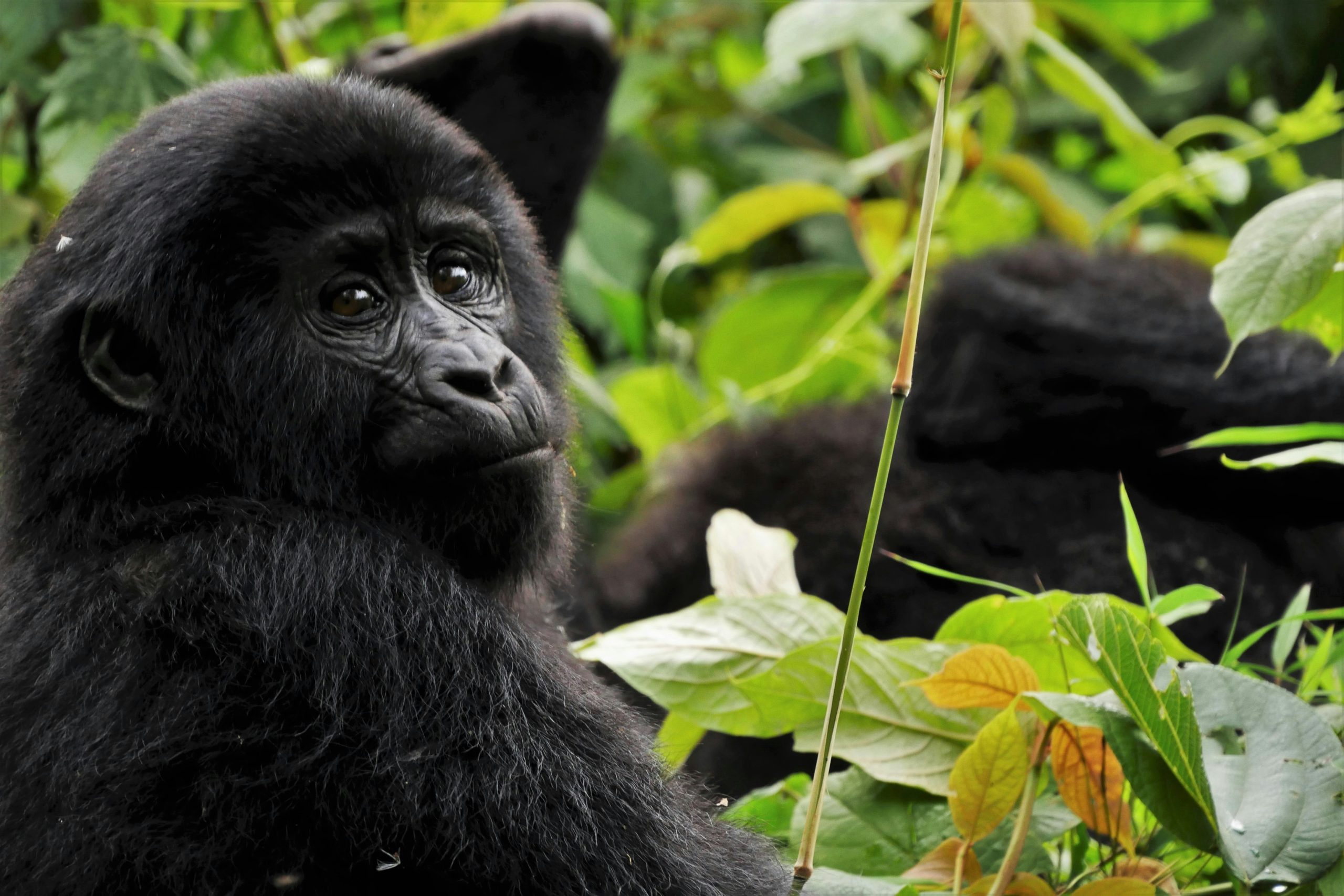
Bwindi is a UNESCO World Heritage Site and the heart of gorilla trekking in Uganda. Its steep, forested hills are divided into four trekking sectors: Buhoma in the north, Ruhija in the east, and Rushaga and Nkuringo in the south. The sector is fixed by your permit, so we choose it together with your lodge and route. Bwindi is also home to forest birds, monkeys and beautiful walking trails.
Mgahinga Gorilla National Park
Mgahinga is Uganda’s corner of the Virunga volcanoes, on the borders with Rwanda and the Democratic Republic of Congo. It is smaller than Bwindi, with one habituated gorilla family, and it is also known for golden monkey tracking and volcano hikes. It suits travellers who want a quieter experience in the far south-west.
Kibale Forest National Park
Kibale is a lush tropical forest near Fort Portal and one of the best places in East Africa to see chimpanzees. Guided walks bring you close to habituated chimp communities, and the forest also shelters red colobus, black-and-white colobus and L’Hoest’s monkeys. The nearby Bigodi Wetland is excellent for a gentle nature walk.
Queen Elizabeth National Park
Queen Elizabeth stretches between Lake George and Lake Edward, linked by the Kazinga Channel. A boat safari on the channel is a highlight, with hippos, buffalo, elephants and waterbirds along the banks. In the southern Ishasha sector, lions are known for resting in fig trees, although sightings are never guaranteed. Kyambura Gorge adds another chimp-tracking option.

Murchison Falls National Park
Murchison Falls is Uganda’s largest national park. Here the Nile forces its way through a gorge about seven metres wide before tumbling towards Lake Albert. Game drives north of the river reveal giraffes, elephants, buffalo, lions and antelope, and a boat trip to the base of the falls is unforgettable. On the way north, many guests stop at Ziwa Rhino Sanctuary to track white rhinos on foot.
Lake Bunyonyi
Lake Bunyonyi is a peaceful lake of terraced hills and small islands near Kabale, close to Bwindi’s southern sectors. It is a lovely place to rest after a gorilla trek, with canoe trips, gentle walks and quiet lakeside lodges.
Kidepo Valley National Park
Kidepo sits in the remote north-east, near the borders with South Sudan and Kenya. Its wide valleys and mountain backdrops feel truly wild, with buffalo herds, lions, cheetahs and species rarely seen elsewhere in Uganda. Most visitors fly in on a light aircraft to make the most of their time.
Other favourites include Lake Mburo, a small park with zebras and walking safaris, and Jinja, at the source of the Nile, for boat trips and adventure activities.
Which gorilla sector is right for you?
Tell us your dates, fitness and route and we suggest the sector, lodge and order of parks that suit you best.
Request a Private Safari QuoteBest Time for a Uganda Safari, Month by Month
Uganda can be visited all year, because it sits on the equator and the forests stay green. The drier months of June to September and December to February make trekking easier, while the wetter months bring fewer visitors and fresh, lush scenery. Rain can fall in any month in the rainforest.
| Month | What to expect |
|---|---|
| January | Dry season. Firm trails for gorilla and chimp trekking and good game viewing in the savannah parks. |
| February | Usually dry and warm. A popular month for trekking; book permits early. |
| March | The long rains begin. Trails become muddier, but the scenery is fresh and lodges are quieter. |
| April | Often the wettest month. Trekking still runs; good value and very few visitors. |
| May | Rains continue but start to ease. Excellent for birders, as migrant species are still present. |
| June | The main dry season begins. Very good trekking conditions and strong game viewing. |
| July | Peak season. Clear trails and busy lodges; permits sell out early for this month. |
| August | Peak season continues. Ideal for combining gorillas with Queen Elizabeth and Murchison Falls. |
| September | Mostly dry with occasional showers. A great balance of conditions and availability. |
| October | Short rains begin. Lower demand and lush forests. |
| November | Rains continue. Good for travellers who prefer quiet trails and do not mind some mud. |
| December | Drier weather returns. Festive season is busy, so plan permits and lodges well ahead. |
For a wider view of the region, see our best time for safari in Africa calendar.
Wildlife and Experiences
Gorilla trekking
Your trekking day starts with a briefing at the park headquarters. Groups of up to eight visitors set off with rangers and trackers, and the walk can take from under an hour to most of the day, depending on where the family is feeding. Once you find them, you spend one hour with the gorillas. The minimum age is 15. Porters can be hired at the start to carry your bag and help on steep sections.
Gorilla habituation experience
In Bwindi’s Rushaga sector, the habituation experience lets a small group spend up to four hours with a gorilla family that is still being accustomed to people, alongside the researchers and rangers who work with them. It is longer, more demanding and more intimate than a standard trek.
Chimpanzees and other primates
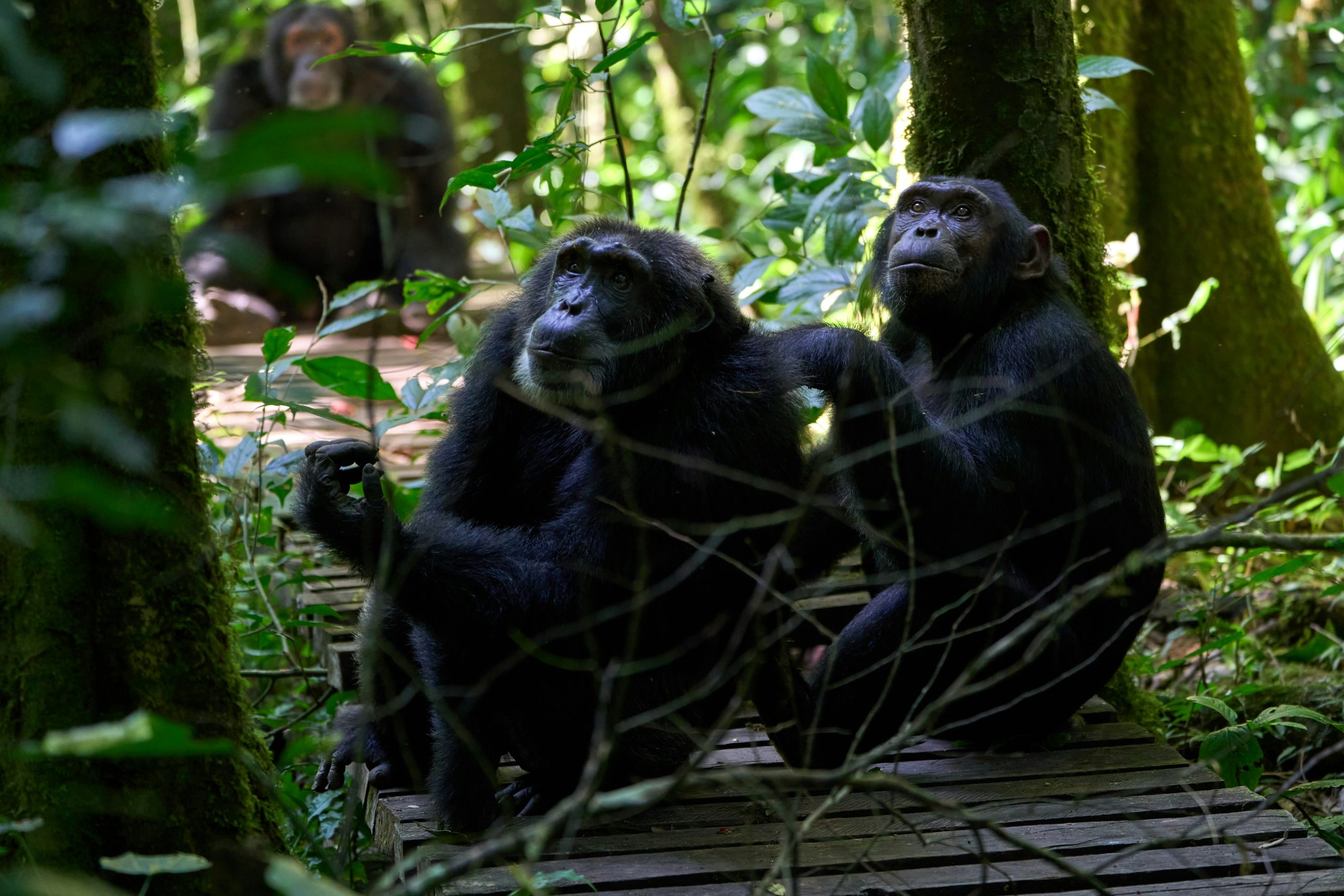
Chimp tracking in Kibale is the classic choice, with a longer chimpanzee habituation experience available for keen wildlife watchers. Golden monkeys can be tracked in Mgahinga, and colobus and other monkeys are seen in many forests.
Boat safaris, big game and birding
Boat trips on the Kazinga Channel and the Nile give close views of hippos, crocodiles, elephants and waterbirds. Game drives in Queen Elizabeth, Murchison Falls and Kidepo add lions, leopards, giraffes and antelope. Birders often visit Mabamba Swamp near Entebbe to look for the shoebill.
Sample Uganda Safari Itinerary Ideas
Every trip we plan is tailor-made, but these outlines show how a Uganda safari usually fits together.
3 to 4 days: gorillas only
Drive or fly from Entebbe to Bwindi, trek once, and return. Flying saves most of a day each way and suits travellers adding gorillas to a Kenya safari.
5 to 7 days: gorillas, chimps and the Kazinga Channel
Kibale for chimps, Queen Elizabeth for a boat safari and game drives, then Bwindi for gorillas. This is the route we recommend most for a first Uganda safari.
10 days: the western circuit with Murchison Falls
Add Ziwa Rhino Sanctuary and Murchison Falls in the north before heading west to Kibale, Queen Elizabeth and Bwindi.
14 days: the complete country
Murchison Falls, Kibale, Queen Elizabeth, two gorilla days in Bwindi, Lake Bunyonyi and Lake Mburo, at an easy pace with time to rest.
Uganda with Rwanda or Kenya
Southern Bwindi is a few hours’ drive from Kigali, so many guests trek in both countries. Others fly from Nairobi to Entebbe after a Masai Mara safari. See our safari combinations and our guide to gorilla trekking from Kenya.
Design your own Uganda safari
Share your dates, group size and interests and we send a tailor-made itinerary, with gorilla permit availability checked for your dates.
Request a Private Safari Quote WhatsApp Our TeamPrefer email? Write to reservations@senseofadventure.co.ke
Where to Stay on a Uganda Safari
Lodge location matters a great deal on a Uganda safari, because your gorilla permit is tied to one Bwindi sector and the roads between sectors are slow. We match your lodge to your permit first.
- Forest lodges: cottages and bandas on the edge of Bwindi or Kibale, often with views over the canopy and the sound of the forest at night.
- Savannah lodges: lodges overlooking the Kazinga Channel, the Ishasha plains or the Nile, with game viewing from the terrace.
- Tented camps: comfortable canvas rooms in Queen Elizabeth, Murchison Falls and Kidepo for a closer feel of the wild.
- Lakeside retreats: relaxed lodges on Lake Bunyonyi and the crater lakes near Fort Portal, ideal for rest days.
- Luxury lodges: intimate properties with fine dining and personal service for honeymoons and special trips.
We usually quote a Midrange 3-star option and a Standard Luxury 4-star option side by side. See our Uganda safari lodges and camps.
Uganda Safari Costs, Gorilla Permits and Park Fees
The cost of a Uganda safari depends on your trip length, accommodation level, whether you drive or fly, and how many permits you need. We send an itemised quote so you can see each part clearly.
- Gorilla trekking permit: USD 800 per person for 2027, set by the Uganda Wildlife Authority.
- Gorilla habituation experience: USD 1,500 per person for 2027.
- Group size and age: up to eight visitors per gorilla family, one hour with the gorillas on a standard trek, minimum age 15.
- Chimpanzee permits and park entry fees: set by the Uganda Wildlife Authority and confirmed at booking.
- Book early: permits are limited each day and sell out first for June to September and the festive season.
Official information is published by the Uganda Wildlife Authority. Our guide to how much an African safari costs explains how style and season affect the total.
Entry Requirements for Uganda
- Visa: most visitors, including citizens of the USA, UK, EU countries, Switzerland, India and Australia, need a visa. Apply on the official Uganda eVisa portal before you travel.
- Single-entry tourist visa: USD 50 at the time of writing.
- East Africa Tourist Visa: USD 100, covering Uganda, Kenya and Rwanda with multiple entries between them.
- Passport: valid for at least six months, with blank pages.
- Yellow fever: a yellow fever certificate is no longer mandatory for entry to Uganda. Other countries on your route may still ask for one, so read our yellow fever certificate guide.
We brief every guest on the current entry rules for their nationality and route when they book.
Combining Uganda With Kenya and Rwanda
Uganda pairs naturally with Kenya’s savannah parks and with Rwanda’s volcanoes. As a Nairobi-based team, we plan these combinations end to end.
- Kenya and Uganda: big cats in the Masai Mara, then a short flight from Nairobi to Entebbe for gorillas and chimps.
- Uganda and Rwanda: trek gorillas in both countries, or fly into Kigali and drive to Bwindi’s southern sectors.
- One visa for three countries: the East Africa Tourist Visa covers Kenya, Uganda and Rwanda.
Kenya also has its own mandatory visitor insurance and entry system, which we explain when you book. Read our Rwanda destination guide and our Kenya destination guide.
Why Plan Your Uganda Safari With Sense of Adventure
- East Africa specialists in Nairobi. We are a licensed Kenyan tour operator (Tourism Regulatory Authority, licence TRA1/47/C01/77087), established in 2022, and we plan Uganda as part of our wider East Africa work.
- Permits handled for you. We check availability for your dates, secure your gorilla and chimp permits and match them to your lodges.
- Private travel by default. In Kenya we use private 4×4 Land Cruisers with pop-up roofs, reclining seats and charging ports, and we plan your Uganda days to the same private standard. The vehicle and guide for each country are confirmed in writing in your quote.
- Honest, itemised quotes. Permits, park fees, accommodation and transport are listed clearly, with two comfort levels to compare.
- One team for multi-country trips. Kenya, Uganda, Rwanda and Tanzania planned together, with one point of contact.
Uganda Safari FAQs
How much is a gorilla permit in Uganda?
For 2027 the Uganda Wildlife Authority gorilla trekking permit is USD 800 per person, and the gorilla habituation experience is USD 1,500 per person.
What is the best time for a Uganda safari?
June to September and December to February are the driest months and the most popular for gorilla trekking. Uganda can be visited all year, and the wetter months are quieter.
How many days do I need for a Uganda safari?
Three to four days covers a gorilla trek. Seven days adds chimps and Queen Elizabeth National Park, and ten to fourteen days lets you include Murchison Falls and Lake Bunyonyi.
How fit do I need to be for gorilla trekking?
A reasonable level of fitness helps, as trails can be steep and muddy. Treks take from under an hour to most of the day, and porters can carry your bag and help you on the way.
Do I need a visa and a yellow fever certificate for Uganda?
Most visitors need a visa: USD 50 single entry or USD 100 for the East Africa Tourist Visa. A yellow fever certificate is no longer mandatory for entry to Uganda, but other countries on your route may ask for one.
What is the minimum age for gorilla trekking in Uganda?
The minimum age is 15. Younger children can enjoy boat safaris, game drives and nature walks while older family members trek.
Can I combine a Uganda safari with Kenya?
Yes. A short flight links Nairobi and Entebbe, so many guests see the Masai Mara first and then trek gorillas in Uganda. The East Africa Tourist Visa covers both countries and Rwanda.
Start planning your Uganda safari today
Gorillas, chimps, the Nile and the savannah: we build your route around your dates and secure your permits early.
Explore Safaris in This Destination Request a Private Safari QuoteWhatsApp +254 799 160 081 or email reservations@senseofadventure.co.ke