
The practical side of traveling to Kenya — visas, currency, health requirements, tipping culture, connectivity, and safety is straightforward once you have the right information. Most of the anxiety that first-time visitors feel about Kenya comes from uncertainty, not from genuine complexity. Kenya’s tourism infrastructure is among the most developed in sub-Saharan Africa: English is widely spoken, the e-visa system is simple, the mobile money infrastructure means even remote camps are easy to pay at, and Nairobi’s Jomo Kenyatta International Airport handles millions of international passengers per year without difficulty. This Kenya Travel Guide covers every practical question that Sense of Adventure’s guests ask before departure, in the order they most frequently ask them.

Sense of Adventure Handles All Pre-Departure Logistics.
Every Sense of Adventure guest receives a complete pre-departure briefing, visas, health, packing, arrival, and everything else. Contact us to book your Kenya safari.
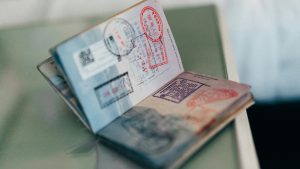
Kenya replaced the traditional e-visa with the Electronic Travel Authorization (eTA) in 2024. The eTA is applied for at etakenya.go.ke and requires: a valid passport (minimum 6 months validity beyond your departure date), a recent passport-size photograph, your travel itinerary, and proof of accommodation. Cost: USD 30 per person. Processing time: typically 1–3 business days. Apply at least one week before departure. Sense of Adventure provides the exact eTA link, the required documents, and step-by-step instructions to all guests at booking confirmation.
Kenya Travel Guide: Health Requirements
Yellow Fever vaccination: Required for travelers arriving from yellow fever endemic countries (most of sub-Saharan Africa, parts of South America). If you are routing through Uganda, Rwanda, or Tanzania to Kenya, your yellow fever certificate may be checked. Have it. Apply for the International Certificate of Vaccination at your local travel clinic.
Malaria prophylaxis: Strongly recommended for all safari areas. Consult your doctor; Malarone, Doxycycline, and Lariam are the standard options; your doctor will recommend based on your health profile. Start prophylaxis the appropriate number of days before arrival as instructed on your prescription.
Other vaccinations to consider: Hepatitis A and B (standard travel vaccinations), Typhoid (for travelers eating outside established camp/hotel settings), and COVID-19 (no longer required but recommended). Sense of Adventure provides a full health checklist; consult a travel health clinic for personalized advice.
Travel insurance: Essential, must include medical evacuation coverage. Medical evacuation from the Masai Mara to Nairobi costs USD 5,000–15,000 if not covered. Flying Doctor Society (AMREF) membership (approximately USD 25/year) covers air evacuation within Kenya and is an inexpensive additional protection.
Currency and Money in Kenya
The Kenyan shilling (KES) is the official currency. USD is widely accepted at all camps, lodges, and tourist businesses, and major safari operators in Kenya price primarily in USD. ATMs are available throughout Nairobi and in Mombasa/Diani; they are not available at the camps, so carry sufficient USD cash before leaving Nairobi. Most quality safari camps accept credit cards (Visa and Mastercard) for the camp bill; bring cash for tips and incidentals. M-Pesa (Kenya’s mobile money system) is used for small transactions and is available to international visitors with a local SIM card.
Tipping in Kenya Safari Camps
| Person | Suggested Tip (per person per day) | How to Pay |
|---|---|---|
| Safari guide | USD 20–30 | Cash direct to guide on departure |
| Camp staff (collective) | USD 10–15 | Tip box at camp reception |
| Airport/Nairobi driver | USD 5–10 per trip | Cash direct |
Connectivity, SIM Cards, and Internet in Kenya
Nairobi has excellent 4G coverage; all suburbs and the airport have strong data connectivity. In the safari parks, coverage varies. Most Mara conservancy camps have WiFi (usually satellite-based, slower than urban speeds). Some remote camps in Laikipia and northern Kenya have no WiFi; Sense of Adventure advises guests on connectivity for each specific camp. A local Kenyan SIM card (Safaricom Kenya’s dominant carrier) costs approximately KSh 100 (USD 0.75), and data bundles are very affordable; available at the airport and in all Nairobi shopping centers.
Every Question Answered Before You Arrive.
Sense of Adventure provides every guest with a complete pre-departure briefing specific to their itinerary, visas, health requirements, packing, arrival logistics, tipping, and anything else you need. Contact us to start planning.
Frequently Asked Questions — Kenya Travel Guide
Do I need a visa to visit Kenya?
Most international visitors require a Kenya eTA (Electronic Travel Authorization), which can be applied for online at etakenya.go.ke before departure. Cost is USD 30. Citizens of some East African Community countries (Uganda, Tanzania, Rwanda, and Burundi) have reciprocal visa-free entry. Sense of Adventure provides the exact eTA link and step-by-step instructions to all guests at booking.
Is Kenya safe to visit?
Kenya’s safari areas, the Masai Mara, Amboseli, Samburu, and Laikipia, are among the safest tourist environments in Africa, visited by hundreds of thousands of international guests each year without incident. Nairobi has specific areas with elevated crime risk that are not on tourist itineraries; Sense of Adventure positions all guests in secure hotels and uses vetted drivers. The British, US, and Australian foreign office travel advisories for Kenya cover specific border areas (not safari destinations) at an elevated status. Kenya’s tourist infrastructure is robust, and the country is genuinely welcoming to international visitors.
What is the best flight to Nairobi?
From Europe: KLM via Amsterdam (good frequency, reliable connections, KQ codeshare), British Airways direct from London Heathrow, Turkish Airlines via Istanbul, and Emirates via Dubai are the most popular. From the UAE and Middle East: Emirates and Qatar Airways offer excellent direct connections. Nairobi is a major hub; most international origin cities have reasonable direct or one-stop routings. Sense of Adventure advises on routing and connection timing for all guests, particularly those connecting to internal charter flights.