
The best time to visit Masai Mara 2026 travellers should aim for is July to October for the migration, or January to February for green landscapes and better value. The Masai Mara is extraordinary at every time of year — but the season you choose will define the character of your experience. Whether you are chasing the Great Wildebeest Migration, want lush green landscapes and lower prices, or are trying to avoid the peak-season crowds, this 2026 month-by-month guide gives you the clearest picture available so you can make the right call for your trip.
At Sense of Adventure, we manage safaris across every season and every budget. Our guides live and work in the Mara ecosystem year-round — this guide reflects what we actually see on the ground, not generalised weather statistics.
Quick Answer: When Is the Best Time Overall?
If you can only choose one window and the migration is your goal: July to October, with August and September being the statistical peak for Mara River crossings. If you want outstanding wildlife, beautiful landscapes, and significantly lower prices: January and February deliver extraordinary safari experiences at 20–35% less than peak rates. If budget is the primary driver: April and May offer the deepest discounts of the year.
Table of Contents
Best Time to Visit Masai Mara 2026: Month-by-Month Table
This table gives a quick overview of each month. Weather and herd movements vary from year to year, so treat it as a guide rather than a guarantee.
| Month | Weather | Migration | Crowds and prices |
|---|---|---|---|
| January–February | Mostly dry, green landscape | Herds in the southern Serengeti | Quieter, good value |
| March | Changeable; long rains may start late in the month | Herds in the Serengeti | Quiet, good value |
| April–May | Long rains, heavy afternoon showers | Herds in the Serengeti | Quietest, lowest prices; some camps close |
| June | Drying out, still green | First herds may arrive late in the month | Rising, still fair value |
| July–August | Dry, cool mornings | Herds in the Mara, river crossings | Busiest, peak prices |
| September–October | Dry, warming up | Crossings continue; herds start to head south in October | Busy, easing in October |
| November | Short rains, brief showers | Herds mostly back in Tanzania | Quieter, good value |
| December | Showers early, drier later | Herds in the Serengeti | Busier over Christmas and New Year |
January and February — Green Season Excellence
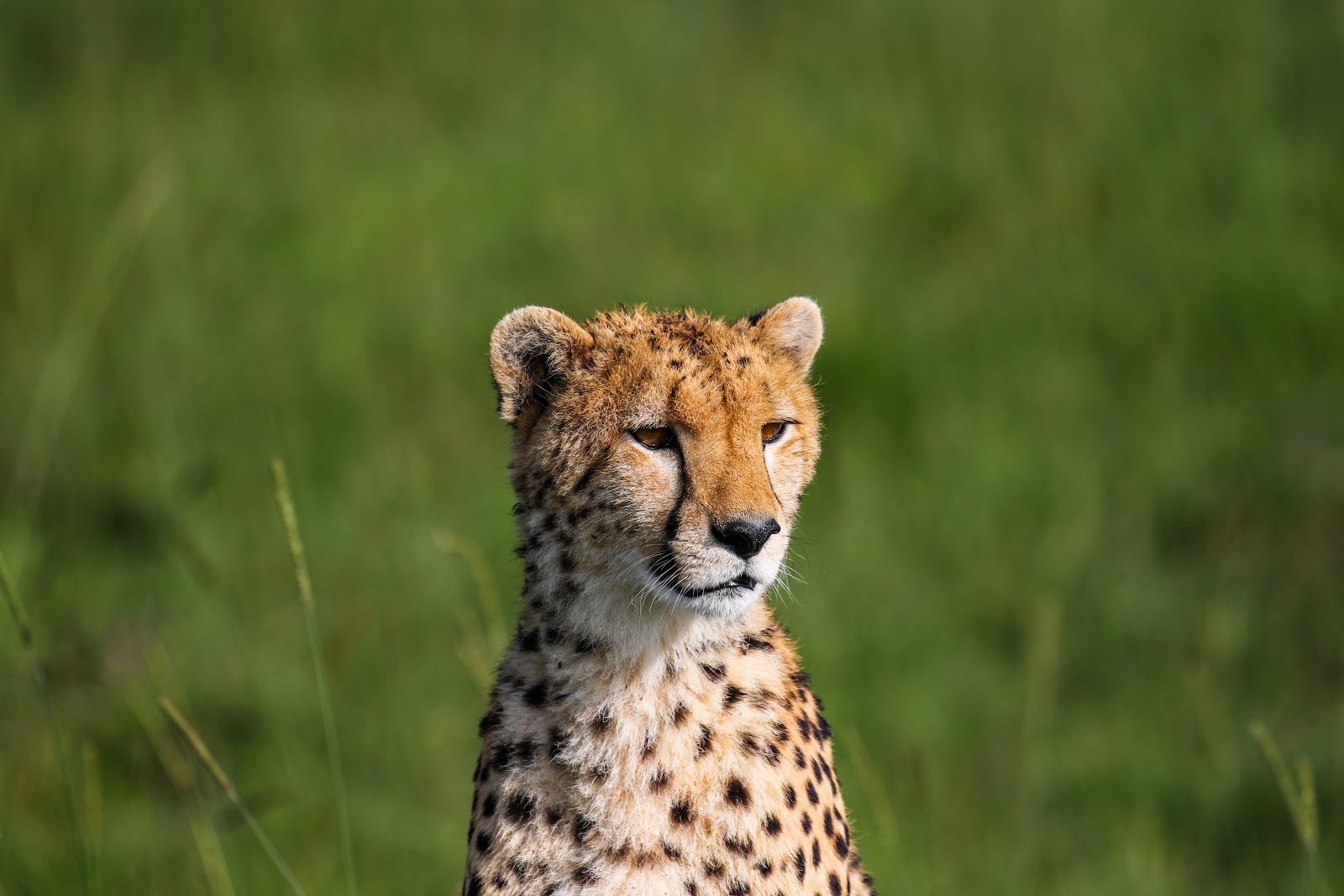
January and February are increasingly popular with experienced safari travellers who return specifically for these months. The short rains of November-December have transformed the savannah into deep green, the air is clear, and the morning light is extraordinary for photography. The resident lion prides, leopards, and cheetahs are well-fed and relaxed after the abundant prey of migration season — making for long, unhurried predator sightings on open plains.
Birdlife peaks during this period. Migratory species from Europe and central Asia winter in East Africa, and the combination of resident and migratory birds makes January-February one of the finest birdwatching windows anywhere in Africa. Accommodation rates are typically 20–30% below peak season, and the camps are quieter — giving you a more exclusive experience at many properties.
One caveat: the wildebeest herds have largely returned south to the Serengeti by this point. If the migration crossing is your non-negotiable priority, January-February is not your window. But for everything else the Mara delivers — and it delivers an extraordinary amount — these are superb months.
March — Transitional and Often Underrated
March is transitional. In most years it offers excellent game viewing well into the month, with lush landscapes, good predator sightings, and the advantage of being before the peak-season price rises. In some years the long rains arrive in the latter half of March; in others, they hold off until April. Our on-the-ground contacts keep us informed on actual conditions, which is why booking through a local operator gives you an advantage.
April and May — Long Rains, Lowest Prices
The long rains arrive with purpose in April and May, producing daily rainfall — typically heavy afternoon showers rather than all-day downpours. The landscape is at its most dramatic and verdant. Some murram roads inside the reserve can become difficult after sustained rain, and a handful of camps close for maintenance.
However: the wildlife is still present. The animals do not leave because it rains. They simply spread across a better-watered, lusher landscape. Sightings can feel more earned, more wild. And the pricing makes this the most accessible the Mara gets — some camps offer their lowest annual rates in April and May, making luxury experiences genuinely affordable for travellers with budget flexibility and no fixed dates.
If you are weighing up a rainy-season trip, our honest look at the pros and cons of a green season safari in Kenya will help you decide. For current rain forecasts close to your dates, the Kenya Meteorological Department publishes seasonal outlooks.
June — The Best-Kept Secret Month
Late June is one of our favourite months to send guests to the Mara. The long rains are typically finished, the landscape is still beautifully green, and — most excitingly — the advance guard of the wildebeest migration begins appearing on the northern Serengeti horizon. By late June, the first big herds are already pushing into Kenya. The camps are not yet fully booked, and you can position yourself near the river ahead of the peak-season crowds. It is the best value month for migration hopefuls and one of the most atmospheric times to be in the ecosystem.
July and August — Peak Migration Season
July brings the full migration force into the Masai Mara. By mid-July, the river crossings are happening regularly, and by August the Mara is at its most dramatic: over 1.5 million wildebeest, hundreds of thousands of zebra, enormous Nile crocodiles in every bend of the Mara River, and predators capitalising on the extraordinary abundance of prey across the plains.
This is also peak season in terms of accommodation prices and vehicle numbers in the reserve. Book premium camps 8–12 months ahead for August. See our detailed guide to the best Masai Mara camps and lodges for which properties have the best river-proximity during this window.

How to Improve Your Chances of Seeing a River Crossing
- Stay at least three nights: herds can gather at the river for hours or days before crossing, so more time means more chances.
- Choose a camp within reach of the river: less driving time means more waiting time at the crossing points.
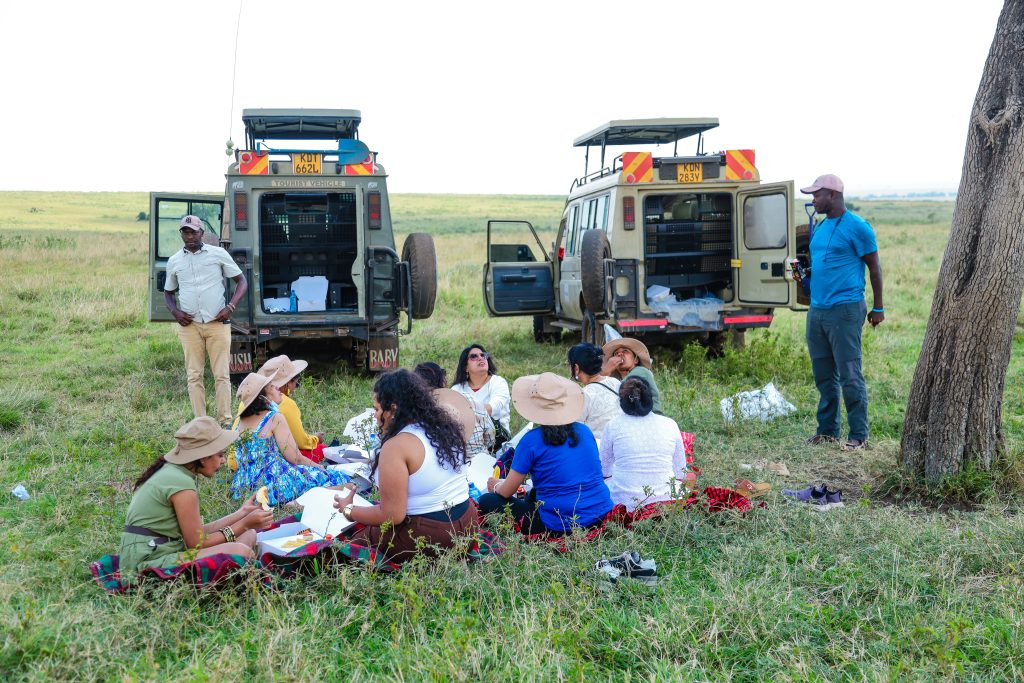
- Take full-day game drives: a packed lunch lets you stay with a herd rather than returning to camp at midday.
- Be patient and quiet: herds often turn back if they are disturbed, so good guides keep a respectful distance.
- Stay flexible: the herds follow the rain, so arrival dates change each year.
Our honest guide to whether the Great Migration is guaranteed explains the timing in more detail, and our Great Migration safari in the Masai Mara is built around these months.
September and October — Migration Continues, Crowds Thin
September is statistically comparable to August for migration drama and is often slightly less crowded. The herds continue to move within the Mara ecosystem, crossing and re-crossing the river as conditions shift. October sees the beginning of the return south, but crossings still happen — sometimes spectacularly — into mid-October. Game viewing is outstanding throughout, prices begin to soften in October, and the overall experience is arguably the best combination of migration access and value in the entire season.
November — Short Rains Begin, Excellent Value Returns
The wildebeest herds have largely returned south to Tanzania by November, and the short rains arrive — typically brief afternoon showers. The Mara’s resident wildlife is superb, prices drop significantly from peak-season highs, and the atmosphere at most camps is wonderfully relaxed. November is an outstanding month for hot air balloon safaris — clear post-rain air, beautiful light, green plains.
December — Festive Safari at Great Value
Mid-to-late December sees a rise in bookings around Christmas and New Year, but prices remain below peak-season levels for most of the month. The landscape is beautiful, wildlife viewing is excellent, and the festive atmosphere at the Mara’s lodges — bush dinners under the stars, Christmas breakfasts — is genuinely memorable. For families, December holidays are an excellent window. See our guide to the best Kenya safari for families for more on holiday planning.
Summary: Best Time by Priority
- Migration river crossings: July – September (book early)
- Best value + great wildlife: January – February, November
- Lowest prices: April – May
- Fewest tourists: January – February, April – May
- Best birdwatching: November – March
- Family holidays: July – August, December
- Honeymoon: Any month — read our romantic Kenya safari guide for our seasonal recommendations
Best Time by Type of Traveller
First-Time Safari Visitors
For a first safari, July to October gives the most dramatic experience, with the migration adding huge herds to the Mara’s resident wildlife. If you prefer fewer vehicles, January and February are a strong alternative. A short stay such as our 3-day Masai Mara safari package works well in any season.
Photographers
Photographers often prefer January to March and November, when the grass is green, the air is clear after rain and dramatic clouds build in the afternoon. July to October is best for river crossing action. Our 6-day photographic safari in the Masai Mara can be timed for either.
Families and Honeymooners
Families are often tied to school holidays, so July, August and December are the usual choices; book early. Our Kenya family safari package is designed for these dates. Honeymooners have more freedom, and quieter months such as February, June or November make a 4-day Masai Mara honeymoon safari feel more private.
Best Time to Visit Masai Mara 2026 on a Budget
If cost matters most, look at April, May and early June, then November and early December. Many camps offer lower rates, and you will share sightings with fewer vehicles. Remember that park fees apply all year; check our guide to Kenya national parks entrance fees 2026 when you set your budget.
When to Book Your 2026 Masai Mara Safari
For July to October, book as early as you can, especially if you want a camp near the river or several rooms for a family or group. For the quieter months, a few months’ notice is often enough, although popular camps still fill at Christmas and New Year. Groups should allow extra time; our guide to the best time to book a Kenya group safari explains why, and our page on safari deposits and payment plans explains how booking works.
Whatever month you choose, plan your clothing around cool mornings and possible showers. Our guide on what to pack for a Masai Mara safari covers each season, and the official Magical Kenya site has wider travel information for Kenya.
Frequently Asked Questions
What is the best month to visit the Masai Mara?
For the Great Migration and river crossings, August and September are usually the best months, with July and October close behind. For green landscapes, good predator sightings and lower prices, January and February are excellent. There is no bad month, as the Mara’s resident wildlife stays all year.
When does the migration arrive in the Masai Mara in 2026?
No one can give an exact date, because the herds follow the rain. In most years the first large herds reach the Mara from late June or July, crossings are most frequent from July to September, and the herds begin moving back to Tanzania during October. Your guide will track their movements daily.
Is it worth visiting the Masai Mara in the rainy season?
Yes, if you are flexible. The rains usually fall as afternoon or overnight showers, wildlife stays in the Mara, prices are lower and camps are quieter. Some roads become muddy and a few camps close in April and May, so the main trade-off is comfort and access rather than wildlife.
When is the Masai Mara least crowded?
The quietest times are usually April to early June and November, followed by January to March. In these months fewer vehicles gather at sightings and you have a better chance of a camp or conservancy feeling private. Staying in a private conservancy reduces crowds in any month, including peak migration season.
How cold does the Masai Mara get?
Days are generally warm all year, but early mornings and evenings can feel cold, especially from June to September and in open vehicles on dawn game drives. Pack a fleece or warm jacket, a hat and layers you can remove as the day warms up. Nights in tented camps can also be cool.
Plan Your Masai Mara Trip With Us
Our team monitors the Mara year-round and can give you real-time advice on current conditions for your travel dates. Whether you are planning a trip six months out or six weeks out, we will tell you honestly what to expect and build an itinerary that makes the most of your timing. For full cost planning across seasons, see our Kenya safari cost guide.
Or call us: +254 799 160 081 — we are happy to help plan your safari.