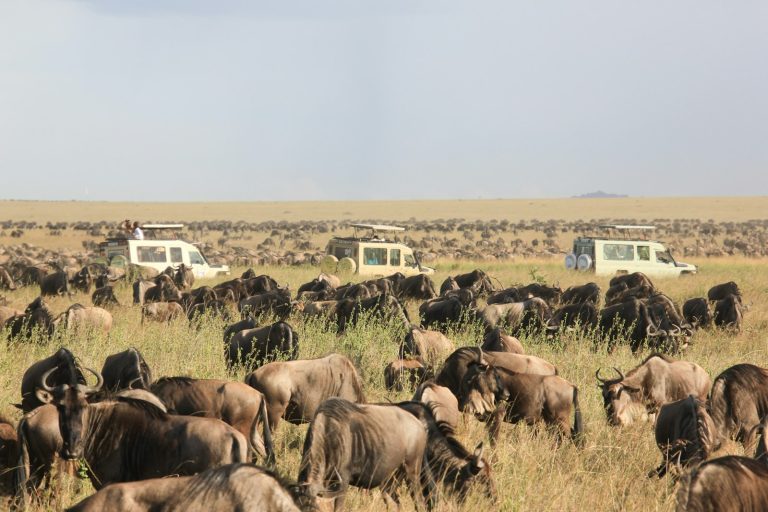

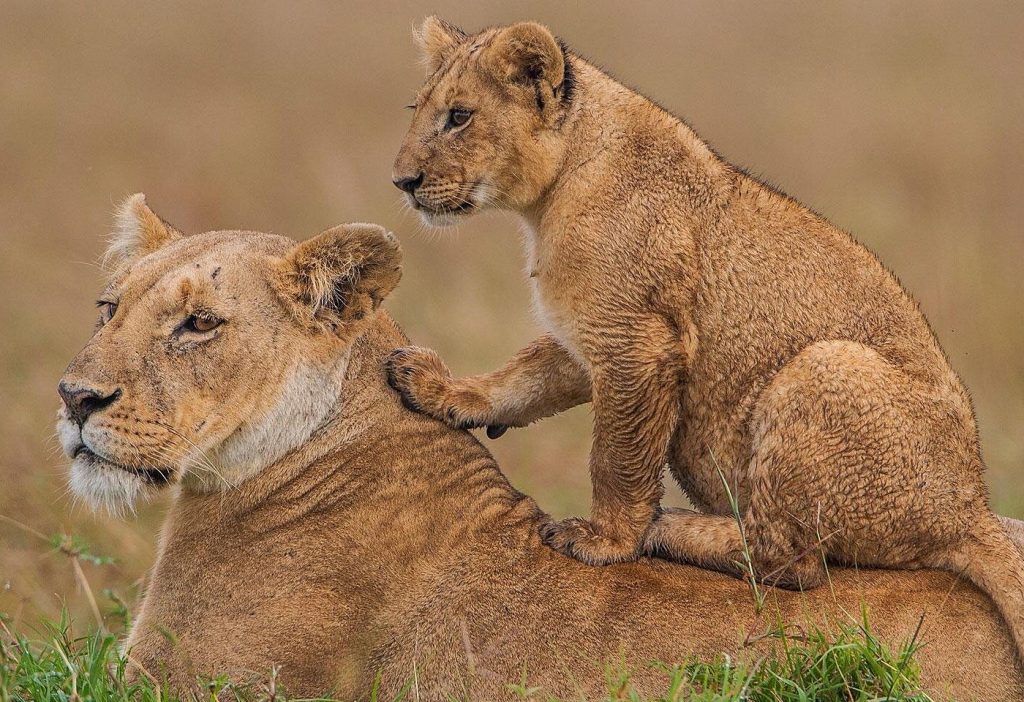
Most visitors to the Masai Mara know about the national reserve — the famous 1,510 square kilometres of savannah where the wildebeest cross the Mara River and lion prides sprawl under acacia trees in the afternoon sun. Far fewer know about the ring of privately managed community conservancies that surround the reserve on three sides, and which many experienced Kenya safari travellers consider to deliver the single best wildlife experience in East Africa. This guide is your complete introduction to the Masai Mara conservancies — what they are, what makes them different, and which ones belong on your itinerary.
🌎 Thinking About a Kenya Safari?
Our team is on WhatsApp right now — ask us anything about destinations, dates, or prices. No obligation.
💬 WhatsApp Us Now or call +254 799 160 081
What Is a Masai Mara Conservancy?
The Masai Mara’s conservancies are community-owned land parcels surrounding the national reserve, where Maasai landowners have chosen to lease their land for wildlife tourism rather than livestock ranching. In exchange for land leases paid by safari camps, the Maasai receive guaranteed income — income that exceeds what cattle grazing on the same land would generate — and wildlife tourism is established as a financially viable alternative to agriculture. The wildlife, in turn, gains essential buffer habitat that expands the effective size of the protected ecosystem significantly.
The key difference from the national reserve: each conservancy restricts access to guests of its affiliated camps only. There are strict vehicle limits — typically 2–4 vehicles maximum at any given sighting — and the camps are exclusively positioned within the conservancy’s boundaries. This means that when you locate a leopard on a morning game drive, it is overwhelmingly likely that you are the only vehicle there. You can spend an hour watching a cheetah hunt without another engine in earshot. These are experiences that the main reserve — where forty vehicles sometimes converge on a lion kill during peak season — simply cannot match.
The Major Masai Mara Conservancies
Olare Motorogi Conservancy (33,000 acres, northwest of the reserve): One of the Mara’s most prestigious and wildlife-rich conservancies. Olare Motorogi is home to some of Kenya’s finest safari camps and produces extraordinary leopard and cheetah sightings on its open plains and rocky luggas. The conservancy’s big cat density is consistently cited as among the highest in the Mara ecosystem. Night drives and walking safaris are available. Some of Kenya’s most acclaimed luxury camps — including Kicheche Mara and Porini Lion Camp — operate exclusively within Olare Motorogi.
Naboisho Conservancy (50,000 acres, northwest): The largest of the Mara’s community conservancies and home to approximately 500 Maasai families who collectively manage the land. Naboisho is particularly famous for its lion density — the conservancy’s lion population is one of the highest per square kilometre in the Mara ecosystem, and multi-pride lion sightings on a single morning drive are genuinely possible. The wild dog packs that occasionally pass through the conservancy are among the most exciting Mara wildlife events. The conservancy’s size means genuinely remote game drives far from any other vehicle.
Mara North Conservancy (74,000 acres, north of the reserve): The northernmost of the major conservancies, Mara North sits on the migration’s primary entry corridor as the wildebeest herds push north from Tanzania. During July–October, the conservancy receives extraordinary migration wildlife — vast herds moving through terrain where no other tourist vehicles are present. The Mara River forms part of Mara North’s boundary, and the riverside camps here offer migration crossing access in a near-exclusive environment. The conservancy is also excellent for walking safaris and night drives year-round.
Ol Kinyei Conservancy (8,700 acres, east of the reserve): A smaller, more intimate conservancy with a single affiliated camp. Ol Kinyei’s exclusivity is extraordinary — because only one camp operates here, wildlife sightings are literally exclusive to its guests. The conservancy has excellent resident lion prides, regular cheetah, and good leopard sightings in the rocky terrain of its eastern sector. For travellers who genuinely want to feel as though they have the Mara entirely to themselves, Ol Kinyei is the closest thing available.
Mara Ripoi and Lemek Conservancies: Smaller conservancies on the reserve’s western boundary that offer accessible mid-range pricing and genuine wildlife exclusivity. Good options for budget-conscious travellers who still want the conservancy experience.
📅 Get Your Free Safari Proposal
Share your travel dates and interests — we will send you a tailored, fully itemised itinerary within 24 hours.
Conservancy vs Main Reserve: Which Is Right for You?
The honest answer: the best Mara safaris combine both. Here is a simple framework:
Stay in a conservancy if: exclusivity and intimacy are your priorities; you want night drives and walking safaris; you are a photographer who needs vehicle exclusivity at sightings; you are on a honeymoon or celebrating a special occasion; you find the main reserve’s peak-season vehicle numbers frustrating.
Stay in the main reserve if: migration river crossings are your absolute priority (July–October); you want the highest raw wildlife density; you are on a tighter budget (the main reserve has more budget accommodation options); or you are visiting in the green season when the reserve’s roads are better maintained.
Do both: Our most recommended Mara itinerary — 2 nights in a conservancy camp followed by 2 nights in a main reserve camp — delivers the complete spectrum of the Mara experience. The conservancy gives you intimacy and nocturnal wildlife; the reserve gives you density and migration access. For the best camps guide covering both zones, see our dedicated accommodation breakdown. For full cost planning, our Masai Mara safari cost guide covers conservancy pricing versus reserve pricing in detail.
Conservation Fees: Your Stay Funds the Ecosystem
Every night you stay at a conservancy camp, a portion of your accommodation fee is paid directly to the Maasai landowners as a land lease payment. This direct financial transfer — from international tourism to the families who own the land — is the economic foundation of conservation across the Mara ecosystem. When those families receive more income from wildlife tourism than from cattle, they have a powerful financial incentive to protect wildlife rather than convert land to agriculture. Your conservancy safari stay is, in a very direct sense, a conservation investment.
Talk to our team about which conservancy best matches your dates, your wildlife priorities, and your budget. We work across all of the Mara’s conservancies and can give you honest, current advice on which are performing best at any given time.
🏑 Ready to Book Your Kenya Safari?
Sense of Adventure — Kenya-based experts with real local knowledge. Transparent pricing. Personalised itineraries. Guests who return year after year.
Call or WhatsApp: +254 799 160 081