
The Serengeti National Park is, by many measures, the greatest wildlife sanctuary on earth. Covering 14,763 square kilometres of continuous savannah, woodland, and river systems in northern Tanzania, the Serengeti is the centrepiece of an ecosystem that extends from the Ngorongoro Highlands in the south to Kenya’s Masai Mara in the north — a continuous landscape of extraordinary wildlife density and ecological complexity that has no equivalent anywhere else on the planet.
The Serengeti hosts the Great Wildebeest Migration for the majority of each year, supports one of Africa’s largest lion populations, has one of the continent’s highest leopard densities in the Seronera Valley, and contains an almost bewildering variety of landscapes from the open short-grass plains of the south to the granite kopje country of the centre and the wooded hills of the north. This guide covers everything you need to know about planning a Serengeti National Park Tanzania safari from Kenya in 2026 — including how the Serengeti compares to the Masai Mara and how to combine both on a single East Africa itinerary.
Serengeti National Park Tanzania at a Glance
- Location: northern Tanzania, bordering Kenya’s Masai Mara National Reserve to the north and the Ngorongoro Conservation Area to the south-east.
- Size: 14,763 square kilometres.
- Managed by: Tanzania National Parks (TANAPA).
- World Heritage status: inscribed by UNESCO in 1981 for its vast plains and the annual migration.
- Headline experiences: the Great Migration, calving season, Grumeti and Mara River crossings, big cats and kopje landscapes.
The Landscape: Four Distinct Ecosystems in One Park
The Serengeti is not a single uniform landscape. It comprises four distinct ecological zones, each with its own character and seasonal wildlife highlights:
The Southern Plains (Ndutu region): Short-grass plains covering the southern third of the park and extending into the adjacent Ngorongoro Conservation Area. This is where the wildebeest calving season occurs (January–March) — a concentrated eruption of birth and predation that represents one of nature’s most extraordinary events. Cheetah and lion are exceptionally dense during calving season. The plains are also one of Africa’s best destinations for wild dog, and the resident cheetah population is the most reliably viewable on the continent.
The Seronera Valley (Central Serengeti): The ecological heart of the park, where permanent rivers — the Seronera and its tributaries — support year-round wildlife concentrations. The Seronera area has one of Africa’s highest leopard populations, with habituation levels that produce extraordinary close-range encounters. Tree-climbing lions in the sausage trees along the Seronera River are a unique feature of this area. The Seronera is the most visited zone of the Serengeti and offers the most reliable year-round game viewing.
The Western Corridor: A narrow extension of the park running westward to Lake Victoria. The Grumeti River — with its massive resident crocodile population — hosts a dramatic migration crossing scene in May–June as the herds move northwest. Less visited than the central Serengeti; excellent for a more remote, uncrowded experience.
The Northern Serengeti (Lobo/Kogatende): The northern section, bordering the Masai Mara, is most active during July–October when the migration herds push north into Kenya. The Mara River crossings begin in the northern Serengeti before the herds cross into Kenya — the Kogatende area provides excellent crossing viewings during this period. This zone is less developed than the south and centre, offering a more exclusive experience.
Which Zone of Serengeti National Park Tanzania Should You Choose?
- December to March: the Southern Plains and Ndutu for calving, cheetah and big predator action.
- April to June: Central Seronera and the Western Corridor as the herds move north and west.
- July to October: the Northern Serengeti around Kogatende for Mara River crossings.
- Any time of year: Seronera for resident lion, leopard and the widest choice of game drives.
Short on time in Serengeti National Park Tanzania? Choose one zone and stay there for at least three nights rather than trying to cover the whole park.
The Great Migration in the Serengeti
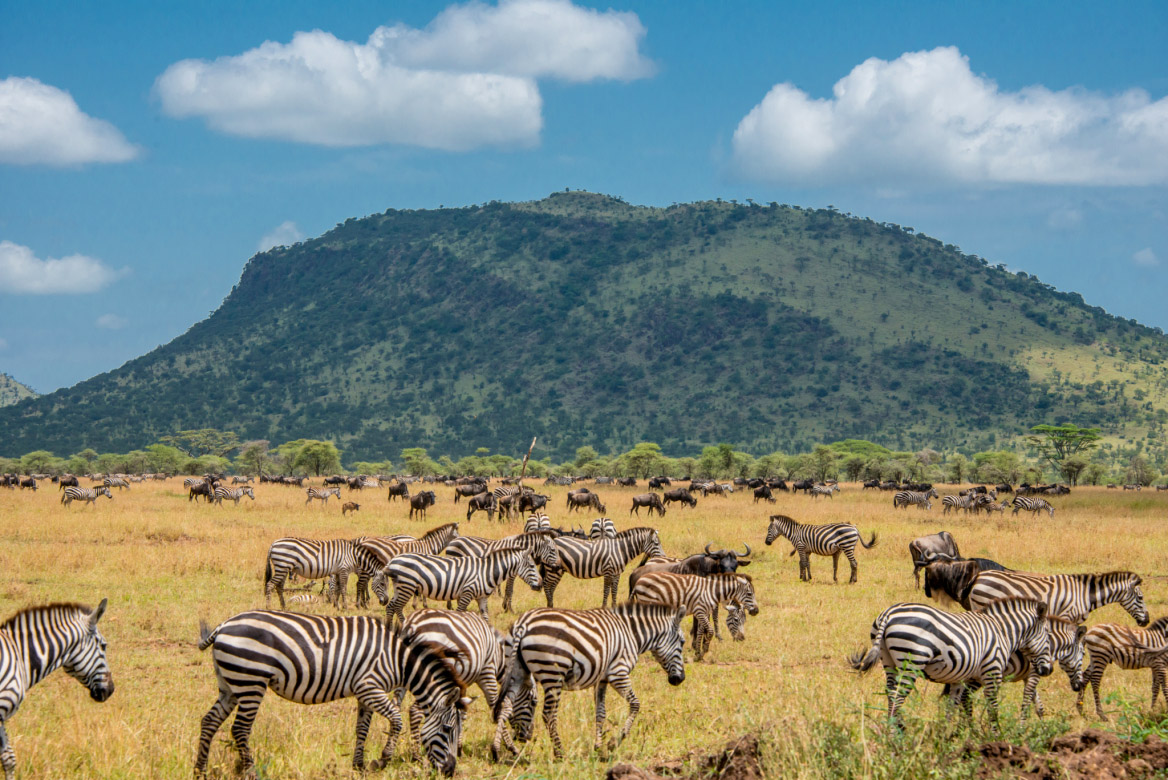
The Serengeti hosts the Great Wildebeest Migration from November through June — the period when the 1.5 million+ wildebeest herds are on the Tanzanian side of the ecosystem. The key phases:
- January–March (Calving season, southern plains): The most extraordinary wildlife spectacle in Africa and the Serengeti’s unique contribution to the migration story. Half a million calves born in a concentrated window; extraordinary predator concentration and activity.
- April–May (Moving north, central Serengeti): Herds are on the move through the central and western Serengeti. The Grumeti River crossings occur May–June.
- June–July (Northern Serengeti, pre-Kenya crossing): Herds build in the northern Serengeti before the first Mara River crossings into Kenya. The Tanzanian side of the Mara River crossing zone is accessible from camps in the north.

For the July–October Mara River crossing phase — the most famous element of the migration — the Kenya side (Masai Mara) generally offers better access and proximity. See our Masai Mara vs Serengeti comparison for a detailed breakdown of which destination wins for each migration phase.
Remember that the migration follows the rain, not a calendar. Timings shift by weeks from year to year, which is why we place camps based on the latest reports from guides on the ground rather than fixed dates.
Wildlife in the Serengeti
Beyond the migration, the Serengeti’s resident wildlife is remarkable. Lion density in the Seronera Valley is among the highest in Africa. Leopard sightings here rival the Masai Mara’s. Cheetah are most commonly seen on the open southern plains. Elephant populations have recovered significantly and are now regularly seen throughout the park. African wild dog, though less common than in southern Africa, are present in the Serengeti and increasingly frequently encountered.
The Serengeti’s birdlife is extraordinary — over 500 species recorded, including numerous raptors, the remarkable secretary bird (stalking prey across the open plains on impossibly long legs), and the beautiful lilac-breasted roller that seems to be perched on every second thorn bush.
Best Time to Visit Serengeti National Park Tanzania
Serengeti National Park Tanzania is excellent all year, so the best time depends on what you most want to see:
- Late June to October (dry season): clear skies, short grass and easy game viewing, with river crossings in the north. This is peak season, so book early.
- December to March: green plains, calving in the south and outstanding predator activity, with a short dry spell between the rains.
- April and May (long rains): fewer visitors and lush scenery. Some camps close and certain tracks become muddy, but the central Serengeti remains rewarding.
- November (short rains): herds begin moving south again and the landscape freshens after the dry season.
Getting to the Serengeti From Kenya
Most Kenyan-based travellers access the Serengeti via Kilimanjaro International Airport (KIA) in Tanzania or via charter flights from Nairobi that cross into Tanzania. The Nairobi–Serengeti flight takes approximately 1.5–2 hours on a light aircraft via the northern airstrips (Kogatende, Lobo) or 2–2.5 hours to the central (Seronera) or southern strips. Overland from Kenya, the border crossing at Namanga (Nairobi–Arusha route) connects to Arusha and then onward by road or charter flight to the Serengeti.
For travellers considering a Kenya-Tanzania combination safari — Masai Mara plus Serengeti — we design these circuits routinely and handle all cross-border logistics, Tanzania visas, and accommodation coordination on both sides of the border. See our full Kenya vs Tanzania safari comparison for help deciding how to structure a combined itinerary.
Visas, Health and Entry for Serengeti National Park Tanzania
Most visitors need a Tanzanian visa in addition to any Kenyan entry document, and many nationalities can apply online in advance. Tanzania may ask for a yellow fever vaccination certificate from travellers arriving from Kenya or other countries with a risk of yellow fever, so carry yours. Entry rules change, so always check the latest UK travel advice for Tanzania or your own government’s guidance before you travel.
Park fees are set by TANAPA and charged per person for each 24 hours inside the park. We include them in our package prices, which avoids handling payments at the gate.
Sample Itineraries From Kenya
There are several ways to fit the Serengeti into an East Africa trip, depending on how much time you have:
- Kenya and Tanzania classic: our 10-day Masai Mara and Serengeti safari links both sides of the ecosystem in one trip.
- Following the herds: the Great Migration safari in Kenya and Tanzania is timed around where the wildebeest are likely to be.
- Tanzania’s northern circuit: the 8-day Tanzania safari combines the Serengeti with Ngorongoro, Tarangire and Lake Manyara.
- Safari and beach: finish with a few days on the coast with our Zanzibar beach and Stone Town package.
Where to Stay in the Serengeti
Accommodation across Serengeti National Park Tanzania ranges from public campsites and simple mobile camps to permanent lodges and luxury tented camps. Mobile camps move with the migration, setting up in the south for calving and in the north for river crossings, which puts you closest to the action. Permanent lodges in Seronera offer more facilities and suit families and travellers who prefer solid walls.
Whatever your budget, location matters more than luxury. A simpler camp in the right zone for the season will usually give you better wildlife than a grand lodge in the wrong one.
What to Pack for a Serengeti Safari
- Neutral-coloured, lightweight clothing and a warm fleece for early morning drives.
- A wide-brimmed hat, sunglasses and high-factor sunscreen.
- Binoculars for every traveller, plus a camera with a zoom lens.
- A soft-sided bag — light aircraft usually have strict luggage weight limits.
- Insect repellent, especially for tsetse flies in the wooded north and west.
- Your passport, visa documents and yellow fever certificate.
Activities in Serengeti National Park Tanzania
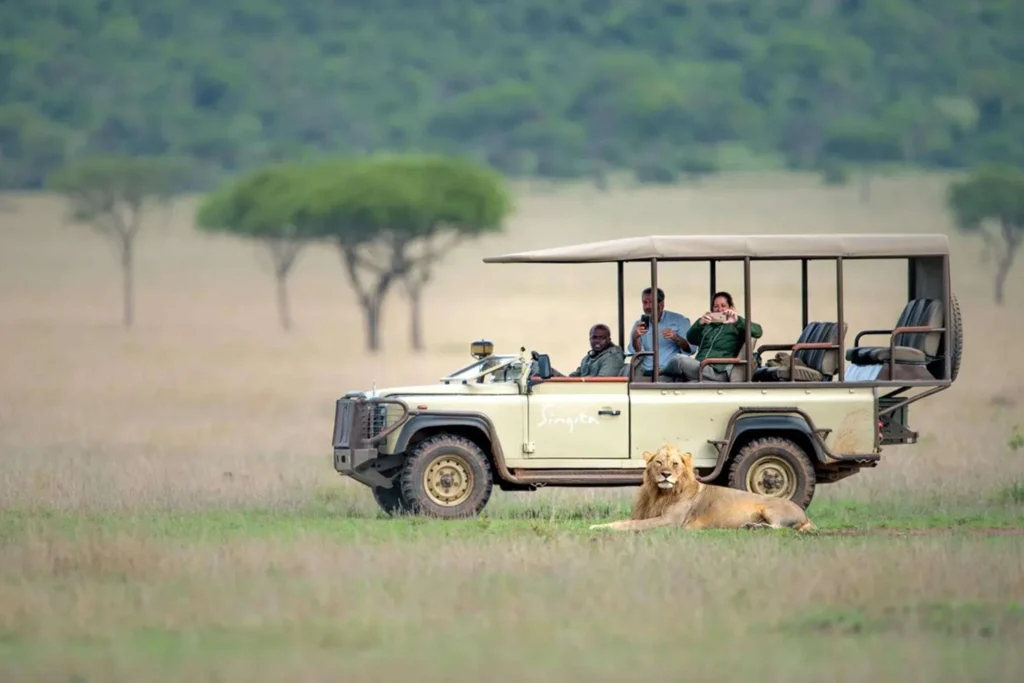
Game drives are the heart of any visit, but there is more to do than sit in a vehicle all day.
- Morning and afternoon game drives: the best times for predators, with a rest at camp through the midday heat.
- Full-day drives with a picnic lunch: ideal when the herds are far from camp or you want to reach a river crossing point.
- Hot-air balloon safaris: a dawn flight over the plains, usually followed by a bush breakfast. These are booked in advance and operate in several areas of the park.
- Guided walks: some camps and areas offer short walks with armed rangers, a different way to learn about tracks, plants and insects.
- Kopje visits and cultural stops: granite outcrops such as the Moru Kopjes hold rock art and are good places to scan for lion and leopard, and Maasai villages can be visited on the way to or from Ngorongoro.
Game Drive Tips for Serengeti National Park Tanzania
Distances here are huge, so plan your drives around the season’s hotspots rather than trying to see everything. Leave early, carry plenty of water and be patient at sightings — the best moments often come after twenty minutes of waiting. Off-road driving is restricted in most areas, so trust your guide’s positioning and respect any instructions from rangers.
Serengeti Safari Costs: What Affects the Price
The cost of a trip to Serengeti National Park Tanzania depends on the season, the standard and location of your camp, how many nights you stay and whether you fly or drive between parks. Peak-season dates and mobile camps near the herds cost more, while the long rains bring lower rates. Park fees are charged per day, so longer stays add up.
Sharing a private vehicle within your group, travelling slightly outside peak weeks and combining flights efficiently all help. Our package pages show current prices, and we can tailor a quote to your dates and budget.
Responsible Visiting
- Stay in the vehicle except at designated sites, camps and walking areas.
- Keep noise low and give animals space, especially at river crossings where crowding can stop the herds from crossing.
- Do not feed wildlife or leave litter.
- Respect local communities and ask before taking photographs of people.
Who the Serengeti Suits
Serengeti National Park Tanzania suits first-time safari travellers who want the classic African plains experience, photographers chasing big cats and river crossings, and repeat visitors to Kenya who want to see the migration from the other side. Families do well in the central lodges, while honeymooners often pair the park with Zanzibar. If you have under a week and are starting in Nairobi, the Masai Mara may be the simpler option.
Plan Your Serengeti Safari
The Serengeti is one of Africa’s great bucket-list destinations and a place that rewards as many visits as you can give it. Whether you are a first-time East Africa visitor planning a Tanzania-focused trip, or a Kenya regular looking to cross the border for a new perspective, we can design a Serengeti itinerary that puts you in the right zone at the right time and in the right camps. Our team works across Kenya and Tanzania — let us build your perfect East Africa circuit.
Serengeti FAQs
When is the best time to visit Serengeti National Park Tanzania?
Late June to October is the classic dry season, with easy game viewing and river crossings in the north. January to March is calving season in the south, with excellent predator action. The park is rewarding all year, so the best time depends on which part of the migration and which zone you most want to see.
How many days do you need in the Serengeti?
Three nights is a sensible minimum for one zone of Serengeti National Park Tanzania, giving you several full days of game drives. Four to six nights lets you combine two zones, such as Seronera and the north. Adding Ngorongoro Crater or the Masai Mara turns it into a well-rounded East Africa safari of eight to ten days.
Can you visit the Serengeti from Kenya?
Yes. You can fly from Nairobi to Kilimanjaro or Arusha and continue by light aircraft, or travel overland through the Namanga border to Arusha. The direct border between the Masai Mara and the Serengeti is not open to tourist traffic, so most combined trips connect by air or via Arusha.
Is the Serengeti better than the Masai Mara?
Neither is simply better. The Serengeti is far larger and hosts the herds for most of the year, including calving season. The Masai Mara is smaller, easier to reach from Nairobi and often better for river crossings from July to October. Many travellers combine both to see different stages of the migration.
Is Serengeti National Park Tanzania safe for visitors?
Yes. The park is a well-managed, popular destination, and guided safaris with experienced operators have an excellent safety record. The main rules are simple: stay in the vehicle unless your guide says otherwise, follow camp instructions after dark, and use insect repellent. Check official travel advice for Tanzania before you go.
Do I need a visa to visit the Serengeti?
Most visitors need a Tanzanian visa, which many nationalities can apply for online before travel. If you are combining Kenya and Tanzania, you will need the right entry documents for both countries. Check the latest official guidance before you book, as rules and fees can change.
Or call us: +254 799 160 081 — we love planning great safaris.