
Knowing what to pack for an African safari comes down to three things: neutral, layered clothing for cold dawns and hot middays, good optics for seeing wildlife up close, and a soft bag light enough for small safari aircraft. This 2026 checklist covers all of it, item by item.
In short: when deciding what to pack for an African safari, choose earth-tone clothes in layers, a warm fleece, a wide-brimmed hat, broken-in walking shoes, binoculars, a camera with a zoom lens, spare batteries, sunscreen, insect repellent, your medication and your travel documents, all in a soft duffel bag. Most camps offer laundry, so you need less than you think.
Packing for an African safari is one of the most enjoyable parts of the planning process — and one of the most important. The right gear makes the difference between a game drive spent squinting at distant animals and one where you see every detail of a leopard’s spots as it descends from a sausage tree fifty metres away. Between a cold, under-dressed dawn drive and a warm, comfortable morning watching lions emerge from the grass as the sun rises. This guide covers everything you need for an African safari, for any destination and any season.
For Masai Mara-specific packing advice including the light aircraft luggage restriction, see our detailed Masai Mara packing guide. This guide covers the broader African safari context — Kenya, Tanzania, Uganda, Rwanda, and beyond.
Table of Contents
What to Pack for an African Safari: The 10 Essentials
If you only remember one list about what to pack for an African safari, make it this one. These are the items our guides most often see travellers wish they had brought:
- A warm fleece or light down jacket for early morning and evening drives.
- Neutral, long-sleeved shirts and trousers for sun and insect protection.
- A wide-brimmed hat and polarised sunglasses for the open vehicle.
- Binoculars, ideally one pair per person.
- A camera with a zoom lens, plus spare batteries and memory cards.
- A power bank and charging cables, as power in camps can be limited.
- High-SPF sunscreen and insect repellent with DEET.
- Personal medication, including any malaria tablets your doctor prescribes.
- Passport, travel authorisation and insurance documents, printed and digital.
- A soft duffel bag that meets light aircraft rules.
The Most Important Packing Rule: Neutral Colours Only
Every item of clothing you pack for an African safari should be in neutral, earth-tone colours: khaki, tan, olive, beige, brown, and muted green. This serves two functions. First, wildlife is generally less disturbed by vehicles and people dressed in colours that blend with the savannah. Second, dust, red soil, and the general outdoor environment of a safari will mark light or bright clothing heavily. Neutral colours simply work better on safari in every practical sense.
Avoid: White (dust and soil visibility), black (heat absorption, potentially unsettling to some wildlife), blue (reportedly attracts tsetse flies in some regions), and absolutely avoid camouflage patterns — these are illegal in Kenya and several other African countries and will cause problems at borders and checkpoints.
For more on why the classic safari look exists, read our guide to why safari clothes are khaki.
Clothing Checklist
For a 7–10 day safari:
- 3–4 lightweight, long-sleeve safari shirts (sun and insect protection)
- 2–3 short-sleeve t-shirts or shirts (for hot midday hours at camp)
- 2 pairs of lightweight safari trousers (zip-off convertible styles are practical)
- 1 pair of shorts (for afternoon downtime at camp)
- 1 quality fleece or mid-layer jacket (non-negotiable for dawn drives — even in the dry season the Mara can be 10°C at 06:00)
- 1 lightweight waterproof jacket or wind shell (for unexpected showers and cool-season evenings)
- Warm hat or beanie (for very early morning drives in cooler months)
- Wide-brimmed hat or cap with neck coverage (for sun protection in open vehicles)
- Polarised sunglasses (excellent for glare reduction and helps with photography through glass)
- 1–2 evening outfits for camp dinners (most camps are casual; smart-casual at the most formal luxury lodges)
- Thermal base layer (if travelling June–August when pre-dawn temperatures can drop significantly)
Footwear
- Broken-in, comfortable walking shoes or light hiking shoes — your primary footwear. Do not bring brand-new boots you have not tested.
- Sandals or flip-flops — for camp relaxation and shower rooms.
- Ankle boots (optional) — if you plan multiple guided bush walks, proper ankle support is worthwhile.
Camera and Photography Equipment
An African safari produces more photographic opportunity per hour than almost any other experience on earth. Investing in good optical equipment makes a permanent difference to the memories you take home.
- Camera body: Any modern DSLR, mirrorless, or bridge camera. A camera that handles high ISO well is advantageous for low-light dawn and dusk shooting.
- Telephoto lens: A 100–400mm or 150–600mm zoom covers most safari situations. A 300mm prime is exceptional if you are a serious wildlife photographer. Budget photographers: a 70–300mm kit lens still delivers good results at closer distances.
- Wide/standard lens: A 24–105mm or similar for landscape shots, camp life, and context images.
- Extra batteries: 2–3 spare batteries per camera body. Cold mornings and full days drain batteries fast.
- High-capacity memory cards: Multiple 128GB or 256GB cards. Wildlife action moves fast; run out of space at the wrong moment and you will not forgive yourself.
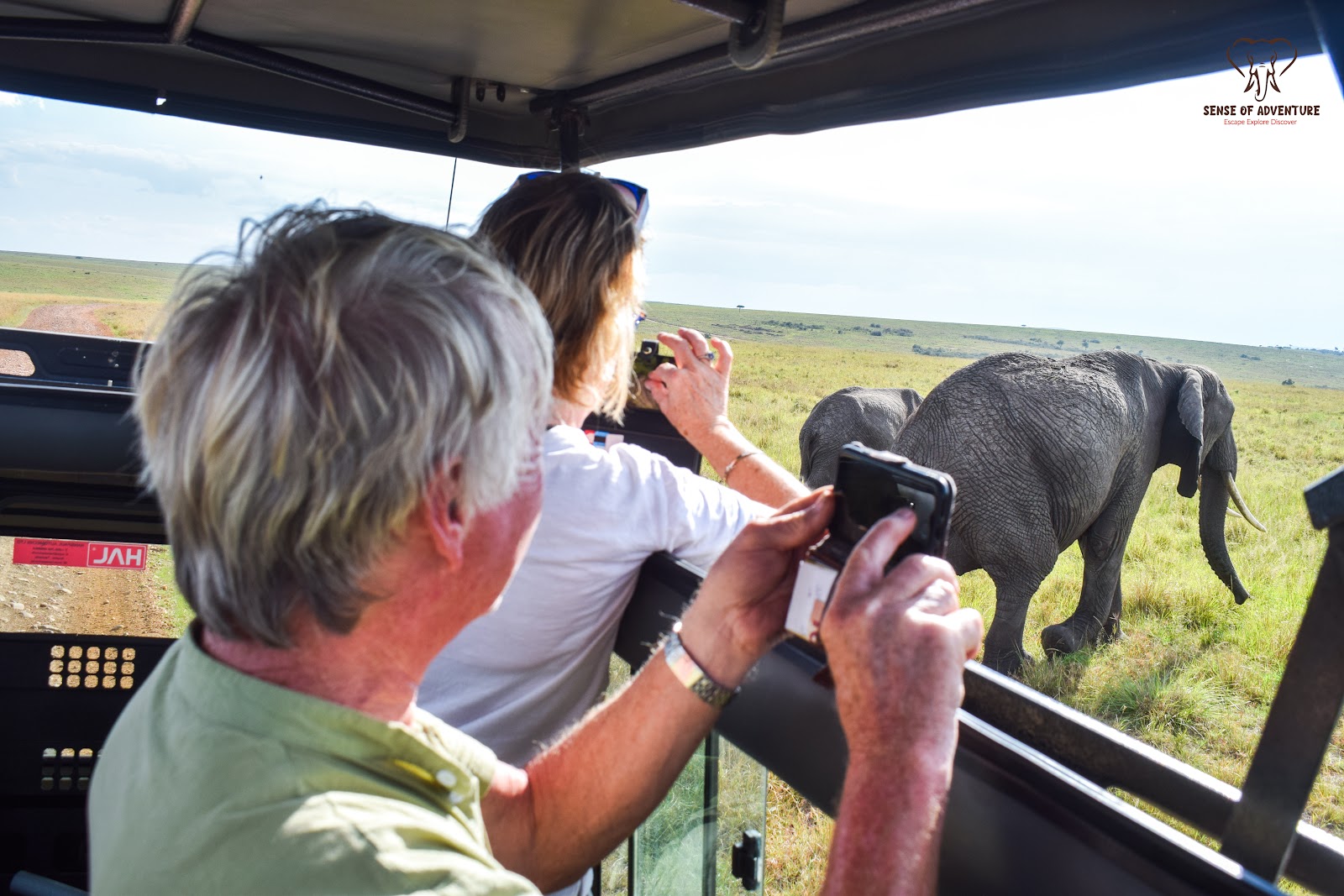
- Bean bag: A partially-filled bean bag rested on the vehicle door or roof rail is the most practical and effective camera support for a game drive. Far better than a traditional tripod in a moving vehicle context.
- Dust protection: A Ziploc bag or dedicated camera bag that seals fully. Safari roads in dry season produce extraordinary quantities of fine red dust.
- Lens cleaning kit: Lens wipes, a blower, and a microfibre cloth.
- Binoculars: An excellent quality pair (8×42 or 10×42) is genuinely transformative for wildlife observation. Not optional for the serious safari traveller.
- Portable power bank: For charging during full-day drives when lodge power is not accessible.
Our camera gear and lens checklist for a Kenya safari goes deeper into lens choice, and our guide to electricity, charging and Wi-Fi at safari camps explains what power to expect.
Health, Medical, and Hygiene
- Malaria prophylaxis: Consult your doctor or travel clinic at least 6 weeks before departure. The most commonly prescribed are atovaquone-proguanil (Malarone), doxycycline, or mefloquine. Take the recommended course before, during, and after your trip.
- DEET insect repellent: 30–50% DEET concentration. Apply to exposed skin at dawn and dusk — the highest mosquito activity periods.
- High-SPF sunscreen: SPF 50+ minimum. Equatorial sun is intense even through cloud cover, and the open-sided game vehicle provides no shade overhead.
- Lip balm with SPF
- Hand sanitiser
- Personal prescription medication: Pack in original packaging with your prescription documentation. Carry in hand luggage — never check critical medication.
- Antihistamines: For insect bites, dust allergies, and plant reactions.
- Rehydration sachets: Useful if you experience heat exhaustion or stomach upset.
- Anti-diarrhoeal tablets and antacids
- Basic first aid: Blister plasters, adhesive bandages, antiseptic wipes, paracetamol and ibuprofen.
- Eye drops: Dust on game drives can be irritating to eyes, especially for contact lens wearers.
- Prescription glasses or contact lens supplies: If you wear contacts, pack daily disposables for dusty game drives and glasses as backup.
For general travel health guidance on vaccines and malaria, the World Health Organization is a reliable starting point, but always take personal advice from your own doctor or travel clinic.
Documents and Admin
- Passport — valid for 6+ months beyond your travel dates
- Kenya Electronic Travel Authorisation (eTA), applied for only through the official etakenya.go.ke site, or East Africa Tourist Visa if visiting multiple countries
- All booking confirmations, lodge vouchers, and itinerary documents — printed and digital
- Travel insurance documents, including medical evacuation policy number and emergency contact
- Yellow fever vaccination certificate (required when entering Kenya from certain countries)
- Cash — USD is widely accepted and often preferred for tipping and smaller transactions in safari areas. KES for local markets and towns.
- Credit/debit card for Nairobi purchases and any hotel supplementary charges
Entry rules change from time to time, so check the official eTA site shortly before you travel. Our guides to Kenya visa requirements and the eTA and Kenya mandatory travel insurance explain the current steps in plain English.
Luggage for Light Aircraft (Critical)
If your itinerary involves light aircraft flights between destinations — which applies to most Kenya safaris flying from Nairobi to the Masai Mara, Samburu, or Laikipia — there is a strict 15kg soft-bag-only luggage allowance. No wheeled hard suitcases are permitted on light aircraft. Pack in a soft duffel, a roll-top bag, or a soft-sided safari holdall that can be folded into the aircraft hold. A small day pack or camera bag is allowed as your carry-on during the flight.
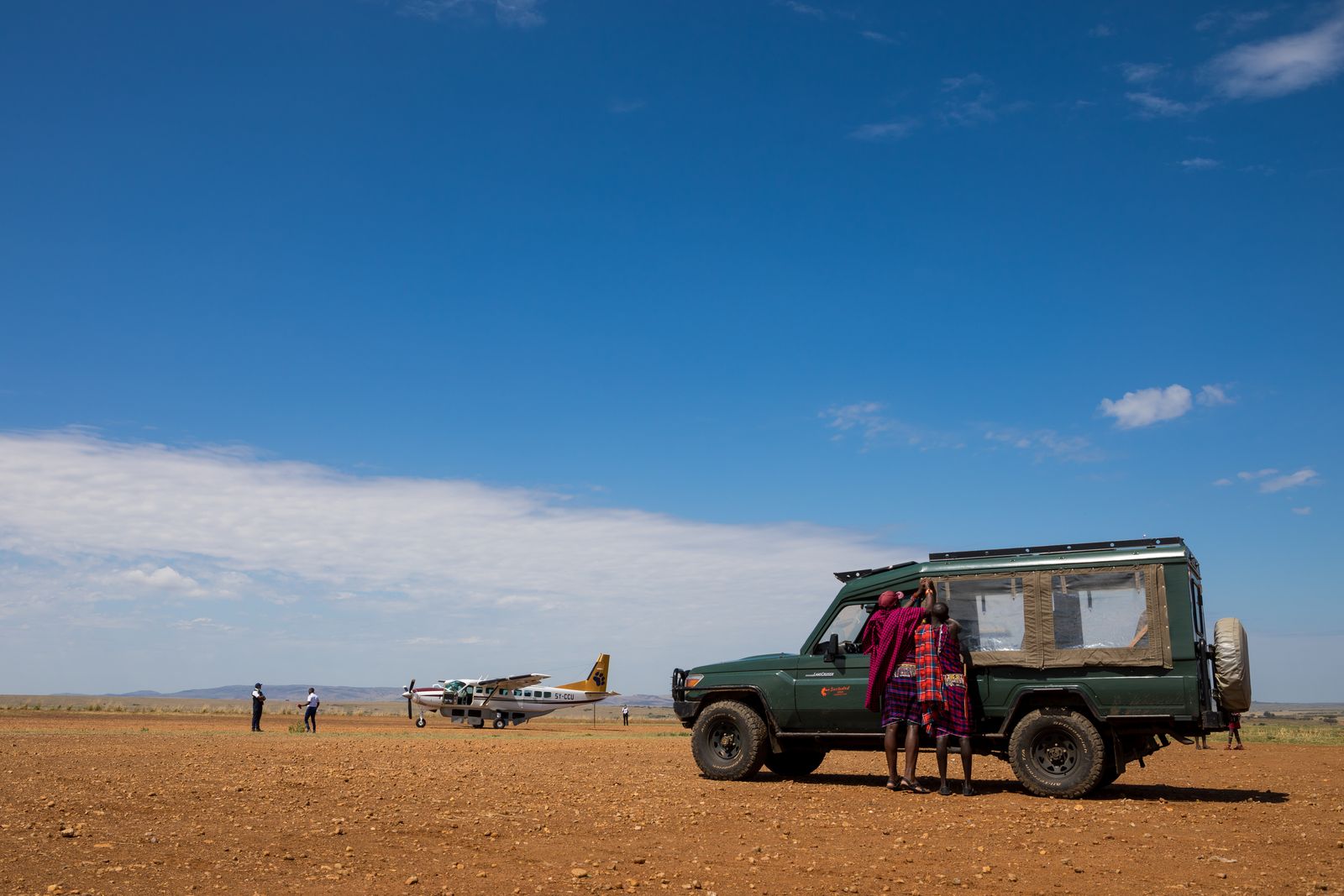
See our full guide to safari luggage weight limits on small aircraft for how the rules work in practice, and ask us about storing extra luggage in Nairobi if you are continuing to the beach or another country.
What to Pack for an African Safari by Season and Destination
The core list of what to pack for an African safari stays the same across East Africa, but a few changes make a big difference depending on when and where you travel.
What to pack for an African safari in the dry season
From late June to October, and again in January and February, days are dry and sunny but mornings can be surprisingly cold, especially in the highlands and the Masai Mara. Bring a warm fleece, a beanie and light gloves for dawn drives. Dust is the main challenge, so pack a buff or light scarf for your face, eye drops and extra lens cloths.
Green season and rainy months
During the long rains (roughly March to May) and the short rains (around November), showers usually come in the afternoon or overnight. Add a proper waterproof jacket, quick-dry trousers and a waterproof cover for your camera bag. Mosquitoes are more active after rain, so be consistent with repellent and long sleeves in the evening. Our green season safari guide explains what to expect.
Gorilla trekking in Uganda and Rwanda
Gorilla treks take place in steep, wet mountain forest, so your packing changes. Bring sturdy waterproof hiking boots, long trousers you can tuck into your socks, a long-sleeved top, a rain jacket and a pair of gardening-style gloves for gripping vegetation. A small backpack with water and snacks is essential. Read our gorilla trekking in Rwanda guide before you go.
Adding a beach stay
If you are finishing on the Kenyan coast or in Zanzibar, pack swimwear, reef-safe sunscreen and light, modest clothing for towns such as Lamu and Stone Town, where covering shoulders and knees is respectful. Keep beach items in a separate bag so they can be stored while you are on safari.
Packing for Children and Older Travellers
When working out what to pack for an African safari with children, remember that they feel the cold on early drives more than adults, so pack an extra layer, a hat and gloves for them. A small pair of children’s binoculars, a wildlife spotting book and a reusable water bottle keep them involved. Bring any familiar snacks and child-strength sunscreen and repellent, as these can be hard to find in remote areas.
Older travellers should pack medication for the whole trip plus a few spare days, a list of prescriptions, a cushion or support for long drives if needed, and comfortable, supportive shoes for getting in and out of vehicles. If mobility is a concern, read our guide to mobility-accessible safaris in Kenya.
Practical Packing Tips From Our Guides
These small extras rarely appear on lists of what to pack for an African safari, but they make daily life in camp much easier:
- Plug adaptors: Kenya, Uganda and Tanzania mainly use UK-style three-pin sockets. Bring a universal adaptor if you are travelling between several countries.
- Reusable water bottle: most camps provide filtered water for refills, which cuts down on plastic.
- No plastic carrier bags: Kenya banned single-use plastic carrier bags in 2017, so use zip-lock or fabric bags for toiletries and dirty laundry.
- Small notes for tips: carry some small US dollar notes or Kenyan shillings for guides, camp staff and porters.
- Headtorch: paths between tents and the main area can be dark at night, and many camps use limited lighting.
- Copies of documents: keep photos of your passport, eTA and insurance on your phone and in your email.
What to Leave at Home
Part of knowing what to pack for an African safari is knowing what not to bring:
- Hard-sided suitcases
- Bright, white, or camouflage clothing
- Heavy or bulky toiletries (most camps provide shampoo, conditioner, and body wash)
- Valuable or irreplaceable jewellery
- Strongly scented perfumes, colognes, or body sprays
- Drones (banned without permits in Kenyan national parks)
One Final Tip
Many safari camps offer a same-day laundry service — often included in the package rate. This means you can pack lighter than you might think, knowing clean clothes will be returned to your tent by evening. For a 10-day safari, 4–5 days’ worth of clothing with laundry service is entirely sufficient. When in doubt, pack less. The aircraft allowance and the camp laundry are both working in your favour.
For specific destination packing context, see our complete Masai Mara packing guide. When you are ready to plan your safari itself, our team at Sense of Adventure will handle every detail from itinerary design to pre-departure briefings that include real-time advice on what to bring for your specific dates and destinations.
Ready to put your packing list to use? Popular trips include the 6 Day Kenya Safari, the Fly-in Masai Mara Luxury Safari (where the soft-bag rule applies) and the Uganda Bwindi Gorilla Trek.
What to Pack for an African Safari: Frequently Asked Questions
What should I wear on a game drive?
Wear neutral, breathable layers: a long-sleeved shirt, light trousers, a fleece for the cold start and a wide-brimmed hat. Add sunglasses and closed, comfortable shoes. Mornings can be cold and middays hot, so layers you can remove one by one are far more useful than a single heavy jacket.
How much luggage can I take on a safari flight?
Most light aircraft flights to safari airstrips in Kenya allow around 15kg per person in a soft bag, and hard suitcases are not accepted. Limits can vary by airline and route, so check your tickets. If you have extra luggage, it can usually be stored in Nairobi until you return.
Do I need special clothes when deciding what to pack for an African safari?
No. You do not need expensive safari-brand clothing. Ordinary outdoor clothes in khaki, olive, tan or brown work perfectly. Avoid camouflage, bright colours and lots of white or black. Choose quick-dry fabrics, because most camps offer laundry and you can wash and rewear items several times.
Should I bring binoculars on safari?
Yes. Binoculars are one of the most valuable items on any safari packing list. Animals are often further away than you expect, and birds are small. A pair rated 8×42 or 10×42 suits most travellers. Ideally bring one pair per person, so nobody misses a sighting while waiting their turn.
Is it worth asking my operator what to pack for an African safari?
Yes, especially if you are combining several countries, travelling in the rainy season or flying between camps. Your operator knows the exact temperatures, luggage limits and camp facilities on your route. At Sense of Adventure, we send a pre-departure briefing with a packing list for your specific dates and destinations.
Still unsure what to pack for an African safari on your dates? Send us your itinerary and travel month, and our team will check your list against the weather, camp facilities and luggage limits on your route.
Or call us: +254 799 160 081 — we are happy to help plan your safari.