
Introduction: Witness the Great Wildebeest Migration in Motion
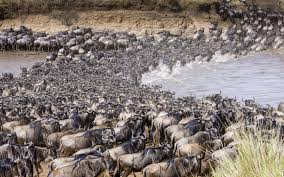
The Great Wildebeest Migration safari in Kenya is one of the most extraordinary wildlife events on Earth. Each year, over 1.5 million wildebeests, accompanied by hundreds of thousands of zebras and gazelles, move across the vast plains of East Africa in search of fresh grazing and water, known as the Great Wildebeest Migration safari. This continuous journey spans from the Serengeti in Tanzania to the Maasai Mara National Reserve, creating one of the most dramatic and sought-after safari experiences in the world.
For travelers planning a safari in Kenya or Tanzania, understanding the wildebeest migration, its timing, routes, and key moments, is essential to experiencing it at its best.
What is the Wildebeest Migration
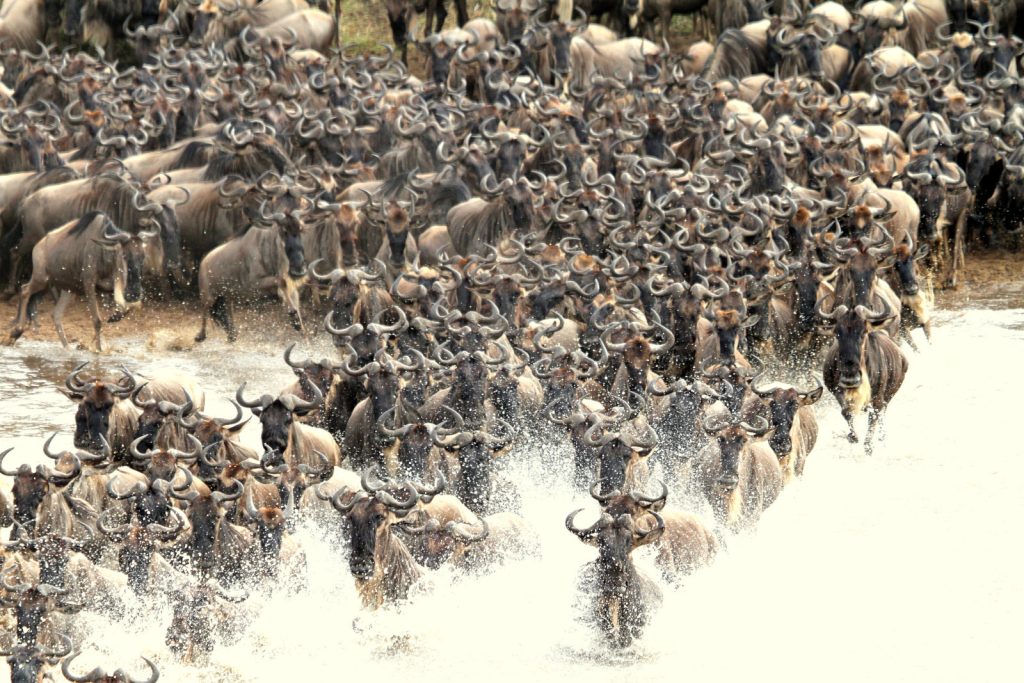
The wildebeest migration is a year-round circular movement of animals across the Serengeti-Mara ecosystem. Driven by rainfall patterns and the availability of grass, the herds follow a natural rhythm that has existed for thousands of years.
This migration is not a one-time event but a continuous cycle, featuring different highlights throughout the year, from calving season in the south to river crossings in the north.
Key Facts
- Over 1.5 million wildebeests migrate annually
- Accompanied by zebras, gazelles, and other herbivores
- Predators such as lions, cheetahs, and crocodiles follow the herds
- Covers over 1,800 miles annually
The Migration Route Explained
Southern Serengeti (Calving Season: January – March)
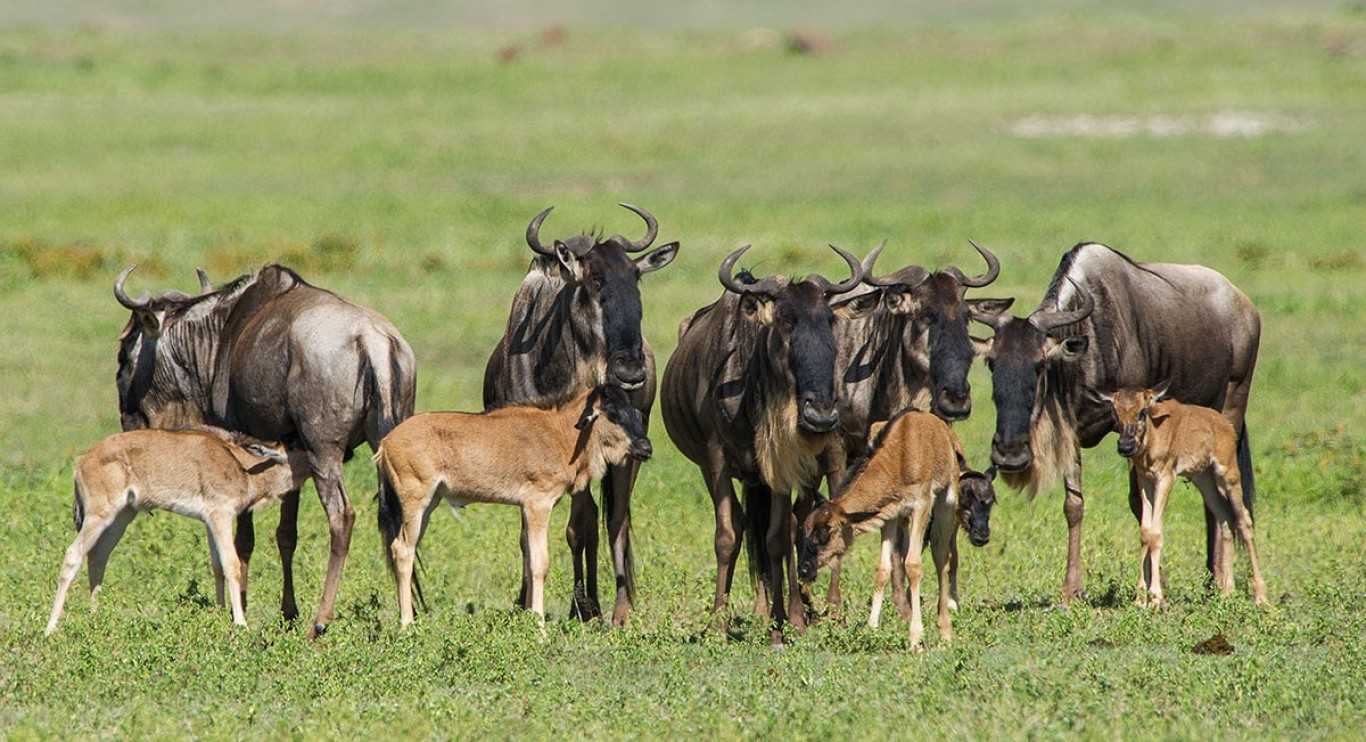
The Great Wildebeest Migration safari begins in the southern plains of the Serengeti, where fertile grasslands provide ideal conditions for calving. During this period, thousands of wildebeest calves are born daily, attracting predators and creating intense wildlife action.
This is one of the best times for:
- Predator sightings
- Wildlife photography
- Witnessing newborn animals
Central and Western Serengeti (April – June)
As the rains end, the herds begin moving north and west. The journey becomes more intense as animals travel in large columns, searching for greener pastures.
The western corridor offers:
- River crossings at the Grumeti River
- Fewer crowds compared to peak season
- Diverse wildlife viewing opportunities
Northern Serengeti to Maasai Mara (July – October)
This is the most famous phase of the migration, when the herds cross into Kenya’s Maasai Mara National Reserve.
Mara River Crossings
The Mara River crossings are the highlight of the migration:
- Thousands of wildebeests gather at riverbanks
- Sudden, dramatic crossings occur
- Crocodiles lie in wait
- Survival instincts are on full display
This period is considered the peak safari season and is highly sought after by travelers.
Return Journey (November – December)
As the short rains begin, the herds gradually move back south into the Serengeti, completing the cycle.
This phase offers:
- Fewer tourists
- Lush green landscapes
- Relaxed wildlife viewing
Serengeti vs. Masai Mara: Which is Better?
A common question for travelers is where to book their stay. The truth? Both offer unique perspectives on the Great Wildebeest Migration safari.
| Feature | Serengeti National Park (Tanzania) | Masai Mara National Reserve (Kenya) |
| Best For | Calving season (Jan–Mar) and vast landscapes. | High-drama river crossings (July–Oct). |
| Scale | Larger ecosystem; you can get away from the crowds. | More compact; high density of wildlife in a smaller area. |
| Wildlife | Excellent for the “Big Five” and massive herds. | Famous for its big cat populations (lions, leopards). |
| Access | Often requires bush flights or long drives. | Easily accessible from Nairobi via road or flight. |
Why the Great Wildebeest Migration Safari is Unique
The Great Wildebeest Migration safari is often described as one of the Seven Natural Wonders of Africa. What makes it truly special is its scale, unpredictability, and raw intensity.
1. Sheer Numbers
Few wildlife events compare to the sight of millions of animals moving together across open plains.
2. Predator-Prey Interaction
The Great Wildebeest Migration safari attracts a high concentration of predators, making it one of the best opportunities to witness:
- Lion hunts
- Cheetah chases
- Crocodile ambushes
3. Natural Cycle
The migration is entirely driven by nature, with no fixed schedule. This unpredictability adds to its authenticity and excitement.
Best Time to See the Great Wildebeest Migration
Choosing the right time depends on what you want to experience:
- January – March: Calving season in Serengeti
- April – June: Movement through central and western Serengeti
- July – October: River crossings in Maasai Mara
- November – December: Return to Serengeti
For travelers focused on Kenya, July to October is the ideal time to witness the migration in the Maasai Mara National Reserve.
Where to Stay During the Migration
Maasai Mara Camps and Lodges
Staying close to migration routes increases your chances of seeing dramatic wildlife action. Options include:
- Luxury tented camps
- Mid-range safari lodges
- Private conservancy camps
Choosing camps near the Mara River provides the best access to crossing points.
Safari Experience During the Migration
Game Drives
Game drives during the migration are:
- Dynamic and unpredictable
- Guided by expert trackers
- Focused on locating herds and crossings
Photography Opportunities
The migration offers world-class photography:
- Dramatic landscapes
- High-action wildlife scenes
- Golden-hour lighting
Private vs Group Safaris
- Private safaris offer flexibility and exclusivity
- Group safaris provide a more budget-friendly option
Practical Tips for Planning a Migration Safari
Book Early
Migration season is highly popular. Lodges and camps fill up quickly, especially between July and October.
Choose the Right Location
Work with an experienced operator to select camps based on herd movement.
Pack Appropriately
- Neutral clothing
- Camera equipment
- Binoculars
- Sunscreen and hat
Be Patient
The migration is unpredictable. Patience often leads to the most rewarding experiences.
Conservation and Sustainability
The Serengeti-Mara ecosystem is one of the most important conservation areas in the world. Responsible tourism plays a vital role in protecting this natural phenomenon.
By choosing ethical safari operators, travelers contribute to:
- Wildlife conservation
- Community development
- Sustainable tourism practices
Why Include the Migration in Your Safari
A safari during the wildebeest migration offers:
- Unmatched wildlife density
- Dramatic natural events
- A deeper understanding of ecosystems
It is not just a safari, it is a once-in-a-lifetime experience that showcases the raw power and beauty of nature.
Final Thoughts
The Great Wildebeest Migration is a powerful reminder of nature’s rhythm and resilience. From the calving plains of the Serengeti to the dramatic river crossings in the Maasai Mara National Reserve, every stage of the journey offers something unique.
For travelers seeking an unforgettable safari, witnessing the wildebeest migration is one of the most rewarding experiences Africa has to offer.
Plan Your Wildebeest Migration Safari
Ready to experience the Great Migration?
Contact Sense of Adventure to plan your tailor-made wildebeest migration safari in Kenya or Tanzania, designed around your travel dates and preferences.
