
Choosing where to stay in the Masai Mara is one of the most important decisions you will make when planning your safari — and one of the most enjoyable ones. The right camp shapes everything: the quality of your guiding, your proximity to wildlife, the intimacy of your experience, and the memories you carry home. The Mara has accommodation options spanning every budget and style, from simple tented camps to some of the most exclusive safari lodges in Africa.
This guide covers the key decision points — inside the reserve versus the conservancies, permanent lodges versus seasonal tented camps, and our picks at each budget level. For context on overall safari planning, start with our Ultimate Masai Mara Safari Guide. For timing advice that should inform your camp choice, see our guide to the best time to visit Masai Mara.
The Most Important Decision: Inside the Reserve or the Conservancies?
The Masai Mara National Reserve is flanked on three sides by community conservancies: Olare Motorogi Conservancy (northwest), Naboisho Conservancy (northwest), Ol Kinyei Conservancy (east), Mara North Conservancy (north), and several others. Both the reserve and the conservancies offer exceptional wildlife viewing — but the experience differs significantly.
Inside the Masai Mara National Reserve: Higher wildlife density overall, the only area where off-road game driving is legally permitted (meaning guides can follow predators directly to the action), and the best access to the Mara River for migration crossings. More vehicles during peak season, but a skilled guide minimises the impact. No night drives or walking safaris permitted.
Community Conservancies: Access restricted to guests of affiliated lodges only — meaning far fewer vehicles per sighting. Night game drives and guided walking safaris permitted. Conservation fees go directly to Maasai landowners. The experience is typically more intimate, personal, and exclusive. Some conservancy camps are positioned farther from the main Mara River, requiring longer drives during migration season.
Our recommendation for many travellers: split your time. Begin in a conservancy camp for the exclusive, unhurried experience — then move to a reserve-based camp for migration crossing access and maximum wildlife density. The best of both worlds.
Types of Accommodation: Lodges vs. Tented Camps
The Masai Mara’s accommodation broadly splits into two styles:
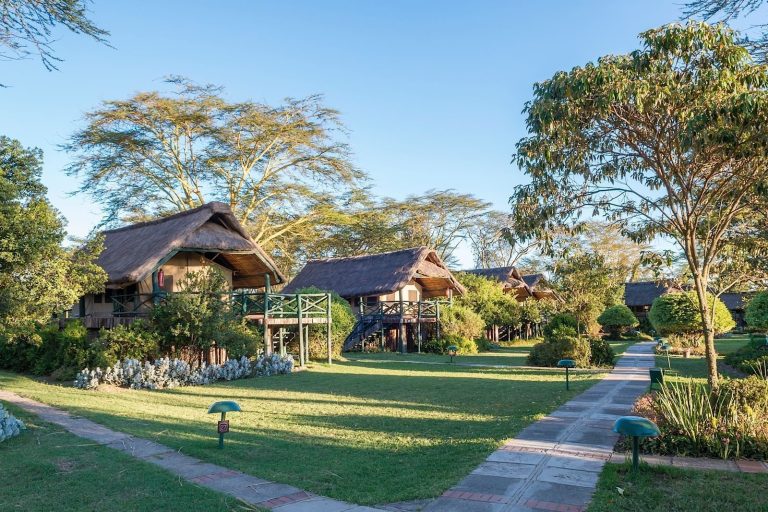
Permanent lodges have brick or stone construction, fixed roofs, and a more hotel-like feel. They tend to be larger (more guests), offer more facilities (pools, spa, bars), and are less seasonal in their operation. They provide comfort and amenity, though they can feel slightly less immersive in the bush environment.
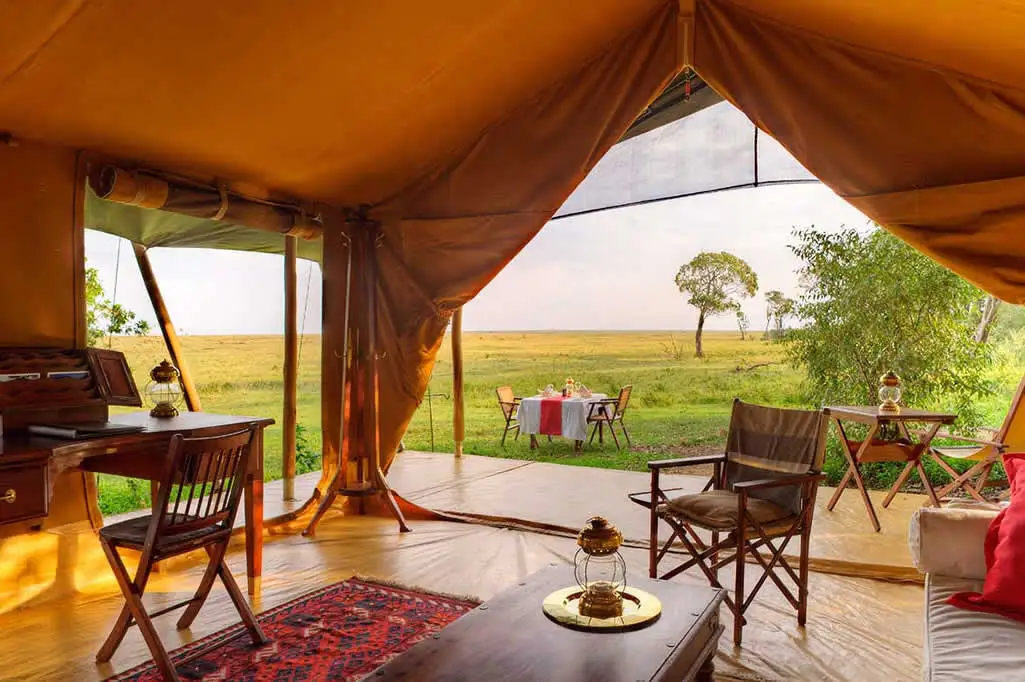
Tented camps — the iconic East African safari accommodation — use large canvas tents on raised wooden platforms with proper en-suite bathrooms, real beds, and often open-fronted designs that let the sounds and smells of the bush into the room. At the luxury end, these tents are genuinely spectacular: with standalone bathtubs overlooking the plains, wood-fired showers, and private verandahs. Even at mid-range level, a quality tented camp delivers an authentically immersive safari experience that many travellers prefer over any lodge.
Budget Options: Great Value, Great Wildlife
Budget camps in the Masai Mara are typically located outside the reserve boundaries near Sekenani, Talek, or along the Mara River’s outer approaches. At $150–$350 per person per night (including full board and game drives), expect comfortable-but-simple en-suite tented accommodation, good meals, knowledgeable local guides, and shared game drive vehicles. The wildlife access is the same ecosystem — the animals do not respect camp price categories — and a good budget camp will give you long, satisfying game drives through the Mara’s extraordinary landscapes.
Key things to look for at this price point: guide experience (ask how long the lead guide has been operating in the Mara), vehicle quality and maintenance, and whether the camp has its own vehicles or uses third-party drivers who may be less invested in the experience.
Mid-Range Options: The Safari Sweet Spot
The mid-range bracket ($350–$700 per person per night) is where the Masai Mara experience truly becomes special. At this level, camps are typically smaller (8–20 tents), guiding is more personalised, vehicles are better-maintained with higher sides for better game viewing, and meals are a genuine culinary experience. Some mid-range camps sit within conservancies — giving you night drive access and the conservancy’s low-vehicle-density experience at prices well below the full luxury camps.
Common inclusions at mid-range: all meals, morning and evening game drives, park or conservancy fees (sometimes), and laundry. Ask specifically whether park fees are included in the quoted rate, as this varies by camp and makes a significant difference to the overall cost.
When comparing mid-range camps, consider location carefully. A camp positioned near the Mara River is invaluable during migration season (July-October). A conservancy camp with night drive access might be preferable outside migration season. Talk to our team about which location suits your specific travel dates — this is where local knowledge delivers real value.
Luxury Options: World-Class Camps
The Masai Mara’s luxury camps ($700–$2,500+ per person per night) are among the finest safari camps in the world — not merely because of their physical beauty (though that is extraordinary), but because of the total experience they deliver. Private game drives in exclusive vehicles with dedicated specialist guides. Bush dinners under the stars with a full dining table, candles, and staff who remember your name and your preferences from breakfast. Bespoke itineraries built around your interests — whether that is photography, birding, big cat behaviour, or the ancient ecology of the Mara-Serengeti system.
At this level, expect ultra-private plunge pools, handcrafted furnishings, and an environmental commitment that means your stay actively funds wildlife conservation and Maasai community development. The best luxury camps in the Mara have a waiting list during peak season — book 12 months ahead.
Camp Location Tips by Season
- July – October (Migration): Prioritise camps near the Mara River (northern reserve or Mara North Conservancy) for crossing access.
- January – March (Green season): Any location delivers well; conservancy camps offer more intimacy during this quieter period.
- April – June (Long rains): Check which camps remain open. River-adjacent camps can be atmospheric in the rain and often offer their best seasonal rates.
- November – December: Conservancy camps shine — low crowds, night drives, excellent resident wildlife, and beautiful post-rain landscapes.
A Note on Booking Channels
Booking directly through a Kenya-based operator like Sense of Adventure consistently delivers better value than booking through international aggregators. We have direct relationships with camps across all budget levels, can often access rates not publicly listed, and — crucially — we can advise you genuinely on which camps are performing well right now, which guides are the best in the field, and which locations suit your specific dates and priorities. There is a reason our repeat client rate is high: we give honest advice and stand behind every camp we recommend.
For budget planning context, see our full breakdown of how much a Masai Mara safari costs including park fees, transfers, and optional extras. And when you are ready to talk specifics, reach out — we love this part of the process.
Or call us directly: +254 700 000 000 — we are always happy to help.