
Of all Kenya’s national parks, Hell’s Gate National Park is the one that most consistently surprises first-time visitors — and the one that most consistently converts sceptics into enthusiasts. The surprise? You can cycle through it. On a regular bicycle, with no armed ranger escort, moving freely among giraffe, zebra, buffalo, and warthog in a landscape of dramatic volcanic gorges, towering rock towers, and geothermal steam vents that look like they belong on another planet.
Hell’s Gate is one of the very few national parks in Kenya where visitors can walk and cycle freely without a vehicle. The park has no resident lions and leopards are very rarely seen — which is why unescorted access is permitted — while it supports a remarkable concentration of other wildlife and some of the most visually dramatic landscapes in the East African Rift Valley. It is a destination unlike anything else in Kenya, and a perfect complement to a traditional game drive safari.
Where Is Hell’s Gate National Park?
Hell’s Gate National Park sits in Kenya’s Rift Valley, approximately 90 kilometres northwest of Nairobi and just 1.5 kilometres south of Lake Naivasha. The park covers 68.25 square kilometres — compact by Kenyan standards — and is accessible as a day trip from Nairobi or as part of a Rift Valley circuit that combines it with Lake Naivasha, Lake Nakuru, and potentially Lake Bogoria. The proximity to Nairobi makes Hell’s Gate the most accessible of Kenya’s Rift Valley parks and one of the best destinations for travellers with limited time.
Hell’s Gate National Park at a Glance
- Location: southern shore of Lake Naivasha, in the Great Rift Valley.
- Size: 68.25 square kilometres of grassland, cliffs and gorges.
- Managed by: the Kenya Wildlife Service, which sets park rules and entry fees.
- Famous for: cycling and walking among wildlife, Fischer’s Tower, the Ol Njorowa Gorge and geothermal steam vents.
- Main entrance: Elsa Gate, a short drive from Naivasha town and the lake shore.
- Time needed: a half day for cycling, or a full day with the gorge walk and a Lake Naivasha boat trip.
Cycling Through Hell’s Gate National Park: The Experience
Cycling Hell’s Gate is genuinely extraordinary. Bicycles are available for hire at the main gate for a modest fee (approximately KES 600–1,000 per day), or you can bring your own. The main circuit road through the park is approximately 22 kilometres long — manageable for most cyclists at a comfortable pace with time to stop and observe wildlife.
The sensation of pedalling past a breeding herd of Maasai giraffe at close range, with no vehicle engine between you and the animals, is profoundly different from any conventional game drive experience. Giraffe, in particular, seem entirely unbothered by cyclists — you can stop within ten metres of a giraffe browsing on an acacia and simply watch. Zebra are equally approachable. Warthog families trot across the road ahead. Thomson’s gazelle spring away across the open grassland. The experience is closer to moving through nature than observing it from the outside.
The park’s landscape adds enormous drama to the cycling experience. The gorge system — carved by ancient rivers into volcanic rock — creates sheer basalt walls rising 120 metres above the valley floor, with the Fischer’s Tower (a 25-metre free-standing volcanic plug) and Central Tower forming striking landmarks along the main route. The geothermal steam vents near the gorge entrance — hissing jets of super-heated steam escaping through cracks in the earth — are viscerally dramatic and give the park its infernal name.
Cycling Tips for Hell’s Gate National Park
- Start early: the valley heats up quickly by late morning, and wildlife is more active in the cool hours.
- Check your bike: test the brakes, tyres and gears before you leave the gate, and ask for a helmet.
- Carry water: take at least two litres per person, plus snacks; there are few places to buy anything inside the park.
- Give buffalo space: buffalo can be unpredictable, so stop, wait and let them move off rather than riding past.
- Plan the return: the ride in is gently downhill, so the way back is a steady climb. Many travellers arrange a vehicle pick-up at the gorge.
If you want to add rock climbing on Fischer’s Tower, our guide to Hell’s Gate cycling and rock climbing explains how the guided climbs work.
Hell’s Gate Gorge: Walking the Narrows
The gorge section of Hell’s Gate is accessible on foot. A guided walk (rangers from the gate area offer guiding services) descends into the narrowing canyon where the walls close to a few metres apart, the air is cool and cave-like, and the geological story of the Rift Valley’s violent volcanic history is written in the layered rock walls above you. The gorge eventually opens into a wider valley with natural hot springs — where geothermal water emerges warm enough for bathing. The gorge walk is a highlight for families, geology enthusiasts, and adventure travellers.
Important note: the gorge can flash flood during heavy rain. Always check conditions with the gate rangers before entering the gorge section, and do not enter if rain is forecast upstream.
What to Expect on the Gorge Walk
The walk usually takes one to two hours. Parts of the route involve scrambling over rocks, stepping down short drops and walking on uneven, sometimes slippery ground, so wear shoes with good grip. Local guides know the safest path through the narrows and will point out hot water seeps, rock formations and the spots where films were shot.
The walk suits most reasonably fit travellers, including older children. If you have knee or balance problems, you can still enjoy the views from the gorge rim and the viewpoint near the picnic area without going down into the narrows.
Wildlife in Hell’s Gate National Park
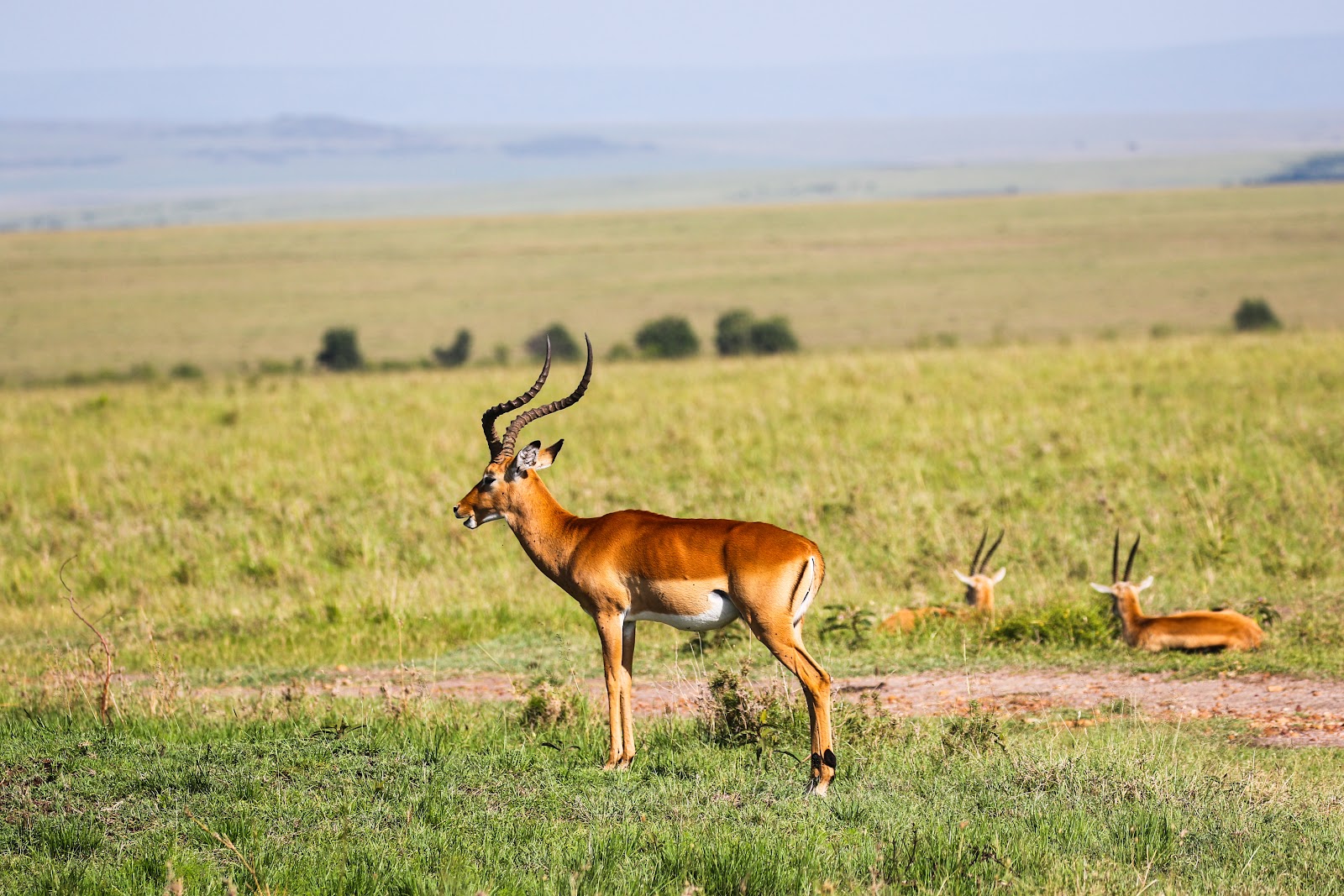
While Hell’s Gate lacks the Big 5 predators, its wildlife is genuinely impressive. The park supports large populations of Maasai giraffe, plains zebra, Grant’s gazelle, Thomson’s gazelle, eland, impala, kongoni (hartebeest), warthog, klipspringer (on the rocky gorge walls), and baboon. Buffalo are present but more commonly seen near the gorge area than on the open plains.
Birdlife is exceptional and one of Hell’s Gate’s most underrated assets. Lammergeier (bearded vulture) nest on the gorge cliffs — one of Kenya’s very few nesting sites for this remarkable bird. Augur buzzard, Verreaux’s eagle, Egyptian vulture, and numerous raptors patrol the thermals above the gorge walls. Over 100 bird species have been recorded.
The park is also widely said to have inspired the landscape in Disney’s The Lion King — the animators are reported to have studied Hell’s Gate’s cliffs and gorge scenery. Standing at the base of Fischer’s Tower with that knowledge, the connection to the film’s visual language is immediately apparent.
Geothermal Energy: The Olkaria Complex
Adjacent to Hell’s Gate, the Olkaria Geothermal Complex — the largest geothermal plant in Africa — generates a significant proportion of Kenya’s electricity from the same volcanic heat that creates the park’s steam vents. The juxtaposition of wildlife conservation and renewable energy generation on the same landscape is genuinely interesting and increasingly relevant in the context of Africa’s clean energy transition.
You can learn more about the geothermal fields from KenGen, the state power company that runs the Olkaria stations. Inside the park you will see pipelines and steam rising from the hills, a reminder that Hell’s Gate National Park sits on one of the most active parts of the Rift.
Best Time to Visit Hell’s Gate National Park
Hell’s Gate National Park is open all year, but the dry months give the most comfortable cycling and the safest gorge walks. The long dry season runs from roughly June to October, and the short dry season from about January to February. Tracks are firm, skies are usually clear and the gorge is least likely to close.
The long rains, roughly March to May, and the short rains in November and December bring green scenery and fewer visitors. However, the murram tracks turn sticky and the gorge may be closed after heavy rain because of flash-flood risk. If you visit in the rainy season, go in the morning, as storms usually build in the afternoon.
Park Entry, Fees and Rules
Entry fees for Hell’s Gate National Park are set by the Kenya Wildlife Service and differ for international visitors, residents and citizens. Fees are paid electronically rather than in cash, and they change from time to time, so check current rates with KWS or let us include them in your quote. Bike hire and gorge guides are paid separately.
- Cycle and walk only on marked tracks and paths.
- Keep a safe distance from all animals, especially buffalo.
- Always use a local guide in the gorge.
- Do not feed baboons or leave food unattended at picnic sites.
- Take all your litter out of the park.
Combining Hell’s Gate With Lake Naivasha
Hell’s Gate and Lake Naivasha are a natural same-day combination. Spend the morning cycling through Hell’s Gate (3–4 hours at a relaxed pace), break for lunch at one of the Naivasha lakeside restaurants, then take an afternoon boat ride on Lake Naivasha — looking for hippos, fish eagles, pelicans, and kingfishers on the papyrus fringes. This combination makes an outstanding full-day Rift Valley excursion from Nairobi and is one of our most popular day-trip programmes. See our guide to Lake Naivasha for the full lake experience.

Hell’s Gate National Park Tours
These packages include Hell’s Gate and can be run privately for your group:
- Hell’s Gate day trip from Nairobi, with cycling, the gorge and the drive through the Rift Valley.
- Crescent Island and Hell’s Gate day trip, adding a walking safari among giraffes and zebras on Crescent Island.
- Lake Naivasha family safari with Hell’s Gate and Lake Nakuru over four days.
Getting to Hell’s Gate
Hell’s Gate is approximately 90 kilometres from Nairobi — about 1.5 hours by road via Naivasha town. The park entrance is near Elsamere, the former home of Joy Adamson (Born Free author), which is now a conservation centre and guesthouse worth visiting. Most travellers visit Hell’s Gate as a day trip from Nairobi or as part of a broader Rift Valley circuit that includes Lake Nakuru and Lake Bogoria. It works particularly well when combined with the Masai Mara — drive from Nairobi to Naivasha, spend a morning at Hell’s Gate, then continue to the Mara via the dramatic Rift Valley escarpment descent. Read our guide on getting from Nairobi to Masai Mara for the full escarpment route details.
Traffic leaving Nairobi can add time, so an early start helps. Most international visitors also need an Electronic Travel Authorisation before arriving in Kenya, which you apply for on the official Kenya eTA portal.
Where to Stay Near Hell’s Gate National Park
There are a few campsites inside Hell’s Gate National Park for self-sufficient travellers, but most visitors stay around Lake Naivasha. The lake shore has hotels, lodges and tented camps for every budget, from simple guesthouses to historic country houses with lawns running down to the water. Staying by the lake means you can cycle Hell’s Gate in the cool of the morning and take a boat trip in the afternoon.
Read our Lake Naivasha safari guide for more on the area, and our guide to camping in Kenya’s national parks if you want to sleep under the cliffs.
What to Bring
- Comfortable clothes you can cycle in, and closed shoes with good grip for the gorge.
- A hat, sunglasses and high-factor sun cream — there is little shade on the valley floor.
- At least two litres of water per person and some snacks.
- A light rain jacket in the rainy months.
- A small backpack so your hands are free on the bike.
- A camera or phone in a dust-proof case, and binoculars for the cliff-nesting raptors.
Is Hell’s Gate National Park Safe?
Hell’s Gate National Park is generally a safe and well-run park. The main risks are heat, dehydration, falls from the bike and the gorge in wet weather, rather than wildlife. Follow your guide’s advice, keep well away from buffalo and never enter the gorge if rain is falling or forecast upstream. For general safety advice on travelling in Kenya, UK travellers can check the latest government travel advice for Kenya.
Who Hell’s Gate Suits Best
The park is ideal for active travellers, families with children old enough to ride a bike, and anyone who wants a break from sitting in a safari vehicle. It also suits travellers with only one free day in Nairobi. Compare it with other options in our guide to the best day trips from Nairobi, or with other parks you can explore on foot in our guide to the best parks for walking safaris in Kenya.
For wider trip ideas, Magical Kenya, the official tourism board, lists attractions around Naivasha and the Rift Valley.
Or call us: +254 799 160 081 — we love planning great safaris.
Hell’s Gate National Park FAQs
Can you cycle in Hell’s Gate National Park?
Yes. Hell’s Gate National Park is one of the few parks in Kenya where cycling among wildlife is allowed. You can hire a bike at the gate or bring your own, then ride the main track past zebras, giraffes, buffalo and gazelles. Start early, carry plenty of water and keep a safe distance from buffalo.
Are there lions in Hell’s Gate National Park?
There are no resident lions in Hell’s Gate National Park, and leopards are very rarely seen. That is why visitors may walk and cycle without an armed escort. The main animals you will meet are grazers such as zebra, giraffe, eland and buffalo, along with baboons, klipspringer and a rich variety of birds of prey.
How long do you need at Hell’s Gate?
Allow at least half a day. Cycling the main track with stops takes two to three hours, and the guided gorge walk adds one to two hours. Many travellers spend the morning at Hell’s Gate and the afternoon on a Lake Naivasha boat trip, which makes a full and very rewarding day from Nairobi.
Can you visit Hell’s Gate as a day trip from Nairobi?
Yes. The park is about 90 kilometres from Nairobi, around one and a half to two hours by road depending on traffic. Leave early, cycle and walk the gorge before the midday heat, then either return to Nairobi in the evening or add a boat ride on Lake Naivasha before heading back.
Is the Hell’s Gate gorge walk difficult?
The gorge walk is moderate. It involves uneven ground, some short scrambles and steps down rocks, so good shoes and a reasonable level of fitness help. Local guides lead the way and choose the safest route. The gorge may close after heavy rain because of flash-flood risk, so always follow the guides’ advice.
What is the best time to visit Hell’s Gate National Park?
The dry months, from about June to October and from January to February, are best. Tracks are firm for cycling and the gorge is least likely to close. The rainy seasons are greener and quieter, but storms can make tracks muddy and close the gorge, so plan your visit for the morning.