
Getting to the Masai Mara from Nairobi is the first big decision of any Kenyan safari. The Masai Mara lies approximately 270 kilometres southwest of Nairobi — a distance that sounds manageable but requires some planning to navigate well. Whether you choose to fly or drive, the journey itself can be part of the adventure, and knowing your options in detail helps you make the right choice for your travel style, budget, and the time you have available. This guide covers everything you need to know about getting to Masai Mara from Nairobi in 2026.
Before reading about logistics, if you are still in the early planning stages, start with our Ultimate Masai Mara Safari Guide for a complete overview of what to expect. For cost information including transfer costs at every budget level, see our Masai Mara safari cost guide.
Masai Mara from Nairobi at a glance
- Distance: roughly 220–300 km by road, depending on the gate and route.
- By road: 5–6.5 hours in a 4WD safari vehicle.
- By air: 45 minutes to just over an hour from Wilson Airport.
- Luggage on flights: 15 kg in a soft bag.
- Our advice: stay at least three nights, and consider driving one way and flying the other.
How Far Is the Masai Mara from Nairobi?
The main Masai Mara National Reserve is approximately 270–300 kilometres from Nairobi depending on the route, and roughly 220 kilometres from Nairobi via the most direct road. The journey by road takes between 5 and 6.5 hours under normal conditions, factoring in the state of the road through Narok and beyond the escarpment. By light aircraft from Wilson Airport, the flight takes 45 minutes to just over an hour depending on your specific destination airstrip within the Mara ecosystem.
The exact distance depends on where you are staying. The Mara is not a single point on the map: the reserve covers about 1,510 square kilometres, and it is ringed by private conservancies to the north and east. A camp near Sekenani Gate in the east is the closest by road, while lodges on the western Oloololo Escarpment or in the Mara Triangle are further, and are often easier to reach by air.
Option 1: Flying to Masai Mara from Nairobi
Flying to the Masai Mara from Nairobi is the preferred option for most travellers and the approach we recommend for those with limited time or who prefer a seamless, comfortable experience. Wilson Airport, located in the Karen/Langata area of Nairobi (approximately 15 minutes from the city centre in light traffic), serves as the hub for all light aircraft flights to the Mara.
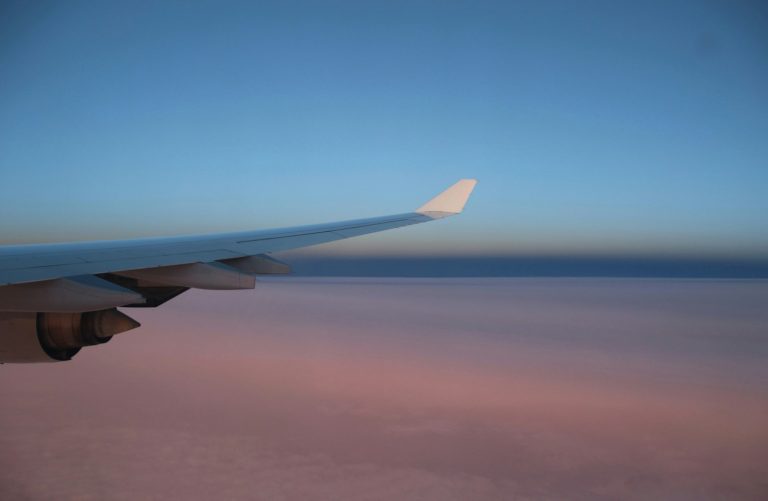
Scheduled charter flights operate daily to several Mara airstrips including Keekorok, Musiara, Ol Kiombo, Angama, Naboisho, and various conservancy strips. The aircraft are typically Cessna Caravans or similar 12-seater light planes. The flight itself is an experience: the view of the Great Rift Valley escarpment, Lake Naivasha glinting below, and the moment when the Mara’s savannah fills the windows ahead is genuinely thrilling.
Cost: Approximately $250–$450 per person each way for scheduled charters. Private charter rates are higher but allow flexible departure times and routing.
Journey time door-to-door: 2–2.5 hours from Nairobi hotel to Mara camp, including airport check-in.
Luggage allowance: 15kg in a soft bag only. Hard suitcases are not permitted on light aircraft.
Booking: We handle all flight bookings as part of your safari package — coordination between your Nairobi accommodation, Wilson Airport check-in, and your Mara camp is seamless.
What Flying to the Masai Mara from Nairobi Is Really Like
Flights to the Masai Mara from Nairobi usually leave Wilson Airport in the morning and early afternoon. You check in about an hour before departure, your soft bag is weighed, and you walk out to the aircraft on the apron. Planes often stop at two or three airstrips on the way, so a “45-minute” flight can take a little longer if your strip is the last drop.
When you land, your guide is waiting beside the airstrip with the safari vehicle. Many guests are surprised that the game drive begins straight away: the drive from airstrip to camp often turns into your first sighting of zebra, topi or even lions. Read more about each strip in our guide to Masai Mara airstrips and getting around.

Option 2: Driving to Masai Mara from Nairobi
The road journey to the Masai Mara from Nairobi is an experience in itself. The route typically follows the A104 toward Naivasha, then descends the dramatic Rift Valley escarpment with views that stop you mid-conversation, before continuing through Narok (the main town servicing the Mara region) and onto the murram (dirt) roads that lead into the reserve. The final section of road — particularly after Narok — can be rough, and a 4WD vehicle is essential beyond the tarmac.
There are several route options:
- Via Mai Mahiu and Naivasha (most common): Follow the Nairobi-Naivasha highway, descend into the Rift Valley, continue south toward Narok and the Mara. Approximately 270km, 5–6 hours depending on traffic and road conditions.
- Via Narok directly (faster in good conditions): The B3 highway through Narok is the most direct route for camps near Sekenani gate. Around 250km, potentially 4.5–5 hours.
- Via Ewaso Kedong (scenic Rift Valley route): A longer, more scenic road through the floor of the Rift Valley. Adds time but offers extraordinary views and occasional wildlife including Maasai giraffe.
The drive is worth doing at least once — it gives you a genuine sense of the geography between the capital and the wild, and the landscape is extraordinary. Many travellers prefer to drive one direction and fly the other, combining the experience of both and saving time on the return.
Cost: A private 4WD vehicle and driver from Nairobi to Mara typically costs $200–$350 each way for the vehicle (up to 4 passengers).
Journey time: 5–6.5 hours depending on route and conditions.
What to expect: Arrange a departure by 07:00–08:00 from Nairobi to avoid city traffic and arrive at camp in time for a late afternoon game drive.
The Road to the Masai Mara from Nairobi, Stage by Stage
The first hour is spent leaving Nairobi’s suburbs and climbing towards the edge of the Great Rift Valley. Most drivers stop at a viewpoint on the escarpment, where the valley floor opens up below you and, on a clear day, you can see Mount Longonot. There are craft shops and toilets here, which makes it a natural first break.
The road then drops to the valley floor and runs past Mai Mahiu towards Narok. Narok is the last proper town before the reserve, with fuel, banks, cash machines and supermarkets. Your driver will usually stop here for a stretch and to top up the tank.
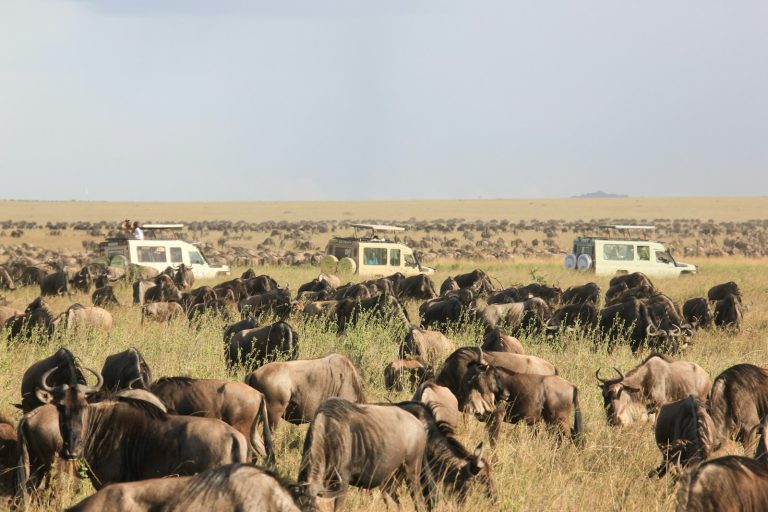
After Narok, the tarmac continues for much of the way to Sekenani Gate in the east, but the last stretch to many camps is gravel or dirt. Expect dust in the dry season and mud in the rains. This is where a proper 4WD with a pop-up roof earns its keep — and the game drive effectively starts as soon as you pass the gate.

Fly or Drive? Comparing Your Options Side by Side
There is no single right answer. The best way to reach the Masai Mara from Nairobi depends on your time, budget and how you feel about long drives. This table sets the two options side by side using the figures above.
| Factor | Flying | Driving |
|---|---|---|
| Journey time | 45–70 minutes in the air; 2–2.5 hours door to door | 5–6.5 hours |
| Typical cost | About $250–$450 per person each way | About $200–$350 per vehicle each way (up to 4 people) |
| Luggage | 15 kg, soft bags only | Far more flexible |
| Scenery | Aerial views of the Rift Valley | Escarpment viewpoint, Maasai villages, Narok town |
| Vehicle in the Mara | Camp or shared vehicle, unless you book a private one | Your own vehicle and guide for the whole trip |
| Best for | Short stays, honeymooners, seniors, travellers on tight schedules | Families, groups of three or four, budget travellers, multi-park road safaris |
When Driving Makes More Sense
For a group of three or four, driving to the Masai Mara from Nairobi becomes very good value, because you pay for the vehicle rather than per seat. You also keep the same guide and vehicle for the whole trip, which means you can combine the Mara with Lake Naivasha or Lake Nakuru on the way. Driving also suits travellers with heavier camera gear that would not fit the light aircraft allowance.
When Flying Makes More Sense
If you only have two or three nights, flying to the Masai Mara from Nairobi makes sense: every hour on the road is an hour less on game drives. Flying also suits anyone who finds long, bumpy drives uncomfortable, and it makes a fly-in safari from the coast or a combination with another region simple. Our Fly-in Masai Mara Luxury Safari (4 Days) is built around this approach.
Is a Masai Mara Day Trip Possible?
Day trips to the Masai Mara from Nairobi are technically possible by air — a 45-minute flight each way leaves enough time for a morning game drive, lunch at a lodge, and an afternoon drive before the return flight. However, we generally advise against day trips for several reasons: the Mara rewards time, crossings and predator sightings often happen early or late, and the logistical cost of a return flight for a single day is high relative to the experience you will have compared to an overnight or multi-night stay.
If your schedule truly allows only one day, we can make it work well — but our honest recommendation is always a minimum of three nights to give the Mara time to show you what it is capable of.
If you are short on time, a nearer alternative is Nairobi National Park, which sits on the edge of the city and is ideal for a half-day game drive.
Recommended Itineraries from Nairobi
3-Night Safari (minimum recommended): Fly from Nairobi to Masai Mara on arrival day. Full game drive afternoons Days 1–3. Fly back to Nairobi on Day 4 morning. This gives you 6 full game drive sessions — enough to see the Big 5 and significant wildlife. See our camps guide for accommodation options at this duration.
5-Night Safari (our most recommended): Fly to Mara. 3 nights in a conservancy for exclusive game viewing and night drives. Move to the main reserve for 2 nights, prioritising the Mara River area. This itinerary gives you the full breadth of the Mara experience — conservancy intimacy, reserve wildlife density, and the best chance of witnessing a river crossing during migration season.
7+ Night Combination: Combine the Masai Mara with another Kenyan destination — Amboseli for Kilimanjaro elephants, Samburu for rare northern species, or the coast for post-safari beach recovery. This is the full East Africa experience that transforms a good trip into an unforgettable journey.
Ready-Made Road Safaris to the Masai Mara from Nairobi
If you would rather start from a tested itinerary to the Masai Mara from Nairobi, these packages all begin in Nairobi and can be adjusted to your dates:
- 3 Day Masai Mara Safari Package — the classic short road safari.
- Masai Mara & Lake Nakuru Camping Safari (4 Days) — the best-value way to see the Mara.
- Kenya Group Safari – Masai Mara, Lake Nakuru & Naivasha (6 Days) — a relaxed circuit that breaks up the drive.
Breaking Up the Journey: Lake Naivasha and Lake Nakuru
Because the road to the Masai Mara from Nairobi passes close to the Rift Valley lakes, many travellers add a night on the way in or out. Lake Naivasha is about two hours from Nairobi and offers boat rides among hippos and walking safaris on Crescent Island. Lake Nakuru National Park, a little further north, is one of Kenya’s best places to see both black and white rhinos.
Adding a lake stop turns a long transfer into two shorter, more enjoyable drives. It also adds variety to your safari: freshwater lakes, forest and rhinos before the open grasslands of the Mara.
Best Time to Travel to the Masai Mara from Nairobi
The Mara is worth visiting all year, but the season affects the journey as well as the wildlife. In the dry months, roughly late June to October and January to February, the roads are dusty but reliable and flights rarely suffer delays. July to October is also the main season for the Great Migration river crossings, so flights and camps fill early.
During the long rains, usually March to May, and the short rains around November, the final dirt sections can become slow and muddy, and occasionally impassable for a few hours after heavy storms. Flying is the safer choice at these times. For month-by-month detail, see our guide to the best time to visit Masai Mara.
Arriving in Nairobi: Jomo Kenyatta International Airport
Most international flights arrive at Jomo Kenyatta International Airport (JKIA), approximately 18km east of Nairobi city centre. From JKIA to Wilson Airport (for Mara flights), the journey is approximately 25–40 minutes depending on traffic. We arrange private airport transfers for all our guests — seamless pickup from JKIA and onward to Wilson Airport or your Nairobi hotel, with our driver on hand to answer questions and help you settle in.
Most visitors need an Electronic Travel Authorisation before they fly, which you apply for through the official Kenya eTA portal. Check the latest entry and safety guidance on the UK government’s Kenya travel advice page as well. Our Nairobi airport (JKIA) guide explains arrivals, transfers and timings in more detail.
Park Fees and Practical Tips for the Journey
The Masai Mara National Reserve is managed by Narok County rather than by the Kenya Wildlife Service, and conservancies charge their own fees through the camps. Park fees are paid per person per day and usually form part of your safari package. Current rates are listed in our guide to Kenya national parks entrance fees. For general travel inspiration about the wider country, the official Magical Kenya tourism site is a useful starting point.
A few tips make any trip to the Masai Mara from Nairobi smoother:
- Leave Nairobi early, ideally by 07:00, to beat traffic and reach camp for an afternoon drive.
- Pack a light fleece and a scarf: the escarpment is cool in the morning and the dirt roads are dusty.
- Carry some Kenya shillings in small notes for snacks, toilets and craft stops.
- Keep medicines, cameras and a change of clothes in your hand luggage on flights.
- Use soft bags if any leg of your trip is by light aircraft — see our safari luggage weight limits guide.
- Tell your guide if you are prone to motion sickness, so they can seat you at the front.
Let Us Handle Your Transfer Logistics
Transfer logistics for the Masai Mara from Nairobi — Nairobi hotels, Wilson Airport check-in, Mara arrival coordination, and return transfers — are one of the areas where having a local operator makes the most difference. We handle every element so that your first experience of Kenya is smooth, welcoming, and sets the tone for the extraordinary safari ahead. Talk to our team about your arrival details and we will take care of the rest.
For packing advice for the journey, including the soft-bag rule for light aircraft, read our complete Masai Mara packing guide.
Frequently Asked Questions About the Masai Mara from Nairobi
How long does it take to drive to the Masai Mara from Nairobi?
The drive usually takes 5 to 6.5 hours, depending on your route, traffic leaving Nairobi and which gate you enter. Camps near Sekenani Gate in the east are quickest to reach. Most safaris leave Nairobi around 07:00–08:00 and stop at the Rift Valley viewpoint and Narok on the way.
How long is the flight to the Masai Mara from Nairobi?
Flights from Wilson Airport take 45 minutes to just over an hour, depending on your airstrip and how many stops the plane makes. Allow 2 to 2.5 hours door to door, including the hotel transfer and check-in. Your guide meets you at the airstrip with the safari vehicle.
Is it cheaper to fly or drive to the Masai Mara?
For one or two travellers, the difference can be small. For three or four people, driving is usually cheaper, because a private vehicle of about $200–$350 each way is shared, while flights cost roughly $250–$450 per person each way. Driving also gives you the same vehicle for game drives.
Is the road from Nairobi to the Masai Mara safe?
Yes, the road is used daily by safari vehicles and is generally safe with an experienced driver. The main risks are ordinary road hazards, slow lorries on the escarpment and rough dirt sections near the reserve. Travelling in daylight with a professional safari driver, rather than self-driving, is the sensible choice.
Can I visit the Masai Mara from Nairobi in one day?
A day trip is only realistic by air, with a morning flight, game drives and an afternoon return. By road it is not practical, because you would spend most of the day driving. We recommend at least two nights, and ideally three, to see the Mara properly.
Which airport do Masai Mara flights leave from?
Scheduled light aircraft flights to the Masai Mara leave from Wilson Airport in Nairobi, not from Jomo Kenyatta International Airport. Wilson is about 25–40 minutes from JKIA, so allow time for the transfer if you are connecting straight from an international flight.
Or call us directly: +254 799 160 081 — we are always happy to help.