
The term Big 5 is one of the most recognisable phrases in African wildlife tourism — and the Masai Mara is one of a handful of places on earth where you can realistically encounter all five within a single safari. Originally coined by big-game hunters to describe the five most dangerous animals to hunt on foot — lion, elephant, leopard, Cape buffalo, and rhinoceros — the Big 5 today represents the summit of wildlife ambition for safari travellers from around the world.
This guide covers each of the Big 5 in the Masai Mara: their behaviour, the best areas to find them, and the tips that will help you get the most out of every encounter. For full safari planning context, start with our Ultimate Masai Mara Safari Guide.
1. The African Lion
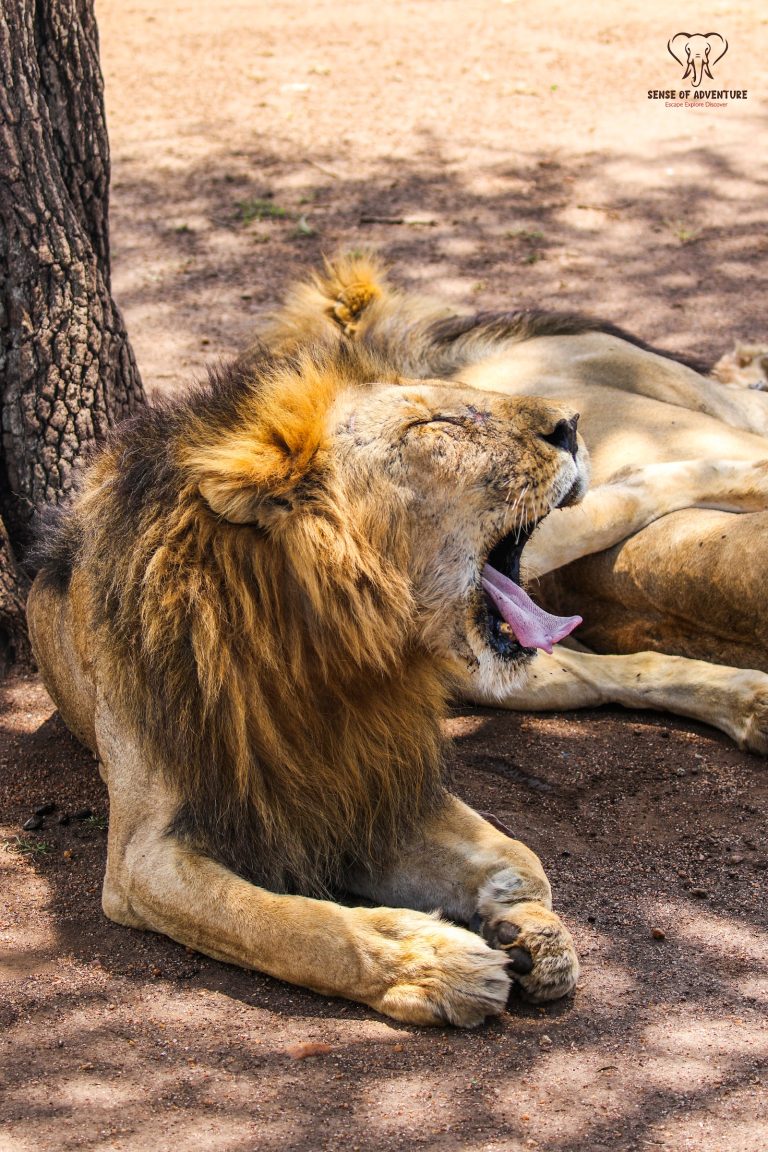
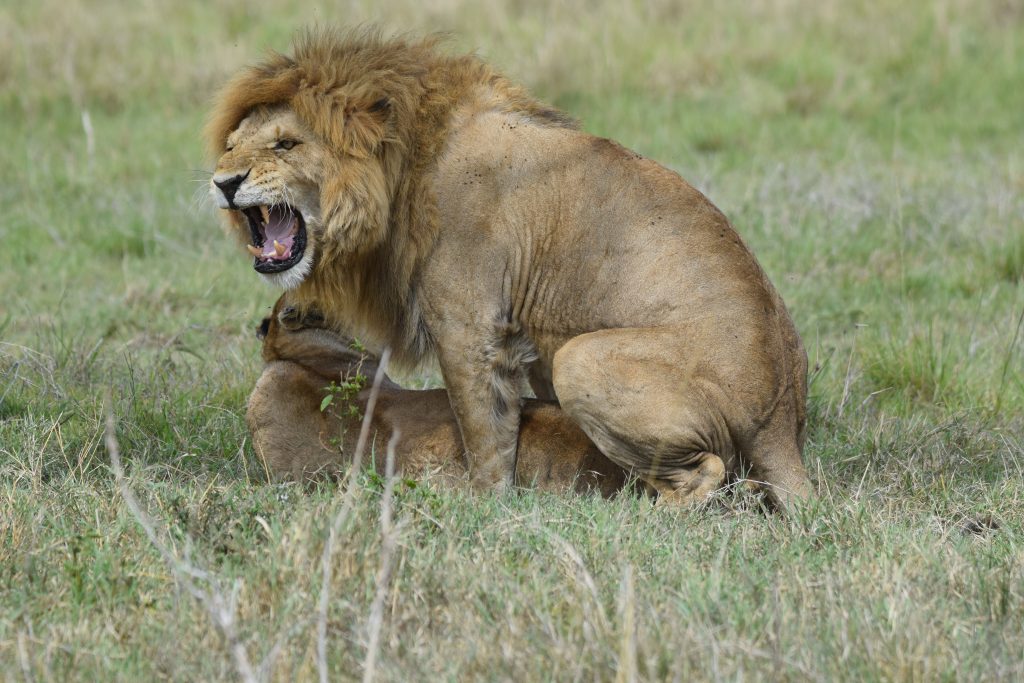
The lion is the undisputed star of the Masai Mara, and no other safari destination offers lion sightings of the quality and frequency found here. The Mara-Serengeti ecosystem supports one of Africa’s largest and most stable lion populations, with multiple large prides occupying well-defined territories that experienced guides know intimately.
The famous Marsh Pride, documented over decades of BBC filming including the original Big Cat Diary series, still roams the Musiara Marsh area. The Paradise Pride controls the plains between Musiara and Governors Camp. Numerous other prides — the Rekero Pride, the Ridge Pride, and several others — hold territories across the main reserve and conservancies.
Lions are most active during dawn and dusk game drives, when temperatures drop and hunting instincts engage. Midday finds most lions resting in shade, often accessible for long, unhurried viewing. Cubs are a particular highlight — the Mara’s prides have high breeding success, and it is common to encounter prides with young cubs at various stages of development throughout the year.
Best viewing areas: Musiara Marsh, Bila Shaka Lugga, Paradise Plain, Olare Motorogi Conservancy, Naboisho Conservancy.
2. The African Elephant
The Masai Mara supports a robust elephant population that moves between the reserve, the conservancies, and the broader Mara ecosystem. Breeding herds — consisting of related females and their calves led by a matriarch — are the most commonly encountered group. These herds can number 20–50 individuals, and watching them interact, communicate, and care for their young is endlessly fascinating.
Large solitary males are also common, particularly older bulls who have left the breeding herd to roam independently. These bulls can be found throughout the ecosystem and are often remarkably relaxed with vehicles when not in musth (a state of heightened testosterone linked to reproductive competition). During the dry season (July-October), elephants concentrate near the Mara and Talek Rivers, making for spectacular river-crossing encounters quite apart from the wildebeest migration.
The best elephant encounters are often during midday, when they visit rivers and waterholes and are less concerned with moving purposefully across the plains. Watch for young calves — they are inherently playful, and a calf chasing guinea fowl while its mother drinks from the Mara River is one of the Mara’s most delightful everyday sights.
Best viewing areas: Mara River banks, Talek River, Ol Kinyei Conservancy, Mara North Conservancy.
3. The Leopard
Of all the Big 5, the leopard is the one that consistently surprises first-time safari visitors. People expect a sighting to be brief — a distant cat disappearing into the undergrowth. In the Masai Mara, particularly in the community conservancies where vehicle pressure is low, leopard sightings are often remarkably prolonged and intimate. The Mara’s resident leopards are habituated to vehicles after years of careful, respectful guiding, and it is not uncommon to spend 30–60 minutes with a leopard at close range — watching it groom, scan for prey, or simply rest in the branches of an acacia or fig tree.
Leopards in the Mara favour the riverine habitat along the Talek River and the rocky outcrops and dense luggas (dry stream beds with thick bush) scattered across the ecosystem. They are predominantly crepuscular and nocturnal hunters — most active at dawn, dusk, and through the night. This makes them particularly good subjects for early morning game drives and, in the conservancies where night drives are permitted, for nocturnal viewing.
Female leopards with cubs are regularly encountered in the Mara. A mother teaching her cubs to climb, or dragging a fresh kill into a tree to keep it from lions and hyenas, are experiences that rank among the most extraordinary wildlife moments you will ever witness. See our guide to hot air balloon safaris for another perspective — spotting a leopard from the air in the early morning light is a remarkable experience.
Best viewing areas: Talek River, Olare Motorogi Conservancy, Naboisho Conservancy, Mara North Conservancy, rocky outcrops throughout the reserve.
4. The Cape Buffalo
The Cape buffalo is the most underrated of the Big 5. Often dismissed as “just cattle” by first-time safari visitors, the buffalo quickly reveals its complexity and drama on closer acquaintance. The Masai Mara supports large breeding herds of buffalo — sometimes several hundred strong — that move slowly through the savannah, accompanied by tick-picking oxpeckers and the constant, watchful alertness of the herd. A breeding herd of buffalo flowing across a golden plain in the late afternoon light is one of Africa’s great wildlife spectacles.
Old bulls — “duggas” — who have been pushed out of the breeding herd are the most formidable: scarred, temperamental, and responsible for many of the Big 5’s legendary hunting fatalities in the historical record. Encountering a solitary old bull in heavy bush, regarding your vehicle with dark, unimpressed eyes, is a memorable experience.
Buffalo are a critical prey species for Masai Mara lions. The drama of a lion pride targeting a buffalo herd — the coordinated strategy, the buffalo’s collective defence response, the chaos of a hunt — is among the most intense predator-prey dynamics in the African bush.
Best viewing areas: Throughout the reserve, particularly the open plains of the central Mara and the Musiara area.
5. The Rhinoceros
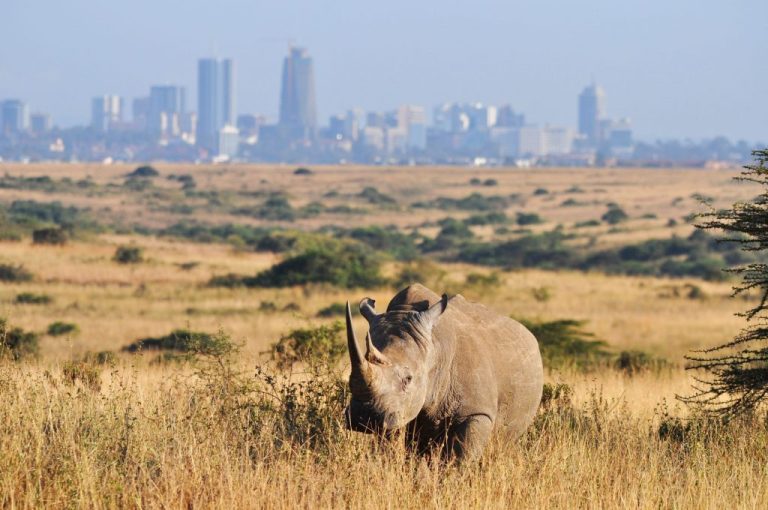
The rhino is the most challenging of the Big 5 to tick in the Masai Mara itself. Black rhinos were historically present in the Mara, but poaching in the 1970s and 1980s eliminated the population. There are ongoing efforts to reintroduce rhinos to fenced areas within the broader ecosystem.
For reliable rhino viewing in Kenya, we strongly recommend combining your Masai Mara safari with a visit to Ol Pejeta Conservancy in the Laikipia Plateau — approximately 3–4 hours from Nairobi — which holds Kenya’s largest black rhino population and the world’s last two northern white rhinos. Alternatively, Lake Nakuru National Park, easily combined with a Masai Mara itinerary, has a good both white and black rhino population within a fenced sanctuary.
Our team at Sense of Adventure can build a comprehensive itinerary that combines Masai Mara with rhino viewing elsewhere in Kenya — simply tell us that a complete Big 5 experience including rhino is a priority, and we will design around it.
The Best Time to See the Big 5
The Big 5 (excluding rhino) are present in the Masai Mara year-round. The best general game viewing is during the dry season (July-October and January-February), when vegetation is lower and animals concentrate around water. However, the green season (November-March) delivers extraordinary predator activity, with well-nourished lions and cheetahs hunting actively across lush open plains. For a full seasonal breakdown, read our guide to the best time to visit Masai Mara.
Plan Your Big 5 Safari With Sense of Adventure
Our guides know the individual animals of the Masai Mara personally — the named lion prides, the known leopard territories, the elephant matriarchs with their distinctive ear patterns. This intimate local knowledge transforms a good game drive into an extraordinary one. We love building Big 5-focused safaris that also include the full depth of the Mara’s extraordinary wildlife beyond the headline species. Let us plan yours.
Or call us directly: +254 700 000 000 — we are always happy to help.