
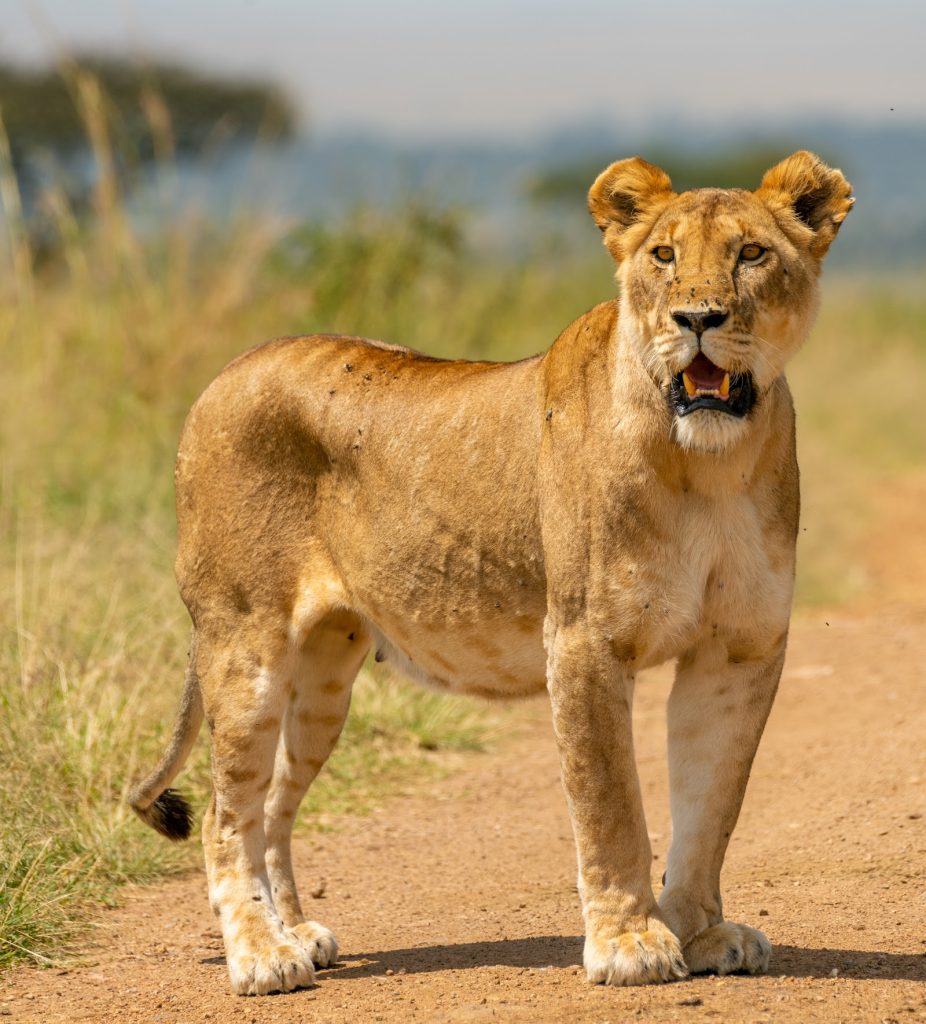
Meru National Park Elsa country is where conservation storytelling began. In the 1950s-60s, game warden George Adamson and his wife Joy raised an orphaned lion cub named Elsa here and returned her to the wild — a project that became the book and 1966 Oscar-winning film Born Free, and arguably launched the modern wildlife conservation movement worldwide. The park itself, laced by thirteen rivers flowing off Mount Kenya and the Nyambene Hills, remains one of Kenya’s wildest and least visited: dense riverine forest, doum-palm swamps, open plains and a rhino sanctuary rebuilt after devastating 1980s poaching. Sense of Adventure includes Meru for travellers who want Kenya’s Born Free history alongside genuinely uncrowded wilderness.
Visit the Real Born Free Country
Elsa’s grave, wild rhinos and empty river country — let us build Meru into a northern Kenya circuit.
The Real Story Behind Born Free
George Adamson worked as a game warden in Meru’s wider ecosystem when his wife Joy raised Elsa after her mother was shot in self-defence; the Adamsons’ project to rehabilitate and release Elsa into the wild — documented in Joy’s 1960 book and the film that followed — reshaped public attitudes toward wildlife and lions specifically, at a time when big cats were mostly viewed as vermin or trophies. Elsa died in 1961 of a tick-borne disease and is buried in the park; her sons were later released here too. Decades on, Meru still carries that pioneering spirit: it was Kenya’s proving ground for rhino sanctuary fencing after 1980s poaching wiped out its population, and today the Meru Rhino Sanctuary protects both species within the wider park’s wild, water-rich landscape.
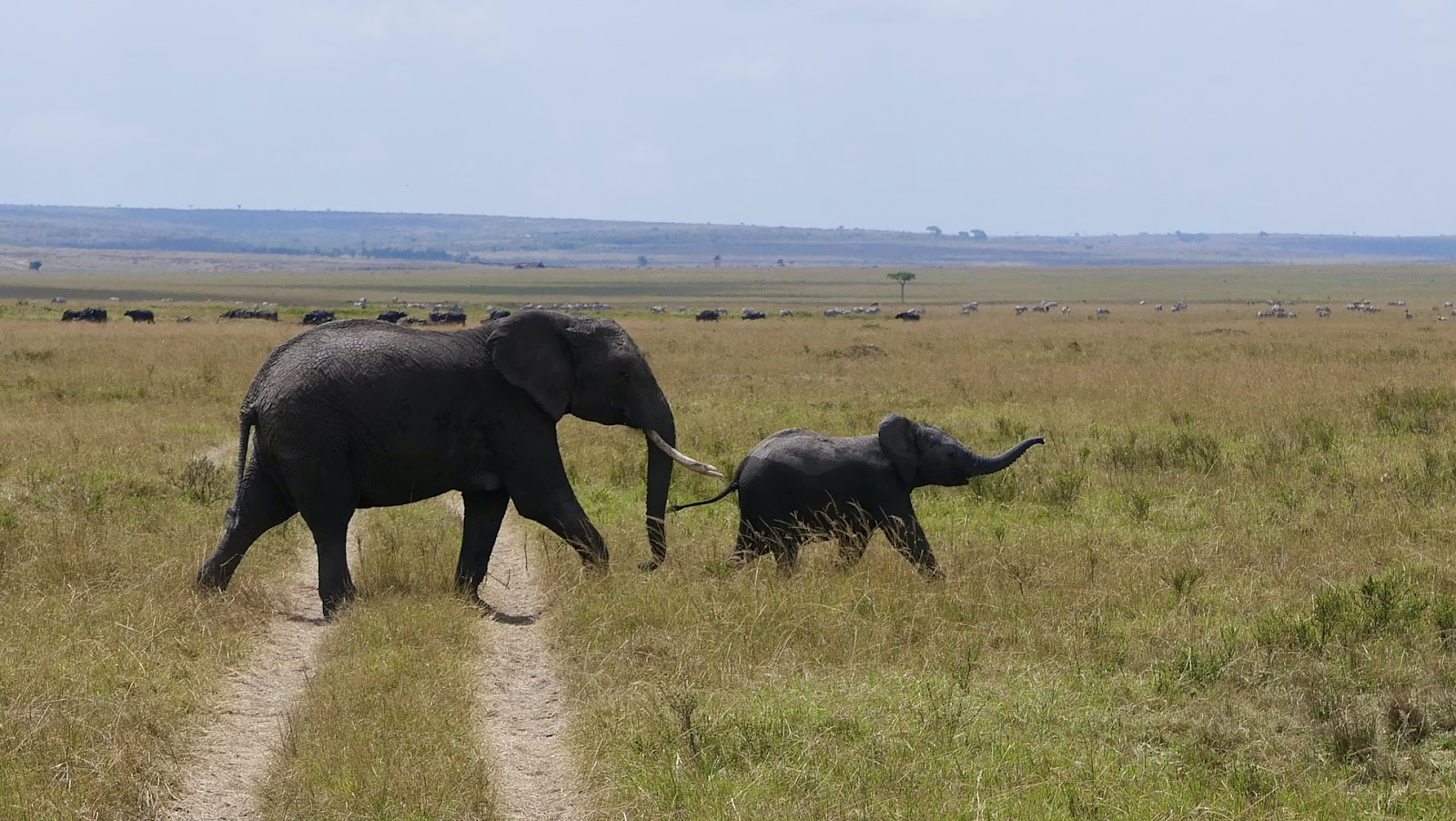
We stood at Elsa’s grave with almost nobody else around — just birdsong and the Ura river. An hour later, elephants crossed a stream in front of us with not another vehicle in sight. Meru feels like Kenya before the world discovered it.
— Sense of Adventure guest, Meru safari
The 5 Essential Meru Experiences
Elsa’s Grave & Adamson’s Camp — standing where Born Free happened
A quiet memorial marks Elsa’s resting place near where she lived and was released, with informative context on the Adamsons’ work. For anyone who grew up on the book or film, it is a genuinely moving pilgrimage — made more powerful by how few other visitors you will share it with.
The Meru Rhino Sanctuary — both species, rebuilt from zero
After 1980s poaching eliminated Meru’s rhinos entirely, a dedicated fenced sanctuary within the park rebuilt the population from scratch with black and white rhinos reintroduced from secure stock. Today’s sightings represent one of Kenya’s most complete recovery stories, achieved in genuinely wild, unmanicured bush.
Thirteen Rivers & Doum Palm Swamp — Kenya’s best-watered park
Meru is exceptionally lush for a Kenyan savannah park, crossed by thirteen permanent rivers rising on Mount Kenya and the Nyambenes, with doum-palm swamps and riverine forest supporting elephants, buffalo and hippo in genuine abundance. It looks and feels different from any other park on a standard circuit — greener, wilder, quieter.
Adamson’s Falls & Kindani Springs — water features few tourists reach
Named for George Adamson, these falls and the nearby Kindani natural springs reward the effort of getting to Meru with scenery entirely its own — crocodile-watched pools, doum palms and swamp-forest quiet. Very few Kenya itineraries include them, which is precisely their appeal.
Genuinely Empty Roads — the wilderness the crowds missed
Meru’s remoteness — real, if overstated by decades-old reputation — kept it off mainstream circuits, and the reward is space: elephants, lions, reticulated giraffe and both rhino species with vehicle-free horizons in every direction. For guests who have “done” the Mara and want Kenya’s wilder edge, Meru delivers completely.
Kenya’s Quietest Big Park
History, rhinos and rivers with almost nobody else around. Ask us how Meru fits your itinerary.
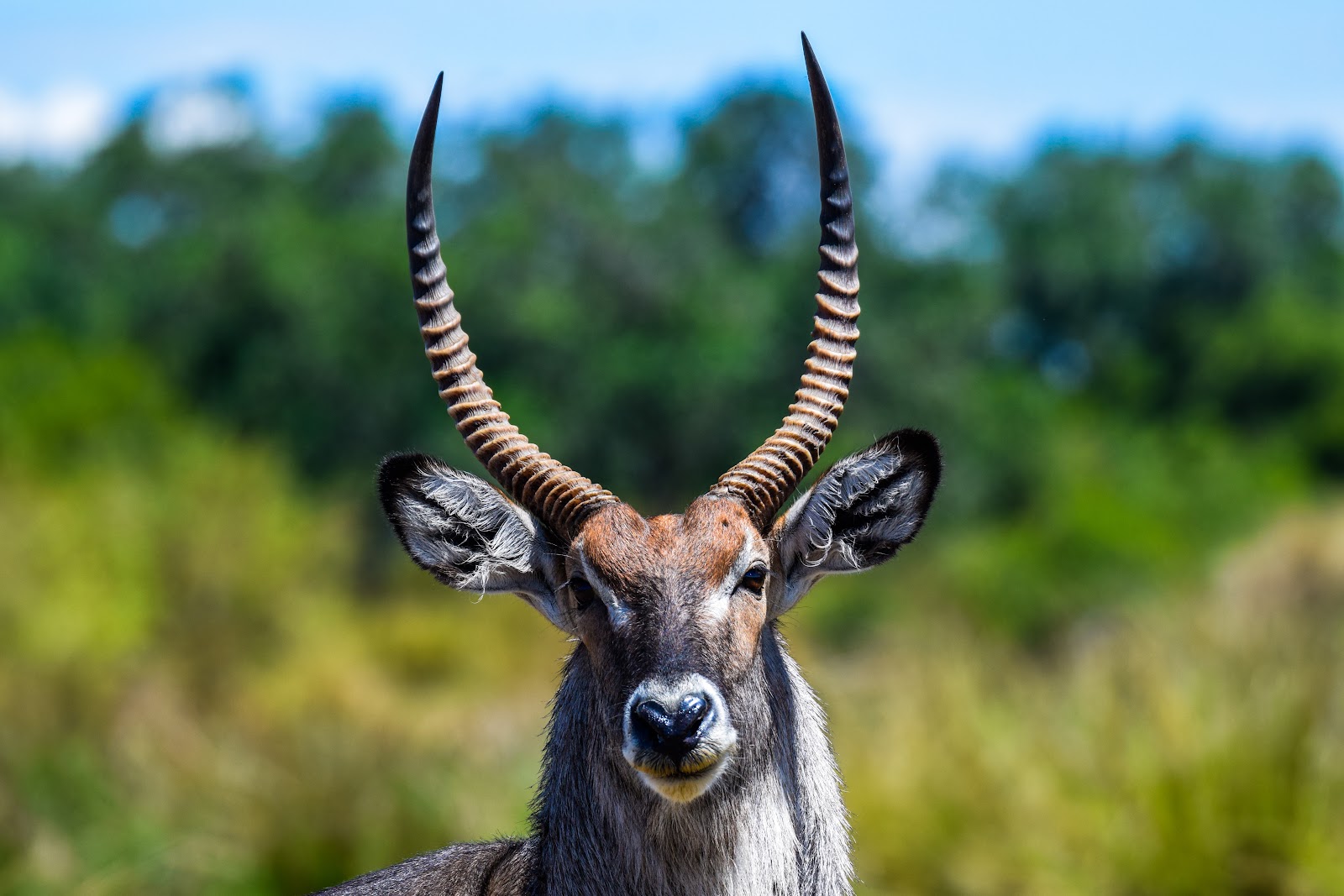
Meru National Park Facts
- Born Free: Elsa the lioness lived and was released in the Meru ecosystem; she is buried in the park, and her story won two 1966 Oscars for the film adaptation.
- Scale: 870 km², crossed by 13 rivers flowing from Mount Kenya and the Nyambene Hills.
- Rhino recovery: a fenced sanctuary rebuilt both black and white rhino populations after 1980s poaching wiped them out entirely.
- Landscape: exceptionally well-watered for a savannah park — riverine forest, doum-palm swamp and open plains combined.
- Crowds: among Kenya’s least-visited major parks — sightings routinely happen without another vehicle present.
- Access: about 5 hours by road from Nairobi via Meru town, or a short flight to the park’s airstrip.
Fitting Meru Into a Northern Circuit
Meru pairs well with Samburu on a northern loop, and shares its rhino-recovery story with Ol Pejeta. See our Mount Kenya guide for the mountain that feeds Meru’s rivers, and browse the general national parks of Kenya overview to plan a wider trip.
The Park That Changed How the World Sees Lions
Elsa’s legacy and Kenya’s wildest rivers, without the crowds. Message us to add Meru to your safari.
Frequently Asked Questions
Is Meru National Park the real home of Elsa the lioness?
Yes — Elsa, the lioness of Joy Adamson’s book and the 1966 film Born Free, was raised and released into the wild in the Meru ecosystem by game warden George Adamson. She is buried within the park, which still draws visitors specifically for that history.
Are there rhinos in Meru National Park?
Yes — Meru’s fenced Rhino Sanctuary protects both black and white rhinos, rebuilt from scratch after poaching eliminated the park’s rhino population in the 1980s. It remains one of Kenya’s clearer rhino-recovery success stories, set in genuinely wild bush.
Why is Meru National Park so empty of tourists?
Meru’s reputation for remoteness — outdated but still influential — and its distance from Nairobi (about 5 hours by road) keep visitor numbers low compared to the Mara or Amboseli. The result is some of Kenya’s most private wildlife viewing, despite good infrastructure and abundant game.
What wildlife can I see in Meru National Park?
Meru National Park holds elephants, lions, buffalo, both black and white rhino, reticulated giraffe, hippo and rich birdlife across its 870 km² of rivers, swamp and savannah. Its thirteen permanent rivers make it noticeably lusher than most Kenyan parks.
How do I get to Meru National Park?
Meru National Park is roughly 5 hours by road from Nairobi via Meru town, or reachable by a short scheduled flight to the park’s own airstrip. It combines naturally with Samburu or the Aberdares on a northern-central Kenya circuit.