

A sustainable safari in Kenya means travelling in a way that protects wildlife, respects the people who live beside it and leaves the places you visit better able to look after themselves. Wildlife tourism pays for much of Kenya’s conservation, so how you travel matters. At Sense of Adventure, a licensed Nairobi-based safari operator, we plan every trip with that in mind.
This page explains how we approach responsible travel, what it means for your safari, and the simple choices you can make before and during your trip.
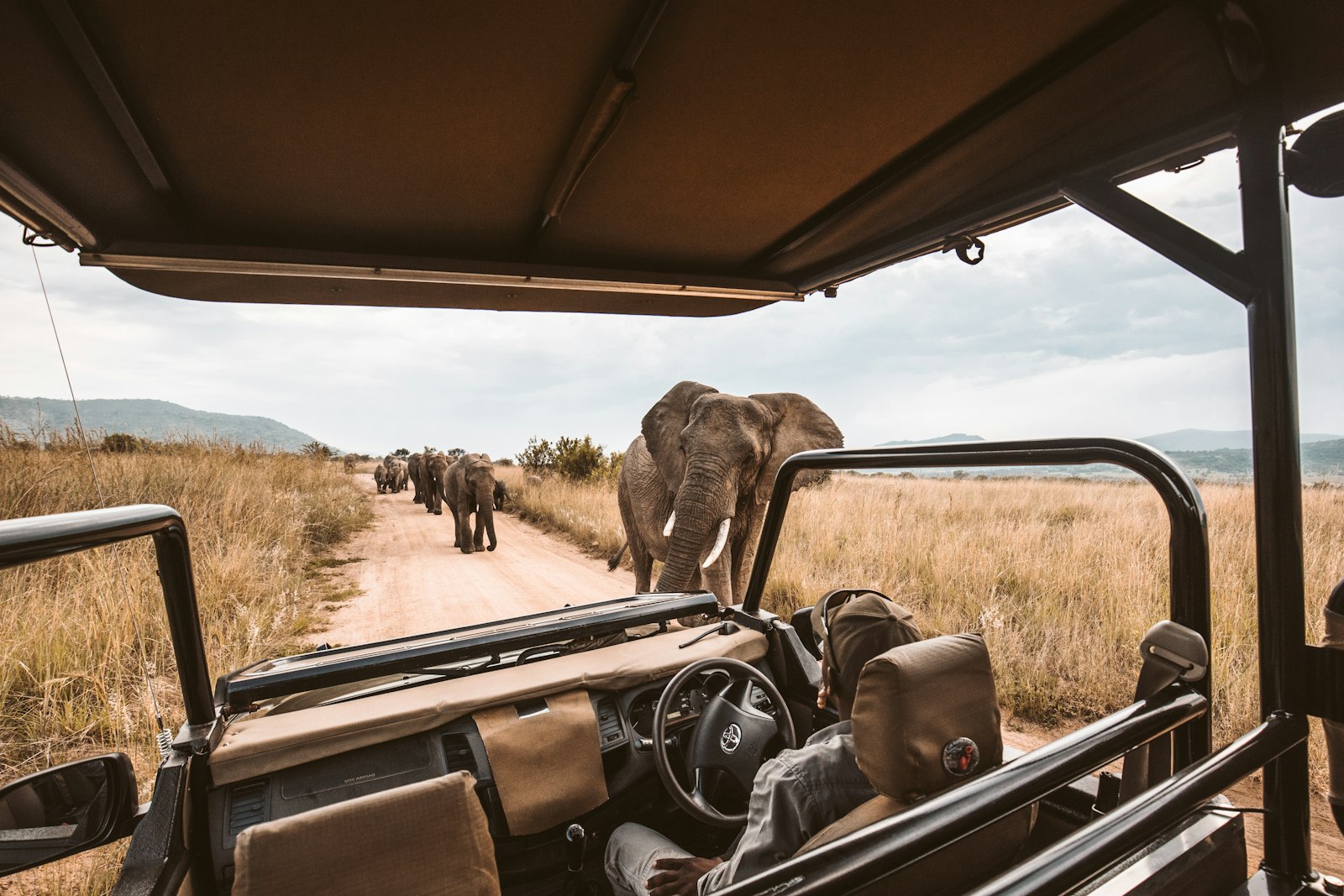
Why Sustainable Safari Travel Matters in Kenya
Kenya’s parks, reserves and conservancies protect elephants, lions, rhinos, giraffes and the Great Migration, and they depend on visitor income to do it. Park and conservancy fees help pay for rangers, anti-poaching work, and land that would otherwise be turned to other uses. In many areas, landowners lease their land to conservancies because wildlife tourism gives them a fair income.
That relationship works only when tourism is well managed. Too many vehicles at a sighting, off-road driving, litter or disrespect toward local people can damage the very things visitors come to enjoy. A sustainable safari keeps the balance: the visitor has a memorable trip, the wildlife is undisturbed and local people share in the benefit.
How We Plan a Sustainable Safari
- Small, private groups. Almost every trip we run travels in a private 4×4 Land Cruiser, shared only with your own party. Fewer vehicles and smaller groups mean less pressure on the places we visit.
- Kenyan team and local knowledge. We are a Kenyan company based in Nairobi, and our guides and planners live and work here, so the money you spend stays in the local economy.
- Camps and lodges chosen with care. We favour properties that work with their neighbours, manage waste and water sensibly and fit their landscape. We explain each property’s approach in your quote.
- Conservancies where they suit your trip. Private conservancies around the Masai Mara limit vehicle numbers and share income with landowners, so we suggest them when they match your plans.
- Honest, itemised quotes. Park fees, conservancy fees and community payments are listed clearly, so you can see where your money goes.
Wildlife-Friendly Game Drives
How guides behave at a sighting makes a large difference to the animals. We brief every driver-guide and every guest on a few simple rules.
- Keep vehicles on tracks and never drive off-road to chase a sighting.
- Stay at a respectful distance, and move away if an animal shows signs of stress.
- Switch the engine off at long sightings and keep voices low.
- Do not feed, call or touch wildlife, and never throw objects from the vehicle.
- Limit the number of vehicles at a sighting, and wait your turn at busy ones like river crossings.
- Keep to park and conservancy rules on night drives, walking safaris and drones, which are often restricted.
Read more about timing and what to expect in our Great Migration safari guide and our Masai Mara safari guide.
Conservancies and Park Fees
A national park or reserve is managed by a public authority, and a conservancy is usually land owned by local people who have chosen to protect it for wildlife. Both systems rely on visitors. When you pay a park or conservancy fee, part of it supports rangers, monitoring and the upkeep of tracks and facilities.
Conservancies often cap the number of beds and vehicles, which keeps sightings quieter and allows activities such as walking safaris and night drives. If you want a quieter, lower-impact style of safari, tell us and we will suggest suitable areas, such as the conservancies around the Mara or the private reserves on the Laikipia plateau. See our Laikipia safari guide.
Want a low-impact safari?
Tell us what matters to you and we will suggest conservancies, camps and routes that fit.
Plan My SafariCommunities and Culture
Kenya’s wildlife areas are home to Maasai, Samburu and other communities who have lived alongside wildlife for generations. Visits to communities should be respectful, on the community’s terms and of real benefit to the host families.
- We arrange visits with community hosts rather than turning up unannounced.
- We ask guests to ask before taking photographs of people, and to follow the guide’s lead.
- We encourage buying crafts directly from the makers, at fair prices, rather than from large resellers.
- We discuss tipping with you before the trip, so drivers, guides and camp staff are thanked fairly.
Learn more in our guide to cultural tours and our Nairobi day tours.
Ten Ways You Can Travel More Responsibly
- Choose a longer stay in fewer places rather than a rushed tour of many.
- Travel in the quieter shoulder months, when parks are less crowded and camps often offer better value.
- Pack a reusable water bottle, and refill it from the filtered water your camp provides.
- Bring a small amount of reef-safe sun protection for the coast.
- Take your rubbish with you on game drives, and never leave litter in a park.
- Follow the guide’s instructions at sightings, even when you want a closer photograph.
- Buy locally made crafts from the makers, and avoid products made from wildlife.
- Respect quiet hours and other guests at camp.
- Tip fairly, and in the way your guide recommends.
- Take only photographs, and share your trip honestly with friends.
Plan a safari that gives back
Tell us your dates, group size and what matters to you, and we will build a private itinerary with an itemised written quote.
Talk to a Safari Expert WhatsApp Our TeamPrefer email? Write to reservations@senseofadventure.co.ke
Sustainable Safari FAQs
What is a sustainable safari?
A sustainable safari protects wildlife, respects local people and keeps the benefits of tourism in the places you visit, through small groups, careful guiding and fair spending.
Do park fees really help conservation?
Yes. Park and conservancy fees help pay for rangers, monitoring and the upkeep of protected areas, which is why wildlife tourism is a major source of conservation funding in Kenya.
Are conservancies better than national parks?
Neither is better in every way. Conservancies often limit vehicles and share income with landowners, while national parks protect large areas. Many trips combine both.
How should I tip on safari?
Tips are appreciated by drivers, guides and camp staff. We explain the usual amounts and how to give them before your trip, so you can budget in advance.
Can I visit a Maasai or Samburu community respectfully?
Yes. We arrange visits with community hosts who benefit directly, and we brief guests on asking before taking photographs and buying crafts directly from makers.
Ready to see Kenya the responsible way? Explore our Kenya safari packages or read our Kenya destination guide.