

Hiking in East Africa is for travellers who like their adventure with altitude. From the glaciers of Mount Kenya and Kilimanjaro to the misty moorlands of the Aberdare Ranges, the region’s mountains offer some of the most rewarding walking on the continent, with scenery that changes from forest to moorland to alpine desert in a single climb.
Sense of Adventure is a licensed Nairobi-based operator, so we organise your guides, porters, park permits, transfers and accommodation from start to finish. This guide explains the routes, the best months, fitness and altitude, what to pack and how to plan.
Featured Hiking Adventures
Mount Kenya Trek: Sirimon-Chogoria Traverse (5 Days)
Up Sirimon to Point Lenana and down the dramatic Chogoria gorge.
View details7 Days Mt Kenya Hiking Adventure
A longer, slower itinerary with more time to acclimatise on Mount Kenya.
View detailsMount Kilimanjaro Trek: Marangu Route (6 Days)
The classic hut route through five climate zones to Uhuru Peak.
View detailsMount Kilimanjaro Trek: Machame Route (7 Days)
The scenic seven-day camping route to the summit.
View detailsAberdare Ranges Trek (3 Days)
Misty moorlands, waterfalls and forest in Kenya’s central highlands.
View detailsNot sure which mountain suits you?
Tell us your fitness, dates and how many days you have and we recommend a route.
Talk to a Trek ExpertMount Kenya
Mount Kenya is the second-highest mountain in Africa, an extinct volcano with jagged peaks and small glaciers. The two highest summits, Batian and Nelion, are technical climbs, but trekkers reach Point Lenana, at about 4,985 metres, on a non-technical path. Routes include Sirimon, Chogoria and Naro Moru, and many itineraries combine two of them as a traverse. The Sirimon-Chogoria traverse is often called the most scenic, with moorland, lakes, tarns and the deep Chogoria gorge. Mount Kenya is also a UNESCO World Heritage Site, so wildlife, birdlife and unusual giant plants add interest on the way.
Mount Kilimanjaro
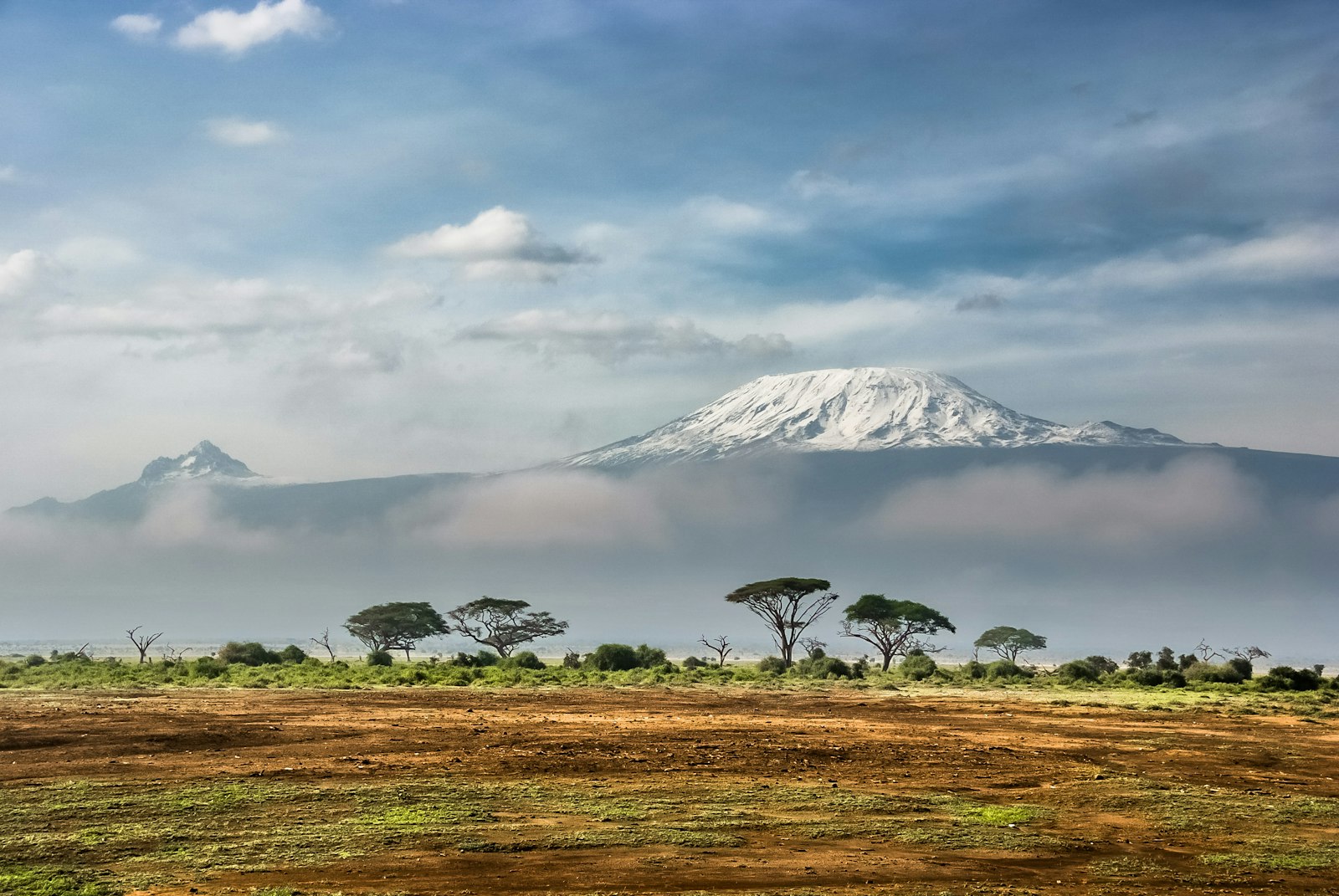
Kilimanjaro, in Tanzania, is the highest mountain in Africa. Its summit, Uhuru Peak, stands at about 5,895 metres, and you can reach it on a walk rather than a climb. Routes pass through rainforest, heath, moorland, alpine desert and the summit zone. Our itineraries include:
- Marangu route (6 days): the classic route, with sleeping huts rather than tents.
- Machame route (7 days): a scenic camping route whose extra day helps your body adjust to the altitude.
Longer routes usually give better acclimatisation and a higher chance of reaching the summit. Read more in our Tanzania destination guide.
The Aberdare Ranges
The Aberdares are a gentler introduction to mountain walking in Kenya. Misty moorlands, waterfalls, bamboo forest and views across the Rift Valley make a three-day trek rewarding without extreme altitude. It suits first-time trekkers, families with older children and travellers who want a shorter adventure before or after a safari. See our Aberdare National Park lodges guide if you prefer a lodge stay.
Best Time to Hike
| Mountain | Best months | Notes |
|---|---|---|
| Mount Kenya | January to February and August to September | Drier, clearer weather. Nights are cold at any time of year. |
| Kilimanjaro | January to March and June to October | The two dry seasons. June to October is busiest. |
| Aberdare Ranges | January to February and June to September | Drier months make the moorland trails easier. |
The long rains in April and May bring mud and cloud, and the short rains in November bring showers, though trekking remains possible. We confirm conditions before you travel.
Fitness and Altitude
Trekking at altitude is more about steady walking and patience than speed. You do not need mountaineering skills, but you do need regular walking or hiking practice before you arrive, ideally with some back-to-back days.
- Walk slowly. A slow, steady pace is the best protection against altitude problems.
- Drink plenty of water. Your guides remind you to drink often.
- Choose a longer route. Extra days make acclimatisation easier.
- Tell your guide how you feel. Headache, nausea or dizziness should always be reported straight away.
- Talk to your doctor. Ask about your health and any altitude medication before booking.
What to Pack
- Broken-in waterproof hiking boots and several pairs of warm socks.
- Layered clothing: base layers, a fleece, a down jacket and a waterproof shell.
- Hat, warm gloves, sunglasses and high-factor sun protection.
- A headlamp with spare batteries and a good sleeping bag for camping routes.
- Trekking poles, a daypack and a reusable water bottle.
We send a detailed packing list after you book, and we can arrange rental of some equipment.
Plan your East Africa trek
Share your dates, group size and fitness level, and we send a tailor-made itinerary with an itemised written quote.
Plan My Safari WhatsApp Our TeamPrefer email? Write to reservations@senseofadventure.co.ke
Combine a Trek With a Safari
Many guests pair a mountain with wildlife. A common plan is to trek first and then rest in the Masai Mara or Amboseli, or to finish on the coast. Read about safari combinations, our Masai Mara safari packages and our bush and beach safaris.
Hiking FAQs
Do I need experience to hike Kilimanjaro or Mount Kenya?
No technical experience is needed for Point Lenana on Mount Kenya or Uhuru Peak on Kilimanjaro, but you do need good walking fitness and preparation for altitude.
What is the best time of year to hike in East Africa?
January to February and June to October are generally the driest and most popular months, though conditions vary by mountain.
How many days do I need for Kilimanjaro?
Six to seven days is typical. Longer routes give your body more time to adjust and usually improve your chances of reaching the summit.
Is there an easier option than the big mountains?
Yes. The three-day Aberdare Ranges trek offers moorland, waterfalls and forest at a gentler altitude and suits first-time trekkers.
Are guides and porters included?
Yes. Our treks include trained guides, porters, permits and transfers, and we list exactly what is included in your quote.