
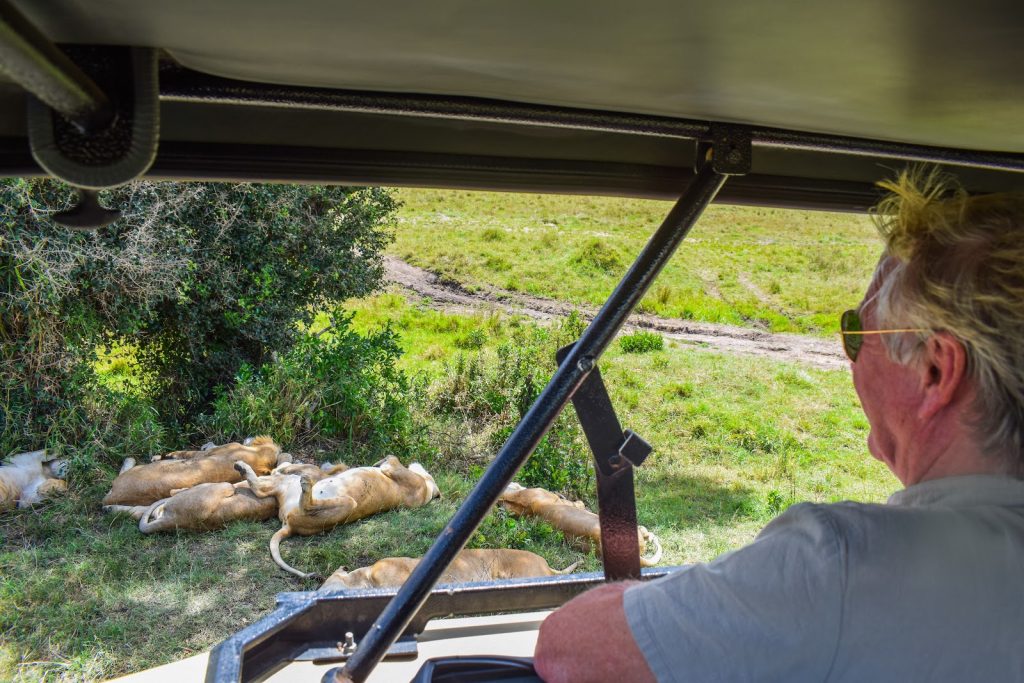
Planning a Kenya safari is the most rewarding travel planning exercise you will ever do — and it is also the most complex. Kenya has more park and reserve options than almost any other safari destination, a climatic calendar that varies dramatically by region, and a hospitality industry ranging from USD 80-a-night budget camps to USD 2,000-a-night ultra-luxury private conservancy lodges. Getting it right means understanding which parks to combine, when to go for which experience, how to connect between destinations efficiently, and how to balance your budget against your ambitions. Sense of Adventure has been planning Kenya safaris for years. This guide distils everything we know about building a perfect Kenya trip — practical, honest, and specific enough to actually be useful.
Start Planning Your Kenya Safari Today
Tell Sense of Adventure your dates, your budget, and what you want to see — we will design a Kenya itinerary that exceeds your expectations. No obligation, just expert advice.
The Kenya Safari Calendar: When to Go for What
Kenya’s safari calendar is not a simple “best season / worst season” story. Different parks peak at different times. The Great Migration is in the Masai Mara from July to October. Amboseli’s Kilimanjaro views are clearest in January and February. The flamingos at Lake Bogoria peak in the dry season but can be spectacular year-round. Understanding the calendar at the level of individual destinations is what allows Sense of Adventure to build itineraries that hit multiple highlights rather than missing them.
| Month | Masai Mara | Amboseli | Samburu | Coast |
|---|---|---|---|---|
| Jan – Feb | ⭐⭐⭐⭐ Big cats | ⭐⭐⭐⭐⭐ Best Kili | ⭐⭐⭐⭐⭐ Dry & hot | ⭐⭐⭐⭐⭐ Perfect |
| Mar – May | ⭐⭐⭐ Lush & green | ⭐⭐⭐ Long rains | ⭐⭐⭐ Rains | ⭐⭐ Rains |
| Jun – Oct | ⭐⭐⭐⭐⭐ Migration | ⭐⭐⭐⭐ Dry & clear | ⭐⭐⭐⭐ River | ⭐⭐⭐⭐ Good diving |
| Nov – Dec | ⭐⭐⭐⭐ Excellent | ⭐⭐⭐⭐ Short rains | ⭐⭐⭐⭐ Good | ⭐⭐⭐⭐ Very good |
Kenya Safari Circuits: Recommended Itineraries by Duration
📅 Kenya Safari Itinerary Templates
5 days — Classic Kenya Starter
Day 1: Arrive Nairobi. Day 2–4: Masai Mara (3 nights). Day 5: Return to Nairobi for evening flight. This is the minimum viable Kenya safari — three game drives in the Mara, one bush breakfast, and an understanding of what Kenya wildlife looks like at its best.
7 days — Masai Mara & Amboseli
Day 1: Arrive Nairobi. Day 2–4: Masai Mara (3 nights). Day 5–7: Amboseli (2 nights). Return via Amboseli-Nairobi drive or flight. The classic Kenya twin-park circuit: big cats and migration in the Mara, elephants and Kilimanjaro in Amboseli.
10 days — Masai Mara, Nakuru & Samburu
Days 1–4: Masai Mara. Day 5: Drive to Lake Nakuru (overnight). Days 6–9: Samburu (3 nights). Day 10: Return to Nairobi. The full north-south Kenya safari circuit, combining southern migration country with Rift Valley and northern desert wildlife.
14 days — The Complete Kenya Experience
Days 1–2: Nairobi (NNP, Sheldrick, Giraffe Centre). Days 3–6: Masai Mara (4 nights). Day 7: Lake Nakuru (overnight). Days 8–10: Samburu (3 nights). Days 11–13: Diani Beach or Lamu (3 nights coast). Day 14: Mombasa/Nairobi departure. This is Kenya in full — bush, Rift Valley, north, and coast.
How to Choose Between Kenya’s Safari Accommodations
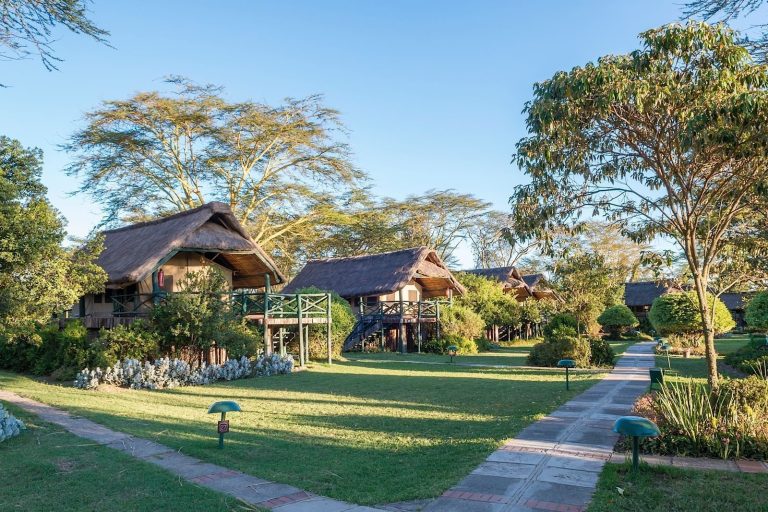
Kenya’s safari accommodation ranges across four broad tiers, and Sense of Adventure works confidently across all of them.
Budget Camps (USD 80–150 pp/night)
Basic tented or permanent-room accommodation with communal dining, shared facilities, and standard game drives. Good value, genuine safari experience, suitable for young travellers and budget-conscious visitors. Sense of Adventure selects only the cleanest and best-managed budget properties with reliable guides.
Mid-Range Camps (USD 150–400 pp/night)
Well-appointed permanent tents or cottages with en-suite bathrooms, good food, attentive service, and higher guide quality. The sweet spot for most Kenya safari travellers — genuine comfort without the ultra-luxury price tag. Most camps at this tier include all meals, twice-daily game drives, and walking activities.
Luxury Camps (USD 400–700 pp/night)
Spacious tents with private verandas, hot showers, excellent cuisine, private game vehicles, and specialist naturalist guides. Often located in private conservancies where night drives, walking safaris, and exclusive access to wildlife areas are included. Fewer vehicles at sightings. Better service ratios. Significantly better guide quality.
Ultra-Luxury Camps (USD 700–2,000+ pp/night)
Private plunge pools, butler service, bespoke dining, private game vehicles with specialist photographers and conservancy owners as guides, and access to areas no other guests reach. Some of the world’s finest hospitality occurs in the private conservancies around the Masai Mara and in the northern conservancies. For guests for whom travel is an art form, these properties are extraordinary.
What to Pack for a Kenya Safari
Kenya’s safari dress code is simple: neutral colours (khaki, olive, tan, grey — never white or black), light layers for morning cold and midday heat, closed shoes for bush walks, and a warm fleece for pre-dawn game drives. Beyond clothing, bring sunscreen (high factor), a sun hat, binoculars (essential — 8×42 is the standard for wildlife), and a camera with a lens of at least 200mm. Sense of Adventure provides a complete packing checklist to all confirmed guests, tailored to the specific parks and seasons on your itinerary.
How Sense of Adventure Makes Kenya Simple
Planning a Kenya safari involves park fees, accommodation bookings, flight connections, visa applications, airport transfers, guide briefings, and weather monitoring. Sense of Adventure handles everything — one team, one point of contact, from your first enquiry to your final airport transfer. We have relationships with every camp and lodge category in every park on this list. We monitor conditions in real time. We adjust itineraries when conditions dictate. We provide 24/7 in-country support. You focus on the experience. We focus on making it perfect. Contact us to begin planning your Kenya safari — via WhatsApp or phone, any time.
Browse our destination guides to learn more about specific Kenya locations: Masai Mara, Amboseli, Lake Nakuru, Diani Beach, Nairobi, Samburu, Mount Kenya, Lake Bogoria, and Lamu Island.
Tell Us Your Dream Kenya Safari. We Will Build It.
Message Sense of Adventure on WhatsApp right now — tell us your travel dates, group size, and what you want to experience. We will respond with a personalised Kenya itinerary within 24 hours.
Frequently Asked Questions — Kenya Safari Planning
How much does a Kenya safari cost?
Kenya safari costs vary enormously depending on accommodation tier, duration, and destination. A budget 7-day Masai Mara and Amboseli circuit starts from approximately USD 1,500 per person including accommodation, meals, game drives, and transfers. A mid-range equivalent runs USD 2,500–4,000. Luxury and ultra-luxury circuits range from USD 5,000 to USD 15,000+ per person. Sense of Adventure builds accurate, itemised cost estimates for every enquiry — contact us with your details for a specific quote.
Do I need a visa for Kenya?
Most international visitors require a visa for Kenya, now processed through the Kenya Electronic Travel Authorisation (ETA) system at etakenya.go.ke. The ETA costs USD 30 for most nationalities and is typically approved within 72 hours. Sense of Adventure provides visa guidance to all guests as part of the planning process and will flag any specific requirements for your nationality.
What vaccinations do I need for Kenya?
Recommended vaccinations for Kenya include Hepatitis A and B, typhoid, tetanus/diphtheria, and rabies for those spending extended time in rural areas. Yellow fever vaccination is mandatory if arriving from a yellow fever endemic country. Malaria prophylaxis is recommended for the safari parks and coastal areas. Consult your GP or travel clinic at least 6 weeks before departure. Sense of Adventure provides a pre-travel health checklist to all confirmed guests.
Is Kenya safe for tourists?
Kenya’s safari parks and tourist areas are well-established, professionally managed, and receive hundreds of thousands of international visitors annually without incident. The tourist infrastructure — guides, camps, transfers — has decades of experience managing international guests safely. Sense of Adventure provides comprehensive pre-departure safety briefings and 24/7 in-country support for all guests.
What is the difference between a national park and a conservancy in Kenya?
Kenya National Parks and Reserves are government-managed, with set park fees and regulations — vehicle-based game drives, no off-road driving, no night drives in most areas. Private conservancies are community or private-owned lands adjacent to the main parks, often offering exclusive wildlife areas with fewer vehicles, night drives, walking safaris, and a higher personalised service ratio. Sense of Adventure designs itineraries that use both — the conservation depth of the parks and the intimacy of the conservancies.