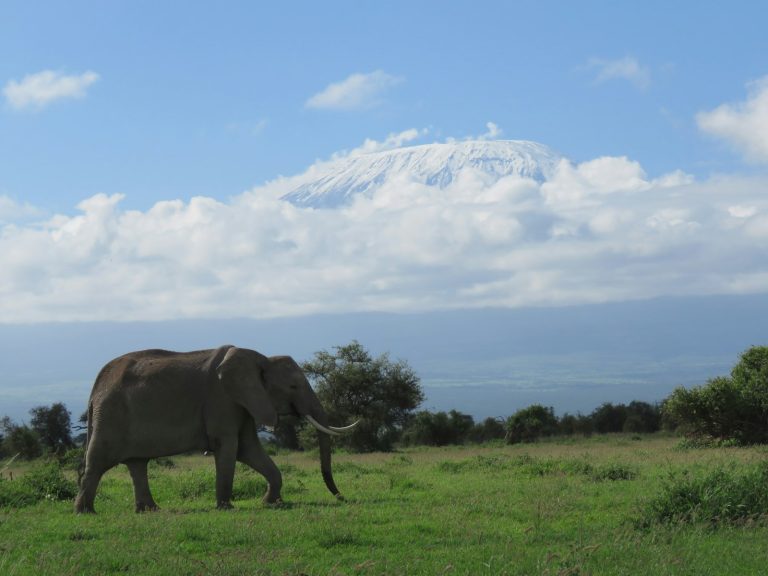
This Amboseli National Park guide starts with the most iconic image in African wildlife photography: a massive bull elephant walking across a cracked clay floodplain while Mount Kilimanjaro — snow-capped, impossibly large, filling the entire southern sky — rises behind it. Few places on earth put Africa’s largest land animal and Africa’s highest mountain in the same frame so reliably. Sense of Adventure brings guests to Amboseli because this image, seen in person for the first time, stops people in their tracks. The photographs they take here go on their walls. The experience stays with them for a lifetime.
Book Your Amboseli Safari Today
Sense of Adventure builds Amboseli into Kenya safari circuits that make the most of the elephant herds and Kilimanjaro views. Contact us now.
What Makes Amboseli Different from Every Other Kenya Safari
No other Kenyan park pairs wildlife and mountain quite like Amboseli. The park occupies a shallow basin — the former bed of a Pleistocene lake — fed by underground water from Kilimanjaro’s glaciers. This underground water creates a series of swamps in the otherwise semi-arid landscape: Enkongo Narok, Longinye, and Ol Tukai swamps, which act as magnets for wildlife across the broader ecosystem. Elephants, hippos, buffalo, and waterbirds concentrate in and around these permanent water sources, making game drives intensely productive even in dry conditions.
But the mountain is the thing. Kilimanjaro sits just 35 km south of Amboseli — so close that on a clear morning it fills your windscreen. Kenya’s southern border runs between the two; the mountain stands in Tanzania but owns the Amboseli sky. The best views come in the early morning, before the clouds build from around 10am, and in the late afternoon when the light turns golden and the summit glows. Sense of Adventure times game drives to maximise both the mountain views and the wildlife concentration at the swamps.
Amboseli’s Extraordinary Elephant Herds
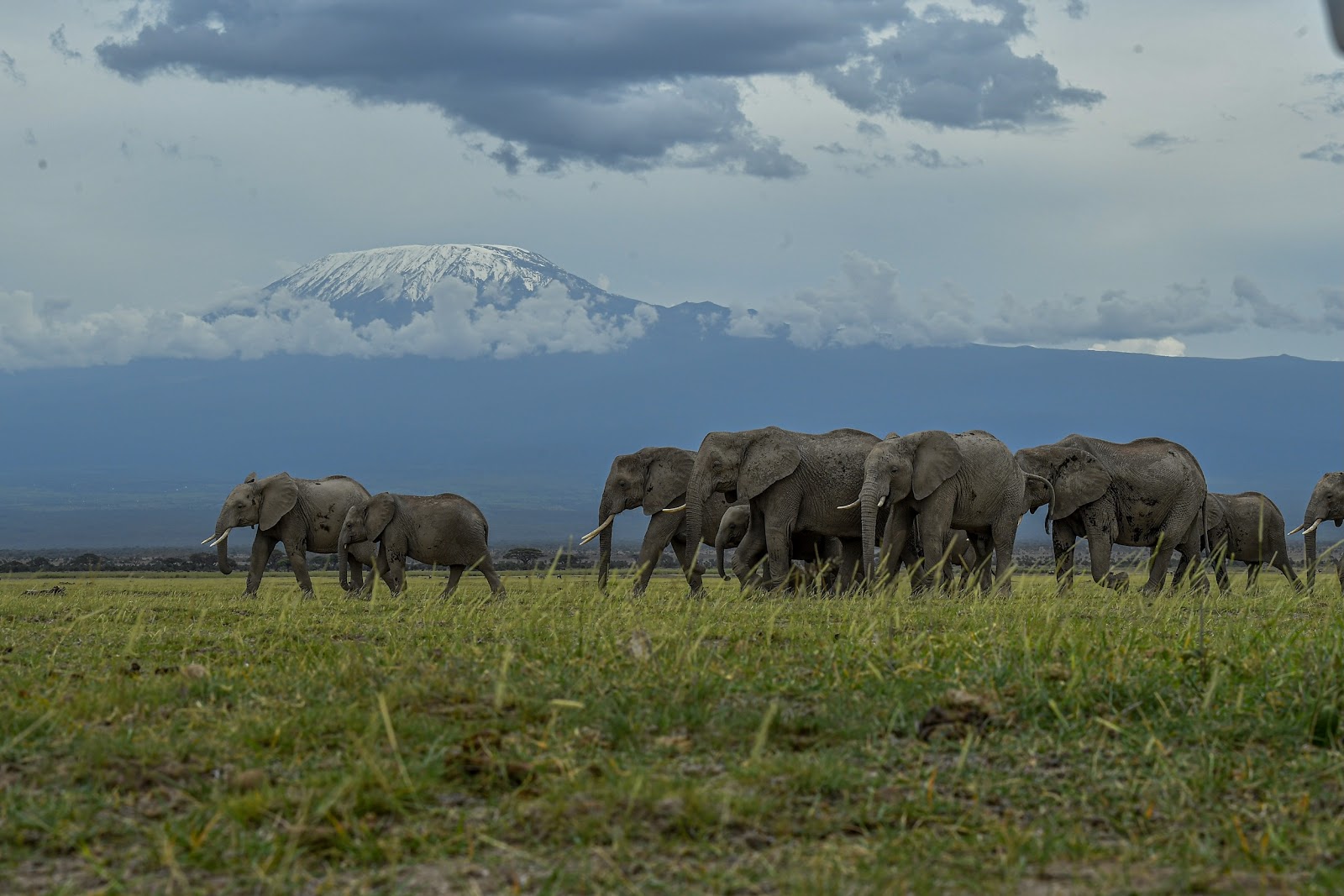
Amboseli is famous across Africa for the quality of its elephant research and the intimacy of its elephant encounters. The Amboseli elephants are among the most studied in the world — the Amboseli Elephant Research Project has tracked individual elephants and their families for over 50 years, building one of the deepest bodies of elephant behavioural knowledge in existence.
This long history of observation means the Amboseli elephants are extraordinarily relaxed around vehicles. You can sit quietly close to a family group as the matriarch leads her calves to the swamp, watching three generations of the same lineage move together with a social intelligence that is unmistakably purposeful. Amboseli is also one of the best places in Africa to see big-tusked bulls.
Wildlife Beyond the Elephants
Elephants are the headline, but Amboseli rewards patient game viewers with far more. Lions are seen regularly, along with spotted hyenas and, with luck, cheetahs hunting on the open plains. Buffalo and hippos gather around the swamps, while Maasai giraffes, plains zebras, wildebeest, Grant’s and Thomson’s gazelles graze the grasslands. Look out for the long-necked gerenuk, an antelope that stands on its hind legs to browse.
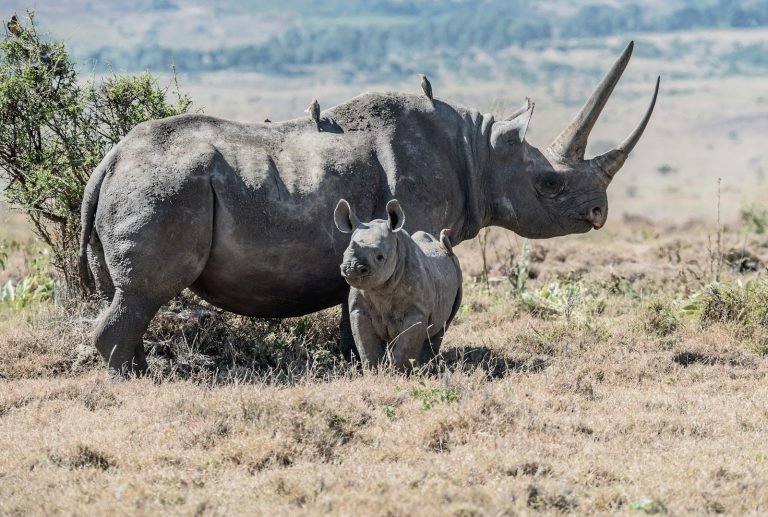
Leopards are present but rarely seen here, and there are no rhinos in the park. If the full Big Five matters to you, combine Amboseli with the Masai Mara, Lake Nakuru or Ol Pejeta. Your guide will explain how the open terrain makes Amboseli one of the easiest parks in Kenya for spotting animals, even for first-time visitors.
Amboseli National Park Guide to Birdlife
With more than 400 recorded bird species, Amboseli is a quiet delight for birders. The swamps attract pelicans, herons, African jacanas, kingfishers and many waders, and the seasonal Lake Amboseli can draw flamingos after good rains. On the plains you may see kori bustards, secretary birds, crowned cranes and a range of raptors. Bring binoculars, and ask your guide to stop at the swamp edges, where birdlife is richest.
Five Essential Amboseli Experiences
Dawn Game Drive — Kilimanjaro at Sunrise
The alarm goes at 05:30. By 06:00 you are out on the plains as the sky lightens behind Kilimanjaro, the mountain shifting from black silhouette to pink to blazing white gold. Elephant herds move from their overnight feeding areas toward the swamps. Lions return from their nocturnal hunts. The cool air is perfectly still. This is Amboseli at its best, and Sense of Adventure’s guides know exactly where to position guests for the most extraordinary mountain-and-wildlife compositions.
Swamp Game Drive — Hippos, Birds & the Marsh
The Amboseli swamps are a world unto themselves. The Enkongo Narok swamp in the park’s centre holds large hippo pods, enormous flocks of pelicans and herons, and concentrations of buffalo and elephant that drink at the water’s edge throughout the day. The papyrus and reeds create corridors where leopards occasionally hunt. The birdlife is exceptional — kingfishers, malachite and pied, hunt along every channel.
Observation Hill — The Panoramic View
Observation Hill is the one place in Amboseli where you step out of your vehicle and see the entire landscape laid out below you — the swamps, the plains, the distant edge of the Kilimanjaro ecosystem, and the mountain itself dominating the southern horizon. Wildebeest, zebra, and elephant are visible in every direction. The scale of this view is something no game drive can replicate.
Maasai Cultural Experience
Amboseli sits at the heart of Maasai territory, and the community’s relationship with the landscape and its wildlife is complex, ancient, and fascinating. Sense of Adventure arranges genuine Maasai cultural interactions — not performance tourism, but time with community members who share their knowledge of the land, their cattle traditions, and their perspective on conservation. Several of Amboseli’s finest camps are Maasai-owned or community-benefit operations.
Sunset Photography Drive
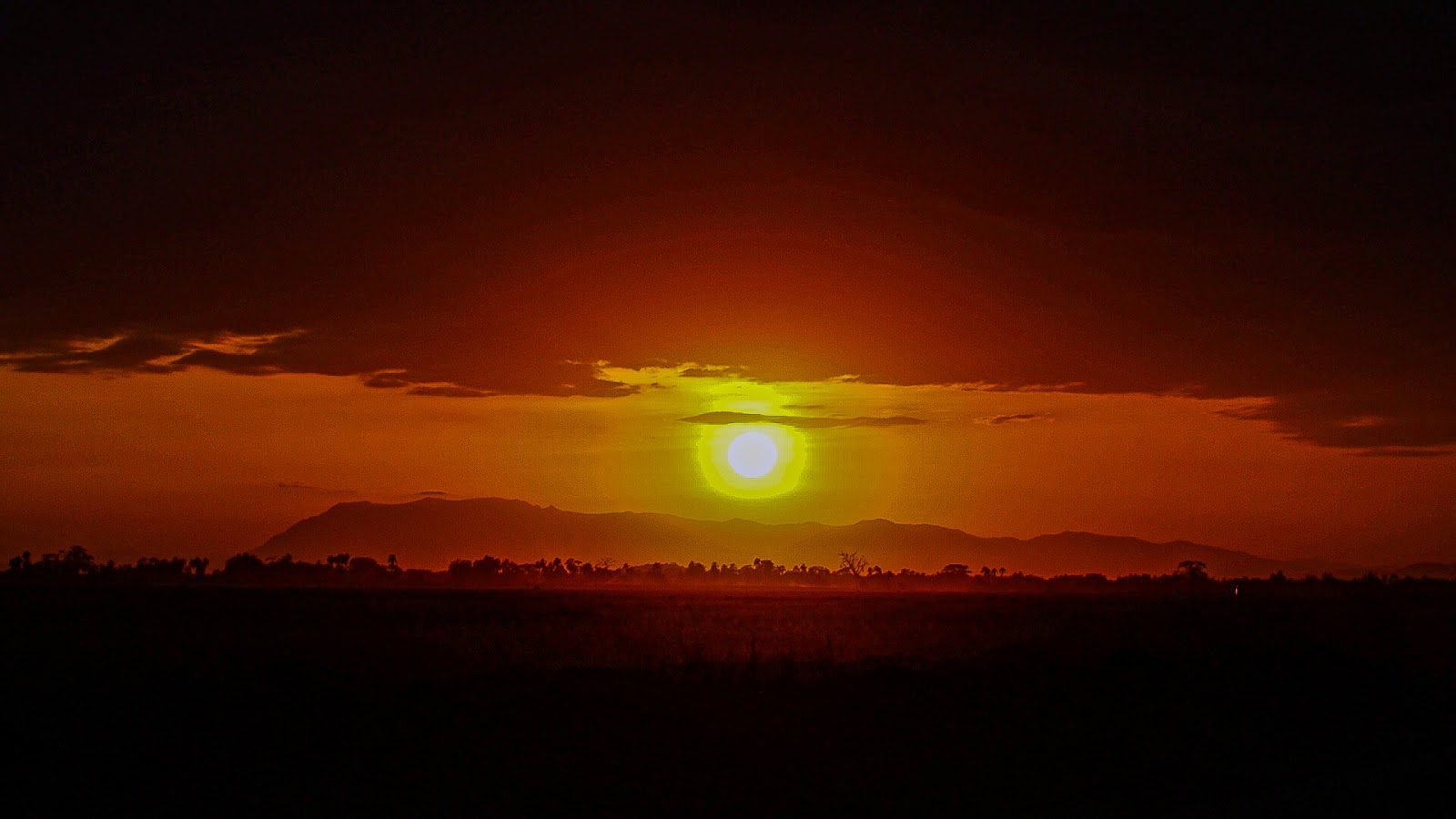
Between 16:30 and 18:30, as the afternoon heat breaks and the light turns amber, Amboseli becomes a photographer’s dream. The golden light on Kilimanjaro. Elephant silhouettes against a burning orange sky. Giraffes moving against the mountain backdrop. Sense of Adventure positions guests for the best photographic compositions — our guides understand light, angle, and animal behaviour in a way that amateur luck alone cannot replicate.
Best Time to Visit Amboseli National Park
| Season | Kilimanjaro Views | Wildlife | Notes |
|---|---|---|---|
| Jan – Feb | ⭐⭐⭐⭐⭐ Best | ⭐⭐⭐⭐ Excellent | Clearest skies of the year |
| Mar – May | ⭐⭐ Variable | ⭐⭐⭐ Good | Long rains, lush green scenery |
| Jun – Oct | ⭐⭐⭐⭐ Very good | ⭐⭐⭐⭐⭐ Peak | Dry, excellent game concentration |
| Nov – Dec | ⭐⭐⭐ Good | ⭐⭐⭐⭐ Very good | Short rains, fewer visitors |
Amboseli is a year-round park, but our Amboseli National Park guide advice is simple: if Kilimanjaro views matter most, aim for January to February or June to October. In the dry months the swamps pull wildlife into a smaller area, and the dusty plains create dramatic light at sunrise and sunset. During the rains the park turns green, visitor numbers drop and some lodges offer lower rates, though cloud hides the mountain more often.
Amboseli National Park Guide: Getting There and Park Fees
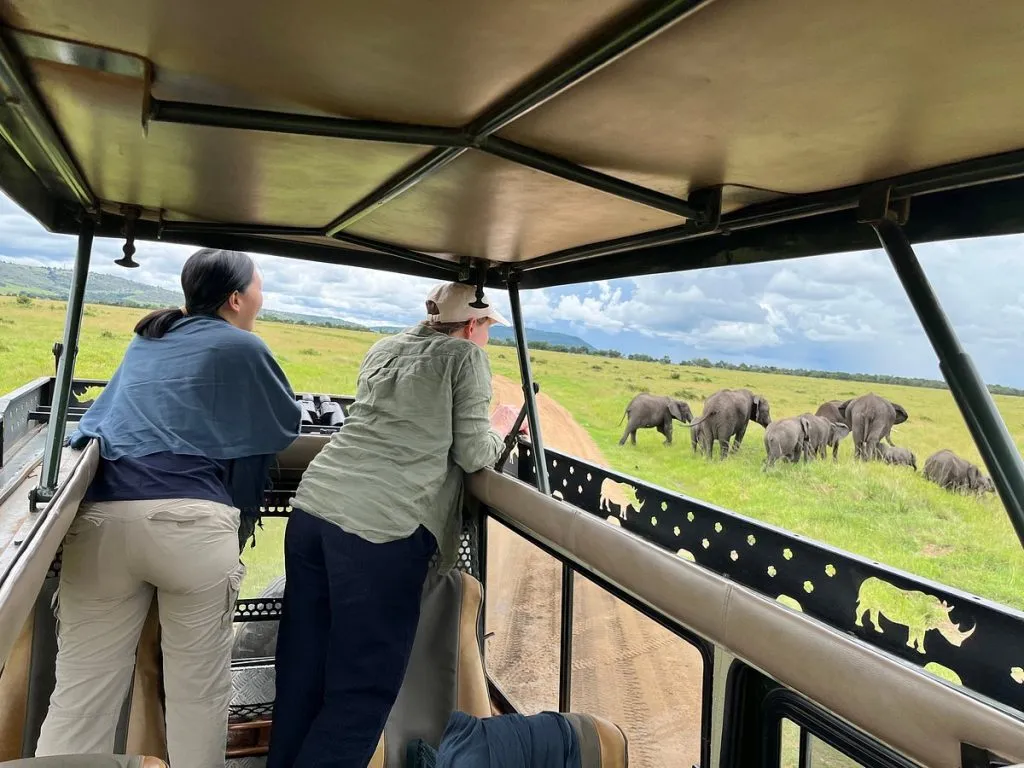
Amboseli lies about 240 km south-east of Nairobi. By road the journey takes roughly 4 to 5 hours, either via Namanga on the Tanzania border road or via Emali on the Nairobi–Mombasa highway. The final stretch can be dusty or bumpy, so a 4×4 safari vehicle with a pop-up roof is the best choice. Our private Amboseli safari page explains how we plan the drive, with stops for a break on the way.
Scheduled light aircraft fly from Wilson Airport in Nairobi to Amboseli in about 45 minutes, which saves time on a longer Kenya circuit. Many guests also reach Amboseli from the coast, combining it with Tsavo West on the way to or from Mombasa and Diani.
The park is managed by the Kenya Wildlife Service, which charges conservation fees per person per visit. Payment at the gates is cashless, and fees change from time to time, so check current rates with us or KWS. On our packages, park fees are included in the price. Most visitors also need a Kenya Electronic Travel Authorisation, applied for on the official eTA Kenya website before travel.
Where to Stay in and Around Amboseli
You can stay inside the park, close to the swamps and the best game-viewing areas, or in the Maasai community conservancies on its edges. Lodges inside the park, such as Ol Tukai Lodge and Amboseli Serena Safari Lodge, give you the shortest drive to the elephants at first light. Conservancy camps outside the park offer a quieter, more exclusive feel, and some allow guided walks and night drives that are not permitted inside the national park.
Your choice depends on budget and style. Tell us whether you prefer a classic lodge with a pool, an intimate tented camp or a family-friendly option, and we will suggest properties that match. If you are combining parks, we can also match the style of your Amboseli stay with your camps elsewhere in Kenya.
Amboseli Safari Packages and Costs
The trips below put this Amboseli National Park guide into practice. Amboseli works as a short break from Nairobi or as part of a longer Kenya circuit. Popular options include:
- Amboseli Day Safari, a long but rewarding day trip from Nairobi.
- 2-Day Amboseli Safari from Nairobi, from USD 520 per adult sharing, with afternoon and sunrise game drives.
- Amboseli Elephant Photographic Safari (4 Days), for photographers who want time to wait for the perfect light.
- Tsavo & Amboseli Safari from Mombasa (4 Days), ideal if you are staying on the coast.
- 6 Days Kenya Safari – Amboseli & Masai Mara, the classic elephants-and-big-cats combination.
Final prices depend on season, accommodation and group size. Message us with your dates and we will send a clear quote with everything that is included.
What to Pack for an Amboseli Safari
- Neutral-coloured, lightweight clothing in layers, as mornings can be cool and middays hot
- A warm fleece or jacket for early game drives
- A wide-brimmed hat, sunglasses and high-factor sunscreen
- A scarf or buff to keep dust out of your face on dry-season drives
- Binoculars and a camera with a zoom lens of 200 mm or more
- A dust-proof bag or cover for camera gear
- Insect repellent and any malaria prevention advised by your doctor
Every packing tip in this Amboseli National Park guide assumes dust, sun and early starts. Soft-sided bags are best if you are flying in, as light aircraft have strict luggage limits. Your Sense of Adventure team will confirm the allowance for your flight.
Amboseli Park Rules and Responsible Travel
The last section of this Amboseli National Park guide matters as much as the first. Amboseli’s soils are fragile, so off-road driving is not allowed and vehicles must stay on marked tracks. Guests stay inside the vehicle except at designated points such as Observation Hill and lodges. Keep noise low around animals, never feed wildlife, and follow your guide’s advice on distance, especially around elephant families with young calves.
Flying drones in Kenya’s national parks needs special permission, so leave yours at home unless it has been arranged in advance. Choosing community-run conservancy camps and buying crafts directly from Maasai artisans helps local families benefit from tourism. For wider travel ideas, the official Magical Kenya tourism site is a useful resource.
Pairing Amboseli With Other Kenya Destinations
Amboseli pairs most naturally with the Masai Mara on a classic 6-night Kenya safari — the two parks bookend a perfect Kenya experience, combining the Mara’s big cat density and migration spectacle with Amboseli’s elephants and mountain. Adding Diani Beach after Amboseli creates a classic bush-and-beach Kenya holiday. Our Kenya safari planning guide has full circuit options for every duration and budget, and our private Masai Mara safari page shows how the two parks fit together.
Kilimanjaro is Waiting. The Elephants Are Ready.
Book your Amboseli safari with Sense of Adventure. We craft every itinerary to make the most of Kenya’s most iconic landscape.
Frequently Asked Questions — Amboseli National Park
What is Amboseli famous for?
Amboseli is famous for two things above all: its exceptionally large and relaxed elephant herds — over 1,600 resident elephants — and its unobstructed views of Mount Kilimanjaro, Africa’s highest mountain at 5,895 m, rising just 35 km to the south across the Tanzanian border. The combination of elephants and mountain in a single photograph is the most iconic image in African wildlife.
Can you see Kilimanjaro clearly from Amboseli?
Yes — on a clear day, Kilimanjaro dominates the southern horizon from almost everywhere in the park. The best views occur in the early morning before cloud builds around the summit from approximately 10am, and again in the late afternoon when the light turns golden. January and February offer the most reliably clear views. Our guides know exactly where to position guests for the best Kilimanjaro backdrop.
How far is Amboseli from Nairobi?
Amboseli is approximately 240 km from Nairobi — about a 4 to 5-hour drive via Namanga or Emali. Wilson Airport in Nairobi operates daily scheduled flights to Amboseli airstrip, reducing travel time to approximately 45 minutes. Sense of Adventure arranges both road transfers and flights as part of your itinerary.
Is Amboseli good for Big Five sightings?
Amboseli delivers excellent elephant sightings — arguably the best anywhere in Kenya. Buffalo and lions are regularly seen, while leopards are present but rarely spotted. Rhinos are not resident in Amboseli but can be combined by adding Lake Nakuru to your circuit. Hippos are reliably seen in the swamps. For the full Big Five experience, we recommend pairing Amboseli with the Masai Mara.
How many nights do I need in Amboseli?
Two nights in Amboseli is the practical minimum — giving you one afternoon drive, one full day, and a final morning drive before departure. Three nights is ideal for photographers and wildlife enthusiasts who want maximum time with the elephant herds and flexibility to wait for clear Kilimanjaro conditions. Sense of Adventure will recommend the right duration based on your overall Kenya itinerary.
Is a day trip to Amboseli from Nairobi worth it?
A day trip is possible and worthwhile if time is short, but it means around eight to ten hours on the road for a few hours of game viewing, usually in the middle of the day when Kilimanjaro is often in cloud. If you can spare one night, a two-day safari gives you sunset and sunrise drives, when light and mountain views are best.
Is Amboseli suitable for families with children?
Yes. Amboseli’s flat, open plains make animals easy to spot, and game drives can be kept short for younger children. Many lodges have pools and family rooms. Children must stay inside the vehicle, and some camps set minimum ages for certain activities, so tell us your children’s ages and we will choose suitable accommodation.