This Lamu Island guide shows you how to plan a stay in Kenya’s oldest living Swahili town, from flights and where to sleep to dhow trips and local etiquette. Lamu Island is Kenya’s most extraordinary escape — a UNESCO World Heritage Site, an Arab-Swahili trading town that has changed less in the past thousand years than almost any inhabited settlement on earth, and a beach that rivals the Maldives for beauty.
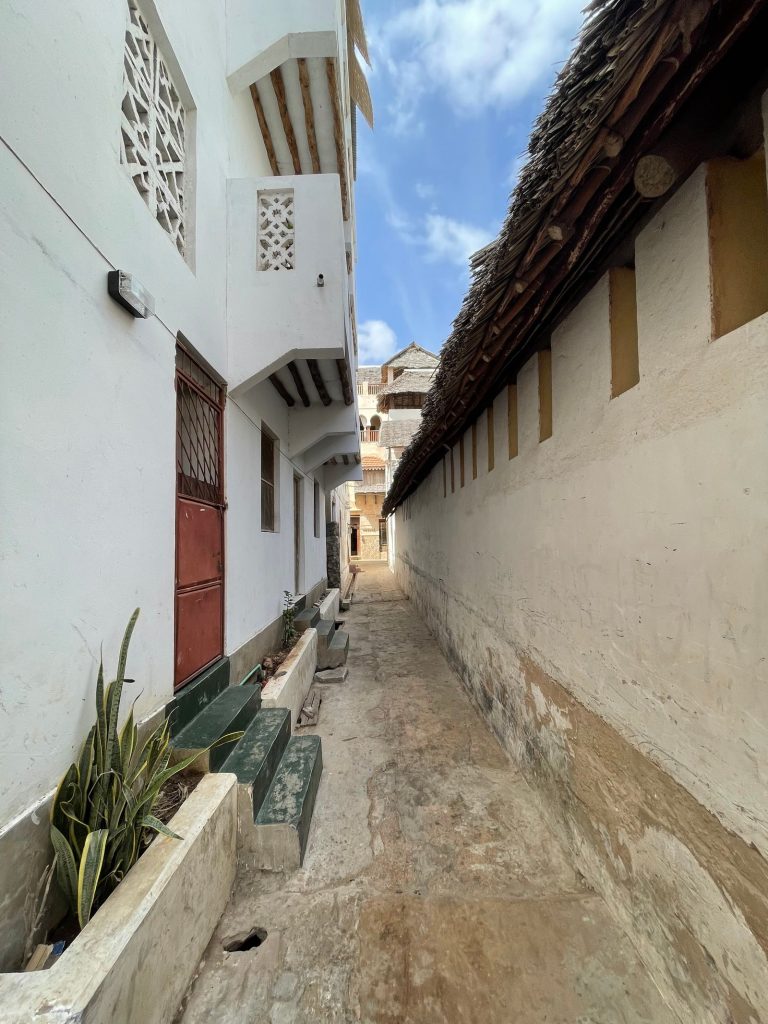
The town of Lamu has no cars. The streets are too narrow — and in any case, Lamu’s residents have used donkeys as transport for centuries and intend to continue. The coral-stone houses have carved wooden doors that tell family histories in their decoration.
The waterfront is alive with dhow traffic at all hours, the boats identical in hull form to the vessels that traded here when Lamu was a major Indian Ocean port in the 13th century. And ten minutes by boat from the crowded, fragrant, extraordinary town, the Shela Beach stretches twelve kilometres through the dunes, completely deserted. Sense of Adventure brings guests to Lamu as the most distinctive finale to a Kenya journey — a place unlike anywhere else.
Finish Your Kenya Adventure at Lamu
Sense of Adventure arranges Lamu stays as the perfect cultural and coastal finale to a Kenya safari. Contact us to include it in your itinerary.
Lamu Old Town: A UNESCO World Heritage Walking Experience
Lamu Old Town was inscribed on the UNESCO World Heritage List in 2001 as “the oldest and best-preserved Swahili settlement in East Africa.” The description is accurate but cannot prepare you for the experience of walking into it. The streets are 1.5 metres wide in places, shaded by upper floors that lean toward each other overhead. The smell is wood smoke, incense, fish, and salt water. A donkey turns a corner ahead of you and its owner navigates it past with a sharp word and a practiced hand. Behind a doorway — an extraordinary carved wooden doorway with brass studs and Arabic inscriptions — a courtyard opens onto a family home identical in layout to houses here seven centuries ago.
The main sights sit within a few minutes’ walk of each other. The Lamu Museum on the waterfront explains Swahili culture, boat building and the island’s ceremonial horns. Lamu Fort, built in the early 19th century and once used as a prison, now hosts exhibitions and looks over the main square. The small German Post Office Museum recalls the brief period in the late 1880s when Germany ran a post office here. You can read the full heritage listing on the UNESCO World Heritage Centre website.
Five Essential Lamu Experiences
Every Lamu Island guide could list dozens of things to do, but these five are the experiences our guests remember most. All of them can be arranged privately and at your own pace.
Old Town Walking Tour — 700 Years of Swahili History
Sense of Adventure arranges guided walking tours of Lamu Old Town with expert local guides who know the history of individual houses, the genealogy of the old trading families, and the architectural language of the carved doorways. The Lamu Museum, Swahili House Museum, and the Saturday market are included. The tour takes 3–4 hours and leaves you understanding Lamu’s place in East African history with a clarity that no amount of prior reading provides.
Dhow Sunset Cruise on the Indian Ocean
Lamu’s dhow fleet is the largest surviving traditional sailing fleet in East Africa — working dhows, built on the island using techniques unchanged for centuries, still sail the Indian Ocean routes they have followed since the Swahili Coast’s trading heyday. A private sunset dhow cruise from Lamu Harbour — past the mangroves, across the channel to Manda Island, and back as the sky turns gold — is the most romantic experience available anywhere on Kenya’s coast.
Shela Beach — Twelve Kilometres of Deserted Indian Ocean Shore
Shela Beach begins at the village of Shela — a short donkey ride or boat trip from Lamu town — and runs twelve kilometres north through sand dunes that shift with the Indian Ocean trade winds. There are no hotels on the beach itself, no beach vendors, no parasols. Just the Indian Ocean, the dunes, the sky, and you. The swimming is excellent, the snorkelling at the north end of the beach is rewarding, and the sunsets from the dune crests are the finest on Kenya’s coast.
Manda Island & Takwa Ruins
A boat trip across the channel from Lamu reaches Manda Island and the extraordinary Takwa Ruins — the remains of a Swahili town abandoned in the 17th century, its mosque, wells, and house walls still standing in a forest of baobab and mangrove. The silence in these ruins, the birdsong, and the knowledge that the town functioned for 300 years and then simply stopped makes Takwa one of the most atmospheric historical sites in East Africa.
Swahili Cooking Class — The Cuisine of the Indian Ocean
Lamu’s cuisine draws on centuries of Arab, Indian, and African culinary exchange — the spices that once made this port wealthy flavour the pilau rice, the coconut curries, the biryani, and the freshly grilled seafood that are the backbone of Lamu’s food culture. Sense of Adventure arranges Swahili cooking classes with local chefs in Old Town kitchens — guests leave with dishes, recipes, and a completely new understanding of what the spice trade actually tasted like.
More things to do on and around Lamu
- Matondoni village: a fishing village on the far side of the island where dhows are still built by hand on the shore. A morning dhow sail there, with lunch in the village, shows how the boats are made.
- The Donkey Sanctuary: a small clinic in Lamu town that cares for the island’s working donkeys. It is a short, free visit and explains how important donkeys still are to daily life here.
- Mangrove channels: a slow boat or kayak trip through the mangroves between Lamu and Manda is calm, shaded and good for birdwatching.
- Snorkelling at Manda Toto: on calm days, a full-day dhow trip to the reefs off Manda Toto island offers the best snorkelling in the archipelago, usually with a beach lunch of grilled fish.

Getting There: Lamu Island Guide to Flights and Boats
Lamu town itself has no airport and no road bridge, which is part of its charm and the first thing any Lamu Island guide should explain. Almost every visitor flies to Manda Airport on neighbouring Manda Island and then takes a short boat across the channel.
Flights to Manda
Scheduled flights link Manda with Nairobi and with Mombasa and Malindi on the coast. From Nairobi the flight takes around 90 minutes. Most domestic flights to the coast use small or medium aircraft, so pack in a soft bag and check the luggage allowance on your ticket, which is often around 15 kg. Charter flights can also connect Lamu directly with safari airstrips as part of a fly-in itinerary.
The boat transfer
From Manda Airport a jetty is just a few steps away. A motorboat takes around 10 minutes to Lamu town and a little longer to Shela. Your hotel or our team arranges the boat and someone meets you on the jetty to carry your bags, since there are no cars on the other side.
Where to Stay: Lamu Town, Shela or Manda
Lamu town suits travellers who want to be in the heart of the old town, with restored Swahili houses, rooftop terraces and the waterfront on the doorstep. It is busy, atmospheric and full of life. Shela, a short boat ride or a 40-minute walk along the shore, is quieter, with beautiful guesthouses and easy access to the long beach. Manda Island, across the channel, has a small number of secluded beach properties for those who want total peace.
Many of the best places to stay are restored merchants’ houses run on a small scale, so rooms are limited and fill early over Christmas, New Year and festival dates. We recommend a mix of nights in town and in Shela if you have four or more nights.
Best Time to Visit Lamu
Lamu is warm all year, with daytime temperatures usually around 28–32°C. The main factors are rain and wind. The long rains fall mostly between April and June, when some smaller hotels close. The north-east monsoon, the kaskazi, brings hot, calm weather from about December to March, which is the best time for snorkelling trips. The south-east kusi monsoon blows from about June to September, bringing breezier conditions and lively sailing.
Two cultural events are worth timing a trip around. The Lamu Cultural Festival, usually held in November, features dhow races, donkey races and Swahili poetry. Maulidi, the celebration of the Prophet’s birthday, draws pilgrims from across East Africa; its date moves each year with the Islamic calendar. For a wider view of the seasons, see our Kenya weather by month guide.
What a Lamu Trip Costs
Lamu Island guide to package prices
Lamu is not a budget destination once you add flights, but it rewards every shilling. These are prices from our current packages, per person in US dollars:
- Lamu & Masai Mara Honeymoon (8 days) — from USD 3,800, combining big cats in the Mara with a slow Swahili finale.
- Luxury Fly-in Safari Kenya – Masai Mara, Laikipia & Lamu (12 days) — from USD 8,900.
- Swahili Coast Heritage Tour (3 days) — from USD 550, for travellers who want Swahili old towns and Fort Jesus on a shorter budget.
Hotel rates in Lamu vary widely by season, so check current rates with us when you use this Lamu Island guide to plan your dates. Dhow trips, guided walks and cooking classes are usually modest extras. Bring enough Kenyan shillings in cash, as there are only a few ATMs on the island and many small shops do not take cards.
A Simple 3-Night Lamu Plan
Day 1: Fly to Manda and take the boat to Lamu town. Settle in, then take a gentle late-afternoon walk along the waterfront and watch the dhows come in.
Day 2: Join a guided morning walk of the old town, the museum and the fort. After lunch, rest in the heat, then board a dhow for a sunset sail past the mangroves.
Day 3: Move to Shela or take a day trip there. Spend the morning on the long beach, climb a dune for the view and enjoy a seafood lunch. In the evening, try a Swahili cooking class.
Day 4: Cross to Manda for a visit to the Takwa Ruins if time allows, then transfer to the airport for your flight.
Etiquette and Practical Tips for Lamu
A little local knowledge goes a long way on a small island. This part of our Lamu Island guide covers the customs and practical details that make a stay smoother.
- Dress modestly in town. Lamu is a conservative Muslim community. Cover shoulders and knees in the old town, and keep swimwear for the beach and your hotel.
- Ask before photographing people. Most residents are happy to help, but always ask first, especially with women and children.
- Give way to donkeys. They carry heavy loads through narrow lanes. Step into a doorway and let them pass.
- Respect Ramadan. During the holy month, avoid eating, drinking or smoking in public in the old town during daylight. Restaurants for visitors usually stay open.
- Check travel advice. Lamu Island and Shela have a long record of welcoming visitors, but advice for parts of mainland Lamu County is different. Read the latest UK government travel advice for Kenya or your own government’s equivalent, and we will brief you on current conditions.
- Health and paperwork. Lamu is in a malaria area, so speak to your doctor before travel and use repellent at dusk. Most visitors also need a Kenya Electronic Travel Authorisation from the official eTA Kenya portal.
What to Pack for Lamu
Bring loose, light clothes that cover shoulders and knees, a sarong or light scarf, sandals that are easy to slip off at doorways, a sun hat and high-factor sunscreen. Add swimwear, a small torch for the dark lanes at night, insect repellent and a soft bag that fits light aircraft rules. Leave smart shoes at home; you will walk on sand and stone all week. Our general safari packing list covers the bush part of your trip, and this Lamu Island guide list covers the coast.
Lamu vs Diani: Which Kenya Coast Is Right for You?
Lamu and Diani Beach offer completely different coastal experiences. Diani is more accessible, more developed, and better for active water sports — diving, kitesurfing, and organised reef snorkelling. Lamu is more remote, more historical, and better for guests who want cultural immersion, solitude, and a genuinely off-the-grid Indian Ocean escape. Sense of Adventure can build either into your Kenya circuit, or combine both for a two-centre coast experience. Discuss your priorities with us and we will recommend the best fit. For Nairobi connections and full circuit planning, see our Kenya safari planning guide.
Lamu also pairs naturally with a luxury Kenya safari using light aircraft, or with a private Kenya safari where your own guide and vehicle wait for you in the parks. Honeymooners should also see our honeymoon safari in Kenya guide, and if you love the dhows, our sunset dhow cruise guide covers sailing all along the coast. Use this Lamu Island guide as your starting point and we will shape the rest around you.
Lamu Doesn’t Change Fast. Get Here Before It Does.
Sense of Adventure arranges Lamu accommodation, dhow charters, guided town walks, and seamless connections from anywhere in Kenya. Contact us now.
Frequently Asked Questions — Lamu Island
Is Lamu Island safe to visit?
Lamu town and Shela are well-established tourist destinations with a decades-long tradition of international visitor hospitality. Sense of Adventure monitors conditions carefully and maintains relationships with trusted local operators. We brief all guests on current conditions before travel and recommend only vetted accommodation and activity operators. For the most current safety picture, contact us directly before booking.
How do I get to Lamu Island?
Lamu is served by scheduled flights from Nairobi’s Wilson Airport and Mombasa’s Moi International Airport to Manda Island Airport — the flight is approximately 90 minutes from Nairobi. From Manda Airport, a short boat transfer crosses to Lamu town. There is no direct road access to Lamu; all arrivals are by air or boat. Sense of Adventure books all Lamu transfers as part of your Kenya itinerary.
What is the best time to visit Lamu?
Lamu is best visited during the dry seasons — January through March and July through October — when the weather is warm, the sea is calm, and the dhow sailing conditions are at their finest. The southeast monsoon (May–September) brings strong winds that create excellent sailing conditions but occasionally rough sea conditions. The Lamu Cultural Festival, held annually in November, is one of the finest cultural events on the Kenyan coast.
Can I combine Lamu with a Kenya safari?
Yes — Sense of Adventure regularly combines Lamu with Masai Mara, Amboseli, Samburu, and Tsavo circuits. The classic combination is 5–7 days of safari followed by 3 nights at Lamu. All connections are by light aircraft from the park airstrips to Lamu via Mombasa or directly via Wilson Airport. Contact us to design your personalised Kenya safari and Lamu circuit.
How many nights do I need in Lamu?
Three nights is the minimum to enjoy Lamu properly: one day for the old town, one for Shela Beach and one for a dhow trip or the Takwa Ruins. Four or five nights lets you slow down to island pace, split your stay between town and Shela, and add a full-day snorkelling sail.
Is Lamu good for families with children?
Yes, for families who enjoy culture and a slower pace. Children usually love the donkeys, the dhow trips and the dunes at Shela. There are no cars in the old town, but lanes are busy and uneven, so keep small children close. Families wanting kids’ clubs and big pools may prefer Diani.
Can you swim at Lamu?
Yes. Shela Beach is the main place to swim, with warm water and soft sand. The waterfront in Lamu town is a working harbour and not suitable for swimming. Currents near the channel mouth can be strong, so swim where hotel staff advise and avoid the water at the peak of the tide change.