
A safari cancellation policy sets out how much you lose if you cancel, usually on a sliding scale: the closer to travel you cancel, the more you pay. Deposits are often non-refundable, and within about 30 to 60 days of departure many safaris become fully non-refundable. Travel insurance is your main protection.
Sense of Adventure is a licensed, Nairobi-based safari operator (TRA licence TRA1/47/C01/77087), and we explain cancellation terms in writing before any guest pays. This guide shows how a typical safari cancellation policy works, why safari terms are stricter than hotel terms, what is and is not refundable, your rights if the operator cancels, and the questions to ask before you book.
Table of Contents
✅ Safari Cancellation Policy: The Quick Answer
- Sliding scale: charges rise as departure gets closer; terms vary by operator and camp.
- Deposits: often non-refundable or only partly refundable once camps are confirmed.
- Late cancellations: within roughly 30–60 days of travel, you may lose most or all of the cost.
- If the operator cancels: you should be offered a full refund or a suitable alternative.
- Insurance: buy cancellation cover as soon as you pay your deposit.
- Get it in writing: ask for the full terms, including date changes, before you pay.
🌎 Questions About Our Booking Terms?
Ask us before you commit and we will explain the deposit, balance and cancellation terms for your exact trip. 💬 WhatsApp Us Now or call +254 729 837 481
What Is a Safari Cancellation Policy?
A safari cancellation policy is the part of your booking terms that explains what happens to your money if you cancel, change dates or cannot travel.
It normally covers four things: how much deposit you pay and whether it is refundable, when the balance is due, what percentage you lose if you cancel at different points before travel, and what happens if the operator, a camp or an airline cancels instead. It may also cover name changes, date changes and “force majeure” events such as natural disasters.
Every operator writes its own terms, and they often pass on the terms of the camps, airlines and parks they book for you. That is why one safari cancellation policy can look very different from another, even for a similar trip.
Where to find the safari cancellation policy
- Booking terms and conditions: usually linked from the operator’s website or quote.
- Your written quote or invoice: should state the deposit, balance date and cancellation charges.
- Supplier notes: some quotes list camps or permits with their own stricter rules.
How a Typical Safari Cancellation Policy Works
Most safari terms use a sliding scale, where the charge increases as your departure date gets closer.
The exact numbers differ, but the pattern below is common across the industry. Use it to understand the shape of a typical safari cancellation policy, not as anyone’s actual terms, and always read the terms you are given.
| When you cancel | Typical charge | What it usually means |
|---|---|---|
| Soon after booking, more than 90–120 days out | Deposit or a set percentage lost | Camps have been reserved for you |
| About 60–90 days before travel | Roughly 25–50% of the cost | Camps begin charging operators |
| About 30–60 days before travel | Roughly 50–75% of the cost | Balance is usually paid by now |
| Less than about 30 days before travel | Often 75–100% of the cost | Rooms are hard to resell at short notice |
| No-show or leaving early | Usually 100% | No refund for unused days |
Peak-season and high-demand bookings, such as the Masai Mara migration months (for example our Great Migration Safari) or Christmas and New Year, often have stricter cut-offs. Some exclusive camps charge 100% from 60 or even 90 days before arrival.
Expert tip from our Nairobi team: look at the dates in the safari cancellation policy, not just the percentages. Put the key cut-off dates in your calendar, because a decision made one day before a deadline can save a large sum.
Why Safari Cancellations Cost More Than Hotel Bookings
A safari cancellation policy is stricter than hotel terms because your operator commits money to camps, parks, flights and guides months before you travel.
A city hotel with hundreds of rooms can resell a cancelled booking easily. A Masai Mara tented camp may have only 10 to 20 tents, and in peak season each one is booked months ahead. When you cancel late, the camp may not be able to fill your tent, so it charges the operator, and the operator passes that cost on through its safari cancellation policy.
- Small camps: fewer rooms mean higher losses when one is left empty.
- Prepaid fees: some park, conservancy and permit fees are paid in advance and can be hard to recover.
- Light aircraft seats: domestic flights may have their own change and refund rules.
- Vehicles and guides: a private vehicle and guide are blocked for your dates and turn down other work.
Gorilla trekking permits are a good example. Permits in Uganda and Rwanda are usually treated as non-refundable once issued, with limited options to change dates, so check the official rules with the Uganda Wildlife Authority or Visit Rwanda and see our gorilla trekking permit cost guide.
What Is Usually Refundable and What Is Not
Under almost any safari cancellation policy, the later you cancel and the more specialised the service, the less is refundable.
| Item | Typically refundable? | Notes |
|---|---|---|
| Deposit | Often not, or only partly | Covers camp reservations and planning |
| Camp and lodge nights | Depends on notice given | Sliding scale set by each camp |
| Park and conservancy fees | Sometimes, if not yet paid | Rules vary by authority and timing |
| Gorilla or chimp permits | Usually not | Date changes may be limited |
| Domestic flights | Depends on fare and airline | Changes may carry fees |
| Hot-air balloon flights | Depends on supplier | Weather cancellations are usually refunded |
| International flights | Not part of the safari | Covered by your airline’s rules |
Bank charges and currency differences can also reduce a refund. Ask whether refunds are made in the same currency you paid in, and how long they take. For more on the payment side, read our safari deposit and payment plans guide.
What If the Operator or a Camp Cancels Your Safari?
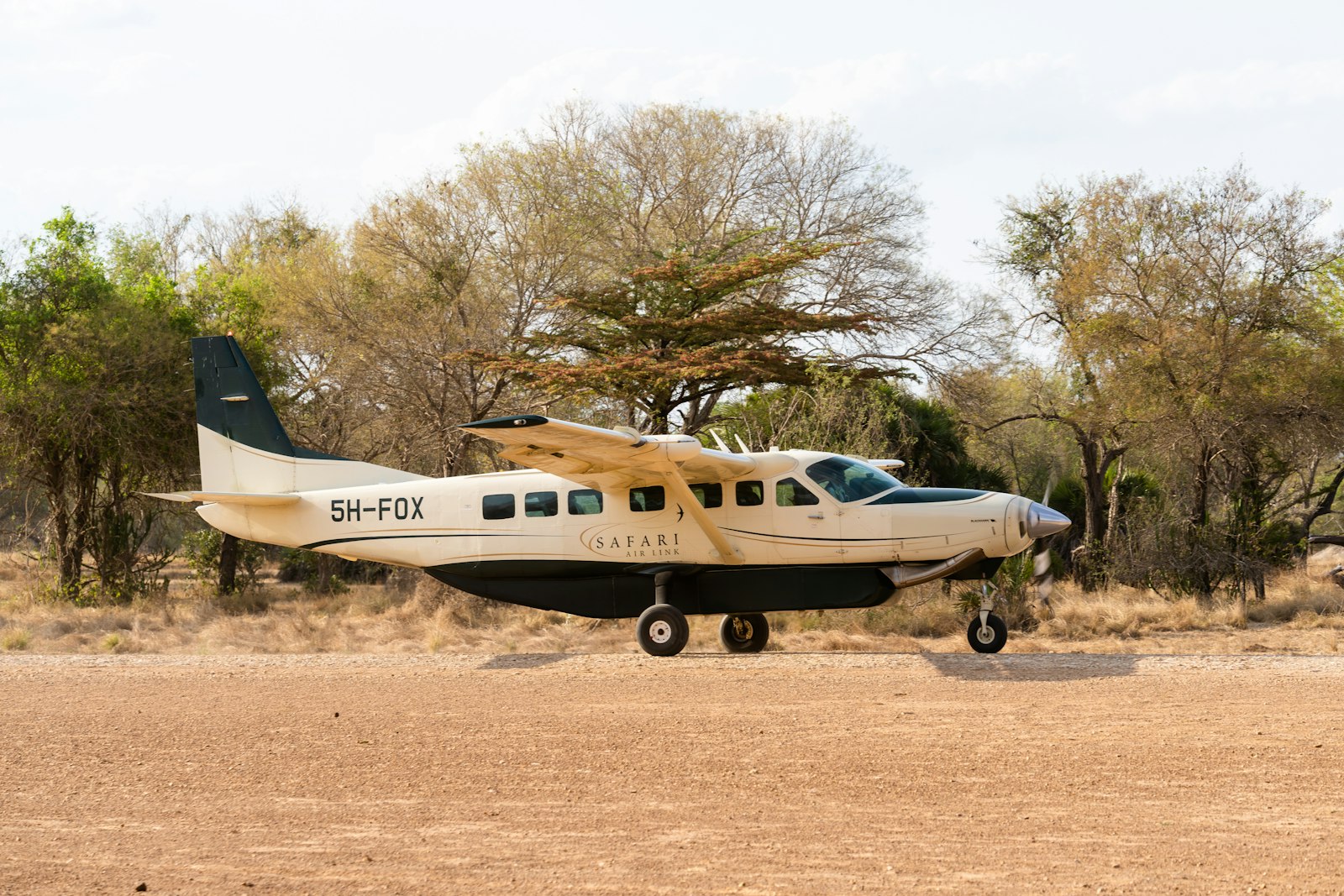
If your operator cancels your safari, you should normally be offered a full refund or a comparable alternative, and you should not pay any cancellation fee.
Cancellations by operators are rare, but they do happen, for example if a camp closes for repairs, a road becomes impassable or a minimum group size is not reached on a shared tour. A fair safari cancellation policy explains what happens in each case: an equal or better camp, new dates, or your money back.
Your rights if you book a package from the UK
If you book a package holiday under the UK’s Package Travel Regulations, you can cancel without a termination fee when “unavoidable and extraordinary circumstances” at the destination significantly affect the trip, and receive a full refund. The UK Competition and Markets Authority has also reminded package firms that refunds for trips they cancel must be paid within 14 days. Bookings made directly with an overseas operator may not be covered in the same way, so check which country’s rules apply.
In the EU, similar rules come from the Package Travel Directive. In the US, Canada, Australia and Asia, protection depends more on your contract, your payment method and your insurance.
Travel Advisories, Force Majeure and Unavoidable Events
Events outside anyone’s control, such as natural disasters, unrest or a government advising against travel, are usually handled under a “force majeure” or “unavoidable circumstances” clause in the safari cancellation policy.
Many travellers ask what happens if their government changes its advice. Several governments publish travel advice for Kenya, including the UK Foreign Office, the US State Department and Australia’s Smartraveller. Advice against travel often applies to specific border areas rather than the main safari parks, so read the details carefully.
- Advice against all travel to your destination: often triggers rights to cancel under package rules and insurance policies.
- Advice for other regions only: usually not grounds for a free cancellation if your parks are unaffected.
- Rain or seasonal weather: safaris run all year, so normal weather is rarely a reason for a refund.
- Personal reasons: illness, work or family emergencies are handled by your insurance, not by force majeure.
Expert tip from our Nairobi team: if news from Kenya worries you, ask your operator for an honest update before you cancel. Cancelling early under the normal safari cancellation policy can cost more than waiting for official advice or agreeing new dates.
Changing Your Dates Instead of Cancelling
Under a typical safari cancellation policy, moving your dates is often cheaper than cancelling, because camps and operators would rather keep your booking than lose it.
Many operators allow date changes if you ask early and the camps have space, sometimes with an amendment fee or a price difference for a busier season. Some issue a credit note valid for a set period. A clear safari cancellation policy should explain how changes are treated, because a date change made close to departure may be charged like a cancellation.
- Ask as early as possible: more camps will have space and fewer charges will apply.
- Be flexible on camps: a similar camp in the same area may be available when yours is full.
- Check the season: moving into July–October or the festive season can cost more.
- Get the new terms in writing: confirm whether the original cancellation dates still apply.
📅 Get a Free, No-Obligation Safari Quote
Send us your dates and we will explain the payment schedule and cancellation terms for your trip before you decide. ✉ Send Us Your Dates on WhatsApp
Travel Insurance and Your Safari Cancellation Policy
Travel insurance with cancellation cover is the best protection against losing money under a safari cancellation policy.
A good policy can reimburse non-refundable costs if you cancel for a covered reason, such as illness, injury, the death of a close relative or jury service. Buy it when you pay your deposit, not just before you fly, so you are covered for the whole period when your safari cancellation policy charges apply. Make sure the cover limit is high enough for the full trip cost.
- Check covered reasons: changing your mind or work pressure is usually not covered.
- Declare medical conditions: undisclosed conditions can void a claim.
- Look at “cancel for any reason” cover: sold in some markets, such as the US, at extra cost and with partial refunds.
- Keep documents: invoices, terms and written notice of cancellation.
- Do not forget medical cover: Kenya requires visitors to have travel health insurance.
Read our Kenya travel insurance guide and the rules on Kenya mandatory travel insurance for more detail.
How You Pay Affects Your Protection
Paying by credit card often gives you extra protection compared with a bank transfer.
In the UK, Section 75 of the Consumer Credit Act can make your card provider jointly responsible if a single item costing over £100 and up to £30,000 is not provided. Many card schemes worldwide also offer chargeback if a paid service is not delivered. These protections help if a company fails, but they do not override a fair safari cancellation policy when you cancel by choice.
Before you pay, make sure the company is real and licensed. Our guide to finding a trustworthy safari tour operator in Kenya explains how to check a business, and book a safari with a local operator or an agent? compares the protection each option gives.
Questions to Ask About Any Safari Cancellation Policy
Ask these questions about the safari cancellation policy before you pay a deposit, and get the answers in writing.
- How much is the deposit, and is any part of it refundable?
- What are the exact cancellation charges and cut-off dates for my trip?
- Do any camps, permits or flights on my itinerary have stricter terms?
- Can I change dates, and what would that cost?
- What happens if you or a camp cancel?
- How do you handle government travel advice or natural disasters?
- How and in what currency are refunds paid, and how long do they take?
- Can I transfer my booking to another person?
You can find more pre-booking checks in questions to ask before booking a safari.
Red flags in a safari cancellation policy
- No written terms at all: never pay without them.
- Vague wording: phrases like “refunds at our discretion” with no scale.
- Pressure to pay the full amount early: far more than the camps require.
- Cash or personal account payments only: no traceable business account.
How Sense of Adventure Handles Cancellations
Our approach to the safari cancellation policy on every trip is to be clear before you pay and flexible where suppliers allow it.
As our Kenya safari booking guide explains, a deposit secures your camps, guides and transport, and the balance is paid before travel. We offer flexible rescheduling where possible. Cancellation terms depend on the lodges and suppliers in your itinerary, partial refunds may apply depending on how much notice you give, and our terms include force majeure protection for unforeseen events. We confirm the exact deposit, balance and cancellation terms for your trip in writing before you commit.
We also recommend that every guest buys travel insurance with cancellation cover at the time of booking. If plans change, tell us as early as possible so we can look at new dates or other options with our partner camps.
Safari Cancellation Policy FAQs
Can I get a refund if I cancel my safari?
Usually yes, in part, depending on when you cancel. Most safari terms use a sliding scale: cancel early and you may lose only the deposit or a set percentage; cancel within about 30 to 60 days of travel and you may lose most or all of the cost. Travel insurance can cover losses for covered reasons.
Is a safari deposit refundable?
Often it is not, or only partly, because the deposit pays to reserve camps, vehicles and sometimes permits. Some operators refund part of it if you cancel very early, and others offer a credit for new dates. Ask for the deposit terms in writing and buy travel insurance when you pay it.
What happens if the safari company cancels?
If the operator cancels, you should be offered a full refund or a comparable alternative, such as new dates or a similar camp, without a cancellation fee. Under the UK’s Package Travel Regulations, package firms must refund cancelled trips within 14 days. Check what your contract says if you book directly with an overseas operator.
Does travel insurance cover safari cancellation?
Travel insurance with cancellation cover usually reimburses non-refundable costs if you cancel for a covered reason, such as illness, injury or a family emergency. It rarely covers a change of mind. Buy it when you pay your deposit, check that the limit covers your full trip cost and declare any medical conditions.
Can I cancel my safari if my government advises against travel?
If your government advises against all travel to the area you are visiting, package travel rules and many insurance policies give you the right to cancel or claim. Advice that only covers other regions, such as remote border areas, is usually not grounds for a free cancellation if your parks are unaffected.
Can I change my safari dates instead of cancelling?
Often yes, especially if you ask early and the camps have space. You may pay an amendment fee or a price difference if the new dates are in a busier season. Changes made close to departure can be treated like cancellations, so confirm the new terms in writing.
Are gorilla trekking permits refundable?
Gorilla permits in Uganda and Rwanda are generally treated as non-refundable once issued, and date changes are limited and set by the wildlife authorities. Because permits are a large part of the cost, travel insurance with cancellation cover is especially important for gorilla trips. Check current rules with the official authority before booking.
🏕 Plan Your Safari With Sense of Adventure
Kenya-based experts. Real local knowledge. Transparent pricing. We explain every safari cancellation policy clause in plain language before you pay, so you can book with confidence. 💬 WhatsApp Us — Start Planning Today
Call or WhatsApp: +254 729 837 481
Related Safari Guides
- ›Safari Deposit and Payment Plans: How Booking Works
- ›How Far in Advance to Book a Kenya Safari
- ›What Is Included in a Kenya Safari?
- ›Kenya Travel Insurance Guide
- ›Questions to Ask Before Booking a Safari
Official travel & park resource: Kenya Wildlife Service ↗