Kenya travel insurance now comes in two parts for most visitors: the Kenyan Government’s mandatory travel health policy, and your own comprehensive policy from home. A generic policy bought in five minutes online often quietly excludes exactly the cover a safari needs, and since October 2026 it cannot replace the Kenyan policy at the border either.
A twisted ankle in a European city and a medical emergency three hours from the nearest hospital in the Masai Mara are entirely different risks. Sense of Adventure walks every guest through this before departure. We do not sell insurance ourselves, so the advice here is about what to look for, not which product to buy from us.
✅ Kenya Travel Insurance: The Quick Answer
- Mandatory policy: most non-Kenyan visitors arriving from 5 October 2026 must buy the Kenyan travel health policy, USD 44 per traveller, children included.
- Where to buy it: during the eTA application at etakenya.go.ke, or on the eCitizen insurance portal.
- Your own policy: still essential for cancellation, higher medical limits, repatriation, luggage and other countries on your trip.
- Must include: named medical evacuation with a realistic limit, cover for remote areas and the activities you plan.
- With us: every Sense of Adventure safari includes AMREF Flying Doctors evacuation cover, which is not health insurance.
- When: buy your own policy when you pay your safari deposit.
Not sure which insurance rules apply to your group?
Send us everyone’s nationality and travel dates and we will list the Kenyan policy and eTA steps for each traveller, in writing.
Good news before you read on: every Sense of Adventure guest is automatically covered by AMREF Flying Doctors emergency evacuation cover for the duration of their safari — free, on every booking. That covers the air-evacuation piece of the puzzle; this guide covers the Kenya travel insurance you should still carry alongside it. Read the full announcement here.
Why Safari Travel Insurance Is Different
Standard travel insurance is built around city-based risk: delayed flights, lost luggage, a hospital visit within a reasonable ambulance ride. A safari changes the picture entirely. Some camps sit hours from the nearest proper medical facility, and a genuine emergency may need air evacuation rather than a road ambulance.
Evacuation services such as AMREF Flying Doctors are transport services, not medical insurance: they get you out of the bush and into a hospital, but the hospital bill still needs cover. Think of the pieces as separate layers. One moves you, the others pay for treatment and for the trip itself, and a well-prepared safari traveller has all of them.
The 8 Things Your Kenya Safari Insurance Should Cover
Medical Evacuation, Explicitly Named — not just “emergency medical” boilerplate
Check that your policy names air ambulance or medical evacuation specifically, with a realistic limit. An air transfer from a remote conservancy to Nairobi, and onward repatriation, can cost tens of thousands of dollars, well beyond what many generic policies quietly cap.
AMREF Flying Doctors as a Complement — transport cover, not a replacement for insurance
AMREF Flying Doctors arranges air evacuation from the bush to a hospital, and our guests have it included during their safari. It is a strong addition alongside a full policy, but it does not pay hospital treatment costs once you arrive — treat it as a complement, not a substitute.
Remote-Area Coverage, Named Specifically — some policies exclude wilderness areas by default
Specialist safari and adventure policies name remote wilderness areas in their terms, while some standard policies exclude activities or locations deemed remote or hazardous. Confirm your specific safari itinerary is covered, not just “Kenya” as a country.
Trip Cancellation and Interruption — protecting the deposit you’ve already paid
Most safaris require a deposit and final balance paid well before departure, so cancellation cover protects a significant upfront investment against illness, family emergencies or other disruptions. The Kenyan mandatory policy does not include it.
Buy It Before You Fly — timing is not flexible on this one
Travel insurance must be bought before your trip begins — most policies exclude cover for a trip already in progress, which is why this belongs on your pre-trip checklist rather than something to sort out after arrival.
Read the Exclusions, Not Just the Headline Cover — the detail that actually matters
The difference between an adequate and an inadequate safari policy is almost always in the exclusions — activities covered, altitude limits for any add-on trekking, and whether “medical evacuation” means air transport from a remote bush location or just a local ambulance in a city.
Disclose Pre-Existing Conditions Honestly — the paperwork step guests most often skip
Declare any pre-existing medical condition when you buy your policy, even if it seems unrelated to travel risk. Insurers can and do deny claims over an undisclosed condition, and the Kenyan policy excludes pre-existing conditions unless specifically accepted.
Keep the Emergency Numbers Accessible — not buried in an inbox you can’t reach
Save your insurer’s emergency assistance number, your Kenyan policy reference and your home policy number somewhere accessible offline. A printed card in your daypack, alongside a photo saved to your phone, covers both scenarios.
Choosing a Policy for a Remote Safari?
Tell us your parks and activities, from balloon flights to walking safaris, and we will list exactly what your insurer needs to know.
List My Safari Activities Call +254 799 160 081How Kenya Travel Insurance Works in 2026: Three Layers
The simplest way to understand Kenya travel insurance today is as three layers that work together, not as alternatives.
| Layer | What it does | What it does not do |
|---|---|---|
| Kenyan mandatory policy | Meets the entry rule; emergency medical and evacuation cover in Kenya up to USD 50,000 | Cancellation, luggage, cover outside Kenya, costs above its limits |
| Your own travel insurance | Cancellation, higher medical limits, repatriation home, luggage, other countries on your trip | It cannot replace the Kenyan policy for entry |
| AMREF cover (included with us) | Air evacuation from the bush to a hospital in Nairobi during your safari | It is not health insurance and does not pay hospital bills |
Kenya’s mandatory travel insurance in brief
The Kenyan policy costs USD 44 per traveller and lasts 90 days with multiple entries. Its limits include USD 20,000 for medical expenses, USD 25,000 for emergency transport and evacuation and USD 5,000 for repatriation of remains, up to USD 50,000 in total. EAC citizens, Kenyan residents, diplomats and airside transit passengers are exempt. Buy it only through the official Kenya eTA portal or the eCitizen inbound travel health insurance page.
Full details, including children and transit, are in our Kenya mandatory travel insurance guide. The UK government’s Kenya entry requirements also confirm that foreign policies are not accepted in its place.
Your Own Kenya Travel Insurance: A Buying Checklist
Use these questions when you compare policies. If an insurer cannot answer them clearly in writing, keep looking.
- Medical limit: is it high enough for private hospital care in Nairobi and a flight home with a medical escort?
- Evacuation wording: does it cover air evacuation from remote areas, not only road ambulances?
- Cancellation amount: does it match the full safari cost, flights and non-refundable deposits?
- Activities: are balloon flights, walking safaris, horse riding, snorkelling or Kilimanjaro treks covered?
- All countries: does it cover Tanzania, Zanzibar, Uganda or Rwanda if they are on your route?
- Pre-existing conditions: have you declared them and received written acceptance?
- 24-hour assistance: is there a phone line you can reach from Kenya at any hour?
Kenya travel insurance for families, seniors and adventure add-ons
Each traveller, including every child, needs their own Kenyan policy. For your own cover, families should check that children are named on the policy. Older travellers should compare age limits and medical declarations carefully; our safari for seniors guide covers evacuation planning in more depth.
If you plan a hot-air balloon flight, a walking safari or a trek on Mount Kenya or Kilimanjaro, list it when you buy. Some policies treat these as hazardous activities or set altitude limits.
What Kenya Travel Insurance Costs
The Kenyan mandatory policy has a fixed price of USD 44 per traveller. The cost of your own policy depends on your age, home country, trip length, the value of the trip you insure and any medical conditions, so compare several quotes rather than relying on a single figure.
Set that cost against the alternative. Without cover, an air evacuation and hospital stay can run into tens of thousands of dollars, and losing a non-refundable safari deposit can cost thousands more. In our experience, guests who buy their own policy when they pay their deposit get the longest cancellation protection for the same premium.
Our safari cancellation policy guide explains how deposits and balances work, so you know how much trip cost to insure.
Insure the Right Amount From Day One
Cancellation cover protects you from the day you buy it. Ask for your written quote and our cancellation terms so you can insure the correct trip cost.
Send My Quote and TermsHow to Use Your Kenya Travel Insurance in an Emergency
- Tell your guide or camp manager first. They start first aid and contact the right medical or evacuation service.
- Call your insurer’s 24-hour line as soon as it is safe, ideally before treatment, so they can approve costs.
- Give your policy numbers for both the Kenyan policy and your own insurance.
- Keep every document: medical reports, receipts and any police report for theft.
- Tell us: our Nairobi team helps with rebooking, transfers and contact with your family.
Our guide to getting sick on safari explains how medical care works in the bush, from camp first aid to Nairobi hospitals.
Kenya Safari Insurance Facts
- Kenya’s mandatory policy: for arrivals from 5 October 2026, most visitors must buy Kenya’s mandatory travel insurance at USD 44 per traveller, each child included. A home policy cannot be uploaded or used instead, so you need both.
- Kenyan policy limits: up to USD 50,000 per person in total, valid 90 days with multiple entries.
- What AMREF does not cover: hospital treatment costs — it covers evacuation transport only.
- Uninsured costs: an air evacuation plus hospital care can run into tens of thousands of dollars without cover.
- Purchase timing: buy your own policy before departure — most exclude trips already underway.
- What to check: confirm medical evacuation is named explicitly, with a realistic limit, not buried in generic wording.
Insurance as Part of Your Pre-Trip Checklist
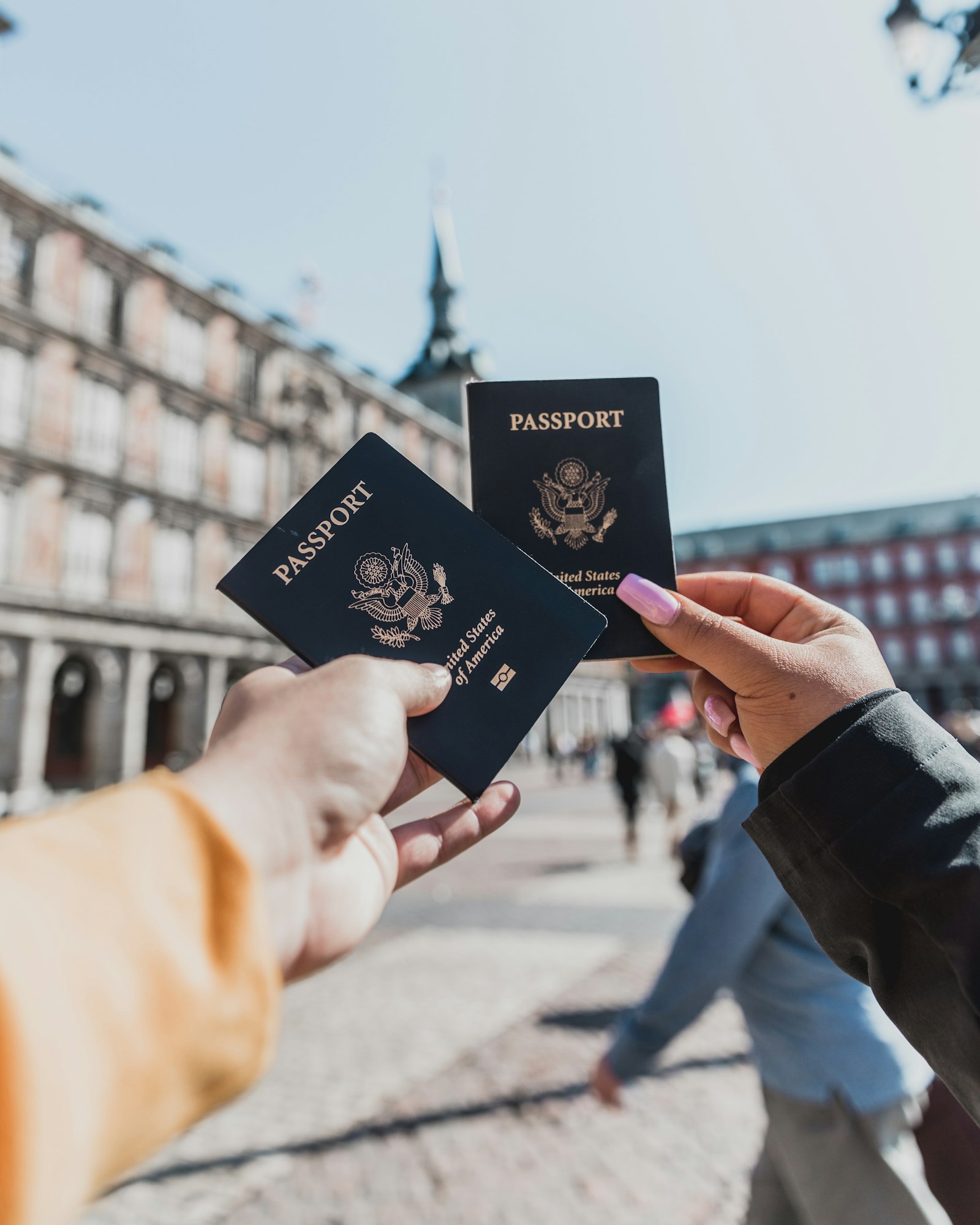
This guide pairs directly with our Kenya safari checklist, where insurance is one of the key pre-departure items, and our Kenya visa requirements guide, since the mandatory policy is bought alongside the eTA.
See our first-time visitor guide for the complete planning sequence, and our common mistakes guide, which lists skipping insurance as one of the costliest and most avoidable errors first-timers make.
Frequently Asked Questions
Do I need special travel insurance for a Kenya safari?
Yes. A Kenya safari needs insurance that names medical evacuation with a realistic limit, since some camps sit hours from proper medical facilities. Generic city-focused policies sometimes cap or exclude this. Most visitors must also buy Kenya’s USD 44 mandatory travel health policy before they fly.
Is travel insurance mandatory for Kenya?
Yes, for most visitors. For arrivals from 5 October 2026, non-Kenyan visitors staying under 12 months must hold the Kenyan Government travel health policy, bought during the eTA application or on eCitizen. EAC citizens, Kenyan residents, diplomats and airside transit passengers are exempt.
Can my own travel insurance replace the Kenyan policy?
No. A home or foreign policy cannot be uploaded or used in place of Kenya’s mandatory travel insurance. Keep your own policy anyway, because the Kenyan policy does not cover cancellation, lost luggage, treatment outside Kenya or costs above its USD 50,000 limit.
What does the AMREF cover included with Sense of Adventure do?
Every Sense of Adventure safari includes AMREF Flying Doctors evacuation cover, which arranges air evacuation from the bush to a hospital in Nairobi during your safari. It is not health insurance and does not pay hospital bills, so you still need the Kenyan policy and your own travel insurance.
How much does a medical evacuation cost in Kenya without insurance?
Without cover, an air evacuation from a remote safari area plus hospital treatment can run into tens of thousands of US dollars, depending on distance, aircraft and care needed. That risk is the strongest argument for buying a policy that names evacuation explicitly before you travel.
When should I buy travel insurance for a Kenya safari?
Buy your own policy when you pay your safari deposit, so cancellation cover protects you for longer. Buy the Kenyan mandatory policy with your eTA, at least two weeks before departure. Most policies exclude cover for a trip already underway, so never leave it until after arrival.
Does travel insurance cover safari trip cancellation?
Most comprehensive travel insurance policies include trip cancellation and interruption cover, protecting your deposit and balance against illness, family emergencies or other listed reasons. The Kenyan mandatory policy does not include cancellation, so this cover must come from your own policy.
Are balloon flights and walking safaris covered by travel insurance?
It depends on the policy. Some insurers cover hot-air balloon flights, walking safaris and horse riding as standard, while others treat them as hazardous or need an add-on. List every planned activity when you buy, and ask the insurer to confirm cover in writing.
Travel to Kenya Fully Covered, Then Forget About It
Every safari we run includes AMREF evacuation cover. Ask us anything about the Kenyan policy, your own insurance or what to declare before you buy.
Ask About My Cover Email an Insurance QuestionCall or WhatsApp +254 799 160 081 · reservations@senseofadventure.co.ke