The Karen Blixen Museum is the farmhouse at the foot of the Ngong Hills where the Danish writer Karen Blixen lived from 1917 to 1931, and the setting for her famous memoir Out of Africa. Today the house is run by the National Museums of Kenya and is one of Nairobi’s most popular cultural attractions, loved by literature fans, film lovers and visitors who want a calm, green half day in the city. This guide explains the story behind the house, what you see inside, how long to allow, and how to fit a visit to the Karen Blixen Museum around meetings, a conference or a layover.
Short on Time in Nairobi?
We can fit the Karen Blixen Museum into a free morning, afternoon or layover. Tell us your timings.
Who Was Karen Blixen?
Karen Blixen was born in Denmark in 1885. In 1914 she married her Swedish cousin, Baron Bror von Blixen-Finecke, and the couple moved to British East Africa to farm coffee on land below the Ngong Hills. The marriage did not last, but Karen stayed on and ran the farm largely alone for most of the next seventeen years.
Life on the farm was never easy. Coffee grew poorly at that altitude, money was always short, and in 1931 falling prices and a fire forced her to sell the farm and return to Denmark. There she began to write about Kenya. Out of Africa, published in 1937 under her pen name Isak Dinesen, became a classic, famous for its opening line about having a farm in Africa at the foot of the Ngong Hills. She was nominated several times for the Nobel Prize in Literature.
In 1985, the story reached a new audience through the film Out of Africa, starring Meryl Streep and Robert Redford, which won seven Academy Awards, including Best Picture. Interest in the Karen Blixen Museum grew enormously after the film, and it remains one of the most visited heritage sites in Nairobi.

The History of the Karen Blixen Museum
The house itself was built in 1912 by a Swedish engineer and bought by the Blixens in 1917. After Karen left, it passed through several owners. When Kenya became independent in 1963, the Danish government bought the house and gave it to the new Kenyan government as an independence gift. It first housed a nutrition college, and after the success of the film, the Kenyan government opened it as a museum in 1986 under the National Museums of Kenya.
Today, the Karen Blixen Museum preserves the house, part of the original farm compound and the gardens. It also hosts cultural events and is a popular setting for weddings and photo shoots.
6 Highlights of the Karen Blixen Museum
1. The Original Farmhouse
The bungalow was built in 1912 and still has its wide verandas, stone fireplaces and wooden floors, giving a strong sense of colonial farm life.
2. Blixen’s Own Belongings
Some of the furniture belonged to Karen Blixen, and other pieces were used in the 1985 film, helping you picture the house as it was.
3. The Out of Africa Story
Guides tell the story of her coffee farm, her friendships with the Kikuyu and Somali staff, and her relationship with Denys Finch Hatton.
4. Coffee-Drying Machinery
Old machinery in the gardens recalls the coffee farm that eventually failed and forced Blixen to return to Denmark in 1931.
5. Gardens with Ngong Hills Views
The lawns and old trees look towards the Ngong Hills, the view she described so vividly in her writing.
6. A Name Written on the Map
The suburb of Karen is widely believed to take its name from her, making the house a piece of Nairobi’s own history.
Book the Karen Blixen Museum Tour
Private transport, museum entry, guide and lunch in Karen. From $85 per person.
Who Should Visit the Karen Blixen Museum?
Because it is calm, compact and close to the city, the museum suits visitors who have only a few hours.
Conference delegates and business travellers
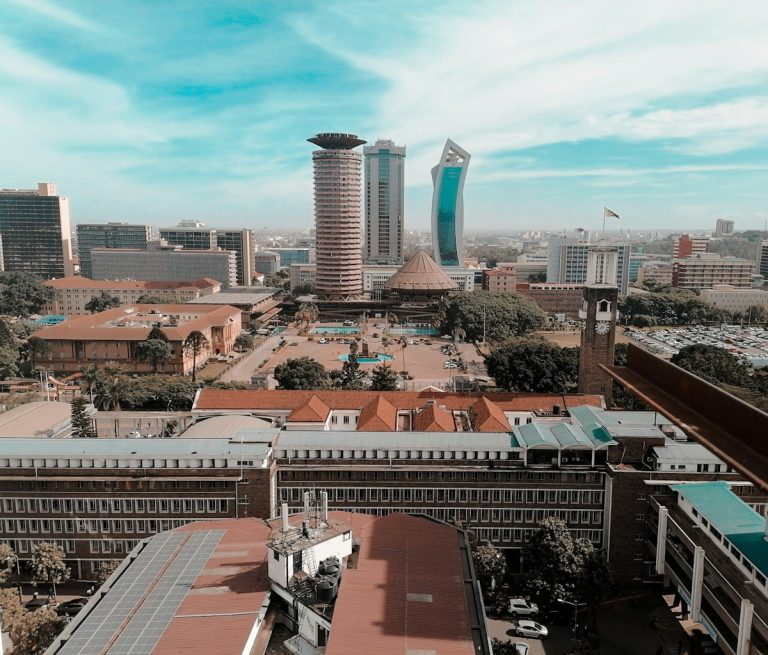
The Karen Blixen Museum fits easily into an afternoon after a conference session at the KICC, the UN complex in Gigiri or a hotel in Westlands. Traffic permitting, you can leave at 2pm, enjoy the house and gardens, and be back for an evening reception.
State guests, diplomats and dignitaries
Karen is home to many ambassadors’ residences and international organisations, and the museum is a favourite stop for official visitors. It offers a quiet, dignified cultural experience with a strong Kenya–Denmark story. We can arrange a private guide, coordinate timing with protocol staff and book a discreet lunch nearby.
International school groups
History and literature students gain a vivid picture of colonial Kenya, the coffee economy and the relationships between settlers and local communities. Guides can tailor the talk to your syllabus.
Travellers on a budget or a layover
The museum entry fee is modest, and Karen is on the way between the city and many airport routes. With a long layover, you can combine the Karen Blixen Museum with the nearby Giraffe Centre, as described in our Nairobi layover guide.
What to Expect on Your Visit
Visits to the Karen Blixen Museum are usually guided. A museum guide walks you through the main rooms, including the sitting room, dining room, bedrooms and kitchen area, explaining which pieces belonged to Blixen and which came from the film. You hear about her farm workers, her friendships with the Kikuyu and Somali households on the farm, her safaris and her relationship with the English aviator Denys Finch Hatton.
The rooms are arranged to reflect how the house looked in Blixen’s day, with period photographs, books, lamps, rugs and furniture of the 1920s, and guides point out which items belonged to Blixen herself and which arrived later. Small details like these make the Karen Blixen Museum feel personal rather than formal, and most visitors leave with a clear picture of daily life on a struggling coffee farm a century ago.
After the house, there is time to walk in the gardens, look at the old coffee-drying machinery and enjoy the views towards the Ngong Hills. Most visitors spend about an hour at the museum. There is a small gift shop selling books, crafts and souvenirs.
Tips for visiting the Karen Blixen Museum
- Arrive soon after opening to enjoy the house before tour groups.
- Ask for a guided tour; the stories bring the rooms to life.
- Check photo rules on arrival, as they can change.
- Bring a light jacket, as Karen mornings can be cool.
- Allow time for the gardens and the view of the Ngong Hills.
- Carry some Kenyan shillings for the gift shop.
A Half-Day Itinerary in Karen
The Karen Blixen Museum is best enjoyed as part of a relaxed half day in Karen. Here is a typical plan for our guests:
- 9:00am: pick-up from your hotel in the city, Westlands or Gigiri.
- 9:45am: guided tour of the Karen Blixen Museum and its gardens.
- 11:00am: visit a local craft or art workshop in Karen.
- 12:30pm: lunch at a garden restaurant in Karen.
- 2:00pm: return to your hotel, conference venue or the airport.
If you would like to add wildlife, the Giraffe Centre and the Sheldrick Wildlife Trust elephant nursery are both close by. Our Nairobi City and Wildlife Day Tour combines them in a single day.
Opening Hours and Tickets
The Karen Blixen Museum is usually open every day, including weekends and most public holidays, from morning until late afternoon. Ticket prices are set by the National Museums of Kenya and differ for citizens, residents and non-residents, with lower rates for children and students. Because hours and fees can change, check the latest details on the National Museums of Kenya website or let us confirm them when you book. Our guided tour includes your entry ticket, so you do not need to buy one separately.
Getting to the Karen Blixen Museum
The museum is on Karen Road in the suburb of Karen, about 10 km southwest of the city centre. Depending on traffic, the drive takes 30 to 45 minutes from the city centre and Upper Hill, and 45 to 60 minutes from Westlands or Gigiri. Public transport is possible but slow, so most visitors use a taxi, ride-hailing app or a private tour. A private vehicle and guide make it easy to combine the museum with other Karen attractions without waiting for cars.
The Out of Africa Landscape Today
Much of Blixen’s old farm has become the green, leafy suburb of Karen, with large gardens, forest patches and horse paddocks. The Ngong Hills she described still dominate the skyline, and many visitors combine the Karen Blixen Museum with a walk on the hills themselves; see our Ngong Hills hike guide. Reading a few chapters of Out of Africa before your visit will make the house and its views far more meaningful.
Karen Blixen and the People of the Farm
The Karen Blixen Museum tells more than one woman’s story. Blixen’s farm employed hundreds of Kikuyu workers, and Maasai herders grazed cattle on the land next door. In Out of Africa she wrote about many of them by name, including Kamante, the young Kikuyu boy who became her cook, and Farah Aden, her Somali steward and closest companion on the farm. She also ran a small school and clinic for the farm families.
Modern readers and Kenyan historians see her writing in a more complicated light, because it reflects colonial attitudes of its time and the land had been taken from its earlier users. Good museum guides discuss both sides openly, which makes the visit thoughtful as well as nostalgic. For students and delegates interested in Kenya’s history, this honest discussion is one of the most valuable parts of a Karen Blixen Museum visit.
Denys Finch Hatton and the Grave in the Hills
The most famous figure in the Out of Africa story after Blixen herself is Denys Finch Hatton, an English aristocrat, hunter and pilot who became her lover. He flew his small Gypsy Moth plane over the farm and took her on flights above the Ngong Hills and the Rift Valley. In May 1931 his plane crashed at Voi, and he was buried, as he had wished, on the eastern slopes of the Ngong Hills. Blixen chose the spot, and an obelisk still marks it today. Some visitors combine the Karen Blixen Museum with a visit to the grave, which needs a short drive and a walk with a local guide.
Etiquette and Photography
The house is a heritage building, so visitors are asked to stay on the marked routes, avoid touching furniture and keep their voices low when other groups are inside. Photography rules for the interior can change, so ask your guide before taking pictures. The gardens are perfect for photos, especially in the soft light of early morning or late afternoon. If you are part of an official delegation and need formal photographs, let us know in advance so we can arrange permission with the museum.
Why the Museum Still Matters
More than eighty years after Blixen left Kenya, her old farmhouse is a meeting point between Denmark and Kenya, between literature and history, and between the colonial past and the modern city that has grown around it. For many international visitors, the Karen Blixen Museum is their first introduction to Kenyan history outside a game park, and it often sparks interest in exploring further, from the Nairobi National Museum to the Maasai communities of the Rift Valley.
Karen Blixen Museum: Quick Reference
- Location: Karen, about 10 km southwest of Nairobi city centre.
- Time needed: about 1 hour in the museum, 4–5 hours with lunch.
- Run by: National Museums of Kenya.
- Best for: delegates, officials, older travellers and literature lovers.
- Easy to combine with: the Giraffe Centre and Sheldrick Wildlife Trust.
- Tour price: from US$85 per person with lunch.
Planning Your Visit
Book the full half day on our Karen Blixen Museum Tour page, or see all our day trips from Nairobi. For background on the author, see Karen Blixen on Wikipedia.
A Gentle Half Day in Karen
Message us today and we will plan a relaxed visit around your meetings or flight.
Frequently Asked Questions
Where is the Karen Blixen Museum?
The Karen Blixen Museum is in the suburb of Karen, about 10 km southwest of Nairobi city centre and 30–45 minutes by road from most hotels.
How long do you need at the Karen Blixen Museum?
Allow about an hour for the house and gardens. A half-day tour with lunch in Karen takes 4–5 hours.
Was Out of Africa filmed at the Karen Blixen Museum?
The 1985 film was shot mainly at a nearby location, but some furniture from the production is now displayed in the museum.
Who runs the Karen Blixen Museum?
The museum is run by the National Museums of Kenya. The house was given to Kenya by the Danish government at independence and opened as a museum in 1986.
Can I visit the Karen Blixen Museum on a layover?
Yes. With 7 or more hours between flights, you can visit the museum and the Giraffe Centre and be back at JKIA in time.
Is the Karen Blixen Museum suitable for children?
Older children who enjoy history or the film will like it. Younger children usually prefer the nearby Giraffe Centre and baby elephants.