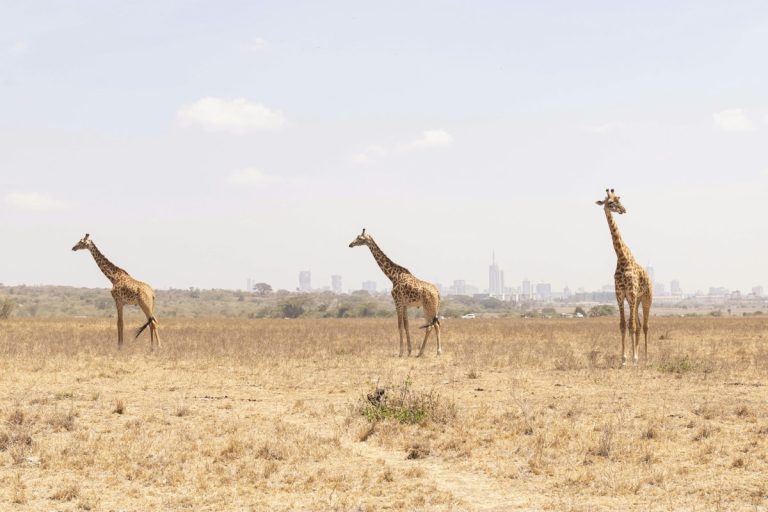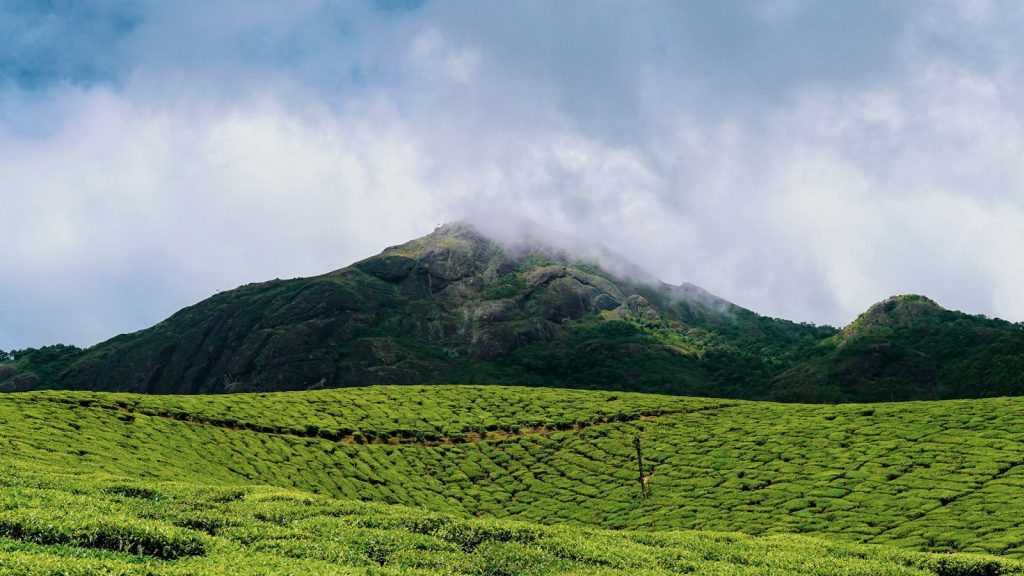
A Ngong Hills hike is the easiest way to get above Nairobi and look down on the Great Rift Valley without committing to a full safari. The Ngong Hills rise about 25 km southwest of the city centre, a chain of rounded, grassy peaks that Kenyans compare to the knuckles of a fist. In a single morning you can walk the ridge, watch eagles riding the wind and see the Rift Valley floor on one side and the Nairobi skyline on the other, then be back at your hotel by lunchtime. This guide covers the routes, difficulty, safety, costs and the best time for a Ngong Hills hike, with tips for conference delegates, school groups and visitors short on time.
Want to Hike the Ngong Hills?
Tell us your date and fitness level, and we will plan a guided Ngong Hills hike with a ranger escort.
What Is the Ngong Hills Hike?
The Ngong Hills are a line of peaks running roughly north to south along the eastern edge of the Great Rift Valley, near the town of Ngong. Most of the ridge sits inside the Ngong Hills Forest Reserve, managed by the Kenya Forest Service, and the main entry point is the Kibiko gate on the northern end. From there, a clear footpath follows the crest of the hills, climbing and dropping over a series of rounded summits.
The classic Ngong Hills hike crosses some or all of the seven main peaks. Fit walkers can do the full ridge from north to south and be collected at the far end, while most visitors walk out along the ridge for two or three peaks and return the same way. Either way, the scenery is constant: open grassland, patches of forest in the folds of the hills, wind turbines turning above you and enormous views in every direction.

Why a Ngong Hills Hike Suits Busy Visitors
Many of the people who ask us about a Ngong Hills hike are in Nairobi for work. They have a free morning, they want exercise and fresh air, and they do not have time for a long drive. The hills fit that perfectly.
Conference delegates and business travellers
The trailhead is under an hour from Westlands, Upper Hill, Gigiri and the city centre. A 6:30am pick-up gets you onto the ridge by 7:30am, when the air is cool and the light is soft, and back at your hotel by early afternoon. It is a good choice for a free morning before an evening event or the day before a long flight.
International school groups
Schools use the Ngong Hills hike for outdoor education, geography and team building. Students see the Great Rift Valley in real life, discuss volcanic landscapes and renewable energy at the wind farm, and practise teamwork on a real hill walk. We add extra rangers and guides so groups can split into faster and slower teams.
Visiting officials and dignitaries
For state guests and delegations, the Ngong Hills offer a private, scenic experience close to Karen and Langata, where many official residences and embassies are located. We can arrange a short, gentle walk to the first viewpoint with refreshments, and coordinate timing and access with protocol teams.
Travellers on a budget
A Ngong Hills hike costs a fraction of a park safari. There are no lodge nights or long transfers, and sharing a vehicle keeps the price per person low.
6 Things That Make the Ngong Hills Special
1. Views on Both Sides
To the west, the floor of the Great Rift Valley drops away towards Mount Suswa. To the east, the Nairobi skyline and the Athi Plains spread to the horizon.
2. The Out of Africa Connection
Karen Blixen wrote lovingly about these hills, and her friend Denys Finch Hatton is buried on their eastern slopes.
3. A Wind Farm on the Ridge
Tall wind turbines line part of the ridge, a striking sight and a sign of Kenya’s push towards clean energy.
4. Wildlife Is Still Around
Buffalo, bushbuck, dik-dik and many birds of prey live on the slopes, which is one reason rangers escort hikers.
5. Maasai Heritage
The name Ngong comes from the Maasai word for knuckles, and Maasai herders still graze cattle on the lower slopes.
6. Close to the City
The trailhead is less than an hour from most Nairobi hotels, so you can hike in the morning and attend a meeting in the afternoon.
Book the Ngong Hills Hiking Tour
Transport, ranger escort, entry fee and snack included. From $95 per person.
How Hard Is a Ngong Hills Hike?
The Ngong Hills hike is a moderate walk. The path is clear and there is no scrambling, but the ridge goes up and down repeatedly, and some of the climbs between the peaks are steep enough to make you breathe hard. The highest point is around 2,460 m above sea level, so visitors who have just arrived from low altitude may feel a little breathless at first.
Most of our guests walk between 7 and 10 km and spend 3 to 5 hours on the hills, including rest stops and photo breaks. If you are fit and want a challenge, we can arrange a full ridge traverse with a pick-up at the southern end. If you prefer something gentle, a walk to the first or second peak and back is still rewarding, with views just as good as those from further along.
Is the Ngong Hills Hike Safe?
Safety is the most important part of planning a Ngong Hills hike. The hills are open countryside close to a large city, and in the past there have been incidents involving hikers walking alone. For this reason, we always book a Kenya Forest Service ranger to escort our groups, and we never send guests up the hills unaccompanied.
Rangers know the paths and the wildlife, and they keep an eye on weather changes, which can be sudden on the ridge. We also start early, avoid the late afternoon, and keep groups together. With these simple precautions, a Ngong Hills hike is a safe and enjoyable morning out. Every Sense of Adventure trip also includes AMREF Flying Doctors evacuation cover for extra peace of mind.
A Typical Ngong Hills Hike Itinerary
Here is how a guided half day usually runs with us:
- 6:30am: pick-up from your Nairobi hotel or residence.
- 7:30am: arrive at the Kibiko gate, pay entry and meet your ranger.
- 7:45am: start the climb to the first peak, with a short safety briefing.
- 9:00–10:30am: continue along the ridge to the third or fourth peak, with photo stops.
- 10:30am: snack break with views over the Rift Valley.
- 11:00am–12:00pm: walk back to the gate, or down to a pick-up point.
- 1:00–2:00pm: arrive back at your hotel.
Best Time for a Ngong Hills Hike
You can hike the Ngong Hills all year, but the dry seasons are best. From June to October and from January to February, paths are firm and the views are usually clear, especially in the early morning. During the long rains in April and May and the short rains in November, paths become slippery and mist can hide the views, though mornings are often still pleasant.
Whatever the month, start early. The sun is strong at this altitude, the wind tends to pick up by midday, and afternoon clouds often build over the Rift Valley.
What to bring on your Ngong Hills hike
- Comfortable walking shoes or light boots with good grip.
- A hat, sunglasses and high-factor sunscreen.
- A windproof jacket, as the ridge can be cold and breezy.
- At least 1.5 litres of water per person.
- Snacks such as fruit, nuts or energy bars.
- Your passport or ID for the gate.
- A camera or phone with a fully charged battery.
A Short History of the Ngong Hills
The Ngong Hills are the eroded remains of an ancient volcano, formed as the Great Rift Valley opened up over millions of years. For centuries they have been grazing land for Maasai herders, who gave the hills their name, and they appear in many Maasai stories about the creation of the land.
In the colonial era, the hills became famous through Karen Blixen, whose coffee farm lay at their feet and whose memoir begins with the line about having a farm in Africa at the foot of the Ngong Hills. Her friend, the aviator Denys Finch Hatton, was buried on the eastern slopes after his plane crashed in 1931, and an obelisk still marks the spot. Today, the hills are a protected forest reserve, a water catchment for nearby towns and one of the favourite weekend escapes for Nairobi residents.
Photography Tips for the Ridge
The Ngong Hills hike is a gift for photographers. The best light comes in the first two hours after sunrise, when the Rift Valley fills with soft gold and long shadows pick out the folds of the hills. A wide-angle lens captures the sweep of the ridge and the wind turbines, while a zoom helps with eagles, buzzards and distant Mount Suswa. On clear days in the dry season, you may even make out Mount Kilimanjaro far to the south. Keep your camera strap secure, as the wind on the summits can be strong, and pack a lens cloth for the dust.
Hiking the Ngong Hills with Children
Families often ask whether children can manage a Ngong Hills hike. Children aged about eight and over who are used to walking usually enjoy the first two or three peaks, especially if there are snacks and plenty of stops to look for birds and animal tracks. For younger children, we suggest a short walk to the first viewpoint and back, which still gives superb views. Make sure everyone has a hat, sunscreen and a warm layer, and let the ranger set a pace that suits the slowest walker.
How the Ngong Hills Hike Compares with Other Day Hikes
Nairobi has several good day hikes within reach, and each suits a different visitor. The Ngong Hills hike is the closest to the city and the most flexible, ideal for a half day. Mount Longonot is a tougher climb to a crater rim and needs a full day. Ol Donyo Sabuk offers a forested mountain with buffalo, about 90 minutes northeast of Nairobi, and pairs well with Fourteen Falls. If you only have one free morning and want big views with little travel, the Ngong Hills are the clear winner.
Ngong Hills Hike Costs
The main costs of a Ngong Hills hike are transport from Nairobi, the Kenya Forest Service entry fee and the ranger escort. Entry and ranger fees are modest and differ for citizens, residents and non-residents. Our guided Ngong Hills Hiking Tour starts from US$95 per person, including private transport, hotel pick-up and drop-off, entry, a ranger escort, water and a snack. Groups of four or more pay less per person, and school rates are available on request.
Combining Your Ngong Hills Hike with Karen
Because the hills sit just beyond Karen, it is easy to turn your Ngong Hills hike into a full day. After the walk, you can visit the Karen Blixen Museum, have lunch at one of Karen’s garden restaurants, or head to the Giraffe Centre and Sheldrick Wildlife Trust. If you enjoy hiking, our Mount Longonot day hike takes you to the rim of a dormant volcano deeper in the Rift Valley, and you can read more about it in our Mount Longonot National Park guide.
Ngong Hills Hike: Quick Reference
- Distance from Nairobi: about 25 km, 45–60 minutes by road.
- Hike length: 7–10 km on most routes, 3–5 hours.
- Difficulty: moderate, with some steep climbs.
- Safety: always hike with a Kenya Forest Service ranger.
- Best time: early morning, in the dry months.
- Price: guided tour from US$95 per person.
Planning Your Hike
Book the full itinerary on our Ngong Hills Hiking Tour page, or browse all our day trips from Nairobi. For background on the reserve, see the Ngong Hills entry on Wikipedia, and if you are only in Kenya between flights, our Nairobi layover guide explains what you can fit in.
Fresh Air Before Your Next Meeting
Message us today and we will fit a Ngong Hills hike around your schedule.
Frequently Asked Questions
How long does the Ngong Hills hike take?
Most hikers spend 3 to 5 hours on the ridge, covering 7 to 10 km. With transfers from Nairobi, the whole trip takes about 6 to 7 hours.
Is the Ngong Hills hike difficult?
It is moderate. There are several steep climbs between the peaks, but no technical sections, and you can turn back at any point.
Do I need a ranger to hike the Ngong Hills?
Yes, a Kenya Forest Service ranger escort is strongly recommended for safety, and our guided tour includes one.
How much does a Ngong Hills hike cost?
Our guided Ngong Hills Hiking Tour starts from US$95 per person, including transport, entry, a ranger escort and a snack.
When is the best time for a Ngong Hills hike?
Early mornings in the dry months, June to October and January to February, give the clearest views and firmest paths.
Can school groups do the Ngong Hills hike?
Yes. It is a popular outdoor-education trip for international schools, and we add extra rangers and guides for larger groups.