
Most travellers need about USD 40–80 per person per day in Kenya safari spending money on a typical mid-range package, mainly for tips, drinks and small souvenirs. Add one-off costs for optional extras such as a balloon flight or a cultural visit, plus entry costs like the eTA. If your package is all-inclusive, you may need less.
Sense of Adventure is a licensed, Nairobi-based safari operator (TRA licence TRA1/47/C01/77087), and guests often ask us how much cash to bring. This guide breaks down Kenya safari spending money by category, shows what is usually already included, gives sample budgets for different travel styles and explains how to carry money safely.
✅ Kenya Safari Spending Money: The Quick Answer
- Daily extras: roughly USD 40–80 per person on a mid-range package; less if drinks are included.
- Tips: often the biggest daily item; our guide suggests USD 10–25 per person per day for your driver-guide, plus a camp staff tip.
- Big optional extras: a Masai Mara balloon flight is the largest, at several hundred US dollars per person.
- Before you fly: the standard eTA is listed at USD 30, and most visitors now also buy Kenya’s travel health insurance.
- Currency: US dollars are widely accepted on safari; Kenyan shillings are best in towns.
- Cards and M-Pesa: useful at larger camps and in cities, but carry some cash for tips.
🌎 Want a Clear Budget Before You Book?
Tell us your dates and travel style, and we will explain exactly what is included and what extra to budget. 💬 WhatsApp Us Now or call +254 729 837 481
How Much Kenya Safari Spending Money Do You Need?
For most travellers on a mid-range trip, Kenya safari spending money comes to about USD 40–80 per person per day, plus any optional activities you choose.
The figure depends on three things: what your package includes, the style of camp you stay in and how many extras you add. A full-board package with drinks charged separately needs more spending money than an all-inclusive lodge. Luxury camps usually include more, but tips and premium drinks are higher too. Use the table as a rough planning guide, not a fixed price.
| Item | Budget or camping | Mid-range | Luxury |
|---|---|---|---|
| Tips (guide and camp staff) | USD 10–20 | USD 15–30 | USD 25–40 |
| Drinks | USD 5–15 | USD 10–25 | Often included |
| Snacks and small purchases | USD 5 | USD 5–10 | USD 5–10 |
| Souvenirs (averaged per day) | USD 5–10 | USD 10–20 | USD 10–30 |
| Typical daily total | USD 25–45 | USD 40–80 | USD 40–80 |
For a deeper look at the full trip price, read our guide to how much a Kenya safari costs. This article focuses on the money you spend on top of the package.
What Your Safari Package Usually Covers
Before you set your Kenya safari spending money, check what is already paid, so you do not budget twice.
A typical Kenya safari package covers your vehicle, driver-guide, fuel, accommodation, most meals, park entry fees and drinking water in the vehicle. Some packages also include soft drinks, house wine, laundry or airport transfers. International flights, visas, travel insurance, tips and optional activities are usually extra. Our guide on what is included in a Kenya safari lists the common inclusions and exclusions in detail.
- Usually included: vehicle, guide, park fees, accommodation, meals as stated, bottled water.
- Sometimes included: drinks, laundry, conservancy activities, airport transfers.
- Usually extra: tips, alcohol, souvenirs, balloon flights, cultural visits, visas and insurance.
Meal plans change your Kenya safari spending money
Camps sell rooms on different meal plans. Full board usually includes three meals but not drinks, while all-inclusive often covers local drinks too. If you are not sure, ask your operator to state the meal plan for every night. Our guide to full board vs all-inclusive safari explains the differences.
Tips: The Biggest Daily Item
Tips are usually the largest part of Kenya safari spending money, and they are a normal, expected part of safari life in Kenya.
Our Kenya safari tipping guide suggests USD 10–20 per person per day as a baseline for your driver-guide, with USD 15–25 for private guides and USD 10–15 for shared guides. Camp and lodge staff are usually thanked with one pooled tip at check-out, which is shared among housekeeping, kitchen and other staff. Small tips for porters or specialist staff are situational.
- When to tip: usually at the end of your time with each guide or camp, not daily.
- Currency: US dollars or Kenyan shillings are both welcome; small notes help.
- Envelopes: many travellers bring a few envelopes to keep tips organised.
- Luxury lodges: the upper end of each range is usual at higher-priced camps.
Expert tip from our Nairobi team: work out your total tips before you leave home and carry that amount in clean, small US dollar notes. It is the simplest way to avoid running short in the bush, where cash machines are rare.
Drinks, Snacks and Meal-Plan Extras
Drinks can add a noticeable amount to your Kenya safari spending money if they are not included in your meal plan.
Water in the safari vehicle is usually included. At camps on a full-board plan, bar drinks such as beer, wine, spirits and sodas are charged to your room and settled at check-out. Prices are higher at remote camps, because everything is transported long distances, so allow a little more Kenya safari spending money there. Sundowner drinks on game drives may be included or charged, depending on the camp.
- Ask before you go: are soft drinks, beer and house wine included?
- Premium drinks: imported spirits and champagne are usually extra even on all-inclusive plans.
- Road stops: keep a little cash for snacks and drinks at curio stops on transfer days.
Optional Activities and Excursions
Optional activities are where Kenya safari spending money varies most, because one big extra can cost more than a week of tips.
| Activity | Where | How it is usually priced |
|---|---|---|
| Hot-air balloon flight | Masai Mara | Per person; several hundred US dollars, often with a bush breakfast |
| Cultural village visit | Masai Mara, Amboseli, Samburu | Per person entry fee paid to the community |
| Guided bush walk | Conservancies, some parks | Sometimes included; otherwise per person |
| Night game drive | Private conservancies | Often included at conservancy camps |
| Boat ride | Lake Naivasha, Lake Baringo | Per boat or per person |
| Nairobi attractions | Elephant nursery, Giraffe Centre | Small entry fees per person |
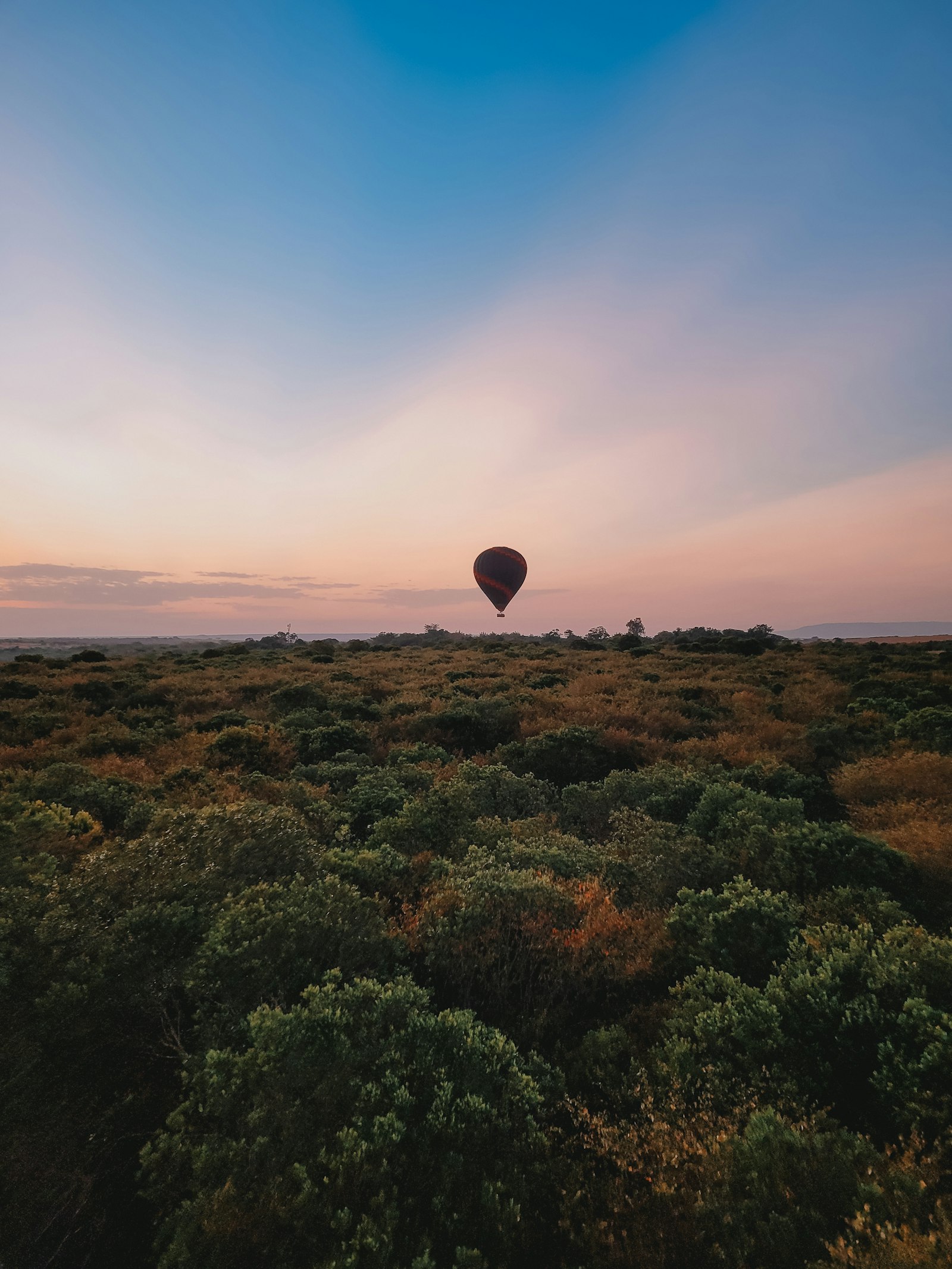
Our Masai Mara balloon safari guide quotes around USD 480 per person, but balloon prices are set by the operators and can change, so confirm when you book. If a balloon flight is in your Kenya safari spending money plan, book early in peak season, because flights fill up.
Cultural visits and community fees
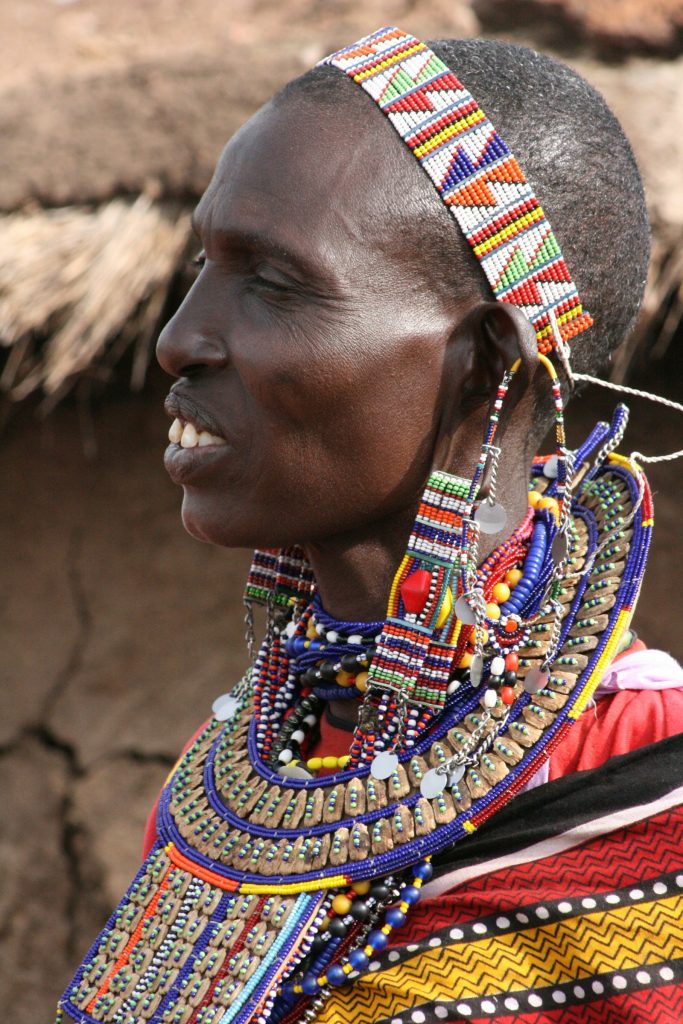
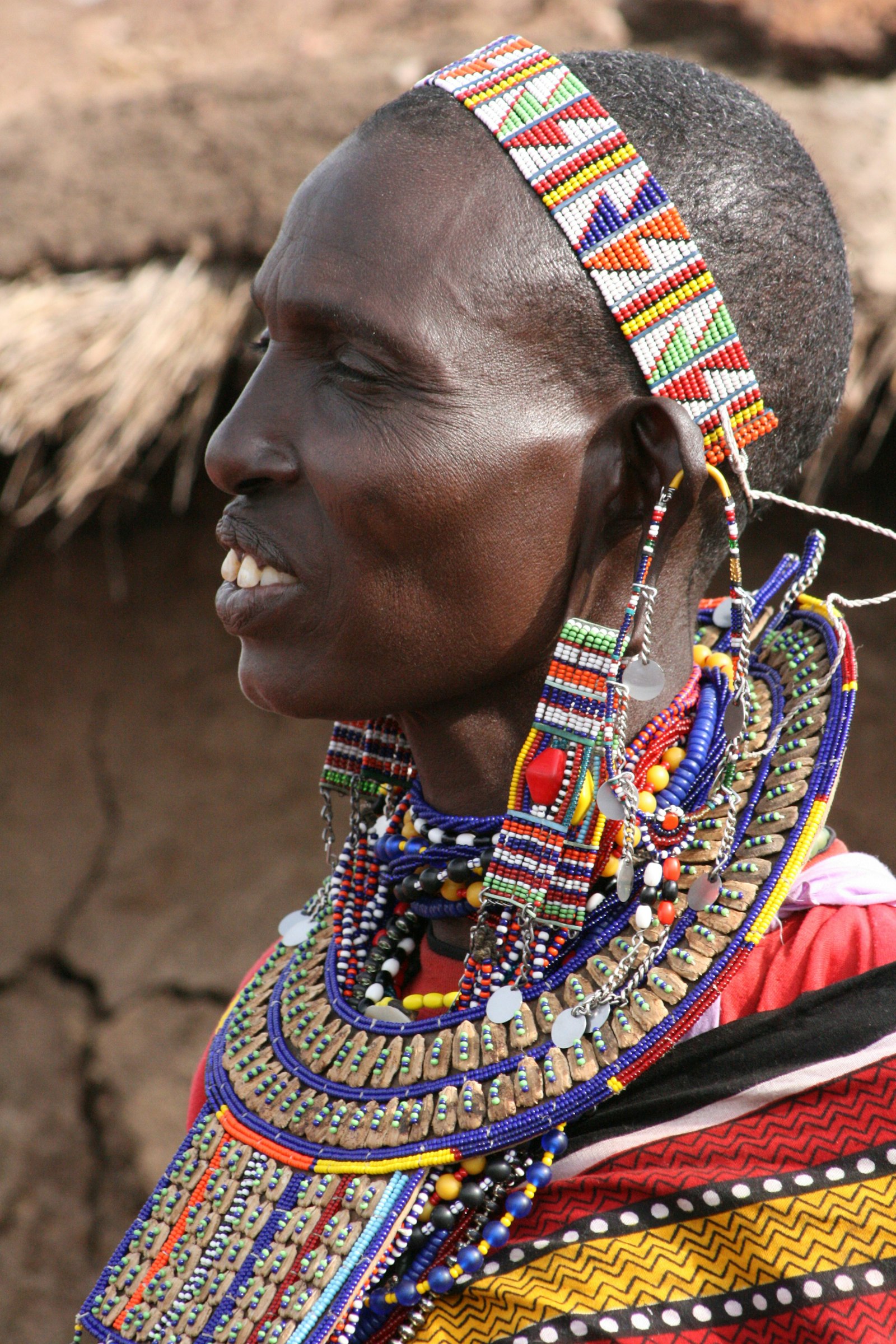
A visit to a Maasai or Samburu village usually has a set fee per person that goes to the community, and you may be offered beadwork to buy at the end. You are never obliged to buy. Our Maasai cultural and wildlife safari includes cultural time as part of the itinerary, so ask what is covered in your package.
Souvenirs and Shopping
Souvenirs are the most flexible part of Kenya safari spending money, and you can spend very little or a lot.
Popular buys include beadwork, kikoys and kangas, soapstone carvings, sisal baskets, Kenyan tea and coffee, and recycled glass. Camp shops are convenient, but they use up Kenya safari spending money faster than markets do. Markets in Nairobi are cheaper but need some bargaining. Our Maasai Market Nairobi guide explains what to buy and how to bargain politely, and our Nairobi shopping tour takes you there with a guide who knows fair prices.
- Bargaining: normal at markets, not at fixed-price shops.
- Ivory and wildlife products: never buy them; trade is illegal.
- Plastic bags: Kenya bans single-use plastic carrier bags, so bring a reusable bag.
- Customs at home: check your own country’s rules on wood, seeds and animal products.
Entry Costs to Budget Before You Fly
Some costs are not Kenya safari spending money in the usual sense, but you must pay them before you arrive, so include them in your total budget.
Most visitors need an Electronic Travel Authorisation (eTA) from the official portal at etakenya.go.ke, where the standard eTA is listed at USD 30. From 5 October 2026, most visitors must also buy Kenya’s government travel health insurance, reported at about USD 44 per adult. Read our Kenya mandatory travel insurance guide and check the UK government’s Kenya entry requirements or your own government’s advice for current rules.
- eTA: apply online before you fly; fees can change.
- Kenya travel health insurance: required for most visitors from October 2026.
- Your own travel insurance: still essential for cancellation and wider cover.
- Vaccinations and malaria tablets: see our Kenya vaccination requirements.
How to Carry Your Kenya Safari Spending Money
The best way to carry Kenya safari spending money is a mix of US dollars in small notes, some Kenyan shillings and a card for larger bills.
US dollars are widely accepted at camps, lodges and for tips. Bring newer, undamaged notes, because many businesses refuse old, torn or marked bills. Kenyan shillings are better for markets, small shops and road stops. Cards are accepted at most larger lodges and city businesses, though some remote camps add a card fee or have patchy connections. M-Pesa, Kenya’s mobile money service, is used almost everywhere in towns. Our Kenya currency and money guide explains each option.
- Bring small US dollar notes: USD 1, 5, 10 and 20 notes are most useful for tips.
- Withdraw shillings in Nairobi: ATMs are common in the city and at the airport.
- Tell your bank you are travelling: to avoid blocked cards.
- Split your money: keep cash in two or three places, plus the camp safe.
- Keep a card as back-up: for large bar bills or emergencies.
Expert tip from our Nairobi team: settle bar bills by card where possible and keep your cash for tips and small purchases. That way you do not need to carry a large amount of cash around the bush.
Keeping your Kenya safari spending money safe
Safari camps are generally very safe, but it still makes sense to look after your Kenya safari spending money. Use the safe in your tent or room if there is one, or ask the manager to hold valuables. Carry only what you need on game drives, and keep a photo of your cards and passport stored separately in case anything is lost. In Nairobi, use ATMs inside banks, malls or hotels rather than on the street.
- Use the camp safe: most mid-range and luxury camps provide one.
- Keep emergency cash separate: a small reserve in a different bag.
- Note card helplines: so you can block a card quickly if needed.
📅 Get a Free, No-Obligation Safari Quote
Send us your dates and we will send a clear quote that shows what is included, so you can plan your Kenya safari spending money with confidence. ✉ Send Us Your Dates on WhatsApp
Sample Kenya Safari Spending Money Budgets
These examples show how Kenya safari spending money adds up over a typical trip; your own figures will depend on your choices.
| Item | Light spender | Average | Generous |
|---|---|---|---|
| Tips over 7 days | USD 100 | USD 150 | USD 220 |
| Drinks | USD 30 | USD 80 | USD 150 |
| Souvenirs | USD 30 | USD 80 | USD 200 |
| Cultural visit | USD 0 | One visit | One visit |
| Balloon flight | Not taken | Not taken | Taken |
| Approximate total (excluding balloon) | USD 160 | USD 330+ | USD 570+ |
Families and groups
For families, Kenya safari spending money usually goes less on drinks and more on snacks and souvenirs. Tips for guides are often calculated per person but given as one amount from the family or group. If you are planning a family trip, our Kenya family safari package is a good starting point; message us for a quote that shows the inclusions clearly.
Short trips and layovers
On a short trip, such as a Nairobi stopover, Kenya safari spending money is mainly tips, a meal and small entry fees. See our 12 hour layover in Nairobi guide for a realistic day plan.
Smart Ways to Save on Safari Extras
You can keep Kenya safari spending money under control without missing out on the experiences that matter.
- Choose a plan that includes drinks: if you enjoy a sundowner, all-inclusive can be better value.
- Pick one big extra: choose the activity you want most rather than adding everything.
- Shop in Nairobi: markets are cheaper than camp shops.
- Stay in a conservancy: walks and night drives are often included there.
- Travel in the green season: package prices are often lower outside peak months.
- Bring a refillable bottle: many camps provide filtered water.
For more planning advice, see our list of Kenya safari mistakes to avoid and the Kenya Tourism Board’s Magical Kenya website.
Kenya Safari Spending Money FAQs
How much cash should I bring on a Kenya safari?
Many travellers bring enough cash to cover all their tips plus a small buffer, often USD 200–400 per person for a week, in small, newer US dollar notes. Larger costs such as bar bills can often go on a card at bigger lodges. Bring extra if your camps are remote or cash-only.
Can I use US dollars on safari in Kenya?
Yes. US dollars are widely accepted at safari camps, lodges and for tips. Bring newer, undamaged notes, because older or torn notes are often refused. Kenyan shillings are better for markets, small shops and road stops, and you can withdraw them from ATMs in Nairobi and other towns.
How much should I tip my safari guide in Kenya?
Our tipping guide suggests USD 10–20 per person per day as a baseline for a driver-guide, with USD 15–25 for a private guide and USD 10–15 for a shared guide. Camp staff are usually thanked with one pooled tip at check-out. Tips are normally given at the end of your time together.
Are drinks included on a Kenya safari?
It depends on the meal plan. Water in the vehicle is usually included, but on a full-board plan bar drinks are charged extra. All-inclusive plans often cover local beer, house wine and soft drinks, while premium spirits and champagne are usually extra. Ask your operator to confirm the plan for each camp.
Can I pay by card at safari camps?
Most larger lodges and camps accept Visa and Mastercard, though some remote camps have limited connections or add a card fee. Card payments are useful for bar bills and shop purchases. Always carry some cash for tips, cultural visits and small purchases, because not every place accepts cards.
What extra costs should I budget for a Kenya safari?
Budget for tips, drinks, souvenirs and optional activities such as a balloon flight or cultural visit, plus pre-trip costs like the eTA, Kenya’s travel health insurance, your own travel insurance and vaccinations. International flights are usually separate too. Ask your operator for a list of exclusions.
Is M-Pesa useful for tourists in Kenya?
M-Pesa, Kenya’s mobile money service, is used widely in towns for shops, taxis and markets. Visitors can register with a local SIM card and passport. It is handy in Nairobi, but on safari most travellers still rely on US dollars, shillings and cards for camp bills and tips.
🏕 Plan Your Safari With Sense of Adventure
Kenya-based experts. Real local knowledge. Transparent pricing. We list every inclusion and extra in your quote, so your Kenya safari spending money goes on experiences, not surprises. 💬 WhatsApp Us — Start Planning Today
Call or WhatsApp: +254 729 837 481
Related Safari Guides
- ›How Much Does a Kenya Safari Cost?
- ›Kenya Safari Tipping Guide
- ›What Is Included in a Kenya Safari?
- ›Full Board vs All Inclusive Safari
- ›Safari Cancellation Policy Explained
Official travel & park resource: Kenya Wildlife Service ↗