Kenya safari tipping follows a fairly settled pattern, but few first-time visitors know the numbers before they land. Our guidance is USD 10–20 per person per day for your driver-guide, towards USD 15–25 for a private guide and USD 10–15 for a guide shared across a larger vehicle. Camp and lodge staff are thanked separately, usually through one pooled tip box.
Tips are never compulsory. They are a thank-you for good service and an important part of income for guides and camp teams. Picture handing your guide an envelope on the last morning, with a proper thank-you, instead of doing sums while everyone waits. Sense of Adventure shares this guidance with every booking, and the ranges below are typical guidance, not fixed rules.
✅ Kenya Safari Tipping: Quick Answer
- Driver-guide: about USD 10–20 per person per day; USD 15–25 for a private guide, USD 10–15 for a shared one.
- Camp or lodge staff: one pooled tip in the staff box, typically around USD 5–10 per guest per day.
- Porters: a small note per bag, around USD 1–2 or KES 100–200.
- When: at the end of your time with each guide or camp, not daily.
- Currency: US dollars or Kenyan shillings are both welcome; bring small, clean, recent notes.
- Not included: tips are listed as an exclusion in our packages, so budget for them separately.
Want a tipping budget worked out for your exact trip and camps?
Estimate My Safari TipsThe Standard Ranges, and Why They Vary
The most commonly cited baseline is USD 10–20 per person, per day, for your safari driver-guide. The figure shifts with the type of trip. A private guide dedicated to your group is generally tipped USD 15–25 per person per day, while a guide shared across a larger vehicle or group is more commonly tipped USD 10–15.
A separate amount goes to camp or lodge staff: housekeeping, kitchen, waiters, askaris and the wider team. It is usually pooled and handed over as one sum rather than given to individuals. At higher-priced camps the upper end of each range is usual, while at simple campsites and budget lodges the lower to middle range is perfectly fair.
Families and groups travelling together often pool their tips into one envelope rather than each person tipping separately. The aim is a sincere thank-you that matches the service you received, not a precise formula.
Kenya Safari Tipping at a Glance
This table brings the typical Kenya safari tipping ranges together in one place. Amounts are guidance per person unless stated; adjust up or down to reflect the service you receive.
| Who | Typical range | When and how |
|---|---|---|
| Private driver-guide | USD 15-25 per person per day | End of the safari, in an envelope |
| Shared driver-guide | USD 10-15 per person per day | End of the safari, in an envelope |
| Camp’s own guide (fly-in) | Within the guide ranges above | On leaving each camp |
| Camp or lodge staff | Around USD 5-10 per guest per day | Staff tip box at check-out |
| Porters | About USD 1-2 or KES 100-200 per bag | At the time, in cash |
| Town restaurants | Around 10% if service is not included | With the bill |
Who to Tip, and How Much
Your Driver-Guide — $10-25 Per Person, Per Day — private guides toward the higher end, shared toward the lower
The largest and most important tip of the trip, generally handed over directly in an envelope on the final morning with a personal thank-you. Our guide to what makes a good safari guide explains what great guiding looks like.
Camp & Lodge Staff — A Pooled Amount — housekeeping, kitchen and general camp team
Most camps and lodges maintain a shared staff tip box or pooled system — ask at check-out if unsure, rather than trying to tip individual staff members separately. Around USD 5–10 per guest per day is a typical guide.
Porters & Specialist Staff — Smaller, Situational Amounts — e.g. luggage handling, spotter trackers on request
Smaller ad-hoc tips are appropriate for specific extra services, though these are far less standardised than the guide and camp-staff amounts above.
Kenya safari tipping on a fly-in safari
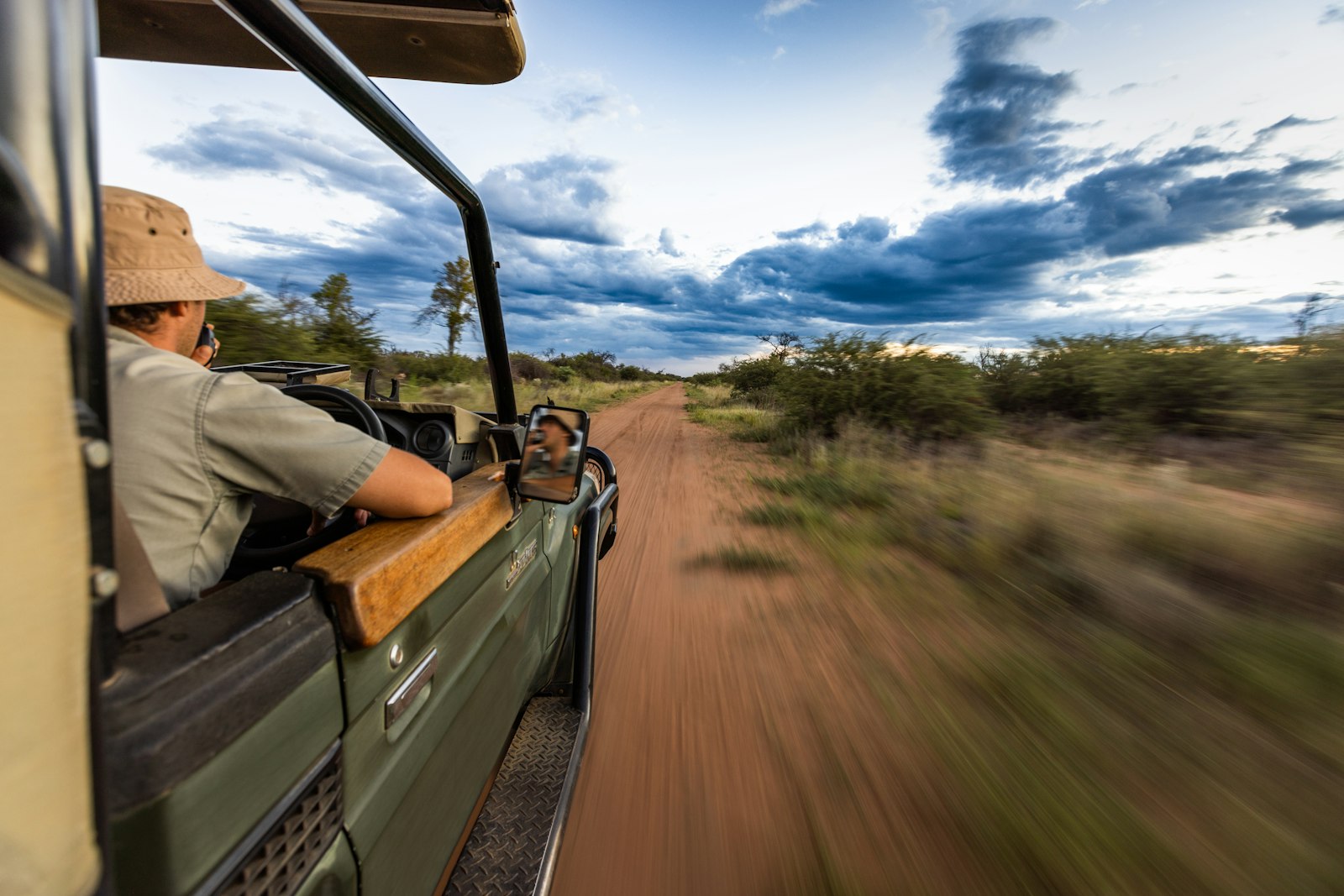
On a fly-in safari you usually meet a different guide at each camp, because camps use their own guides and vehicles. In that case, tip each camp guide when you leave that camp, using the same per-day ranges. Add the camp staff box at each property, and remember the pilot is not normally tipped.
Tipping on a shared or group safari
On a shared safari, each traveller tips the guide individually, usually at the lower to middle of the range because the guide is serving several parties. On a camping safari, the cook and camp crew are part of the team, so a pooled crew tip at the end is the usual way to thank them. Ask your guide if you are unsure who should receive what.
Private Guide or Shared Vehicle?
The style you choose changes both the experience and the tipping budget. Tell us your group and dates, and we will compare a private and a shared safari for you, tips included.
When and How to Hand Over Tips
The simplest Kenya safari tipping routine is to tip at the end of your time with each person or camp, not every day. Hand your guide’s tip over directly on the last morning, ideally in an envelope with a short handwritten note. At camps and lodges, put the staff tip in the box at reception, or ask the manager how they share it.
- Envelopes: bring a few from home; they keep amounts private and organised.
- Small notes: carry USD 1, 5, 10 and 20 notes, or Kenyan shilling notes, so you are not asking for change.
- Clean, recent dollars: torn, marked or older US notes are often refused, which leaves staff unable to use them.
- No coins: foreign coins cannot be changed in Kenya, so they are of little use to the person receiving them.
- Cards and M-Pesa: some lodges let you add the staff tip to your card bill, and M-Pesa works if you have a Kenyan line; ask first.
Either US dollars or Kenyan shillings are fine. Shillings save your guide an exchange step, while dollars are simpler if you have not been near an ATM. Our Kenya currency and money guide explains where to get each.
Worked Examples: Budgeting Your Kenya Safari Tipping
These examples show how Kenya safari tipping adds up on three common trip types. They use the typical ranges above, so treat the totals as a planning guide.
A couple on a 7-day private safari
Guide: 2 people × 7 days × USD 15–25 = USD 210–350, given together on the last morning. Camp staff: 2 people × 6 nights × USD 5–10 = USD 60–120, split across the camps. Total: roughly USD 270–470 for the couple, or USD 135–235 each.
A solo traveller on a 4-day camping safari
On our Masai Mara & Lake Nakuru Camping Safari, from USD 590 per adult sharing, the vehicle is often shared. Guide: 1 × 4 days × USD 10–15 = USD 40–60. Camp crew and cook: 1 × 3 nights × USD 5–10 = USD 15–30. Total: about USD 55–90.
A family of four on a 5-day private safari
A common approach is to base the guide’s tip on the adults and add a little for the children. Guide: 2 adults × 5 days × USD 15–25 = USD 150–250, plus a top-up for the children. Staff: 2 adults × 4 nights × USD 5–10 = USD 40–80. Total: about USD 190–330, plus the children’s top-up.
See Suggested Tips Written Into Your Quote
Our written quotes list what is included and what is not, so you can set aside the right tipping cash before you fly. Send your dates and group size to get yours.
Quote My Safari With TipsHow Much Cash to Carry for Kenya Safari Tipping
Work out your Kenya safari tipping total before you leave home, using the examples above, and carry that amount plus a small buffer. Cash machines are rare once you leave the towns, and camps cannot always break large notes, so arriving with the right mix saves stress later.
- Split it by person: label one envelope for each guide and one for each camp before the trip.
- Keep it safe: use the safe in your tent or room, and carry only the day’s needs on game drives.
- Top up in Nairobi: ATMs at the airport and in city malls dispense Kenyan shillings if you run short.
- Keep a card as back-up: for bar bills or for adding the staff tip at lodges that accept it.
Our guide to cash, cards and M-Pesa on arrival in Nairobi explains where to withdraw shillings at JKIA.
Tipping Beyond the Safari: Nairobi, the Coast and Transfers
Kenya safari tipping is the big item, but a few smaller tips come up before and after the bush. In Nairobi and at the coast, restaurants that do not add a service charge usually receive around 10%, and hotel porters a small note per bag. An airport or transfer driver who is not your safari guide appreciates a small tip at the end of the journey.
Beach hotels and coastal lodges often run a staff box in the same way as safari camps, so the same per-guest guidance works there too. For activities with their own crews, such as boat trips or a balloon flight, ask us or the operator what is customary rather than guessing.
Tipping Etiquette: Dos and Don’ts
Good Kenya safari tipping is as much about how you give as how much. A few simple habits keep it respectful for everyone.
- Do tip in proportion to the service; an exceptional guide deserves the top of the range.
- Do say thank you in person and, if you can, leave a review naming your guide.
- Do ask the camp manager about the staff box if you cannot see one.
- Don’t tip mid-drive for a particular sighting; it can encourage guides to break park rules.
- Don’t hand money or sweets to children on village visits; the community fee is the right way to contribute.
- Don’t feel pressured to tip for poor service; a lower tip with honest feedback is fair.
Our Kenya safari etiquette guide covers the wider unwritten rules, from game-drive manners to camp life.
What Your Package Does and Does Not Cover
Tips are almost never built into a safari price. Our own packages list tips and gratuities as an exclusion, alongside international flights, travel insurance and drinks, while park fees, the vehicle and your guide are included. That makes Kenya safari tipping one of the few costs you pay in cash on the trip itself.
Our guide to Kenya safari spending money puts tips alongside drinks, souvenirs and optional extras, so you can set one realistic daily budget. Tips are usually the biggest item in it.
Kenya Safari Tipping Facts
- Standard driver-guide range: USD 10-20 per person, per day, as a general baseline.
- Private guide range: USD 15-25 per person per day — toward the higher end since the guide is dedicated to your group only.
- Shared guide range: USD 10-15 per person per day, reflecting a guide split across a larger group.
- Camp/lodge staff: usually a separate, pooled tip, typically around USD 5-10 per guest per day, rather than individual amounts per staff member.
- Timing: tip your guide directly at the end of the safari, typically in an envelope with a brief thank-you.
- Camp level: the upper end of each range is usual at higher-priced camps; the lower to middle range suits budget camps.
Budgeting for Your Kenya Safari
Read our Kenya safari checklist for other pre-trip budgeting items, and our how many days you need guide to estimate total tipping across your full itinerary.
If you would like one guide for the whole trip, which makes Kenya safari tipping simpler, see our private Kenya safari options or browse our Masai Mara safari packages. For wider trip ideas, the Kenya Tourism Board’s Magical Kenya site is a good start, and the GOV.UK travel advice for Kenya covers safety and entry rules.
Travel Prepared, Thank Your Team With Confidence
We brief every guest on Kenya safari tipping, cash and camp customs before departure, so the last morning is about saying goodbye, not doing sums.
Frequently Asked Questions
How much should I tip my safari guide in Kenya?
A typical range is USD 10–20 per person per day for your driver-guide. Private guides who stay with your group throughout are usually tipped USD 15–25 per person per day, and guides on shared vehicles USD 10–15. Adjust within the range to reflect the service, and hand it over at the end.
Do I tip camp and lodge staff separately from my guide?
Yes. Camp and lodge staff, such as housekeeping, kitchen and waiters, are usually thanked with one pooled tip in a staff box, separate from your guide’s tip. Around USD 5–10 per guest per day is a typical guide. Ask the manager at check-out if you cannot find the box.
When should I tip my safari guide?
Tip your guide at the end of your time together, usually on the final morning, rather than every day. Most travellers hand it over in an envelope with a short thank-you note. On a fly-in safari with different camp guides, tip each guide as you leave their camp.
Should I tip more at a luxury lodge?
Generally, yes. At higher-priced camps and lodges the upper end of each range is usual, reflecting the level of service. At simple campsites and budget lodges, the lower to middle of the range is perfectly fair. Whatever the camp, base your tip mainly on the service you received.
Should our group pool tips together?
Yes. Families and groups travelling together commonly pool their tips into one combined amount rather than each person tipping the guide separately. It is simpler, keeps things private and is standard practice. Put the total in one envelope with a note from the whole group.
Can I tip in Kenyan shillings or US dollars?
Both are welcome. Kenyan shillings save the recipient an exchange step, while US dollars are convenient if you have not been near an ATM. If you use dollars, bring small, clean, recent notes, because torn or older notes are often refused. Avoid foreign coins, which cannot be exchanged.
Do I tip on a day trip from Nairobi?
Yes, a tip for your driver-guide at the end of a day trip is appreciated, using the same per-day guidance as a longer safari. Entry fees and the vehicle are usually included in day-tour prices, so the tip and any souvenirs are often the only cash you need on the day.