

A Kenya DMC (destination management company) is a locally based partner that plans, books and delivers the ground arrangements for your clients in Kenya: lodges and camps, vehicles and guides, park fees, transfers, activities and 24-hour support. Your agency keeps the client relationship and the sale, while the DMC contracts local suppliers and runs the trip on the ground.
Sense of Adventure is a Nairobi-based ground operator, licensed by Kenya’s Tourism Regulatory Authority (TRA1/47/C01/77087), working with international travel agents, tour operators, wholesalers, OTAs and incentive planners. This guide explains what a Kenya DMC actually does, how trade pricing and payments usually work, what to check before you sign with one, and how to brief a partner so quotes come back fast and accurate.

✅ Kenya DMC: The Quick Answer
- What it is: a Kenya-based company that handles every ground service for your clients, from airport arrival to departure, under one contract.
- Who uses one: travel agents, tour operators, wholesalers, OTAs, corporate travel buyers and MICE or incentive planners selling Kenya.
- How you pay: usually on net trade rates or a commission model, with a deposit to confirm and a balance before arrival; terms vary by partner.
- What to check: a current TRA licence, membership of the Kenya Association of Tour Operators (KATO), insurance, references and written terms.
- Key 2026 cost driver: park fees. KWS raised conservation fees from 1 October 2025, and the Masai Mara charges non-residents USD 200 per day from July to December.
- Lead time: 9–12 months for peak-season groups; 3–6 months is often enough for individual travellers in green season.
🤝 Selling Kenya but need a reliable partner on the ground?
Send us your client brief and we will reply with a costed itinerary and honest advice on availability. 💬 WhatsApp Our Trade Desk, email info@senseofadventure.co.ke or see our B2B partner page.
What Is a Kenya DMC?
A Kenya DMC is the local company your agency hands the destination to, so your clients are looked after by people who live and work there.
The term comes from the wider travel trade. A destination management company has deep knowledge of one destination and the supplier relationships to deliver it. In Kenya, most DMCs are also licensed tour operators that own or contract safari vehicles, employ driver-guides and hold working agreements with lodges and camps across the parks.
For your agency, the value of a Kenya DMC is simple. You sell the trip and manage the client. The DMC designs the ground programme, books every component, pays local suppliers and solves problems in real time. You deal with one partner, one invoice and one point of contact rather than ten separate suppliers in a different time zone.
Kenya DMC, tour operator or ground handler?
In practice, the labels overlap. A ground handler may only supply transfers and vehicles. A tour operator may sell direct to consumers as well as to the trade. A full Kenya DMC usually combines both, and adds itinerary design, MICE logistics and account management. Ask any partner exactly which services they deliver themselves and which they subcontract.
What a Kenya DMC Does for Travel Agents
A good Kenya DMC covers everything that happens to your clients once they land, and much of the planning before they leave home.
Here are the core services you should expect, and the ones Sense of Adventure provides to trade partners:
- Accommodation reservations: lodges, tented camps, city hotels and beach properties, booked at trade rates and confirmed in writing.
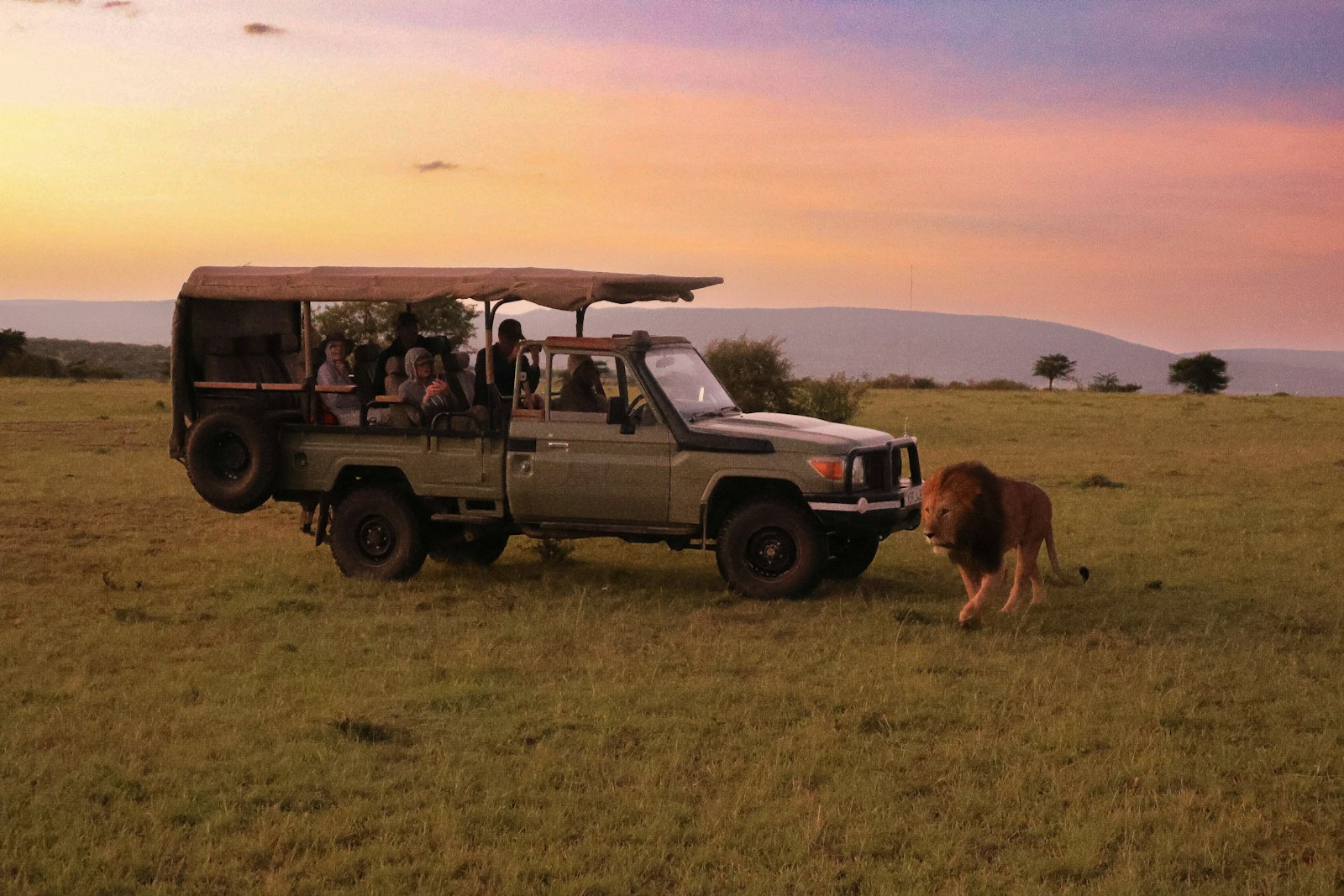
- Transport: 4×4 Land Cruisers and safari vans with pop-up roofs, airport transfers and coordination of scheduled or charter flights.
- Guiding: professional English-speaking driver-guides who know the parks, the wildlife and the road conditions.
- Park entry: calculating, paying and documenting conservation and reserve fees for each guest.
- Activities and excursions: balloon safaris, bush meals, cultural visits, walking safaris and city tours.
- Operational support: real-time updates while clients travel, and a team on call to fix delays, illness or changes.
Itinerary design and product development
Beyond logistics, a Kenya DMC helps you build product. That might be a tailor-made private safari for a honeymoon couple, a fixed-departure group programme for your brochure, or an incentive trip for 40 sales staff. Local knowledge matters here: drive times, seasonal road conditions and which camps suit which client are decisions best made by people on the ground.
White-label delivery
Many agencies want clients to see only their brand, not the Kenya DMC behind the trip. Sense of Adventure can brand all itineraries under your agency name, so documents carry your logo and contact details. Ask any partner how they handle white-label documents, guide briefings and client contact during the trip.
How Kenya DMC Trade Pricing Works
Trade pricing gives your agency a rate below the public price, so you can add your margin or earn a commission while staying competitive.
There are two common models. Under a net rate model, the Kenya DMC quotes you a net price and you set your own selling price. Under a commission model, the DMC quotes a gross price and pays or deducts an agreed commission. Some partners offer both. Sense of Adventure offers B2B net pricing with flexible commission structures and seasonal offers, and shares current trade rates on request.
What sits inside a safari quote
A typical Kenya DMC quote combines several cost lines. Understanding them helps you compare partners and explain value to clients:
| Cost line | What it covers | How it changes |
|---|---|---|
| Accommodation | Lodge or camp nights, usually full board or all-inclusive | Season, room type, camp category |
| Vehicle and guide | Private or shared 4×4 or van, driver-guide, fuel | Group size, number of vehicles, days |
| Park and reserve fees | KWS conservation fees, Masai Mara or county reserve fees, conservancy fees | Set by authorities; can change at short notice |
| Flights | Domestic scheduled or charter flights to airstrips | Route, season, luggage needs |
| Activities | Balloon flights, bush dinners, cultural visits | Supplier, season, group size |
| Operator margin | Planning, support, risk and admin | Partner policy; trade rates on request |
For a deeper look at inclusions, see our guide to what is included in a Kenya safari.
Park fees: the line that changes most
Park fees can make up a large share of a Kenya safari quote, so check how your Kenya DMC handles changes. The Kenya Wildlife Service introduced new conservation fees on 1 October 2025, the first review in many years. For non-resident adults, Amboseli and Lake Nakuru rose to USD 90 per person per day, Nairobi National Park to USD 80, and Tsavo East and Tsavo West to USD 80. Confirm current rates on the Kenya Wildlife Service website before you quote.
The Masai Mara National Reserve is managed by Narok County, not KWS. In 2026 it charges non-resident adults USD 100 per person per day from January to June and USD 200 from July to December. Private conservancies set their own fees. Our full breakdown of Kenya national park entrance fees for 2026 covers each park.
Expert tip from our Nairobi operations team: ask your partner to show park fees as a separate line in every quote. If fees rise after you confirm, you can see exactly what changed and explain it to your client.
Payment Terms, Deposits and Cancellations
Most Kenya DMC partners confirm bookings on a deposit and collect the balance before arrival, but the exact percentages and deadlines vary.
Typical industry practice looks like this, though terms vary by supplier and by season:
- Deposit: a percentage of the land cost to confirm camps and vehicles, often higher for peak dates and small camps.
- Balance: due a set number of days before arrival, commonly 30–60 days.
- Non-refundable items: some camps, balloon flights and charter flights carry their own strict cancellation rules.
- Park fees: often paid in advance through government systems and may not be refundable.
Always ask your Kenya DMC for written payment and cancellation terms before you confirm. Then align them with your own client terms so you never refund a client money you cannot recover. Our guides to safari deposits and payment plans and the safari cancellation policy explain the details from the client side.
How to Vet a Kenya DMC Before You Sign
Checking licences, memberships and references takes an hour and protects your clients’ money and your agency’s reputation.
The Tourism Regulatory Authority licenses tour operators in Kenya and has repeatedly warned travellers against unlicensed operators. Licences are renewed each year. Before you work with any Kenya DMC, follow these steps:
- Check the TRA licence: ask for the licence number and confirm it with the Tourism Regulatory Authority. Sense of Adventure’s licence number is TRA1/47/C01/77087.
- Check KATO membership: the KATO bonding scheme offers clients of bona fide members some protection if a member goes into involuntary liquidation. It does not cover fraud, so it is one check among several.
- Confirm the physical office: a real address, landline or mobile numbers and staff you can speak to. Our office is at Mountain Mall, Thika Road, Nairobi.
- Ask about the fleet: who owns the vehicles, how they are maintained, and whether every guest gets a window seat.
- Request trade references: speak to other agencies who have used the partner for similar clients.
- Read the contract: payment terms, cancellation scales, liability, insurance and complaint handling.
- Test the service: send a realistic enquiry and judge the speed, accuracy and honesty of the reply.
Our consumer-facing guide on choosing a trustworthy safari tour operator in Kenya covers further warning signs you can share with clients.
Red flags in a Kenya DMC proposal
Be cautious if a Kenya DMC quotes far below the market without explaining why, will not name the camps, avoids written terms, asks for payment to a personal account, or cannot confirm a TRA licence. Equally, be wary of instant confirmations for peak-season dates at small camps. Honest partners tell you when space is tight.
Kenya DMC Services for Groups, MICE and Incentives
Groups and corporate programmes need a Kenya DMC with enough vehicles, guides and supplier relationships to move many people at once.
Corporate and incentive travel is a specialist area for any Kenya DMC. Sense of Adventure supports corporate retreats, conferences and meetings, incentive reward travel and executive leisure safaris. A typical incentive programme might combine a Nairobi conference with a fly-in Masai Mara extension, a private bush dinner and a cultural visit. See our sample corporate incentive fly-in safari to the Masai Mara and our planning guide to corporate group safari retreats in Kenya.
What changes when numbers grow
- Rooms: many Mara camps have only a small number of tents, so groups may need a block across one camp or two nearby properties.
- Vehicles: a standard safari Land Cruiser seats up to six or seven guests with window seats, so a group of 20 needs several vehicles and guides.
- Flights: light aircraft to safari airstrips often have soft-bag luggage limits, commonly around 15 kg per person; check with the airline.
- Timing: peak-season groups should confirm 9–12 months ahead.
Expert tip from our Nairobi operations team: for groups, agree a rooming list deadline and a single decision-maker early. Most late changes come from unclear room pairings and dietary needs, not from the safari itself.
Delegates with free time can also add short excursions; our guide to a Nairobi tour for conference delegates shows how to fit sightseeing around a programme.
📩 Request Our Current Trade Rates
Tell us your client numbers, dates and budget level, and we will send current trade rates and a costed itinerary. ✉ Send Us Your Client Brief on WhatsApp
Where a Kenya DMC Takes Your Clients
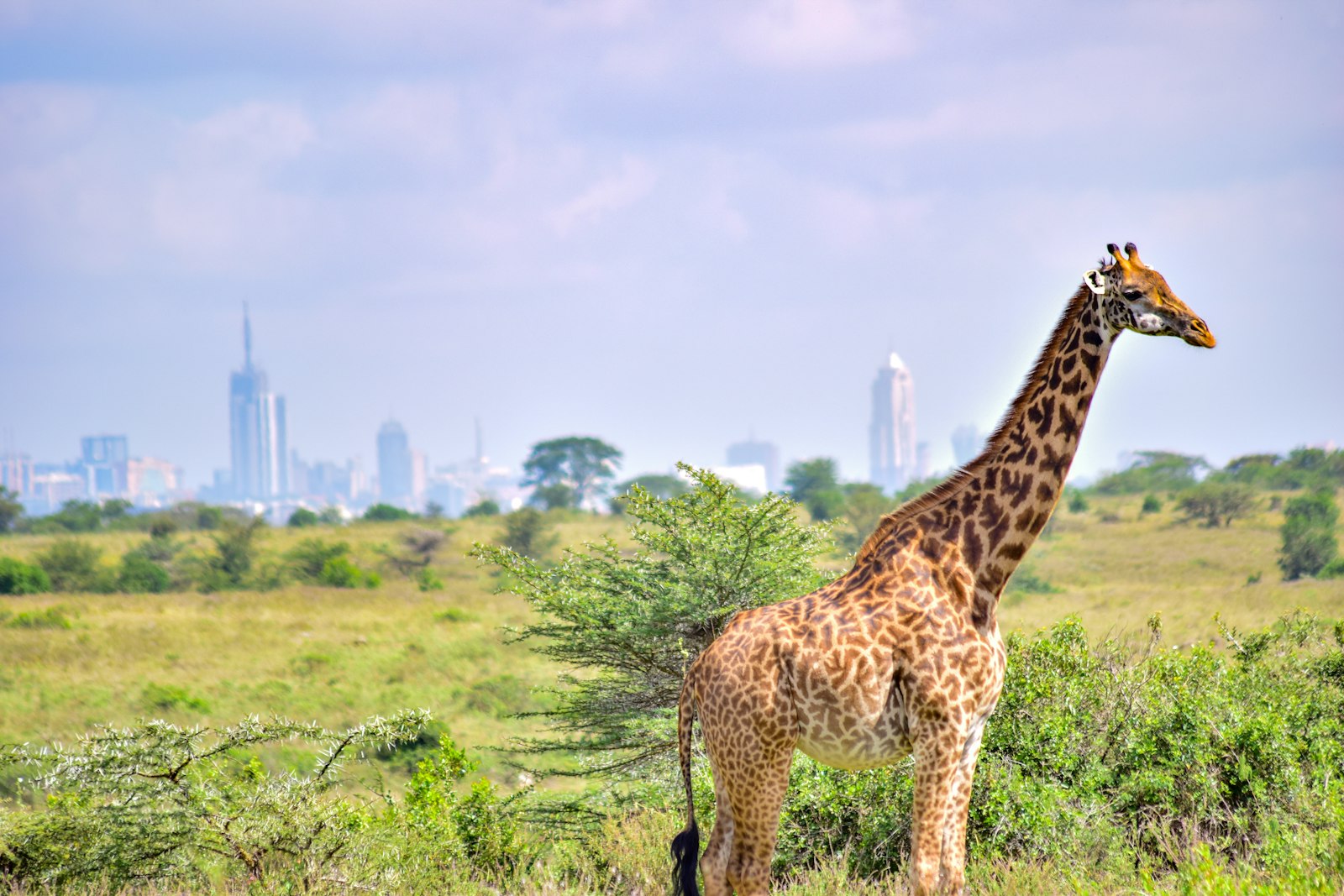
Most Kenya itineraries combine the Masai Mara with one or two other parks, and a local partner helps you choose the right mix for each client.
| Destination | Best for | Typical access from Nairobi |
|---|---|---|
| Masai Mara | Big cats, Great Migration (roughly July–October), conservancies | Road about 5–6 hours, or a short scheduled flight |
| Amboseli | Elephants with Kilimanjaro views | Road about 4–5 hours, or flight |
| Lake Nakuru | Rhinos, birdlife, Rift Valley scenery | Road about 3–4 hours |
| Samburu | Northern species such as Grevy’s zebra and reticulated giraffe | Road about 5–6 hours, or flight |
| Tsavo East and West | Large wilderness, red elephants, easy link to the coast | Road or rail towards Mombasa |
| Nairobi National Park | Half-day game drive for arrival or departure days | Around 30 minutes from the city centre, traffic permitting |
When your Kenya DMC quotes drive times, remember they depend on traffic, road works and weather, so treat them as guides. Our Masai Mara safari packages show road and fly-in options, and our page on Kenya safaris from Nairobi covers short trips that fit tight schedules.
Matching product to client type
Private safaris suit honeymooners, families and photographers who want flexible timing; see our private Kenya safari range. High-end clients often prefer conservancies and fly-in transfers, as shown on our luxury Kenya safari page. A multi-park circuit such as our Kenya Highlights Safari works well for first-time visitors with nine days.
Entry Rules and Travel Advice to Share With Clients
Your Kenya DMC handles the ground, but your agency should make sure every client has the right entry documents and has read current travel advice.
Kenya uses an Electronic Travel Authorisation (eTA) for most non-African visitors. Travellers apply online through the official Kenya eTA portal before departure, and airlines check approval at check-in. Most African nationals and East African Community citizens have been exempted under recent rule changes, but rules change, so confirm each client’s position on the official portal.
Point clients to official travel advice from their own government, such as the UK Foreign Office advice for Kenya. For destination inspiration and marketing material, the national tourism board’s site Magical Kenya is a useful resource.
How to Brief a Kenya DMC for a Fast Quote
The more complete your first message, the faster your Kenya DMC can send an accurate, bookable quote.
Include these details in every enquiry:
- Number of travellers, ages of any children and room configuration.
- Travel dates or a date window, and arrival and departure flights if known.
- Budget level: classic, mid-range or luxury, or a target price per person.
- Interests: big cats, migration, photography, culture, walking, beach extension.
- Pace and transport preference: road safari, fly-in or a mix.
- Whether you need white-label documents and in which currency you want the quote.
- Your net or commission preference and any deadlines from your client.
Expert tip from our Nairobi operations team: send two date options if your client is flexible. In peak season, moving a stay by two or three days often opens space at a preferred camp.
Why Work With a Nairobi-Based Kenya DMC
Being based in Nairobi means your partner can inspect camps, meet arrivals, brief guides and fix problems on the same day.
A local Kenya DMC also sees changes first: a new park fee, a road closure in the rains, a camp refurbishment or a shift in the migration. That information reaches your agency before it reaches your clients. If you are weighing the options from the client’s point of view, our article on booking with a local operator or an overseas agent sets out the trade-offs honestly.
Sense of Adventure works with international tour operators, travel agencies and wholesalers, OTAs, corporate travel planners, other DMCs and event and incentive organisers. We offer quick quotation turnaround, priority booking support, real-time operational updates and dedicated account handling. Every safari runs in well-maintained 4×4 Land Cruisers or safari vans; read more about safari vehicles in Kenya.
Kenya DMC FAQs
What does a Kenya DMC do?
A Kenya DMC plans and delivers ground services for travel agents and tour operators. It books lodges and camps, supplies vehicles and guides, pays park fees, arranges transfers and activities, and supports clients throughout the trip, so your agency can sell Kenya without managing every local supplier itself.
How do I check that a Kenya DMC is licensed?
Ask for the Tourism Regulatory Authority licence number and confirm it with the TRA. Then check membership of the Kenya Association of Tour Operators, ask for trade references, confirm the physical office address and read the written terms before you send any payment.
Do Kenya DMCs offer net rates or commission?
Both models are common. A net rate lets you set your own selling price, while a commission model pays an agreed percentage on a gross price. Sense of Adventure offers B2B net pricing with flexible commission structures; request our current trade rates for your dates.
How far in advance should agents book Kenya safaris?
For July to October and the Christmas period, book 9 to 12 months ahead, especially for groups. Green season trips for couples or families can often be confirmed 3 to 6 months ahead. Small camps and balloon flights sell out first in busy months.
Can a Kenya DMC brand itineraries with my agency name?
Yes, many partners offer white-label service. Sense of Adventure can brand all itineraries and documents under your agency name, so your clients see your brand throughout. Agree in advance how guides introduce themselves and who clients contact while travelling.
How much are Masai Mara fees for clients in 2026?
In 2026, the Masai Mara National Reserve charges non-resident adults USD 100 per person per day from January to June and USD 200 from July to December. Conservancies set their own fees. Always confirm current rates before quoting, as fees can change.
Does a Kenya DMC handle MICE and incentive groups?
Many do. Sense of Adventure handles corporate retreats, conferences and meetings, incentive reward travel and executive leisure safaris. For large groups, confirm vehicle numbers, rooming blocks and flight seats early, ideally 9 to 12 months ahead for peak-season dates.
🏕 Partner With Sense of Adventure in Kenya
Kenya-based ground operator. Real local knowledge. Transparent trade pricing. Tell us about your agency and your next client, and we will show you how we work. 💬 WhatsApp Our Trade Desk Today
Call or WhatsApp: +254 799 160 081 · Email: info@senseofadventure.co.ke
Related Trade Guides
- › B2B Partnerships With Sense of Adventure
- › Corporate and Group Safari Retreats in Kenya
- › Kenya National Parks Entrance Fees 2026
- › What Is Included in a Kenya Safari?
- › Safari Vehicles in Kenya
Official licensing & park resources: Tourism Regulatory Authority ↗ · Kenya Wildlife Service ↗