
Choosing a Kenya safari DMC comes down to twelve questions: is it licensed, how does it price, who owns the vehicles, who guides, which camps it uses, how it handles park fees, payments, cancellations, emergencies, groups, white-label documents and communication. A partner that answers all twelve clearly, in writing, is one your agency can safely put clients with.
Sense of Adventure is a TRA-licensed ground operator (TRA1/47/C01/77087) based at Mountain Mall on Thika Road, Nairobi, working with travel agents, tour operators, wholesalers, OTAs and incentive planners. Below we set out the twelve questions we would ask in your position, what a good answer looks like, and the warning signs that should make you walk away.
✅ Choosing a Kenya Safari DMC: The Quick Answer
- Licensing first: ask for the Tourism Regulatory Authority licence number and check membership of KATO before anything else.
- Pricing clarity: a good Kenya safari DMC explains net or commission pricing and shows park fees as a separate line.
- Fleet and guides: ask who owns the 4x4s and vans, how many guests sit in each, and how guides are trained.
- Written terms: deposits, balance dates and cancellation scales should be in writing and match your own client terms.
- Support on the ground: 24-hour contact, real-time updates and a clear plan for delays, illness and changes.
- Test before you commit: send one realistic brief and judge speed, accuracy and honesty.
🤝 Comparing safari partners for your agency?
Put us through the twelve questions below and see how we answer. 💬 WhatsApp Our Trade Desk, email info@senseofadventure.co.ke or see our B2B partner page.
Why the Choice of Kenya Safari DMC Matters
Your Kenya safari DMC delivers every hour of the trip your client remembers, so its strengths and weaknesses become your agency’s reputation.
Kenya is a busy, competitive market. According to figures reported in April 2026, Kenya received about 2.7 million international visitors in 2025, with the United States its largest single source market and Europe supplying about a quarter of arrivals. Demand is strong, which brings many new operators into the market, and not every one that calls itself a Kenya safari DMC has the systems the trade needs. Some are excellent. Others have little more than a website and a phone number.
If you are new to working with destination partners in Kenya, start with our overview of what a Kenya DMC does for travel agents. This guide goes a step further and gives you a practical vetting checklist.
Questions 1–3: Licensing, Membership and Track Record
The first three questions confirm that your Kenya safari DMC is a legitimate, accountable business before you discuss a single itinerary.
1. Are you licensed by the Tourism Regulatory Authority?
Every tour operator in Kenya must hold a licence from the Tourism Regulatory Authority. Licences are renewed annually, and the TRA has run crackdowns on unlicensed operators and revoked licences of firms that broke the rules. Ask for the licence number and check it. A good answer is immediate and specific. Ours is TRA1/47/C01/77087.
2. Are you a member of KATO?
The Kenya Association of Tour Operators is the main industry body for tour operators. Its bonding scheme gives clients of fully paid-up members a measure of protection if a member enters involuntary liquidation, though it does not cover fraud. Ask whether the partner is a current member and verify it with KATO directly.
3. How long have you worked with the trade, and can I speak to references?
Ask which markets your Kenya safari DMC already serves and request two or three trade references with similar clients. A Kenya safari DMC that works mostly with consumers may need time to adapt to trade processes such as white-label documents, net invoicing and agent-first communication.
Questions 4–6: Pricing, Park Fees and Payment Terms
These three questions show whether a Kenya safari DMC prices transparently and whether its terms fit your own business model.
4. Do you work on net rates, commission or both?
Most partners offer net rates, commission or a choice of the two. With net rates you control your mark-up; with commission you sell at a published gross price. Sense of Adventure offers B2B net pricing with flexible commission structures and seasonal offers. Ask any Kenya safari DMC how rates are guaranteed once quoted, and for how long.
5. How do you show and update park fees?
Park fees are set by authorities, not operators, and they change. The Kenya Wildlife Service raised conservation fees on 1 October 2025: non-resident adults now pay USD 90 per day in Amboseli and Lake Nakuru and USD 80 in Nairobi National Park and Tsavo. The Masai Mara National Reserve charges non-residents USD 100 per day from January to June and USD 200 from July to December in 2026. A good partner itemises these fees and tells you how it handles future increases. See our list of Kenya national park entrance fees for 2026.
6. What are your deposit, balance and cancellation terms?
Typical practice is a deposit to confirm, with the balance due 30–60 days before arrival, but terms vary by supplier and season. Some camps, charter flights and balloon operators apply stricter rules. Ask for the full cancellation scale in writing, then make sure your own client terms are at least as protective. Our explainer on the safari cancellation policy shows how scales usually work.
Expert tip from our Nairobi operations team: ask for a sample pro forma invoice before you sign. It shows how the partner splits accommodation, transport, park fees and extras, and how clear its paperwork will be when a real booking lands.
| Pricing question | Good answer | Warning sign |
|---|---|---|
| Net or commission? | Clear model, explained in writing | Vague, or changes from quote to quote |
| Park fees | Itemised per guest, per day, with source | Hidden inside a single lump sum |
| Rate validity | Stated validity period and conditions | No validity, or prices change after deposit |
| Deposit and balance | Written schedule tied to arrival date | Full payment demanded months ahead |
| Payment method | Company bank account, invoice in company name | Personal account or cash only |
Questions 7–8: Vehicles, Guides and Safety
Vehicles and guides are the core of any safari, so your Kenya safari DMC should answer these questions in detail.
7. Who owns the vehicles, and how many guests sit in each?
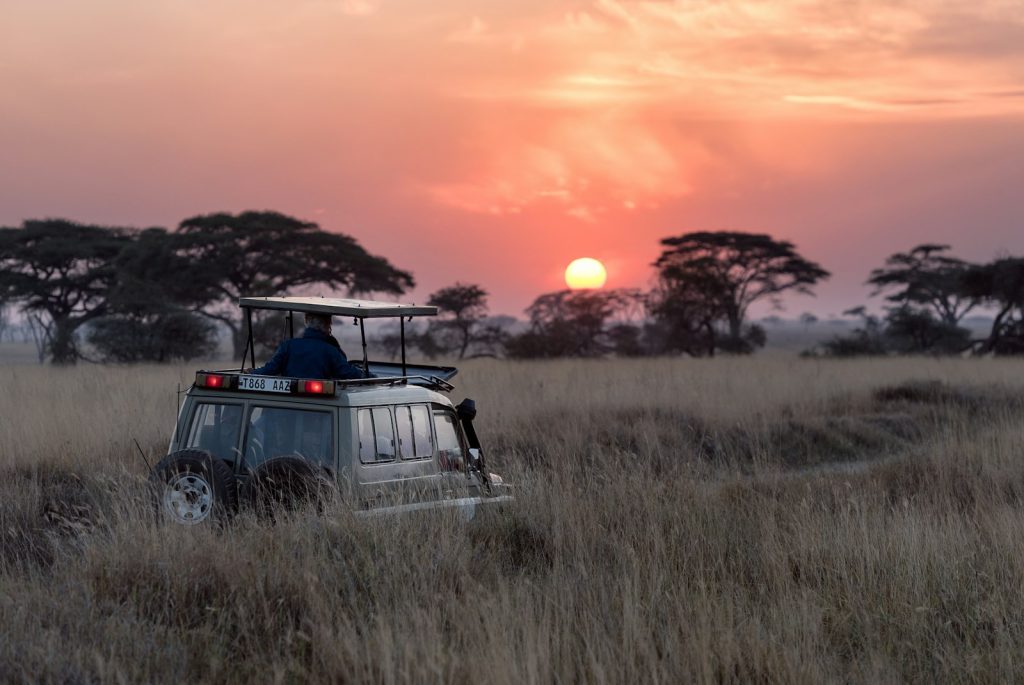
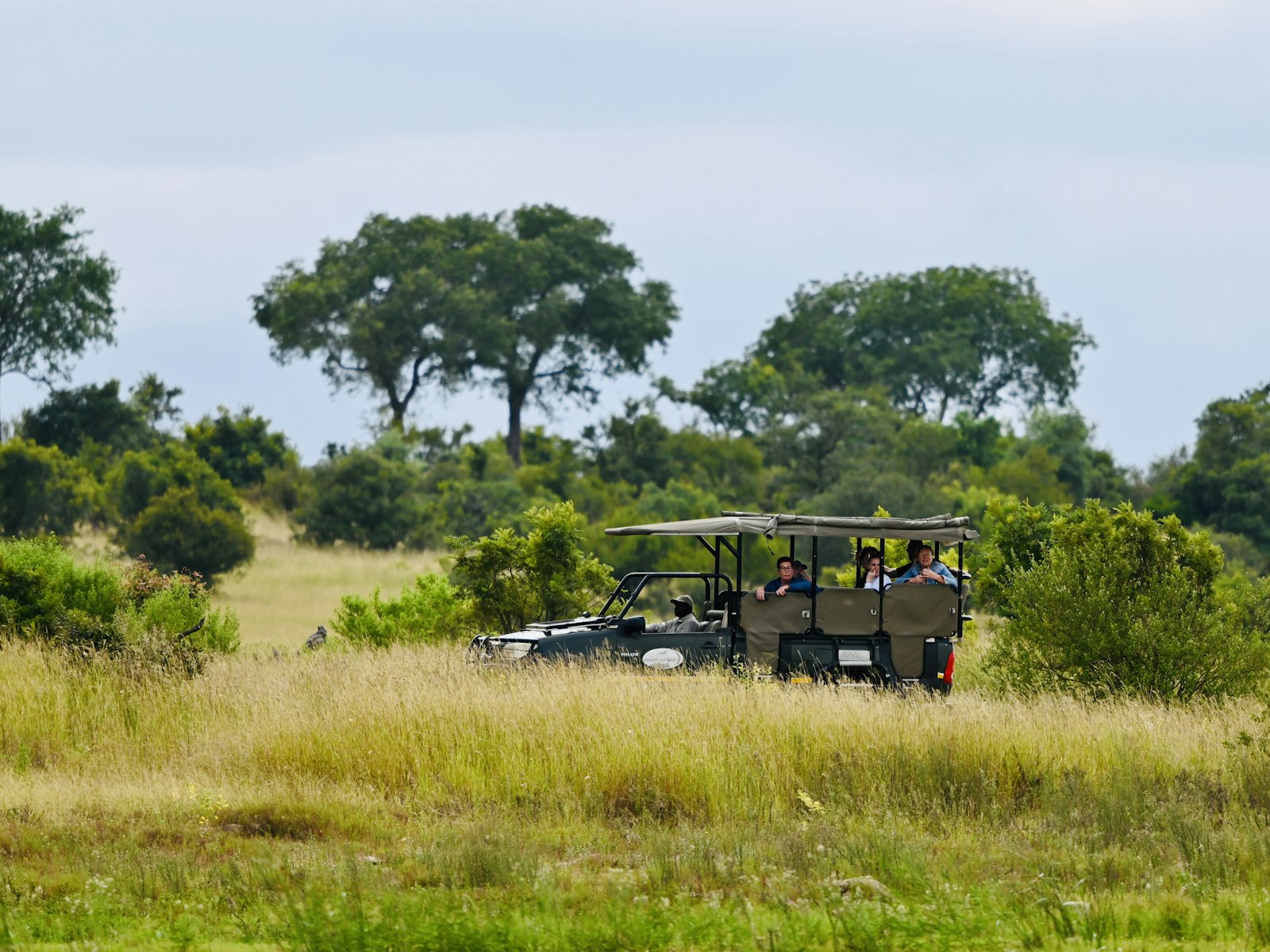
Every Kenya safari DMC will talk about its fleet. Kenya’s standard safari vehicle is a 4×4 Land Cruiser with a pop-up roof; safari vans are also widely used, especially on budget and mid-range circuits. Ask whether the fleet is owned or subcontracted, how often vehicles are serviced, and how many guests ride in each. A typical Land Cruiser seats six or seven guests with a window seat each. Our guide to safari vehicles in Kenya explains the differences.
8. Who are your guides, and how are they trained?
Sense of Adventure uses professional English-speaking guides. Ask any partner about guide experience, first-aid training, languages and whether guides hold certification from the Kenya Professional Safari Guides Association, which grades guides at Bronze, Silver and Gold levels. Also ask how guides are briefed on each client’s interests, dietary needs and mobility.
Expert tip from our Nairobi operations team: ask how the partner handles a vehicle breakdown in a remote area. A good answer names a response time, a backup vehicle plan and who calls the client and your agency.
Questions 9–10: Camps, Products and Destinations
The camps and routes a Kenya safari DMC recommends reveal whether it designs around your clients or around its own convenience.
9. Which camps and lodges do you use, and why?
Ask your Kenya safari DMC for named properties at each budget level, not just “luxury tented camp”. Ask how often the team inspects them and which meal plans they sell. Board basis matters: our guide to full board vs all-inclusive safari rates explains the difference you will see in quotes.
In the Masai Mara, ask whether the camp sits inside the national reserve or in a private conservancy. Conservancies limit vehicle numbers, allow activities such as night drives and walking, and charge their own fees. Our Masai Mara safari packages show both styles.
10. Which destinations and trip styles can you deliver?
Sense of Adventure delivers safaris across the Masai Mara, Amboseli, Nairobi National Park, Lake Nakuru, Samburu and Tsavo, and designs private safaris, group tours, incentive programmes, educational and photography safaris, and luxury and exclusive travel. Ask any Kenya safari DMC for sample itineraries in your client segments. Our private Kenya safari and luxury Kenya safari pages show two ends of the range, and the Kenya Classic Group Safari shows a popular seven-day route.
📩 Request Our Current Trade Rates
Send us a real client brief and we will reply with a costed itinerary, named camps and current trade rates. ✉ Send Us Your Client Brief on WhatsApp
Questions 11–12: Communication, Branding and Emergencies
The last two questions test how a Kenya safari DMC works with your agency day to day and what happens when something goes wrong.
11. Can you work under my brand, and who talks to my clients?
For a Kenya safari DMC, white-label service means itineraries, vouchers and documents carry your agency’s brand. Sense of Adventure can brand all itineraries under the partner agency. Agree in advance how guides introduce the company, whether clients receive the partner’s number, and how feedback reaches you first.
12. What support do you give while clients are travelling?
Ask your Kenya safari DMC for 24-hour contact details, the escalation process and how quickly you will hear about delays or changes. Sense of Adventure provides real-time operational updates, priority booking support and dedicated account handling. Ask any partner how it would handle a missed flight, a medical problem in a remote camp, or a road closure in the rains.
What a Good Kenya Safari DMC Answer Looks Like
A strong answer from a Kenya safari DMC is specific, written down and honest about limits, rather than a promise that everything is possible.
Compare these two replies to the same question about August space in a small Mara camp. A weak reply says “no problem, confirmed” within minutes. A strong reply names the camp, says space is on request, gives a supplier hold reference and a deadline, and offers an alternative camp nearby if the first choice is full. The second reply takes longer, but it protects you from selling a room that does not exist.
The same applies to drive times, park fees and balloon flights. Partners who explain why something costs what it does, or why a route takes longer in the rains, are usually the ones who deliver on the ground.
Kenya Safari DMC Red Flags
Most problems with a Kenya safari DMC can be spotted before you sign, if you know what to look for.
- No licence number, or one that cannot be confirmed with the TRA.
- Payment requested to a personal bank account or a mobile wallet in an individual’s name.
- Prices far below market for peak dates, with no named camps.
- Instant confirmations for small Mara camps in August, with no supplier reference.
- No written terms, or terms that change after the deposit.
- Pressure to pay quickly to “hold” space that has not been confirmed.
Share the consumer view with clients too. Our guide to the questions to ask before booking a safari covers the same ground from a traveller’s angle.
How to Score Kenya Safari DMC Proposals
A simple scoring grid helps you compare two or three Kenya safari DMC proposals on more than price.
Score each Kenya safari DMC from 1 to 5 on these points, then weight them for your agency:
| Criterion | What to check | Suggested weight |
|---|---|---|
| Licensing and membership | TRA licence verified, KATO membership confirmed | High |
| Response speed | Time to first costed proposal | Medium |
| Accuracy | Correct park fees, realistic drive times, named camps | High |
| Transparency | Itemised quote, written terms | High |
| Fleet and guiding | Owned or vetted vehicles, guide experience | High |
| Trade fit | White-label, net or commission, agent-first contact | Medium |
| Support | 24-hour line, escalation plan, updates during travel | High |
Expert tip from our Nairobi operations team: send every shortlisted partner the same brief on the same day. Differences in park fees, drive times and camp choices become obvious when you compare like with like.
Entry Rules, Advice and Client Paperwork
Even the best Kenya safari DMC cannot fix a client who arrives without the right documents, so build entry checks into your booking process.
Most non-African visitors need an Electronic Travel Authorisation, applied for through the official Kenya eTA portal before travel; airlines check it at check-in. Rules for African and East African Community nationals have been relaxed, but they can change, so check each client. Point clients to their government’s advice, for example the US State Department travel site or the UK Foreign Office page for Kenya.
Your Kenya safari DMC should also remind you of practical limits. Confirm with each client that they hold travel insurance, have checked vaccinations with a travel health professional, and know the soft-bag luggage limit (commonly around 15 kg) on light aircraft to safari airstrips.
Starting a Trial Booking With a Kenya Safari DMC
The safest way to start with a new Kenya safari DMC is a single, well-briefed booking before you commit a full programme.
- Send a real brief: numbers, dates, budget level, interests and your preferred pricing model.
- Compare the proposal: check named camps, park fees, drive times and inclusions.
- Agree terms in writing: deposit, balance, cancellation scale and white-label requirements.
- Confirm and pay to a company account: request supplier confirmations for camps and flights.
- Review the client documents: vouchers, itinerary and emergency contacts in your branding.
- Debrief after travel: share client feedback and agree any changes for the next booking.
For group business, see how we package multi-vehicle trips in our Kenya group safari packages, and for migration season, our Great Migration safari across Kenya and Tanzania.
Kenya Safari DMC FAQs
How do I choose a Kenya safari DMC?
Check the Tourism Regulatory Authority licence and KATO membership first. Then compare pricing transparency, fleet ownership, guide experience, named camps, written payment and cancellation terms, and support during travel. Send the same brief to two or three partners and compare the accuracy and speed of their proposals.
What questions should I ask a safari ground handler in Kenya?
Ask about licensing, trade references, pricing model, park fee handling, deposits and cancellations, vehicle ownership, guide training, camps used, destinations covered, white-label service and 24-hour support. A reliable ground handler answers each question clearly and puts the important ones in writing.
Is KATO membership required for a Kenya safari operator?
A TRA licence is a legal requirement for tour operators, while KATO membership is voluntary. Membership brings a code of conduct and a bonding scheme that offers some protection if a member enters involuntary liquidation. Many agents treat KATO membership as an important extra check rather than a substitute for licensing.
How are park fees shown in a Kenya safari quote?
A transparent quote lists park and reserve fees per guest, per day, separately from accommodation and transport. In 2026, Masai Mara non-resident fees are USD 100 per day from January to June and USD 200 from July to December. KWS parks have their own rates set from October 2025.
How many guests fit in a Kenya safari vehicle?
A standard pop-up roof Land Cruiser usually seats six or seven guests, each with a window seat. Safari vans carry a similar number. Groups larger than this need extra vehicles and guides, so confirm vehicle numbers in writing before you publish a group price.
Can a Kenya safari DMC handle my clients under my brand?
Many can. Sense of Adventure can brand all itineraries and documents under your agency name. Agree how guides introduce the company, which contact numbers clients receive and how feedback reaches your agency, so your clients see a seamless service from your brand.
How quickly should a Kenya safari DMC reply to a quote request?
A good partner acknowledges an enquiry quickly and sends a costed proposal once it has checked availability with camps. Complex group or peak-season requests take longer. Speed matters, but accuracy matters more, so check that camps, park fees and drive times in the proposal are realistic.
🏕 Partner With Sense of Adventure in Kenya
Kenya-based ground operator. Real local knowledge. Transparent trade pricing. Ask us the twelve questions and judge our answers for yourself. 💬 WhatsApp Our Trade Desk Today
Call or WhatsApp: +254 799 160 081 · Email: info@senseofadventure.co.ke
Related Trade Guides
- › Kenya DMC: What a Destination Management Company Does
- › B2B Partnerships With Sense of Adventure
- › How to Choose a Trustworthy Safari Tour Operator in Kenya
- › Safari Vehicles in Kenya
- › Masai Mara Safari Packages
Official licensing & park resources: Tourism Regulatory Authority ↗ · Kenya Wildlife Service ↗