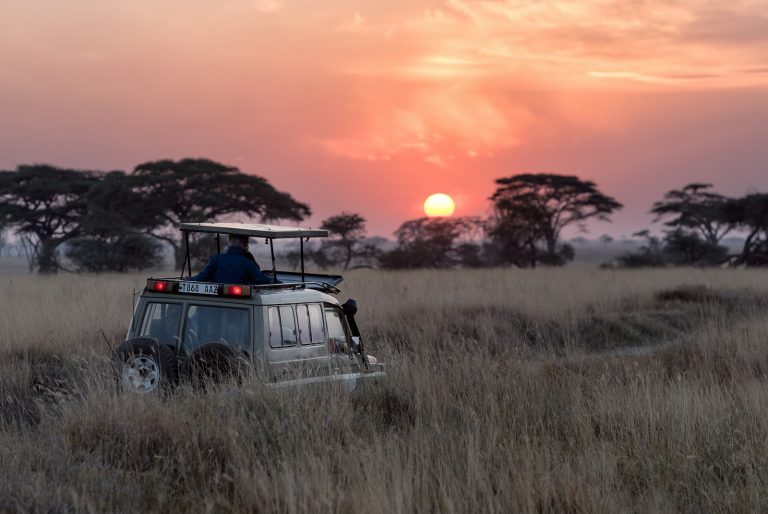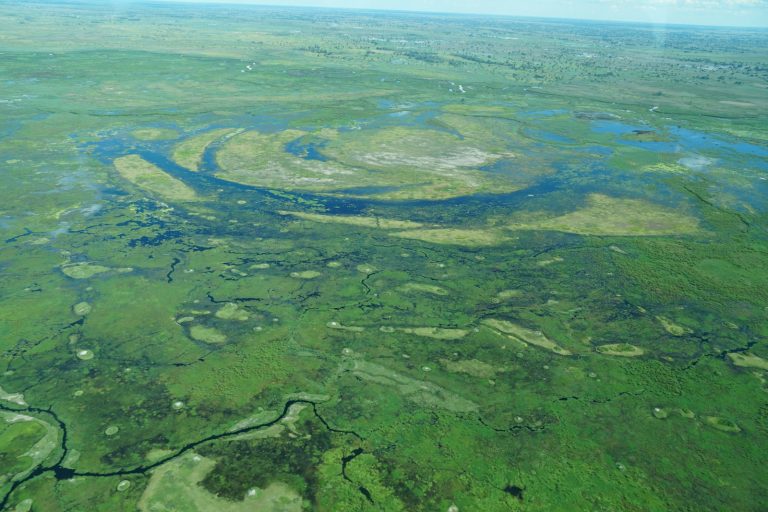

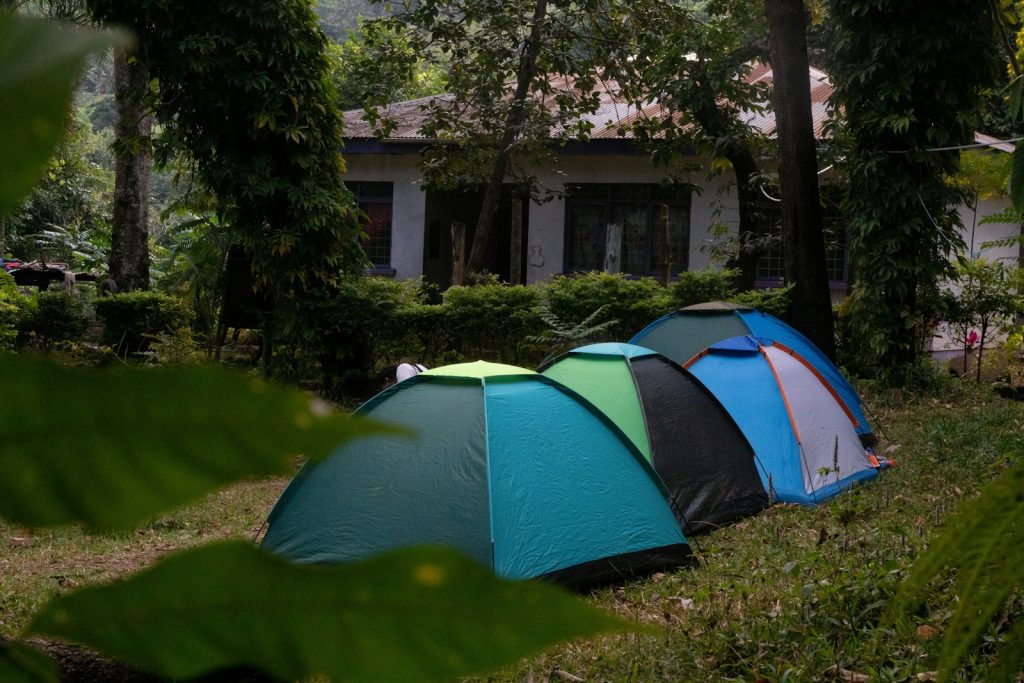
Your Masai Mara camp location matters as much as the camp itself. Stay inside the reserve for the shortest drives to the action, outside a gate for the lowest price, or in a private conservancy for space, walks and night drives. For most first-timers, a camp inside the reserve or a conservancy gives the best safari.
Sense of Adventure is a licensed, Nairobi-based safari operator (TRA licence TRA1/47/C01/77087), and choosing the right camp location is one of the first things we discuss with every Mara guest. This Masai Mara camp location guide compares staying inside the reserve, outside the gates, in the Mara Triangle and in the conservancies, and explains how each choice changes your game drives, park fees, activities and budget.
✅ Masai Mara Camp Location: The Quick Answer
- Inside the reserve: shortest drives to wildlife and river crossings, but higher prices and no night drives or walks.
- Outside a gate: cheaper camps and flexible budgets, but you lose time driving in and out every day.
- Private conservancy: fewer vehicles, off-road sightings, walks and night drives; usually mid-range to luxury.
- Mara Triangle: the calmer western part of the reserve, close to the Mara River.
- Best mix: split your nights between a conservancy and a camp in or near the reserve, especially from July to October.
🌎 Not Sure Where to Stay in the Mara?
Tell us your dates, budget and what you most want to see, and we will suggest the right Masai Mara camp location for you. 💬 WhatsApp Us Now or call +254 799 160 081
Why Your Masai Mara Camp Location Matters
Your Masai Mara camp location decides how much of each day you spend watching wildlife rather than driving to it. It also changes your park fees, the activities you can do and how many other vehicles you meet.
The Masai Mara National Reserve covers about 1,510 square kilometres. Around it lie private conservancies, Maasai community land and small towns near the gates, such as Talek and Sekenani. Hundreds of camps sit across this area. Some are inside the reserve, many are just outside its boundary, and others are deep in conservancies an hour or more from the nearest gate.
Two camps with similar tents and food can deliver very different safaris. A camp near the Mara River in August puts you minutes from the crossings; a camp outside a far gate may mean two hours or more each way. That is why we always check the Masai Mara camp location on a map before we look at the brochure. For a region-by-region overview, see our guide to where to stay in the Masai Mara by region.
The Four Main Options at a Glance
Every Masai Mara camp location falls into one of four types. This table compares them on the points that matter most to travellers.
| Location | Drive time to game | Activities | Vehicles at sightings | Typical price |
|---|---|---|---|---|
| Inside the reserve (Narok side) | Immediate | Game drives, balloon flights | Can be busy in peak season | Mid-range to luxury |
| Mara Triangle (western reserve) | Immediate | Game drives, balloon flights | Usually calmer | Mid-range to luxury |
| Outside a gate | A short drive to the gate, then into the reserve | Game drives; some offer village visits and walks outside the reserve | Same as the reserve once inside | Budget to mid-range |
| Private conservancy | Immediate within the conservancy; longer to the reserve | Drives, off-road sightings, night drives, walks | Strictly limited | Mostly mid-range to luxury |
Whichever Masai Mara camp location you prefer, the rules behind these differences are set out in our Masai Mara reserve vs conservancies guide, and our Masai Mara gates guide explains which gate serves which area.
Staying Inside the Masai Mara Reserve
Staying inside the reserve is the best Masai Mara camp location for short trips and migration season, because you are in the game area from the moment you leave your tent.
Advantages
- No gate queues: you can be watching lions within minutes of your morning coffee.
- More time in the game area: early morning and late afternoon, the best light, are spent with wildlife rather than on the road.
- Night-time sounds: lions calling and hyenas whooping close to camp are part of the experience.
- River access: some camps sit within easy reach of the main crossing points.
Disadvantages
- Price: camps inside the reserve are usually mid-range to luxury, and you pay reserve fees for every day you stay.
- Rules: no off-road driving, no night drives and no walking safaris inside the reserve.
- Peak-season traffic: you share famous sightings with other reserve visitors.
Expert tip from our Nairobi team: “inside the Mara” in a brochure does not always mean inside the reserve boundary. Ask whether the camp is within the reserve, on its edge or in a conservancy, and how long the drive is to the area you most want to visit.
Staying Outside the Gates
A Masai Mara camp location just outside a gate is the most affordable option, and it works well for budget travellers and short road safaris, as long as you accept some daily driving.
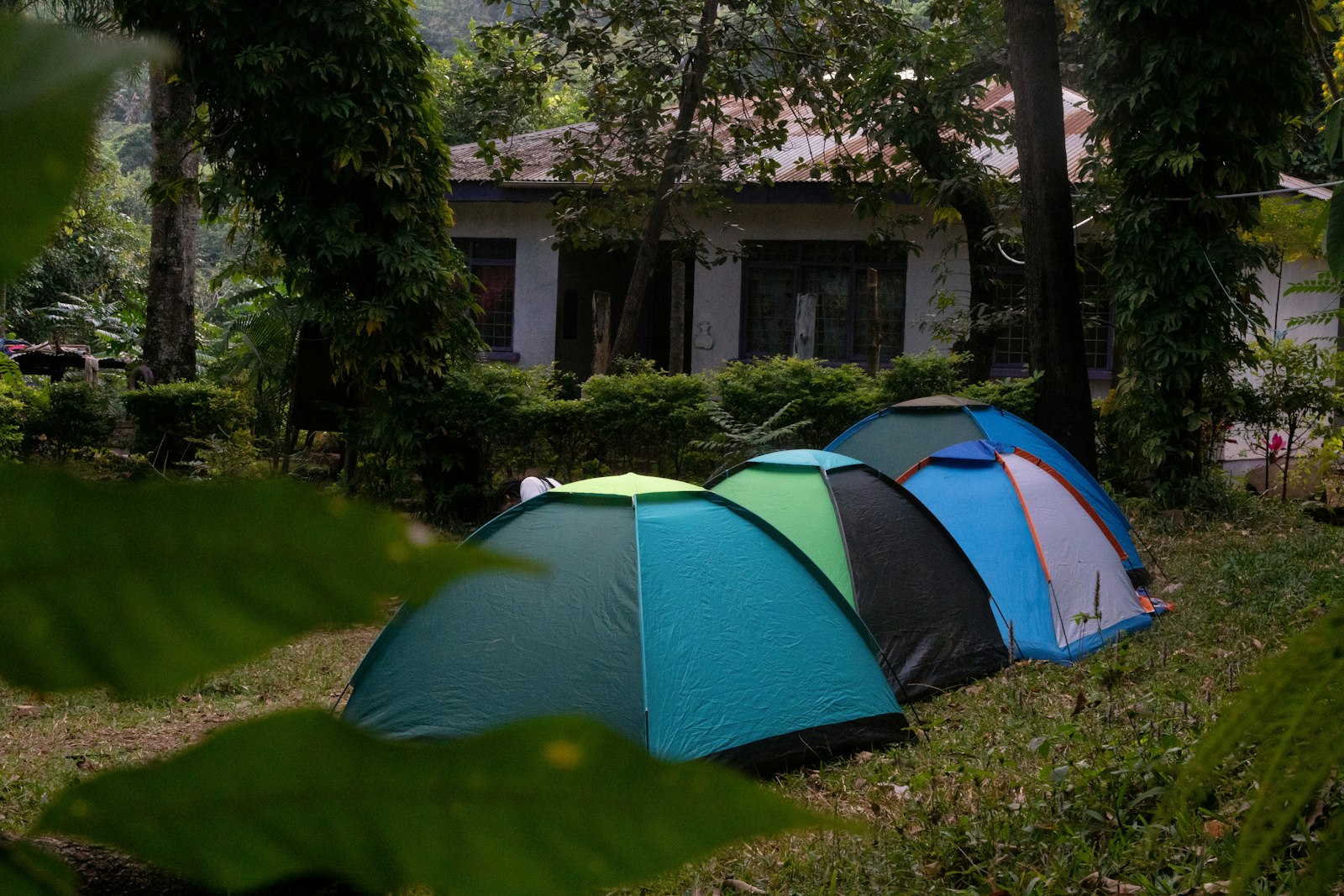
Many budget and mid-range camps cluster near Sekenani, Talek and other gates, so this is the most common Masai Mara camp location for road safaris. From these camps you drive to the gate, show your permits and enter the reserve, often in the same direction as other vehicles. Some camps are minutes from a gate; others are 30 minutes or more along rough tracks. Once inside, your game viewing is exactly the same as for guests staying in the reserve.
- Pros: lower camp rates, more choice of simple tented camps and, in many cases, park fees only for the days you actually enter the reserve.
- Cons: daily gate time, busier roads near small towns, and less chance of hearing lions at night.
- Best for: travellers on a budget, three-day road safaris and anyone happy to take a packed lunch and stay inside all day.
Our best budget safari camps in Kenya guide explains what to look for in a good-value camp, and tented camp vs lodge compares the main accommodation styles.
Private Conservancies: Outside the Reserve, Not Second Best
A conservancy is technically outside the reserve, but it is often the finest Masai Mara camp location of all, because the wildlife is excellent and the number of guests is limited.
Conservancies such as Mara North, Naboisho, Olare Motorogi, Ol Kinyei and Lemek are land leased from Maasai landowners and managed for wildlife and tourism. Only guests of member camps can drive there. Most allow off-road driving to sightings under strict rules, guided walks and night drives, which are not permitted in the reserve. Many limit the number of vehicles at each sighting.
The main downsides of a conservancy as your Masai Mara camp location are price and distance from the river crossings. Some conservancy camps take day trips into the reserve during migration season; ask how long the drive is and whether reserve fees are included. Our comparison of Mara North vs Naboisho vs Olare Motorogi helps you choose between them.
The Mara Triangle: Western Side of the Reserve
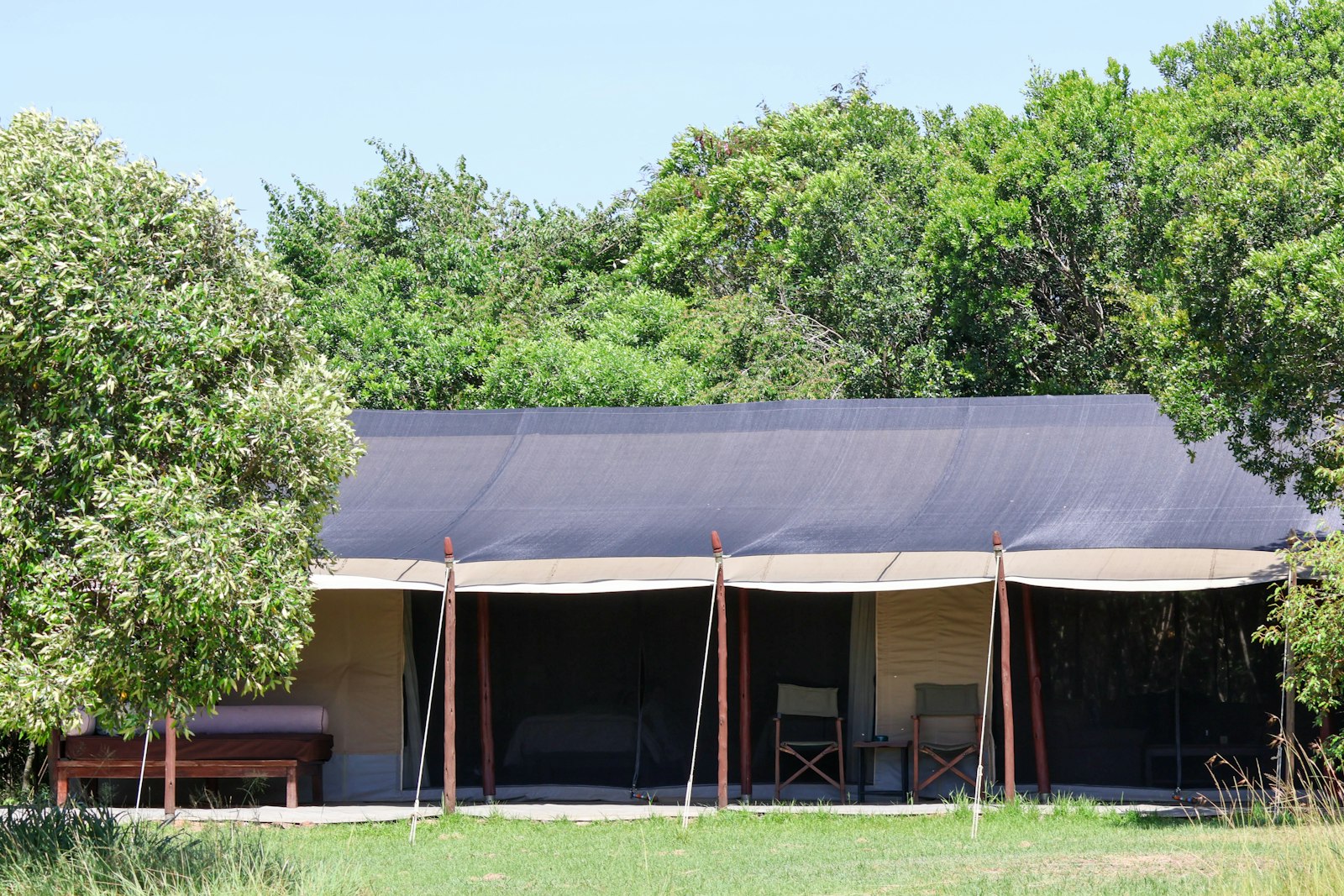
The Mara Triangle is the part of the reserve west of the Mara River, managed separately by a not-for-profit company. It has fewer camps than the eastern side and well-maintained roads, which makes it a calm and rewarding place to stay.
As a Masai Mara camp location, its biggest advantage is easy access to the western bank of the Mara River during migration season. The trade-off is that crossing to the eastern side of the reserve is limited, so you mostly explore the Triangle itself. Most guests fly in to nearby airstrips or drive via the western side, which is a longer road journey from Nairobi. If you are worried about busy sightings, our guide is the Masai Mara crowded? explains how the Triangle compares.
How Park Fees Change With Your Masai Mara Camp Location
Park fees depend on whether you are inside the reserve, in the Triangle or in a conservancy, so your Masai Mara camp location directly affects your budget.
- Inside the reserve: you pay reserve fees for each day of your stay. In 2026, non-resident adults pay USD 100 per day from January to June and USD 200 from July to December.
- Outside a gate: you normally pay reserve fees only for the days you enter, which can save money on arrival and departure days.
- Mara Triangle: charges its own entry fees, collected separately and paid by card or mobile money; check current rates when you book.
- Conservancies: charge a nightly conservancy fee per guest, usually built into the camp’s rate. If you visit the reserve, reserve fees are added for that day.
For full price examples, see our Masai Mara safari cost breakdown and our guide to the cheapest time for a Kenya safari. Fees change from time to time, so always check what your quote includes; the Kenya Wildlife Service lists fees for the national parks you may combine with the Mara.
📅 Get a Free, No-Obligation Safari Quote
Send us your dates and budget and we will compare two or three options for your Masai Mara camp location, with fees included. ✉ Send Us Your Dates on WhatsApp
Choosing a Masai Mara Camp Location by Season
The best Masai Mara camp location changes through the year, because the wildebeest move and the rains affect the roads.
- July to October (migration season): stay within reasonable reach of the Mara River, in the reserve, the Triangle or a conservancy close to the river. Herds move, so ask your operator where they have been in recent weeks.
- November to June: the resident wildlife is excellent across the ecosystem, so conservancies and good-value camps outside the gates are strong choices.
- April and May (long rains): choose a camp on firmer ground with reliable access, because black-cotton soil can make some tracks slow or impassable.
Expert tip from our Nairobi team: for a migration trip of four nights or more, use more than one Masai Mara camp location. Two nights near the river for crossings and two in a conservancy for quieter big-cat viewing usually beats four nights in one place.
Which Masai Mara Camp Location Suits You?
The right Masai Mara camp location depends on your budget, time and travel style. Use this table as a starting point.
| You are… | Best location | Why |
|---|---|---|
| On a tight budget | Outside a gate | Lowest camp rates; fees only on days you enter |
| On a two- or three-night trip | Inside the reserve or close to a gate | Maximises time with wildlife |
| Chasing river crossings | Near the Mara River or in the Triangle | Shorter drives to crossing points |
| Keen on walks and night drives | Private conservancy | Activities not allowed in the reserve |
| A family with young children | Conservancy or reserve camp with family tents | Short drives and flexible timings |
| Honeymooners | Conservancy | Privacy, few vehicles, bush dinners |
| A photographer | Conservancy plus reserve | Off-road positioning and migration action |
Masai Mara camp location for travellers with limited mobility
Choose a camp inside the reserve or a conservancy close to an airstrip, so road time is short. Ask about level paths, step-free tents and how far the tents are from the main area. Flying in also avoids the long and bumpy road from Nairobi; our fly-in vs road safari guide compares the two.
8 Questions to Ask Before You Book a Mara Camp
Ask these questions about any camp you are considering. The answers reveal far more about a Masai Mara camp location than photos of the tents.
- Is the camp inside the reserve, in the Triangle, in a conservancy or outside a gate?
- How long is the drive to the nearest gate and to the Mara River?
- Are reserve or conservancy fees included in the price?
- Are game drives shared with other guests or private?
- Which activities are possible: walks, night drives, balloon flights, village visits?
- What is the nearest airstrip, and how long is the transfer?
- Is the camp open in your travel month, especially in April and May?
- Are there family tents or interconnecting rooms, if you need them?
For more questions about the wider trip, see our guide to questions to ask before booking a safari. Before you travel, check the latest advice on the UK government’s Kenya page, and find inspiration on Magical Kenya.
Mara Safaris With the Right Camp Location
Each of these packages can be adjusted to a different Masai Mara camp location to suit your budget and season. Message us for a quote for your dates.
- 3 Day Masai Mara Safari Package: a short trip where camp location makes a big difference.
- Masai Mara and Lake Nakuru Camping Safari: good-value camps near the reserve.
- Celebration Safari: Masai Mara Conservancy: a private conservancy stay.
- Great Migration Safari: Masai Mara: camps chosen for river access in migration season.
Masai Mara Camp Location FAQs
Is it better to stay inside or outside the Masai Mara?
Inside the reserve is better for short trips and migration season, because you reach the wildlife immediately. Outside a gate is cheaper but adds daily driving. A private conservancy, technically outside the reserve, often gives the best overall experience thanks to fewer vehicles, walks and night drives.
Where is the best place to stay in the Masai Mara?
The best Masai Mara camp location depends on your trip. Near the Mara River or in the Mara Triangle suits migration season, conservancies such as Mara North and Naboisho suit quiet, exclusive safaris, and camps near the Sekenani or Talek gates suit tighter budgets.
Do you pay park fees if you stay outside the Masai Mara?
You normally pay reserve fees only on the days you enter the reserve. Conservancy camps charge a nightly conservancy fee, usually included in the camp rate. In 2026 the reserve fee for non-resident adults is USD 100 per day from January to June and USD 200 from July to December.
Can you do night drives in the Masai Mara?
Not inside the Masai Mara National Reserve or the Mara Triangle, where game drives are limited to daylight hours. Night drives and guided walks are offered in most private conservancies around the reserve, which is one reason many travellers choose a conservancy camp for at least part of their stay.
How far are camps outside the gates from the wildlife?
It varies. Some camps are a few minutes from a gate, while others are 30 minutes or more along rough tracks. Once inside, the best areas can be another hour or two away, especially the Mara River crossing points. Always ask for drive times before you book.
Is the Mara Triangle a good place to stay?
Yes. The Mara Triangle, west of the Mara River, has fewer camps, well-maintained roads and excellent wildlife, plus easy access to the western bank of the river in migration season. Most guests fly in to nearby airstrips, as the road from Nairobi to the western side is long.
Are Masai Mara conservancies worth the extra cost?
For many travellers, yes. Conservancies limit guests and vehicles, allow off-road sightings, walks and night drives, and support Maasai landowners through lease payments. If your budget is tight, even one or two conservancy nights combined with a reserve or gate-side camp can transform your safari.
How many nights should I stay in each Mara location?
Three nights in one location is a good minimum for a relaxed safari. On four nights or more, consider splitting your stay, for example two nights in a conservancy and two near the river in migration season, to enjoy both quiet sightings and the crossings.
🏕 Plan Your Safari With Sense of Adventure
Kenya-based experts. Real local knowledge. Transparent pricing. We match your Masai Mara camp location to your dates, budget and wish list, not just to a brochure photo. 💬 WhatsApp Us — Start Planning Today
Call or WhatsApp: +254 799 160 081
Related Safari Guides
- ›Where to Stay in the Masai Mara by Region
- ›Masai Mara Reserve vs Conservancies
- ›Best Camps and Lodges in the Masai Mara
- ›Is the Masai Mara Crowded?
- ›How Much Does a Masai Mara Safari Cost?
Official travel & park resource: Kenya Wildlife Service ↗