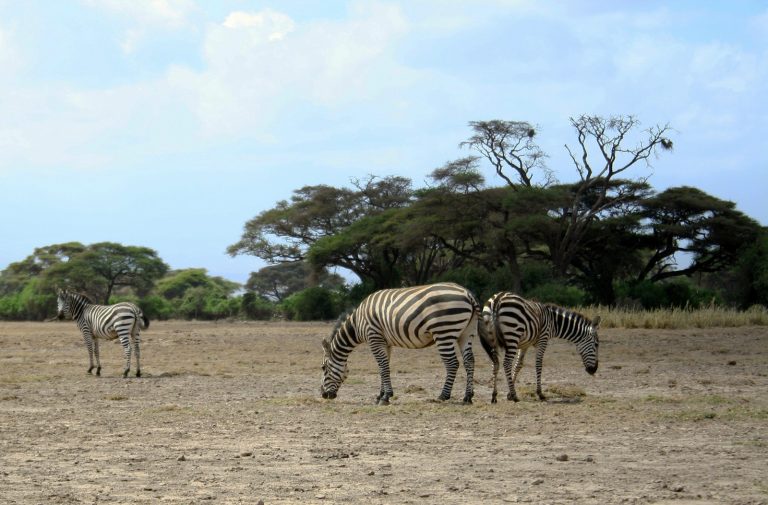
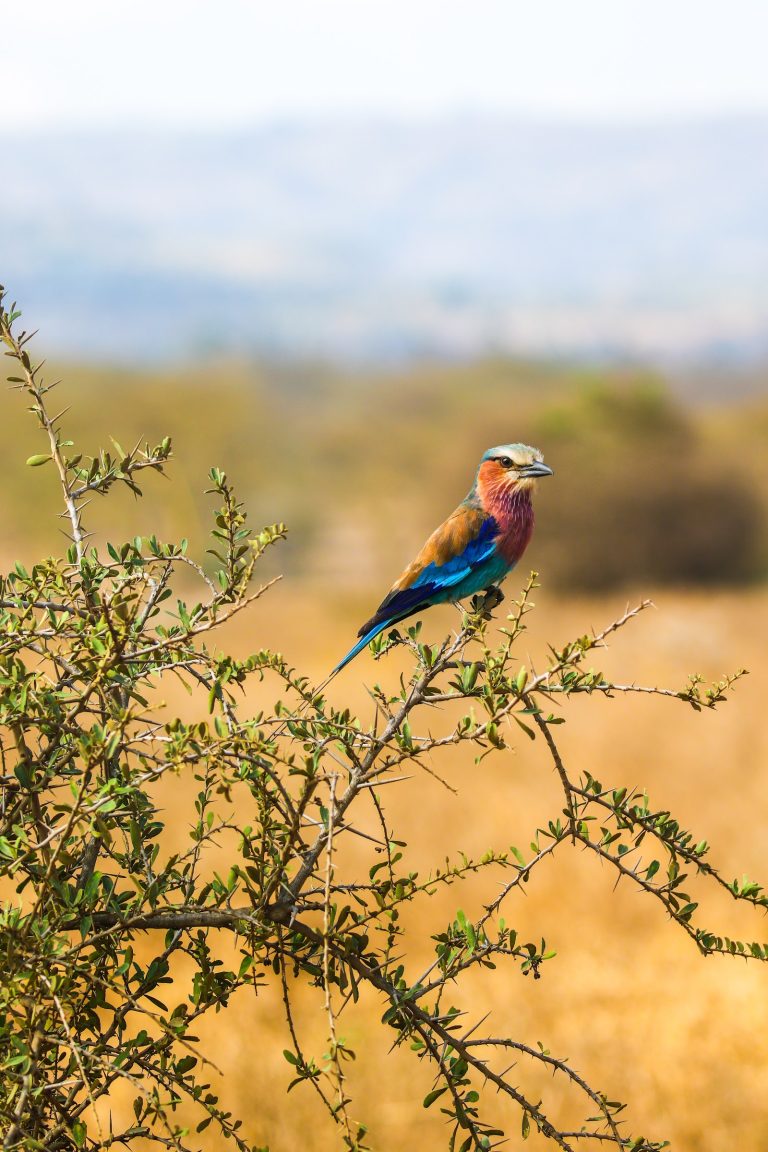
A horseback safari in Kenya puts you in the landscape in a way no vehicle can: no engine noise, a quieter approach to grazing wildlife, and open plains that stretch out from Mount Kenya to the Rift Valley edge. Two regions lead the way, the Laikipia Plateau and the volcanic Chyulu Hills, and both offer riding for a range of experience levels.
Picture a cool morning on the plateau, the snow-streaked peak of Mount Kenya on the horizon, and a line of zebra lifting their heads as your horse walks quietly past. This guide explains where to ride, which riding level each option suits, what a day in the saddle looks like, the best months, costs on our own packages and what to pack, so you can plan a horseback safari in Kenya with confidence.
✅ Horseback Safari in Kenya: Quick Answer
- Where to ride: the Laikipia Plateau north of Mount Kenya, and the Chyulu Hills between Amboseli and Tsavo.
- What you see: zebra, giraffe, antelope and elephants from the saddle; in Laikipia also Grevy’s zebra, and in the Chyulus big tuskers.
- Who it suits: short walking rides suit novices at some lodges; longer rides among wildlife need confidence at trot and canter.
- Weight limit: most riding operators set around 95 kg per rider.
- Best months: the dry seasons, June to October and December to March.
- Our package: a 5-day Laikipia horseback safari from USD 3,900 per adult sharing, with flights from Nairobi.
Not sure your riding is good enough? Tell us your level and we will suggest the right stable.
Where to Ride With Wildlife in Kenya
Two regions lead Kenya’s horseback safari scene. The Laikipia Plateau, stretching from Mount Kenya’s slopes to the edge of the Rift Valley, offers vast private conservancy and ranch land where riders share open plains with zebra, giraffe and elephant, and where rare species such as Grevy’s zebra and wild dogs also live. Lewa Wilderness, Borana and Sosian are among the best-known riding properties.
Between Amboseli and Tsavo, the volcanic Chyulu Hills offer a different kind of ride through rolling green grassland, with Ol Donyo Lodge’s programme known for encounters with some of Africa’s last remaining big tusker elephants. Both regions cater to a range of experience levels, from confident intermediate riders to those in the saddle for the first time.

Horseback Safari in Kenya: Laikipia vs the Chyulu Hills
Choosing between the two regions is the first real decision in planning a horseback safari in Kenya. This table compares them at a glance.
| Factor | Laikipia Plateau | Chyulu Hills |
|---|---|---|
| Landscape | High plateau, acacia plains, river valleys, Mount Kenya views | Rolling volcanic grassland and lava ridges, Kilimanjaro views on clear days |
| Signature wildlife | Zebra, giraffe, elephant, Grevy’s zebra | Elephant, including big tuskers, plus plains game |
| Example riding lodges | Lewa Wilderness, Borana, Sosian | Ol Donyo Lodge |
| Getting there | Short scheduled flight from Nairobi | Flight or road via Amboseli |
| Easy to combine with | Samburu, Ol Pejeta, the Masai Mara | Amboseli, Tsavo West, the coast |
Riding on the Laikipia Plateau
Laikipia is the heartland of the horseback safari in Kenya. Much of the plateau is made up of private ranches and conservancies, so numbers of visitors are low and riding is allowed across wide areas that are closed to ordinary tourist traffic. The air is cool, the ground is mostly firm, and the views north to the dry country and south to Mount Kenya are huge. Our Laikipia Plateau safari guide covers the region in more depth.
Riding in the Chyulu Hills
The Chyulu Hills are young volcanic hills covered in grass and patches of forest. Riding here feels wilder and greener, especially after the rains, and the chance of meeting a large bull elephant is the big draw. The hills sit between Amboseli and Tsavo West, so a ride here fits neatly into a southern Kenya circuit. Read our Chyulu Hills National Park guide for background on the area.
What to Know Before You Book a Horseback Safari in Kenya
Laikipia Plateau — rare species on vast conservancy land
Laikipia’s open plains and river valleys put riders alongside plains game and, on some properties, genuinely rare species such as Grevy’s zebra, across ranchland few vehicle-based safaris reach in the same way.
Chyulu Hills — big tuskers & volcanic landscape between Amboseli and Tsavo
Ol Donyo Lodge’s riding programme is known for its chances of encountering some of Africa’s last remaining big tusker elephants, set against the Chyulu Hills’ distinctive rolling volcanic grassland.
Riding Level Matters — lodges cater to different confidence levels
Sosian Lodge suits less-confident riders, Borana Lodge suits intermediates, and Ol Donyo caters to both beginners and advanced riders. Be honest with your operator about your experience so you are matched correctly.
A Different Kind of Wildlife Encounter — quieter, closer, no engine
Horses don’t spook plains game the way a vehicle engine can, often allowing a closer, quieter approach to grazing herds than a game drive permits.
Not a Big Five Guarantee, Still Real Wildlife — set expectations honestly
Predator encounters on horseback are managed carefully for safety and aren’t the primary draw; the experience is really about plains game, scenery and the sensation of riding through genuinely wild country.
Laikipia Plains or Chyulu Tuskers?
Tell us what matters most, from rare species to big elephants or Kilimanjaro views, and we will suggest the riding region and lodge that fit your trip.
Riding Levels: Which Horseback Safari Suits You?
Riding ability is the single biggest factor in matching you to the right horseback safari in Kenya. Riding among wild animals is not like a hack at home: horses can shy, ground can be uneven, and guides sometimes need the group to move away quickly. Lodges therefore assess every rider before the first proper outing.
First-time and novice riders
Some lodges, such as Sosian and Ol Donyo, offer gentle walking rides for less-confident riders, usually an hour or two close to the lodge on quiet, experienced horses. This is a lovely add-on to a normal safari, but it is not the same as a full riding safari. If you have never ridden, expect walk-only outings with a guide leading the way.
Intermediate riders
If you can rise to the trot and are comfortable at a steady canter, you can enjoy longer morning rides among plains game. Borana is often a good fit at this level. You will usually ride for two to four hours, with stops to watch animals, and switch to game drives or bush walks in the afternoon.
Confident and experienced riders
Our 5-day Laikipia horseback safari is designed for experienced riders who are confident at trot and canter and happy in the saddle for several hours. You stay four nights at one riding lodge or camp, so the guides get to know you and can match routes and pace to your group.
Weight limits and fitness
Most riding operators set a limit of around 95 kg per rider for the welfare of the horses, so tell us your weight when you book. A reasonable level of fitness helps too. If you have not ridden for a while, a few lessons at home before you travel will make the first day far more comfortable.
A Typical Day on a Horseback Safari in Kenya
Days follow the rhythm of the animals. Wildlife is most active in the cool hours, so the main ride starts early and finishes before the heat builds, with a gentler activity in the afternoon. A typical day looks like this:
- Early morning: tea or coffee, then you meet your horse and head out while the air is cool.
- Morning ride: a steady ride across the plains, with stops to watch animals and take photographs.
- Brunch or picnic: a break in the bush, with food brought out for the group.
- Midday rest: time at the lodge to rest, read or swim if the lodge has a pool.
- Afternoon: a game drive, a bush walk or a short ride, depending on the day.
- Evening: sundowner drinks at a viewpoint, then dinner and a campfire.
The pace is set by the riding guide, who watches both the horses and the riders. Expect to walk, trot and canter when the ground allows, and to slow down when animals are close.
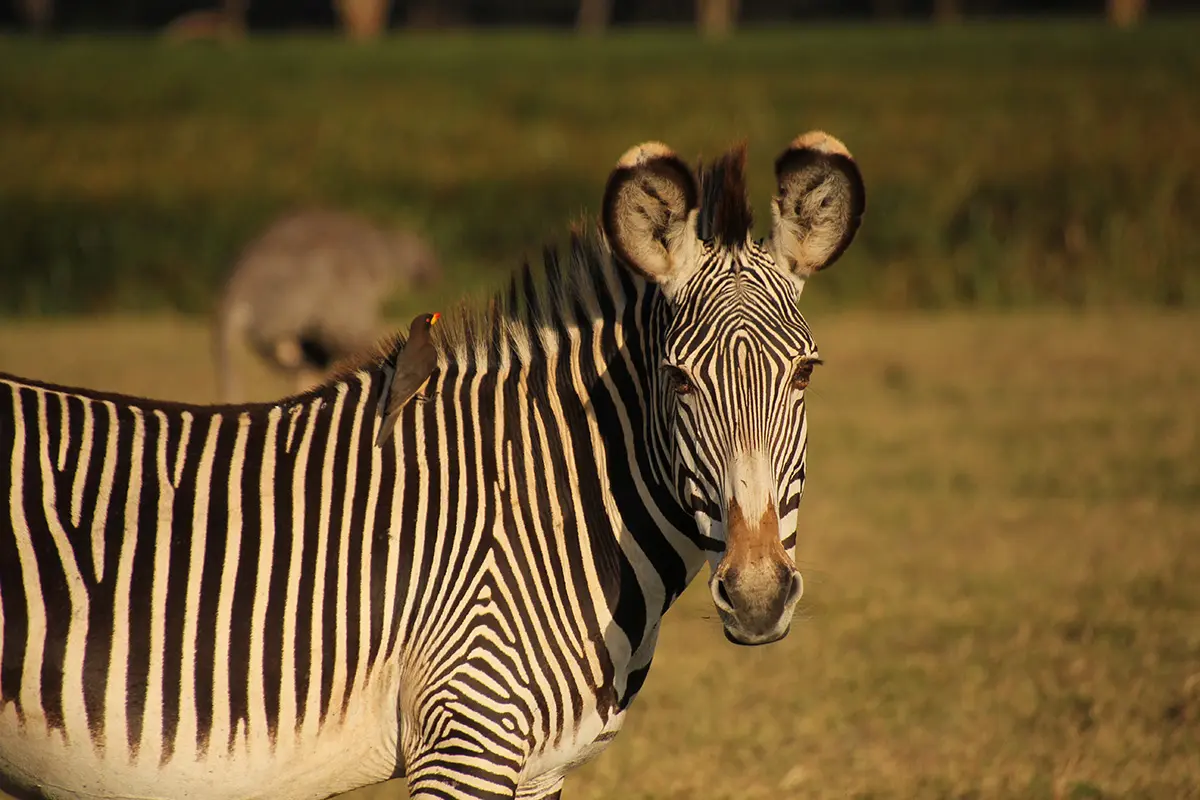
Wildlife You Can See From the Saddle
On a horseback safari in Kenya, animals react differently to a horse than to a vehicle. Plains game often tolerates a rider at a distance that would make it bolt from an engine, so you can watch natural behaviour at close range.
Plains game
Zebra, giraffe, eland, impala, Grant’s gazelle and other antelope are the animals you will spend most time with. On Laikipia ranches many of them are used to horses, so you can ride quietly alongside a herd and watch it graze, play and keep watch. In northern Laikipia, Grevy’s zebra and reticulated giraffe add something special.
Elephants and big tuskers
Elephants live in both riding regions, and your guide decides how close it is safe to go. In the Chyulu Hills, the wider Amboseli and Tsavo ecosystem is home to some of the last big tuskers, bulls with tusks that almost reach the ground. Seeing one from the saddle is rare and never guaranteed, but it is unforgettable.
Predators and safety
Lions, leopards and other predators do live in these areas, but they are far more likely to be seen from a game-drive vehicle than on horseback. Guides avoid predators while riding and always put safety first.
Is a Horseback Safari in Kenya Safe?
With experienced guides, well-schooled horses and clear rules, horseback safaris have a good safety record. Riding guides know the ground and the animals, and they choose routes and distances based on the wildlife and the group’s level. Your part is simple:
- Be honest about your riding level and your weight when you book.
- Listen to the guide and follow instructions straight away, especially near elephants.
- Wear a helmet on every ride; lodges usually supply them, or bring your own.
- Keep in single file unless told otherwise, and keep a safe distance from the horse in front.
- Check your insurance covers horse riding and medical evacuation; our Kenya travel insurance guide explains what to look for.
For official safety information before you travel, read the GOV.UK travel advice for Kenya or your own government’s advice.
Best Time for a Horseback Safari in Kenya
The dry seasons give the best riding conditions, with firm ground, clear skies and wildlife gathered near water. Some riding camps close during the long rains.
| Months | Season | Riding conditions |
|---|---|---|
| December to March | Short dry season | Warm and dry, firm ground, clear skies |
| April to May | Long rains | Some riding camps close; ground can be soft |
| June to October | Long dry season | Excellent riding and good game viewing; cool mornings |
| November | Short rains | Mostly afternoon showers; check camp availability |
The best riding lodges have only a few horses and rooms, so they book early for July, August and the Christmas holidays. If your dates are fixed, start planning six months or more ahead.
How Much Does a Horseback Safari in Kenya Cost?
A horseback safari in Kenya is a specialist product, because each lodge keeps its own horses, tack, farriers and riding guides. Our 5-day Laikipia horseback safari starts from USD 3,900 per adult sharing. That includes return flights from Nairobi, four nights full board at a riding lodge or camp, horses, tack and riding guides, game drives and guided walks, conservancy fees and airstrip transfers.
Not included are international flights, the Kenya eTA (about USD 30 per person, applied for on the official eTA Kenya website), travel insurance, tips, drinks and personal expenses. The final price depends on the season, the lodge and your group size, and non-riding partners are priced differently. For a wider picture, see our guide to what an African safari costs.
Riding Lodges Have Few Horses, So Plan Ahead
The best riding camps book early in the dry season. Send your dates, the number of riders and non-riders, and each rider’s weight, and we will reply with a written, itemised quote.
What to Pack for a Horseback Safari in Kenya
Packing for a riding safari is a little different from a normal game-drive trip. Small aircraft have luggage limits, usually around 15 kg in a soft bag, so plan carefully; our safari luggage weight limits guide has the detail.
- Helmet: your own riding helmet if you have one that fits well; otherwise check what the lodge supplies.
- Boots or half chaps: short riding boots with a small heel, or boots with half chaps.
- Riding trousers: comfortable breeches or jodhpurs in neutral colours such as khaki, olive or brown.
- Layers: a warm fleece for early mornings on the plateau, and a light rain jacket.
- Gloves, sunglasses and sunscreen: the equatorial sun is strong even when it feels cool.
- A small camera or phone: in a secure pocket, since you need both hands for the reins.
- Insect repellent and medication: including any malaria prevention your doctor recommends.
Photography from the saddle
Save big zoom lenses for game drives and walks. On horseback, a compact camera or a phone works best, and your guide can stop at viewpoints so you can take your time. Early mornings and late afternoons give the softest light.
Getting There and Planning Your Route
Almost every horseback safari in Kenya begins in Nairobi. For Laikipia, a scheduled flight from Wilson Airport takes you to an airstrip close to your lodge, and the lodge collects you. For the Chyulu Hills, you can fly in or drive via Amboseli, which makes it easy to add a classic game-drive stay.
Most visitors need a Kenya eTA before arrival, so apply online ahead of your trip. Allow a night in Nairobi on arrival if your international flight lands late, as light aircraft fly in daylight. Our Kenya safari from Nairobi page shows how a riding stay fits into a wider trip.
Travelling With Non-Riders or Children
A horseback safari in Kenya does not have to be all-or-nothing. Non-riding partners can join game drives, bush walks and, on some properties, camel rides while the riders are out, and meet up again for brunch or sundowners. Prices differ for non-riders.
Children who already ride confidently are welcome at some lodges, usually from around their early teens for wildlife rides, though age and ability rules vary. Younger children may be offered short pony rides near the lodge. Tell us ages and riding experience and we will check each lodge’s policy for you.
Horseback Safari in Kenya at a Glance
- Best regions: Laikipia Plateau (plains game, Grevy’s zebra, Mount Kenya views) and the Chyulu Hills (big tusker elephants, volcanic grassland).
- Lewa Wilderness: one of Laikipia’s best-known riding properties, with its own stable of horses for guests.
- Ol Donyo Lodge: Chyulu Hills programme known for encounters with Africa’s last big tusker elephants, suitable for beginners and advanced riders alike.
- Rider levels: lodges vary in suitability; some (like Sosian) are better for less-confident riders, others (like Borana) for intermediates.
- Why ride instead of drive: horses can approach grazing wildlife more quietly than a vehicle, offering a different, closer perspective.
Ride It or Combine It With a Classic Safari
A horseback safari pairs naturally with a broader itinerary. Our luxury safari packages can include time in Laikipia, and our Masai Mara migration trips make a strong classic-safari complement if riding is just one part of your Kenya trip.
A popular pattern is three or four nights riding in Laikipia, followed by three nights in the Masai Mara for big cats from a vehicle. You could also pair the Chyulu Hills with Amboseli for elephants under Kilimanjaro. Browse our Masai Mara safari packages, a tailor-made private Kenya safari or our luxury Kenya safari collection, and compare riding with walking in our walking safari guide.
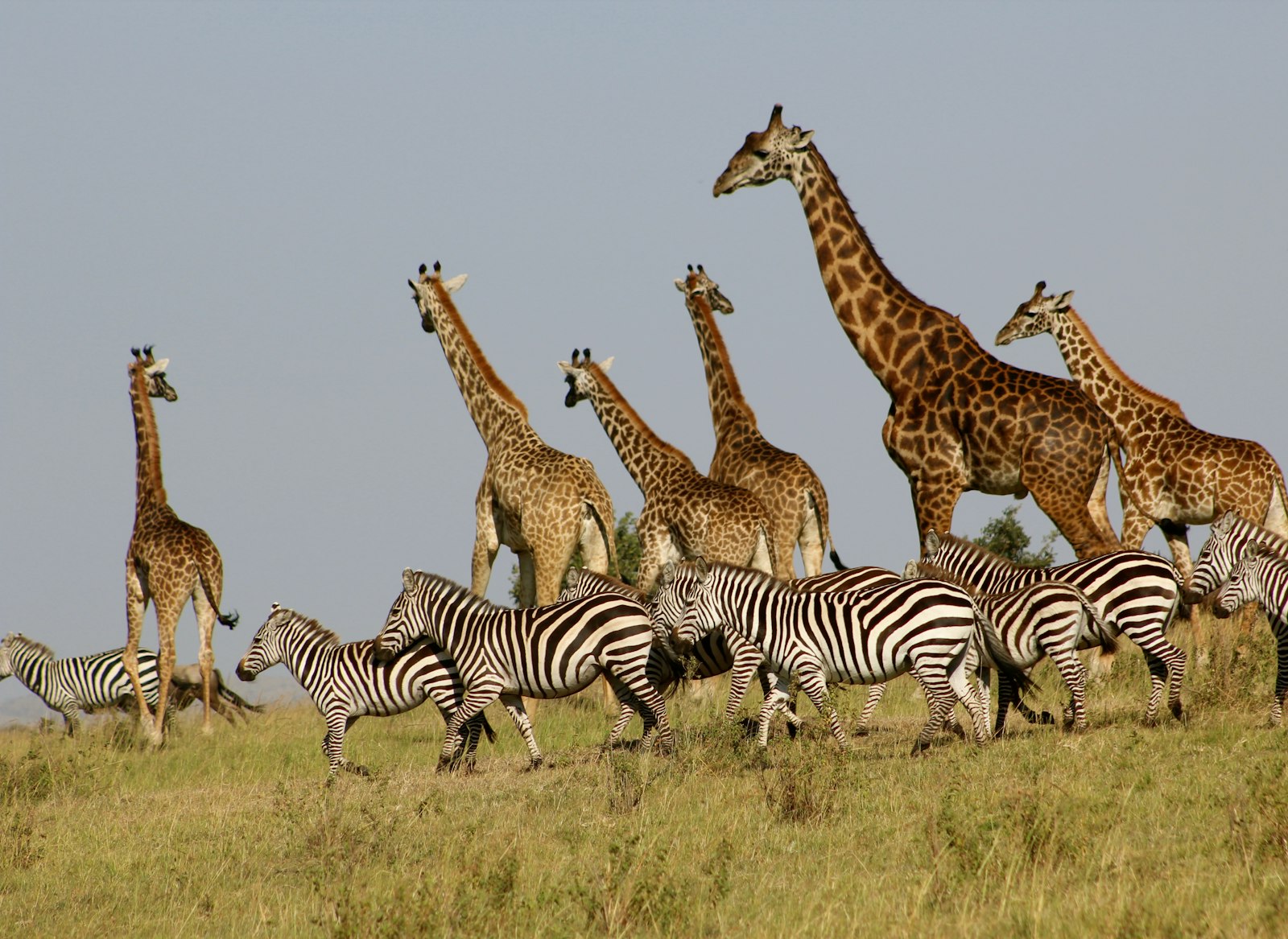
Saddle Up for Kenya’s Quietest Wildlife Encounters
Tell our Nairobi team your riding level, your dates and whether any non-riders are coming. We will match you to the right lodge and build the rest of your safari around it.
Frequently Asked Questions
Do I need to be an experienced rider for a horseback safari in Kenya?
Not always. Some lodges, such as Sosian and Ol Donyo, offer gentle walking rides for less-confident riders. Longer rides among wildlife, including our 5-day Laikipia trip, need you to be confident at trot and canter and comfortable for several hours. Lodges assess every rider on the first day.
Where in Kenya can you ride with wildlife?
The Laikipia Plateau, north of Mount Kenya, and the Chyulu Hills, between Amboseli and Tsavo, are Kenya’s two leading horseback safari regions. Laikipia offers private ranches with plains game and Grevy’s zebra, while the Chyulus are known for big tusker elephants and green volcanic grassland.
Will I see the Big Five on a horseback safari?
Not from the saddle. Predator encounters are avoided for safety, so rides focus on plains game such as zebra, giraffe and antelope, and on elephants viewed at a safe distance. Most riding lodges also run game drives, which give you a good chance of seeing lions and other predators.
Is there a weight limit for riders?
Yes. Most riding operators set a limit of around 95 kg per rider, for the welfare of the horses. Tell us each rider’s weight and height when you book, so the lodge can match you with a suitable horse and saddle. Non-riders can still join game drives and walks.
When is the best time for a horseback safari in Kenya?
The dry seasons, from June to October and from December to March, give the best riding, with firm ground and good game viewing. Some riding camps close during the long rains in April and May. July, August and the Christmas holidays book up early, so plan well ahead.
How much does a horseback safari in Kenya cost?
Our 5-day Laikipia horseback safari starts from USD 3,900 per adult sharing, including return flights from Nairobi, four nights full board, horses, riding guides, game drives and conservancy fees. International flights, the eTA, insurance and tips are extra. The final price depends on season, lodge and group size.
Which lodge is known for big tusker elephant encounters on horseback?
Ol Donyo Lodge in the Chyulu Hills is particularly known for its chances of encountering some of Africa’s last remaining big tusker elephants. These bulls range across the wider Amboseli and Tsavo ecosystem, so sightings are never guaranteed, but riding guides know their favoured areas well.