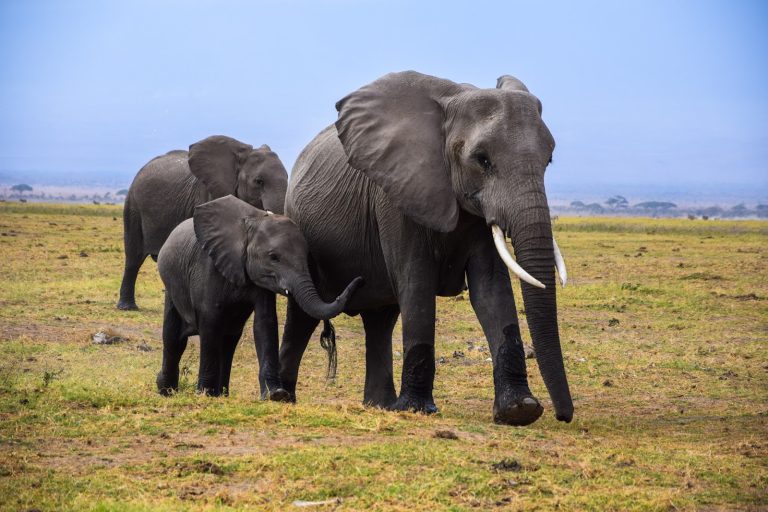
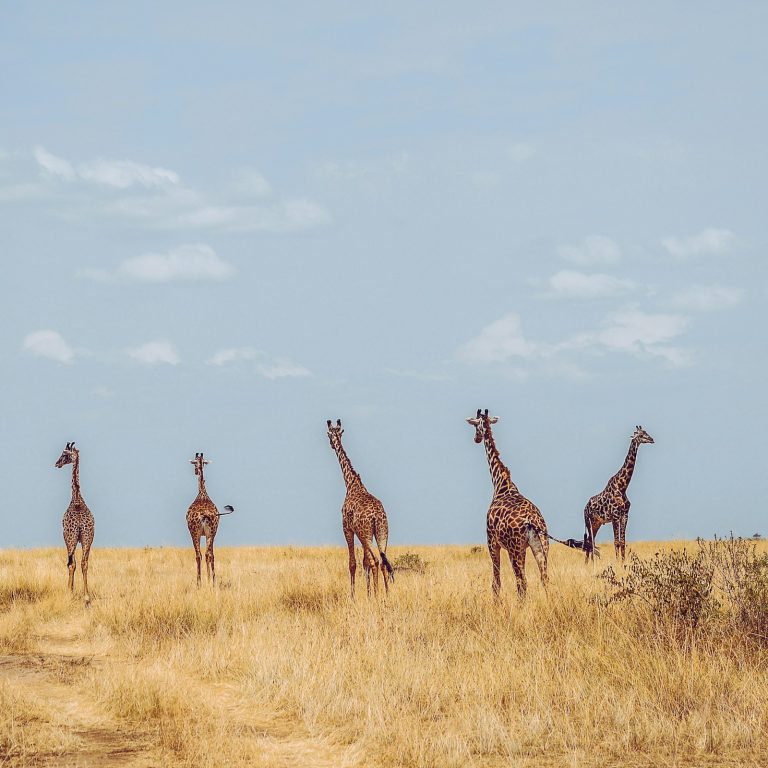
Ol Pejeta vs Lewa is a choice between two of Kenya’s finest rhino conservancies. Ol Pejeta, near Nanyuki, holds East Africa’s largest black rhino sanctuary, the last northern white rhinos and a chimpanzee sanctuary. Lewa, north of Mount Kenya, is quieter and more exclusive, with UNESCO status and Grevy’s zebra. Both reward you with rhinos and the Big Five.
Sense of Adventure is a TRA-licensed private safari company based at Mountain Mall on Thika Road, Nairobi. We plan tailor-made trips to both conservancies throughout the year, often in the same itinerary. This guide compares wildlife, activities, lodges, access, seasons and costs, so you can decide which one suits you, or how to enjoy both on one private Laikipia safari.
Ol Pejeta vs Lewa? Let Our Nairobi Team Help You Choose
Tell us your dates, budget and interests, and we will recommend Ol Pejeta, Lewa, or a private Laikipia safari that includes both.
Ol Pejeta vs Lewa at a Glance
Ol Pejeta is the more accessible, more varied conservancy, while Lewa is the more exclusive, lower-density experience. Both are private, not-for-profit conservancies, so you enjoy freedoms that Kenya’s national parks do not allow. The table sets out the differences that matter most when you plan.
| Ol Pejeta vs Lewa | Ol Pejeta Conservancy | Lewa Wildlife Conservancy |
|---|---|---|
| Location | Laikipia County, on the equator, just west of Nanyuki | Meru County, north of Mount Kenya and south of Isiolo |
| Size | About 90,000 acres | 93,000 acres of rhino range with neighbouring Borana |
| Rhinos | East Africa’s largest black rhino sanctuary, southern white rhinos and the last northern white rhinos | More than 280 black and white rhinos across Lewa-Borana |
| Signature extras | Sweetwaters Chimpanzee Sanctuary, lion tracking, rhino conservation visits | Grevy’s zebra, UNESCO World Heritage status, walks and riding from lodges |
| Night drives | Yes, booked through the conservancy (shared) or your camp | Yes, arranged by your lodge |
| Day visits | Yes, with a daily entry fee | Built around overnight stays at Lewa lodges |
| Accommodation | Wide range, from comfortable tented camps to exclusive houses | A small number of high-end lodges and private houses |
| Ol Pejeta vs Lewa: best for | First-timers, families, short trips, conservation enthusiasts | Honeymooners, return visitors, walkers, travellers seeking exclusivity |

Two Cattle Ranches: The Ol Pejeta vs Lewa Origin Stories
The Ol Pejeta vs Lewa story starts in the same place: both conservancies began as colonial-era cattle ranches and turned to wildlife as rhinos were poached towards extinction across Kenya. That shared history explains why the land feels similar, yet each took a different path.
Ol Pejeta: from beef ranch to rhino stronghold
Ol Pejeta was run as a beef ranch for decades. Elephants gradually settled on the land and pushed the focus towards wildlife. In 2004 the conservation charity Fauna and Flora International secured the property, and it has run as a not-for-profit conservancy ever since. Today it still keeps cattle alongside wildlife, which is part of its model for showing that livestock and wildlife can share land.
Ol Pejeta’s black rhino sanctuary is now the largest in East Africa. The conservancy reported 183 black rhinos in 2025, more than its earlier carrying-capacity estimate. Working with Kenya Wildlife Service, it has moved rhinos to new sanctuaries such as Loisaba and Segera to ease pressure on space.
Lewa: from rhino sanctuary to World Heritage landscape
Lewa Downs was a cattle ranch from the 1920s. In 1983 a fenced, guarded rhino sanctuary was set up on part of the ranch. It later grew to cover the whole property and the neighbouring Ngare Ndare Forest, and Lewa Wildlife Conservancy was formed in 1995. Lewa also helped establish the Northern Rangelands Trust in 2004, which supports community conservancies across northern Kenya.
Lewa and Ngare Ndare Forest are part of the Mount Kenya National Park/Natural Forest World Heritage Site, linked to the mountain by an elephant corridor. Ol Pejeta is not part of that UNESCO site, a point some older guides get wrong. Lewa has since removed fences with neighbouring Borana, creating a single landscape for its rhinos.
Rhinos and Wildlife: Ol Pejeta vs Lewa Compared
For rhinos, Ol Pejeta vs Lewa is close: you will see both black and white rhinos in either conservancy, but only Ol Pejeta has the northern white rhinos. Beyond rhinos, the wildlife differs in subtle but useful ways, mostly because Lewa is drier and lies on the edge of the northern rangelands.
Black and southern white rhinos: Ol Pejeta vs Lewa
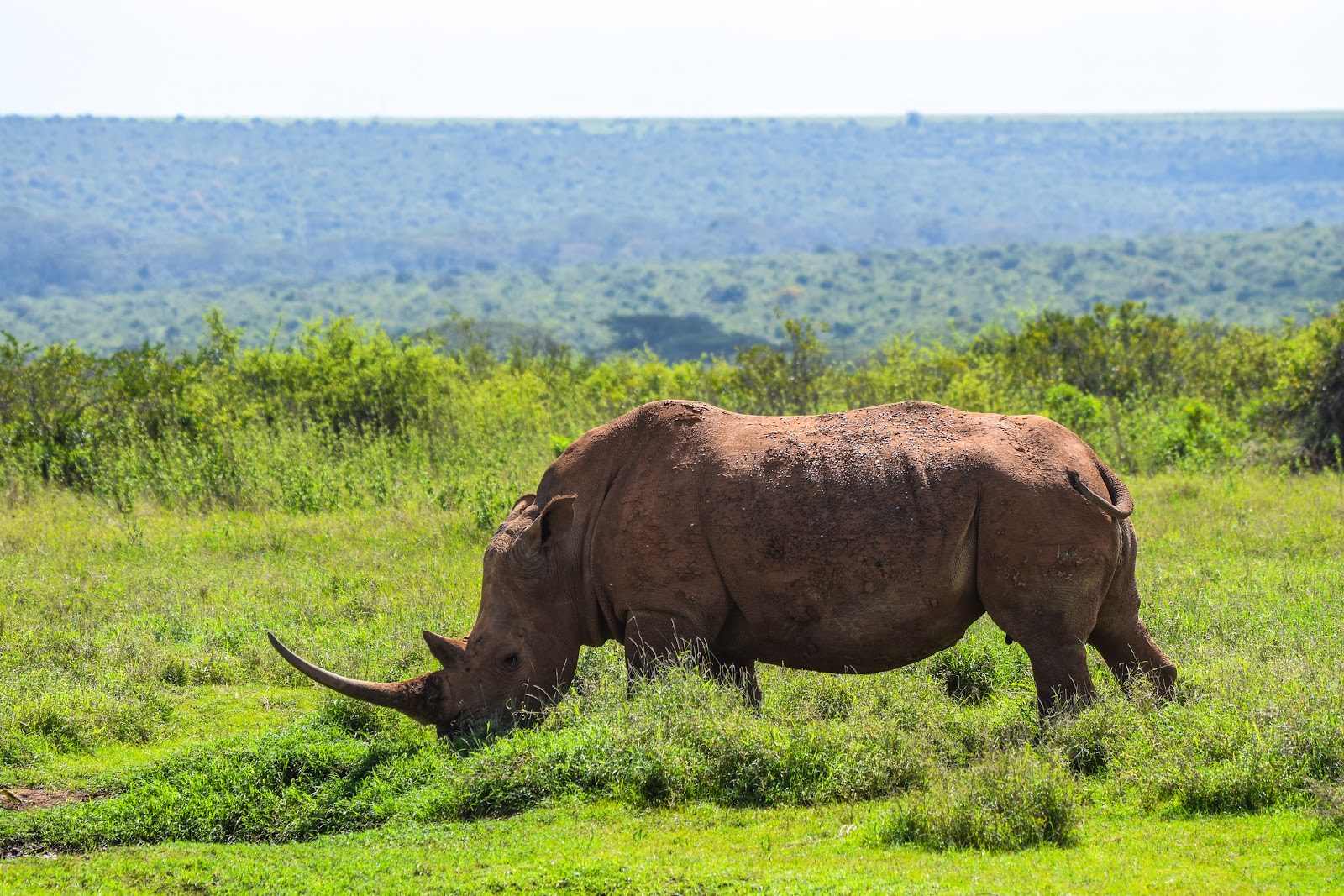
Ol Pejeta’s open plains make white rhinos easy to find, often in small groups. Black rhinos are shyer browsers and favour thicker bush, but the sheer number on Ol Pejeta gives you good chances. On Lewa, the Lewa-Borana landscape holds more than 280 rhinos, about 14% of Kenya’s total. Fewer vehicles mean your sightings often feel more private. If you want to tell the two species apart, read our guide to the black rhino vs white rhino.
The last northern white rhinos
The last northern white rhinos live at Ol Pejeta under round-the-clock protection. The surviving animals are all female, so the subspecies cannot breed naturally. Its future depends on assisted reproduction led by the BioRescue consortium, with Kenya Wildlife Service, Ol Pejeta and international scientific partners. Embryos have been created and transferred into southern white rhino surrogates, and you can follow the latest updates from Ol Pejeta. A visit to their enclosure can be booked as a separate activity.
Grevy’s zebra and northern species
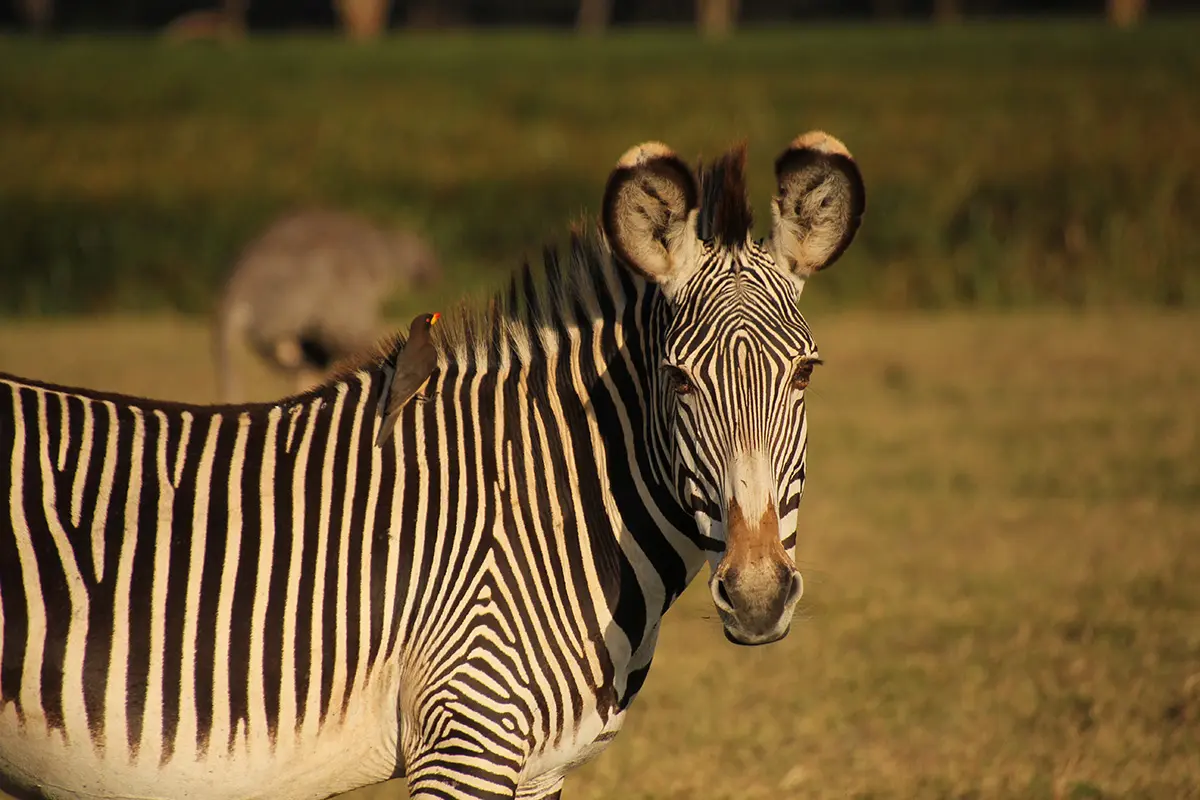
Lewa is one of the most important places on earth for the endangered Grevy’s zebra. Lewa reports 264 counted across its wider landscape, out of a global wild population of around 3,000. Lewa’s drier, more northern habitat also suits reticulated giraffe, a northern giraffe you will not see in the Masai Mara. Ol Pejeta has some Grevy’s zebra too, but if they matter to you, Lewa wins this round of Ol Pejeta vs Lewa.
Ol Pejeta vs Lewa for the Big Five and predators
Both conservancies hold all of the Big Five: lion, leopard, elephant, buffalo and rhino. Ol Pejeta has a well-studied lion population, and you can join researchers on a lion-tracking activity. Buffalo are plentiful on both. Leopards are present on both but, as everywhere, never guaranteed. Cheetah, spotted hyena and, occasionally, African wild dog pass through the wider Laikipia landscape. Sightings of wild dog are rare, so treat one as a bonus.

Safari Activities: Ol Pejeta vs Lewa Compared
On activities, Ol Pejeta vs Lewa is a contrast of styles. Ol Pejeta offers more structured, conservation-led activities, while Lewa offers more freedom on foot, on horseback and away from other vehicles. Both allow night drives, which Kenya’s national parks generally do not.
Night drives on Ol Pejeta vs Lewa
On Ol Pejeta, the conservancy runs shared night drives in two evening slots, and some camps run their own. Book at least a day ahead. On Lewa, night drives are arranged by your lodge. After dark you may find aardvark, bat-eared fox, white-tailed mongoose, genets and hyena. For what to expect, see our guide to night drives on safari.
Walking and riding: Ol Pejeta vs Lewa
Lewa is the stronger choice if you want to leave the vehicle. Its lodges offer guided bush walks, and several offer horse riding or camel walks for suitable guests. On Ol Pejeta, most game viewing is by vehicle, and walking depends on your camp, so check before you book. If time on foot is a priority, consider our Laikipia walking safari.
Conservation experiences
Ol Pejeta is outstanding here. Your entry fee includes the Morani Information Centre and Sweetwaters Chimpanzee Sanctuary, opened in 1993 with Kenya Wildlife Service and the Jane Goodall Institute. It is the only place in Kenya to see chimpanzees, all of them rescued animals. Paid extras include the northern white rhino visit, rhino monitoring, dog tracking and behind-the-scenes sessions. Lewa offers its own behind-the-scenes activities, booked through your lodge on a first-come basis.
Expert tip from our Nairobi team
Book the special activities when you book your rooms, not on arrival. Ol Pejeta’s night drives, lion tracking and northern white rhino visits have limited places, and Lewa’s behind-the-scenes activities fill on a first-come basis. Schedule your night drive for your first evening, so you still have a second chance if rain cancels it. Whichever side of Ol Pejeta vs Lewa you choose, early planning gives you the best slots.
Lodges and Style of Stay
For accommodation, Ol Pejeta vs Lewa comes down to choice versus exclusivity. Ol Pejeta suits a wider range of budgets and styles, while Lewa is almost entirely high-end and intimate. This is often the deciding factor for our guests.
Staying on Ol Pejeta
Ol Pejeta has a broad choice of accommodation, from established tented camps with waterhole views to small, eco-focused camps and exclusive-use houses for families and groups. Because day visitors also enter, the busiest areas can see more vehicles, especially near the chimpanzee sanctuary and the northern white rhino enclosure. Staying overnight lets you drive the quieter corners early and late. Our Ol Pejeta safari guide covers the conservancy in more depth.
Staying on Lewa
Lewa has only a handful of lodges and private houses, so visitor numbers stay low. Most are owner-run or boutique properties with personal guiding and generous inclusions. Expect a higher nightly cost, offset by privacy, flexible activities and a strong sense of place. Read our full Lewa Wildlife Conservancy guide before you choose a lodge. For premium options across Kenya, browse our luxury Kenya safari ideas.
Torn on Ol Pejeta vs Lewa? Combine Both on One Private Safari
We match you with the right camps on each conservancy, book the special activities early and handle every transfer with your private guide.
Getting There: Ol Pejeta vs Lewa Access
On access, Ol Pejeta vs Lewa is an easy call. Ol Pejeta is the easier of the two to reach, just outside Nanyuki, while Lewa sits further north-east and is usually reached by light aircraft.
By road from Nairobi
The drive from Nairobi to Ol Pejeta follows Thika Road and the Nyeri route to Nanyuki, typically around three and a half to four hours, depending on traffic. That makes Ol Pejeta realistic even as a long day out, explained in our Ol Pejeta day trip from Nairobi guide. Lewa’s main gate lies past Timau, near the Meru and Isiolo junction. The conservancy describes it as about four hours from Nairobi. Not every vehicle is allowed inside, so your lodge may meet you at the gate.
By air
Scheduled light-aircraft flights from Wilson Airport in Nairobi serve Nanyuki, the usual airstrip for Ol Pejeta, and Lewa Downs airstrip, which also accepts charters. Flights save time and suit travellers linking Laikipia with Samburu or the Masai Mara. Soft luggage is normally required on these small aircraft, so pack accordingly.
Travelling between the two
The two conservancies are close enough to combine easily. By road, the transfer from Ol Pejeta via Nanyuki and Timau to Lewa usually takes around one and a half to two hours, with Mount Kenya views on a clear morning. With a private guide and vehicle, you can game drive out of one in the morning and arrive at the other in time for lunch.
Best Time to Visit Ol Pejeta vs Lewa
For timing, Ol Pejeta vs Lewa follows the same calendar. The best time to visit both conservancies is during the dry seasons, roughly late June to October and January to February, although both are rewarding all year.
Dry seasons
In the dry months, grass is shorter and animals gather near water, so rhinos and predators are easier to find. Days are warm and evenings are cool at this altitude. Lewa lies between roughly 1,400 and 2,000 metres, so pack warm layers for early drives and night drives. July, August and the Christmas holidays are peak times, and the small number of Lewa lodges can fill early.
Green seasons
The long rains usually fall from about March to May, and shorter rains around November. The landscape turns green, birdlife is excellent and some lodges offer better value. Rain tends to come in afternoon showers rather than all day, but tracks can get muddy and some properties close for a few weeks. Weather patterns vary from year to year, so ask us for current conditions.
How Many Days and How to Combine Them
For Ol Pejeta vs Lewa trip length, plan two nights for either conservancy on its own, or four to five nights to enjoy both properly.
A sample five-day Laikipia rhino safari
- Day 1: Drive or fly from Nairobi to Ol Pejeta. Afternoon game drive and a first night drive.
- Day 2: Full day on Ol Pejeta: rhino plains, Sweetwaters Chimpanzee Sanctuary and the northern white rhino visit, with lion tracking if available.
- Day 3: Morning drive, then transfer to Lewa via Nanyuki and Timau. Afternoon drive in search of Grevy’s zebra.
- Day 4: Lewa at your own pace: a guided walk, horse riding or a long rhino-tracking drive, then a sundowner.
- Day 5: Fly on to Samburu or the Masai Mara, or return to Nairobi.
Adding Samburu, Loisaba or the Masai Mara
Lewa is a natural stepping stone to Samburu, a short drive or flight north, where you will find the same northern species in a semi-arid reserve. Read whether Samburu has the Big Five before you plan. For more Laikipia, add Loisaba Conservancy. To finish with big cats, fly to the Masai Mara, or see our Kenya Highlights Safari, which links Samburu, Ol Pejeta, Lake Nakuru and the Mara.

Ol Pejeta vs Lewa: Which Should You Choose?
Choose Ol Pejeta for variety, value and conservation stories, and Lewa for privacy, walking and a more exclusive feel.
Choose Ol Pejeta if
- You want the best chance of seeing many rhinos in a short stay.
- You want to see the last northern white rhinos and the chimpanzee sanctuary.
- You are travelling with children and want hands-on conservation experiences.
- You have limited time and prefer road access from Nairobi.
- You want a wider choice of accommodation and price points.
Choose Lewa if
- You value privacy and few other vehicles at sightings.
- You want to walk, ride or explore away from the vehicle.
- Grevy’s zebra and other northern species are on your wish list.
- You are on honeymoon or a special-occasion trip.
- You plan to continue north to Samburu.
Ol Pejeta vs Lewa for travel agents: both work well in private itineraries. Ol Pejeta suits shorter, value-focused programmes, while Lewa suits high-end clients who want exclusivity.
Our verdict on Ol Pejeta vs Lewa: on a first Kenya safari with limited time, Ol Pejeta gives you more for each day. On a return trip, or when exclusivity matters, Lewa is hard to beat. With four nights or more, do both. You can also compare Ol Pejeta with other rhino destinations in our guides to Lake Nakuru vs Ol Pejeta and Laikipia vs Masai Mara.
Ol Pejeta vs Lewa Costs and Conservancy Fees
On cost, Ol Pejeta vs Lewa usually favours Ol Pejeta. Lewa usually costs more per night, because its lodges are fewer and more exclusive and its conservancy fee is included in a higher nightly rate.
Ol Pejeta charges a daily entry fee per person, which covers game drives and entry to the Morani centre and the chimpanzee sanctuary. Special activities are extra. The conservancy is cashless and publishes its rates in the Ol Pejeta tariff guide for 2026. On Lewa, a nightly conservancy fee is charged through your lodge, and it funds rhino protection and community programmes. Fees change regularly, so we confirm current rates when we quote.
Neither conservancy is run by Kenya Wildlife Service, so KWS park fees apply only if you add national parks or reserves. Our guide to Kenya national parks entrance fees for 2026 explains those, and our Kenya safari cost guide shows how lodges, flights and guiding add up. Before you travel, check the latest UK government travel advice for Kenya, or your own government’s equivalent.
Ol Pejeta vs Lewa FAQs
Ol Pejeta vs Lewa: which is better for a first safari?
For a first safari with limited time, Ol Pejeta usually offers more. You get easy road access, many rhinos, the last northern white rhinos and a chimpanzee sanctuary. Lewa suits travellers who value privacy, walking and a more exclusive lodge experience. With four nights or more, we recommend combining both.
Can you see northern white rhinos at Lewa?
No. The last northern white rhinos live only at Ol Pejeta Conservancy, under constant protection. You can book a visit to their enclosure as a special activity during your stay. Lewa has black rhinos and southern white rhinos, so you will still enjoy excellent rhino viewing there.
Ol Pejeta vs Lewa: can you visit both on the same trip?
Yes. The road transfer between them usually takes around one and a half to two hours via Nanyuki and Timau. Many private itineraries spend two nights on each, then continue to Samburu or the Masai Mara. Your guide can game drive on the way out of one and reach the other for lunch.
Ol Pejeta vs Lewa: do both have the Big Five?
Yes, both conservancies hold lion, leopard, elephant, buffalo and rhino. Rhinos and buffalo are the most reliable sightings. Lions are regularly seen on both, while leopards are present but never guaranteed. Spending two or more nights and including a night drive improves your chances of seeing all five.
Can you do a day trip to Lewa from Nairobi?
Lewa is designed around overnight stays at its lodges, and activities are arranged through your lodge, so it does not suit a quick day trip. Ol Pejeta is the better day-trip choice, as it accepts day visitors with a daily entry fee and sits about four hours from Nairobi.
Ol Pejeta vs Lewa: how many days do you need?
Allow two nights for either conservancy on its own, which gives you three or four game drives and time for a special activity. To enjoy both properly, plan four to five nights in total. Add more time if you want walking, riding or a relaxed pace between drives.
When is the best time to visit Ol Pejeta and Lewa?
The dry seasons, roughly late June to October and January to February, offer the easiest game viewing. Both conservancies are rewarding all year. The long rains around March to May bring green scenery, fewer visitors and better value, although tracks can be muddy and some lodges close briefly.
Plan Your Ol Pejeta vs Lewa Rhino Safari With Us
Kenya-based experts. Real local knowledge. Transparent pricing.
Sense of Adventure is a TRA-licensed Nairobi safari company. Message us and we will plan your private Laikipia safari, Ol Pejeta, Lewa or both. Email: reservations@senseofadventure.co.ke