Best national parks for buffalo in Kenya: the Masai Mara, Lake Nakuru, the Aberdares, Meru and Tsavo lead our ranking, with Amboseli, Ol Pejeta and Nairobi National Park close behind. Buffalo live in most of Kenya’s big parks, so the real choice is herd size, habitat and how quietly you can watch them.
Sense of Adventure is a TRA-licensed private safari company based in Nairobi. We plan tailor-made Kenya safaris for travellers from the UK, Europe, North America, India and Australia, and for overseas travel agents. This guide ranks the parks where you will see the Cape buffalo best, explains why this Big Five member deserves more of your attention, and shows you how to build it into a well-paced private safari.
Plan a Safari Through Kenya’s Best Buffalo Country
Tell us your dates and interests. We will suggest the right parks, lodges and pace for a private Big Five safari.
Best National Parks for Buffalo in Kenya at a Glance
Eight places stand out for buffalo, each for a different reason, from sheer herd size to forest encounters at close range.
| Best national parks for buffalo in Kenya | Why go for buffalo | Habitat | Best months | Suggested stay |
|---|---|---|---|---|
| 1. Masai Mara | Big herds on open grassland, lion and buffalo interaction | Rolling savanna, river woodland | July to October; good all year | 3 nights |
| 2. Lake Nakuru | Buffalo are among the easiest large mammals to find | Lakeshore grassland, acacia woodland | June to March | 1 night or a day trip |
| 3. Aberdare | Forest buffalo at waterholes, often after dark | Montane forest, moorland | December to March, June to September | 1 to 2 nights |
| 4. Meru | Large herds along the rivers, very few vehicles | Riverine forest, bush, grassland | June to October, January to February | 2 to 3 nights |
| 5. Tsavo East and West | Herds on a huge scale near permanent rivers | Dry bush, lava, riverine strips | June to October, January to February | 2 to 4 nights |
| 6. Amboseli | Buffalo in the swamps beneath Kilimanjaro | Spring-fed swamp, dry lake bed | June to October, January to February | 2 nights |
| 7. Ol Pejeta and Lewa | Buffalo with rhino, plus walking options | Laikipia plains, acacia | June to October, December to March | 2 to 3 nights |
| 8. Nairobi National Park | Buffalo minutes from the city | Grassland, forest edge | All year, best in dry months | Half day |
Why the Buffalo Is the Forgotten Big Five Member
The buffalo is common, so visitors often drive past it, yet it is one of the most rewarding and most respected animals you will meet on safari.
Meet the Cape buffalo
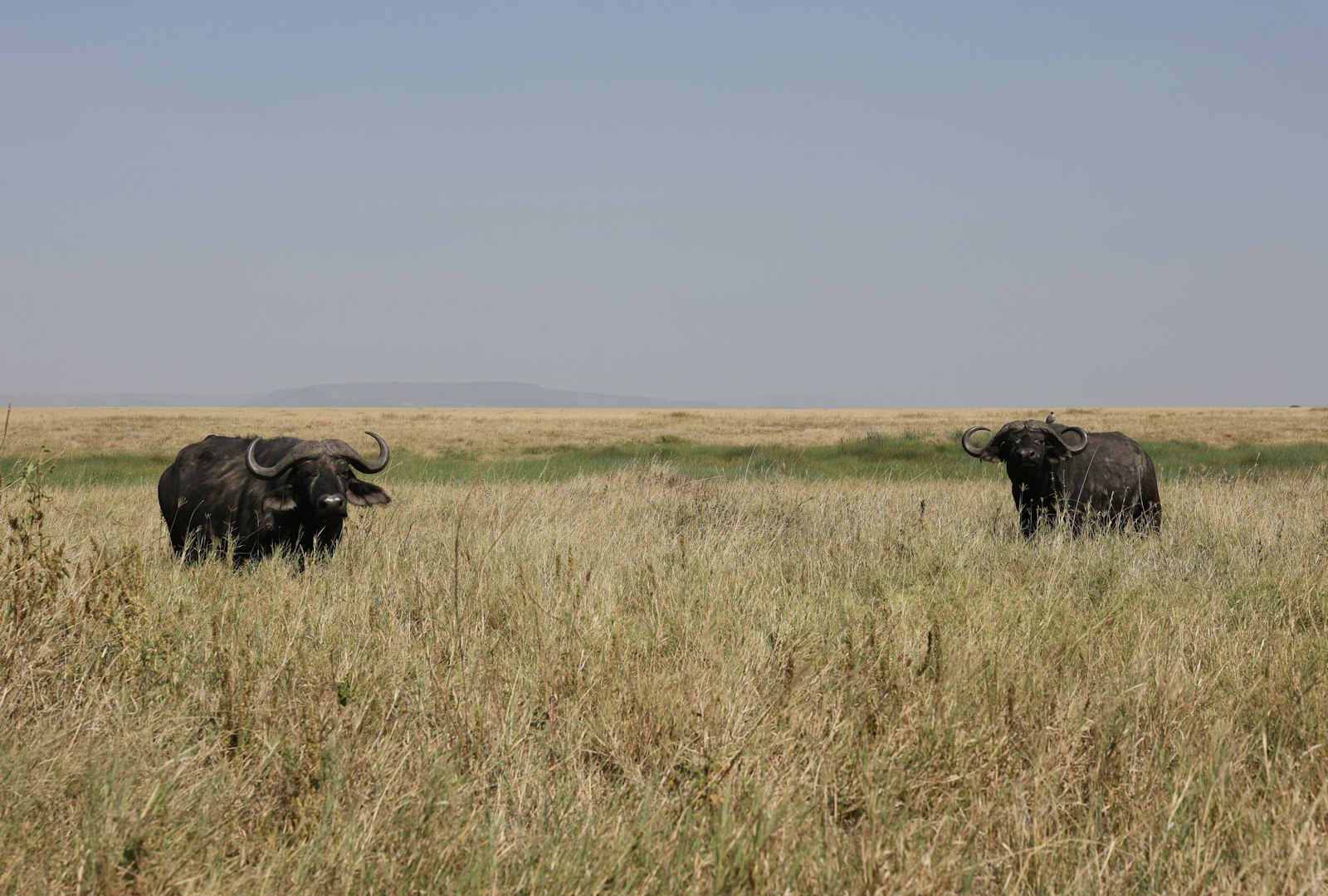
Kenya’s savanna buffalo is the Cape buffalo, the largest form of the African buffalo. A mature bull can weigh well over 600 kg. Both sexes carry horns, but a bull’s horns fuse across the forehead into a heavy shield called the boss. Buffalo need to drink most days, so they rarely stray far from water. That simple fact explains most of this ranking.
Herds, bachelor groups and dagga boys
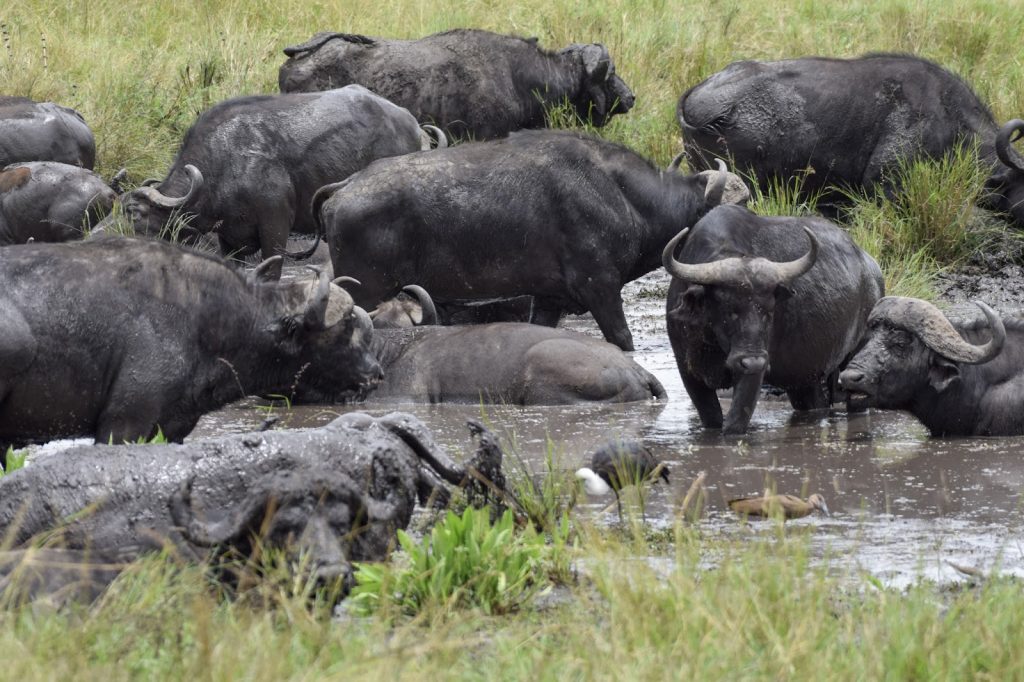
Females, calves and younger bulls move in mixed herds that can number in the hundreds on good grassland. Older bulls often leave and live alone or in small bachelor groups. Guides in southern Africa call them dagga boys, after the mud they love to wallow in. These ageing bulls are the ones your guide watches most closely, because they can be short-tempered when surprised.
Numbers and conservation status
Kenya’s first national wildlife census, released in 2021, counted 41,659 buffalo, as reported by The Star. Across Africa, the IUCN Red List classes the African buffalo as Near Threatened. Most large herds now depend on well-protected parks and conservancies, which is one more reason the places below matter.
The Best National Parks for Buffalo in Kenya, Ranked 1 to 4
Our top four combine reliable buffalo with strong overall wildlife, so they suit a first or a return safari.
1. Masai Mara National Reserve
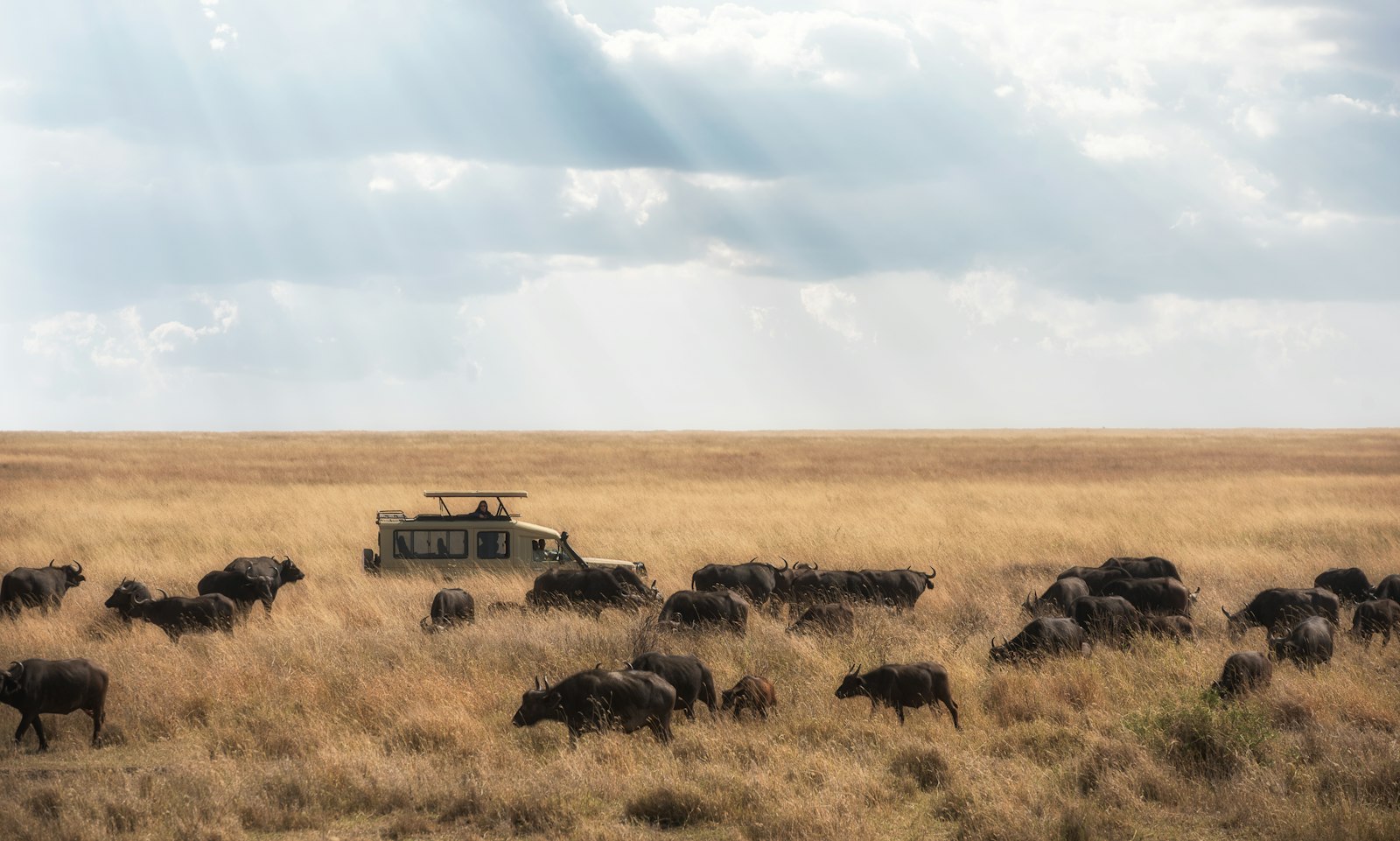
The Mara is strictly a national reserve, not a national park, but it tops our list. Its open grasslands hold large buffalo herds all year, and the reserve’s big lion prides hunt them. Watching lions work a buffalo herd is one of the most dramatic sightings in Africa. The private conservancies on the Mara’s northern edge add quieter viewing, off-road driving rules set by each conservancy, and walking with Maasai guides.
Verdict: the Mara is the first name on any list of the best national parks for buffalo in Kenya, with the bonus of the Great Migration from about July to October. Read our Masai Mara buffalo guide and the full Masai Mara National Reserve guide.
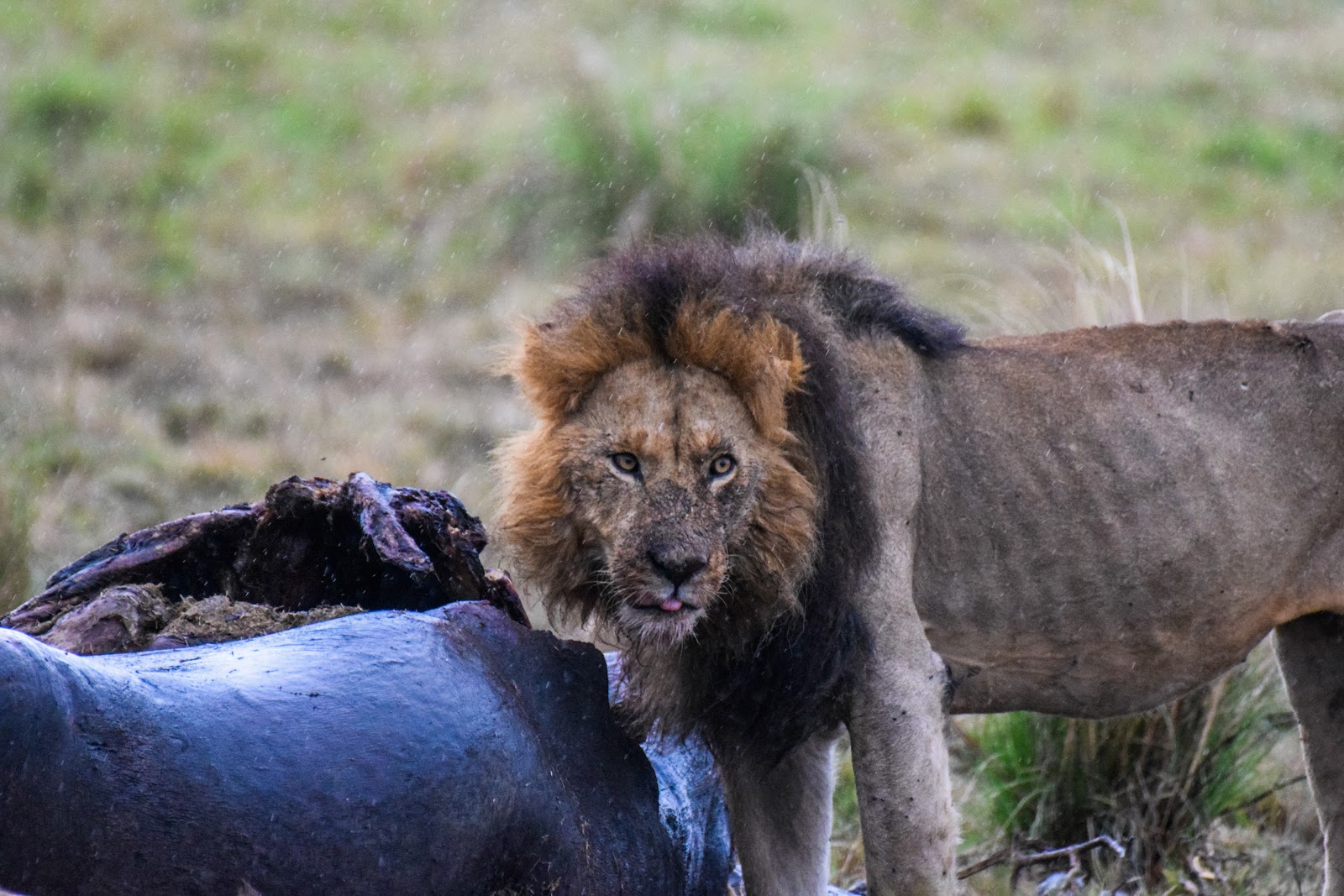
2. Lake Nakuru National Park
Lake Nakuru is a compact, fenced park of 188 km² in the Rift Valley, about 156 km from Nairobi according to Kenya Wildlife Service. Buffalo graze the lakeshore grassland in numbers, and you can often photograph them with flamingos or pelicans behind. The park is also one of Kenya’s leading rhino sanctuaries for both black and white rhino.
Verdict: the easiest short visit among the best national parks for buffalo in Kenya, and an ideal stop between Nairobi and the Mara. See our Lake Nakuru safari page or the Lake Nakuru day safari.

3. Aberdare National Park
The Aberdares are a world apart: misty montane forest, bamboo and open moorland. KWS describes elephants and buffalo emerging from the dense forest, and the park headquarters sits 15 km from Nyeri. The forest-edge tree hotels overlook floodlit waterholes, so buffalo often arrive to drink after dark while you watch from the lodge.
Verdict: the most atmospheric of the best national parks for buffalo in Kenya. Lions are hard to find here, as our guide to the Aberdare Big Five explains, so pair it with a savanna park.
4. Meru National Park
Meru lies east of Mount Kenya, with palm-lined rivers such as the Rojewero running through bush and grassland. Rough Guides notes large herds of buffalo and elephant along the rivers, and that Meru’s lions prey mainly on buffalo. Visitor numbers are low, so you may spend an hour with a herd and see no other vehicle. Meru also has a rhino sanctuary.
Verdict: the quietest of the best national parks for buffalo in Kenya, ideal for repeat visitors and photographers. Read our Meru National Park safari guide.
Combine the Best National Parks for Buffalo in Kenya
We route the Mara, Nakuru, the Aberdares, Meru or Tsavo into one private safari with a guide who knows buffalo behaviour.
More of the Best National Parks for Buffalo in Kenya: 5 to 8
These four also give excellent buffalo sightings, and each adds something the top four cannot.
5. Tsavo East and Tsavo West
Together the two Tsavo parks cover roughly 22,000 km², and Tsavo East alone is Kenya’s largest national park. In such dry country, buffalo gather near the Galana, Athi and Tsavo rivers and the springs of Tsavo West. Sightings are less predictable than in the Mara, but finding a big herd in this wilderness feels earned.
Verdict: the wildest of the best national parks for buffalo in Kenya, best for travellers who want space and easy links to the coast. See our Tsavo West guide and the Tsavo safari options.
6. Amboseli National Park
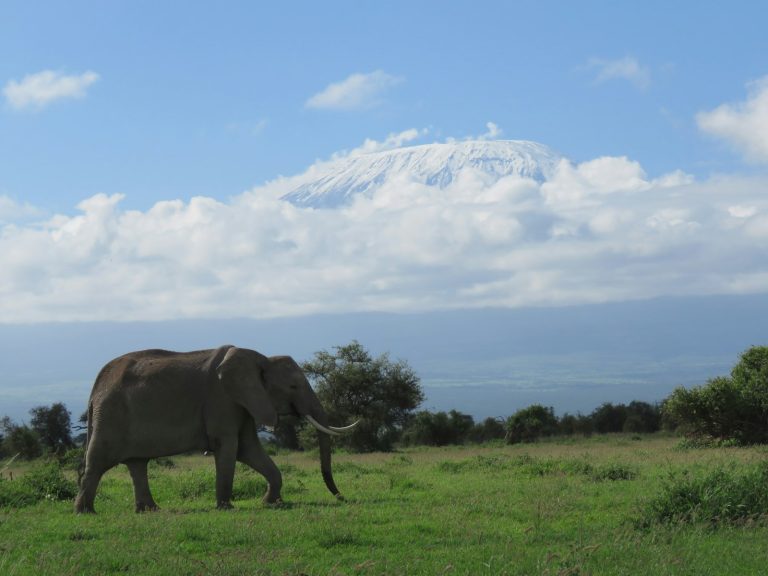
Amboseli is famous for elephants under Kilimanjaro, but its spring-fed swamps also draw buffalo, often standing belly-deep in green reeds. In the dry months the contrast between dusty plains and green swamp concentrates animals where you can see them. Herds are smaller than in the Mara, yet the backdrop is hard to beat for photographs.
Verdict: the most scenic of the best national parks for buffalo in Kenya. Go for the scenery and elephants, and enjoy buffalo as a strong extra. Read our Amboseli National Park guide.
7. Ol Pejeta and Lewa conservancies
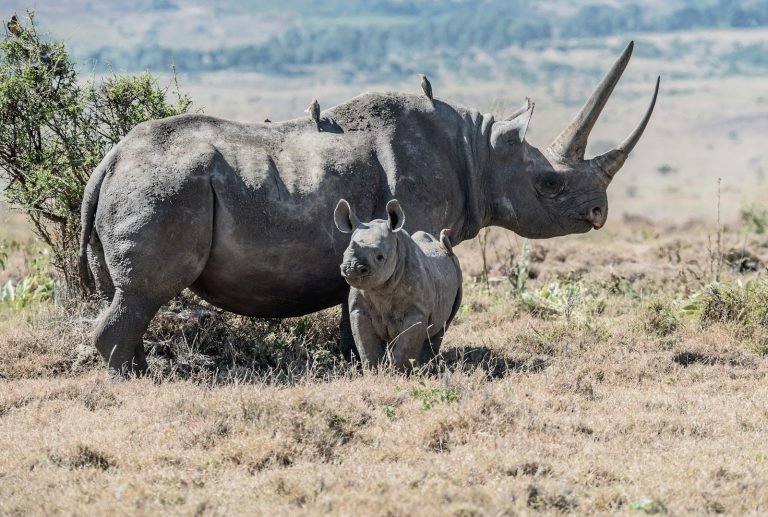
These private conservancies on the Laikipia Plateau are not national parks, but buffalo are plentiful on their plains. Ol Pejeta protects a large black rhino population and the last northern white rhinos. Lewa forms part of the Mount Kenya UNESCO World Heritage Site. Both offer night drives and guided walks that national parks often restrict.
Verdict: conservancies rather than parks, but they rival the best national parks for buffalo in Kenya and are ideal if you want buffalo and rhino together. Compare the two in Ol Pejeta vs Lewa, or learn the species in black rhino vs white rhino.
8. Nairobi National Park
Buffalo graze within sight of the Nairobi skyline in this small park on the city’s southern edge. It is the fastest way to tick off buffalo on arrival day or during a layover, and the park also holds rhino, lion and giraffe. Sightings vary with the season and grass height.
Verdict: the closest of the best national parks for buffalo in Kenya, and a superb warm-up rather than a main event. See our Nairobi National Park safari.

Best Time to Visit the Best National Parks for Buffalo in Kenya
The dry seasons, roughly June to October and January to February, give the most reliable buffalo viewing in almost every park.
Dry seasons: herds near water
When the land dries out, buffalo must stay close to rivers, swamps and waterholes. That makes Tsavo’s rivers, Amboseli’s swamps and Meru’s watercourses especially productive. Shorter grass also makes them easier to see. In the Mara, the long dry season overlaps with the Great Migration, so expect more vehicles in the main reserve.
Green seasons: fewer vehicles, more spread
The long rains (about April to May) and short rains (about November) scatter herds across fresh grazing. You will still see buffalo, especially in the Mara and at Lake Nakuru, but they may be farther from the tracks. Some lodges close for part of the long rains, and forest roads in the Aberdares can become very muddy. Weather patterns shift year to year, so check before you travel.
Getting to the Best National Parks for Buffalo in Kenya and How Many Days
Most buffalo parks are a half-day drive or a short flight from Nairobi, and five to eight nights lets you combine two or three of them comfortably.
By road from Nairobi
Lake Nakuru and the Aberdares sit within about 150 to 160 km of Nairobi, so they work as first stops on a northern or western loop. Amboseli and the Mara are longer drives, usually broken with a lunch stop. Tsavo East’s Mtito Andei Gate lies 233 km from Nairobi on the Mombasa road. Meru is the farthest of the main parks, a full day by road.
Fly-in options
Scheduled light aircraft fly from Wilson Airport in Nairobi to airstrips in the Mara, Amboseli, Meru and Laikipia. Flying saves long drives and suits shorter trips or older travellers. Luggage limits on these flights are strict, and soft bags are usually required. Our luxury fly-in safari shows how this works.
How many days to plan
Allow at least two full days in each savanna park to see buffalo in different light and behaviour. One night is enough for Lake Nakuru or an Aberdare tree hotel. A five-night trip might pair Nakuru with the Mara. Eight to ten nights lets you add Laikipia or Meru for rhino and solitude.
Buffalo Safety on Game Drives and Walks
In the best national parks for buffalo in Kenya, buffalo are safe to watch from a vehicle when you follow your guide’s lead, but on foot they demand real caution.
In the vehicle
Stay seated, keep your voice low and never stand up through the roof hatch suddenly next to a herd. Do not ask your driver to push closer to a lone bull resting in thick cover. A good guide reads ear position, head height and tail movement, and will back off before an animal feels pressured.
On foot
Walking safaris are run in conservancies and some parks by qualified guides, often with an armed ranger. Old bulls in dense bush are among the animals walking guides watch most carefully. Follow every instruction and never run. Our honest guide Is a walking safari safe? explains the rules.
Expert tip from our Nairobi team
In any of the best national parks for buffalo in Kenya, for the best photographs, ask your guide to position the vehicle with the sun behind you early or late in the day, then switch the engine off and wait. A calm herd soon goes back to grazing, and that is when you get natural behaviour: oxpeckers riding on backs, calves pressing close and bulls sparring. Pack a lens of at least 200mm and a bean bag for the window frame.
Which of the Best National Parks for Buffalo in Kenya Suits You
Match the parks to your priorities, then link them into a logical route so you spend more time watching wildlife than driving.
First-time safari travellers
Pair Lake Nakuru with the Masai Mara. You get buffalo and rhino at Nakuru, then buffalo, lion and the wider Big Five in the Mara. Our Big Five chances by park guide sets realistic expectations.
Photographers and repeat visitors
Combine Meru with Laikipia for quiet buffalo viewing, rhino and walking. Add the Aberdares for forest scenes. The Laikipia Plateau safari guide and Tsavo vs Meru help you choose.
Families and beach extensions
Amboseli and Tsavo flow naturally towards the coast, so you can end on the beach. The Tsavo and Amboseli safari is a good starting point, and our Kenya family safari packages cover child-friendly lodges.
Sample routes through the best national parks for buffalo in Kenya
- 5 nights: Lake Nakuru (1), Masai Mara (3), Nairobi (1).
- 8 nights: Aberdare (1), Ol Pejeta (2), Lake Nakuru (1), Masai Mara (3), Nairobi (1). Similar to our Kenya Highlights Safari.
- 10 nights: Meru (3), Laikipia (3), Masai Mara (3), Nairobi (1), with light-aircraft hops.
Park Fees and Booking a Private Buffalo Safari
Across the best national parks for buffalo in Kenya, park and conservancy fees are charged per person per day and change from time to time, so always check the latest rates before you budget.
Kenya Wildlife Service sets fees for national parks such as Nakuru, the Aberdares, Meru, Tsavo, Amboseli and Nairobi. You can read the official KWS conservation fee schedule. The Masai Mara is managed by county authorities rather than KWS, and private conservancies set their own fees. Our Kenya national parks entrance fees 2026 guide brings them together, and Kenya safari cost explains the full budget.
Before you travel, read the latest UK Foreign Office travel advice for Kenya, or your own government’s equivalent. When you are ready, our private Kenya safari team will build a route around the best national parks for buffalo in Kenya, with clear pricing and no hidden extras.
Best National Parks for Buffalo in Kenya FAQs
What are the best national parks for buffalo in Kenya?
The best national parks for buffalo in Kenya are the Masai Mara, Lake Nakuru, Aberdare, Meru and Tsavo, followed by Amboseli, the Ol Pejeta and Lewa conservancies and Nairobi National Park. The Mara has the biggest open-grassland herds, while Meru and the Aberdares give quieter, more unusual encounters away from other vehicles.
Which of the best national parks for buffalo in Kenya is easiest to reach from Nairobi?
Nairobi National Park is the closest, on the city’s southern edge, and suits a half-day drive. Lake Nakuru, about 156 km from Nairobi, is the best short trip for reliable buffalo in good numbers, and it also adds black and white rhino, flamingos and pelicans on the same game drive.
When is the best time to visit the best national parks for buffalo in Kenya?
The dry seasons, roughly June to October and January to February, are best. Buffalo need to drink most days, so herds stay close to rivers, swamps and waterholes, and shorter grass makes them easier to spot. You can still see buffalo in the rainy months, but they spread out more widely.
Are buffalo dangerous on safari?
Buffalo are powerful and can be dangerous, especially old bulls surprised in thick cover. From a vehicle, with a professional guide, viewing is safe if you stay seated, stay quiet and let the guide control the distance. On foot, walk only with qualified guides and follow every instruction they give you without exception.
How many buffalo are there in Kenya?
Kenya’s first national wildlife census, released in 2021, counted 41,659 buffalo across the country. Numbers move with rainfall, disease and habitat change, so treat this as a snapshot rather than a fixed figure. Most large herds live in well-protected national parks, national reserves and private conservancies such as those in Laikipia.
Can you see buffalo and rhino in the same Kenya park?
Yes. Several of the best national parks for buffalo in Kenya also hold rhino, including Lake Nakuru, Ol Pejeta, Lewa, Meru and Nairobi National Park. Lake Nakuru and Ol Pejeta are the most reliable for seeing both in one or two days, making them excellent stops to complete the Big Five on a shorter safari.
How many days do I need for the best national parks for buffalo in Kenya?
Plan at least five nights. Two or three nights in the Masai Mara plus a night at Lake Nakuru gives you strong chances for buffalo, lion, elephant and rhino, with leopard the hardest. Eight to ten nights lets you add Laikipia or Meru for quieter viewing, walking and better rhino odds.
Complete Your Big Five in the Best National Parks for Buffalo in Kenya
Kenya-based experts. Real local knowledge. Transparent pricing.