
Hottest place in Kenya is not a Mombasa beach or a Tsavo plain, both places most travelers assume top the list. It is the Chalbi Desert, a white salt plain in Marsabit County, east of Lake Turkana, where daytime temperatures average 43 to 46 degrees Celsius and can push higher during January to March. Lake Turkana itself, the Jade Sea, is not far behind, regularly hitting 50 degrees in the surrounding basin. This is northern Kenya at its most extreme: no shade for kilometres, ancient volcanic islands rising from alkaline water, and a landscape genuinely unlike anywhere else in the country. Sense of Adventure builds northern Kenya itineraries for travelers who want exactly this kind of extreme.
Explore Kenya Extreme North
Message us to plan a northern Kenya itinerary through Samburu, Marsabit and beyond.
Why the Chalbi Desert Beats Everywhere Else for Heat
The Chalbi Desert sits in Marsabit County, east of Lake Turkana, on a flat white salt plain with almost no vegetation to block sun or hold shade, which is exactly why daytime readings routinely climb past 43 degrees Celsius during the hottest months of January through March. Temperatures then drop sharply at night, sometimes to around 14 or 15 degrees, a swing that surprises most first-time visitors expecting uniform heat. Lake Turkana itself, the world largest permanent desert lake, sits nearby and generates its own intense basin heat, regularly exceeding 50 degrees in the surrounding landscape.
We had done Samburu before and thought we understood northern Kenya heat, but our guide described the Chalbi Desert further north as an entirely different level, salt flats stretching to the horizon with genuinely nothing to break the sun. We did not make it that far that trip, but it completely reframed how vast and varied this country actually is.
— Sense of Adventure guest, Northern Kenya Cultural Safari
5 Facts About Kenya Hottest Region
1. The Chalbi Desert Is a White Salt Plain
Unlike a sandy Sahara-style desert, the Chalbi is a flat, cracked salt pan, once part of an ancient lakebed, giving the landscape a stark white surface unlike anywhere else in Kenya.
2. Lake Turkana Is the Jade Sea
Named for its striking blue-green colour from algae, Lake Turkana is the world largest permanent desert lake and one of the most remote major water bodies in East Africa.
3. Daily Temperature Swings Are Extreme
A 43-degree daytime high can drop to around 14 degrees overnight in the Chalbi, one of the widest daily temperature swings recorded anywhere in Kenya.
4. Wildlife Here Is Built Specifically for Heat
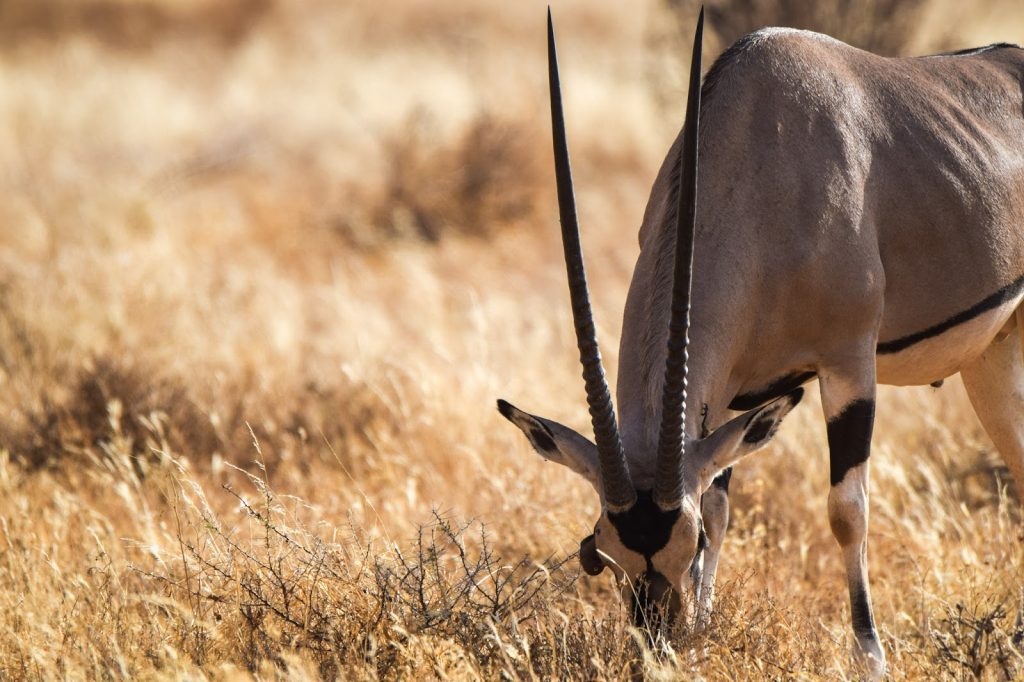
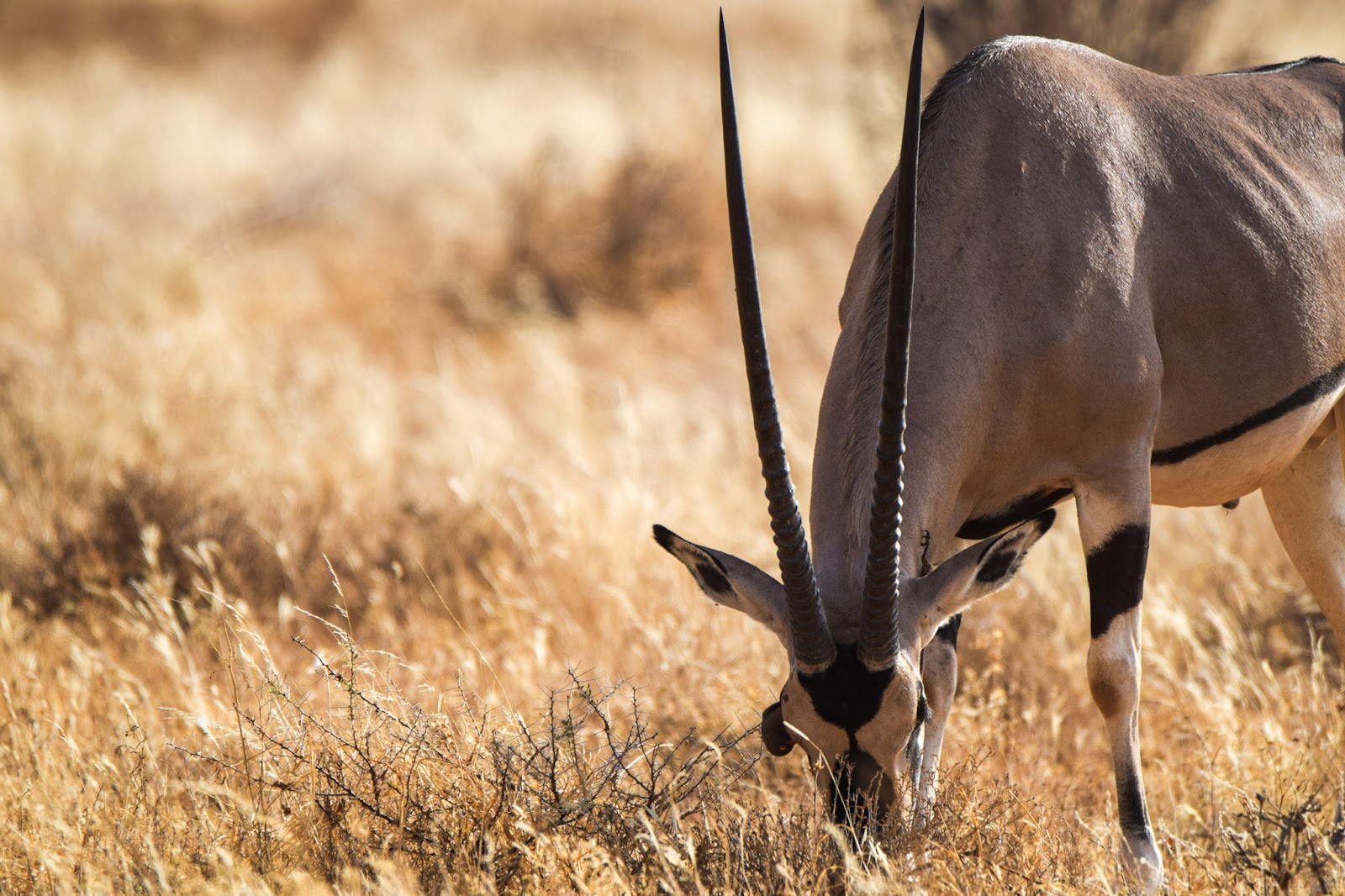
Species like the beisa oryx and gerenuk thrive in this arid zone precisely because they need far less water than plains species further south, a genuine adaptation rather than mere tolerance.
5. Samburu Is the Practical Gateway North
Samburu National Reserve, considerably less extreme in temperature, serves as the realistic entry point for most travelers curious about Kenya remote and arid north.
Book Your Northern Kenya Safari
Our Northern Kenya Cultural Safari covers Samburu and Laikipia, the practical gateway to the far north.
Kenya Hottest Places: Quick Reference
- Hottest overall: the Chalbi Desert, averaging 43-46°C by day.
- Close second: Lake Turkana basin, regularly hitting 50°C.
- Location: Marsabit County, east of Lake Turkana.
- Hottest months: January through March.
- Overnight drop: down to around 14-15°C, a dramatic daily swing.
- Practical gateway: Samburu National Reserve, far milder and easily reached.
Starting Your Northern Kenya Journey
The far north is an extension for the genuinely curious, not a first Kenya trip. Our Samburu National Reserve Safari Guide covers the practical entry point most travelers use before considering anything further north.
Experience Kenya Wildest Extremes
Message us today and we will plan a northern Kenya itinerary as adventurous as you want it.
Frequently Asked Questions
What is the hottest place in Kenya?
The Chalbi Desert in Marsabit County, east of Lake Turkana, is considered Kenya hottest place, with average daytime temperatures of 43 to 46 degrees Celsius, higher than anywhere else in the country.
How hot does Lake Turkana get?
Temperatures around Lake Turkana regularly reach 50 degrees Celsius, making the surrounding basin one of Kenya most extreme environments, though slightly behind the Chalbi Desert further east for average daytime heat.
What is the best time to visit the Chalbi Desert?
The Chalbi Desert is at its hottest from January to March, so travelers wanting to experience it without the most extreme heat generally plan visits outside those months, though the region remains hot year-round.
Can I visit the Chalbi Desert and Lake Turkana on safari?
These are extension destinations for experienced or adventurous travelers, typically reached via Samburu or Marsabit, and require careful planning given the remoteness and extreme heat, best arranged as a custom addition to a broader Kenya itinerary.
Why does the Chalbi Desert have such extreme temperature swings?
The Chalbi flat, cracked salt-pan surface has almost no vegetation to retain heat after dark, causing daytime highs above 43 degrees Celsius to drop sharply to around 14-15 degrees overnight.