
The Masai Mara experience is remembered as much for what happens between sightings as for the sightings themselves — the particular quality of silence on an open plain, the sound of hippos grunting after dark, a guide’s hand signal that means “hold still, something’s coming.” The wildlife draws people here; it’s usually these smaller moments that stay with them.
Come Feel It for Yourself
Message us on WhatsApp and we’ll build a Masai Mara itinerary with real time to just sit and listen.
What the Mara Actually Sounds and Feels Like
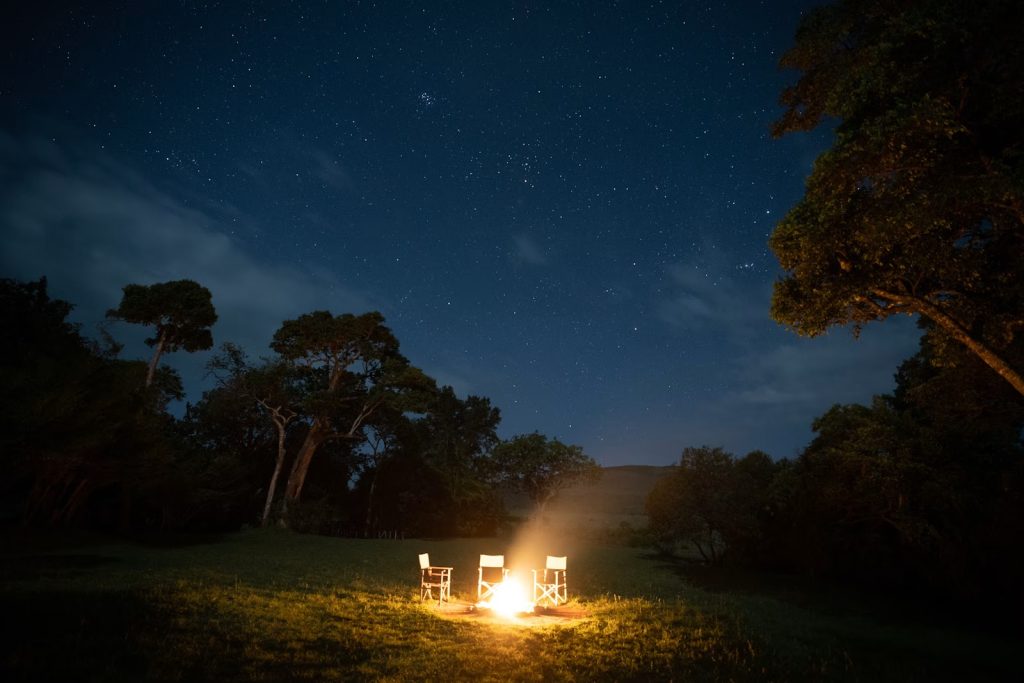
Most first-time descriptions of the Masai Mara focus on what you’ll see — lions, the migration, big skies. Less discussed is what you’ll hear and feel: an engine cut mid-drive so a pride can be watched in total silence, wind moving through acacia trees on the escarpment, or lying in a tent at night as hippos grunt somewhere near the river and a hyena’s whoop drifts across camp. Many unfenced conservancy camps put you close enough to hear the reserve breathe after dark — not dangerously close, but close enough that the soundscape becomes as memorable as any single sighting.
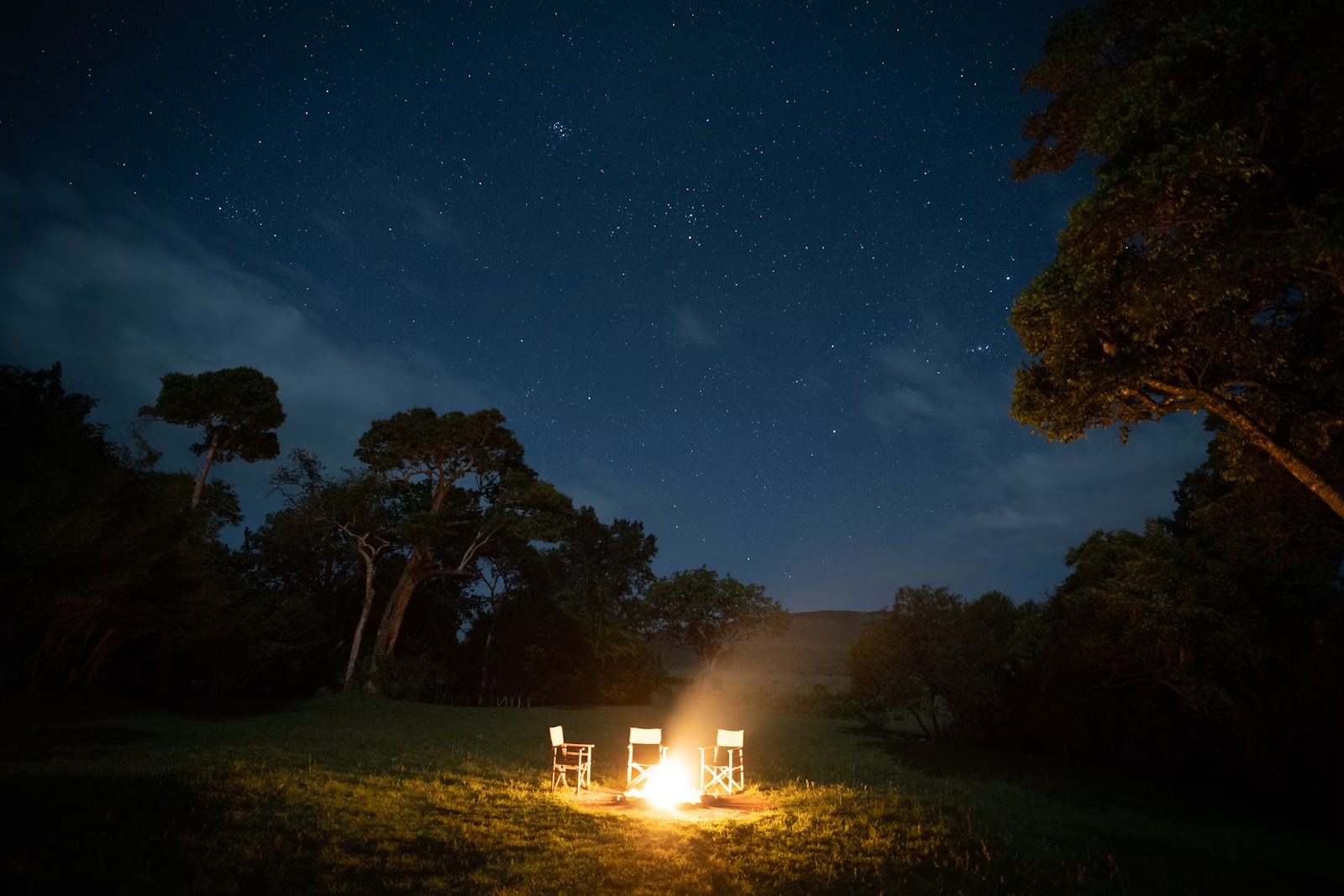
Nobody told me I’d remember the sound of the place as much as what we saw. Lying awake listening to something moving near camp, completely safe but completely wild — that’s the memory that hasn’t faded a year later.
— Sense of Adventure guest, Masai Mara safari
Small Moments That Define a Masai Mara Safari
The Dawn Chorus — 500+ bird species waking up together
Pre-dawn departures aren’t just about early wildlife activity — they put you in the vehicle as the Mara’s enormous bird population wakes up, a layered soundscape few visitors expect going in.
Engine-Off Silence at a Sighting — a deliberate, guide-led pause
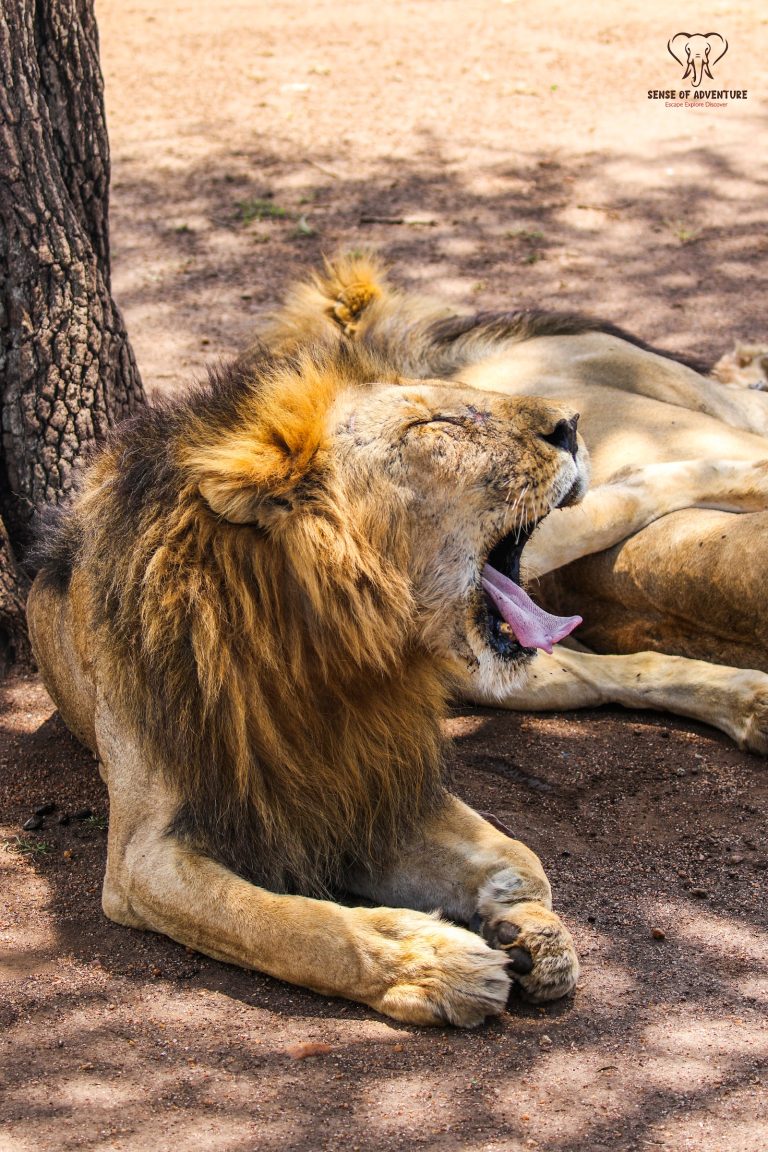
Good guides cut the engine at a good sighting, not just for photos but because the silence itself — wind, breathing, distant calls — is part of what makes the encounter feel real rather than like a drive-by.
Camp Sounds After Dark — unfenced conservancy camps carry every sound
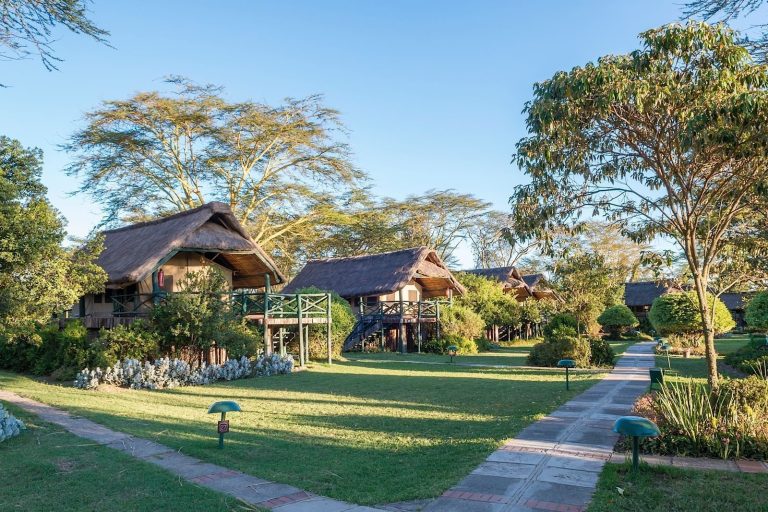
Many camps sit without fences between tent and bush — hippo grunts from a nearby river, a hyena’s whoop, and rustling that’s almost always nothing more than a genet passing through, all part of a night in the Mara.
The Light Changing on the Escarpment — a daily show that has nothing to do with animals
The Oloololo Escarpment catches shifting light through the day in a way photographers chase specifically — no wildlife required, just the land itself doing something extraordinary.
Staff and Camp Rituals — the small consistent details
Small, consistent rituals — a warm towel on arrival back at camp, staff who remember your name by day two, a fire already lit before dinner — shape the emotional texture of a stay as much as any drive.
Build in Time to Just Be There
Message us and we’ll pace your itinerary so it’s not wall-to-wall driving.
The Masai Mara Experience at a Glance
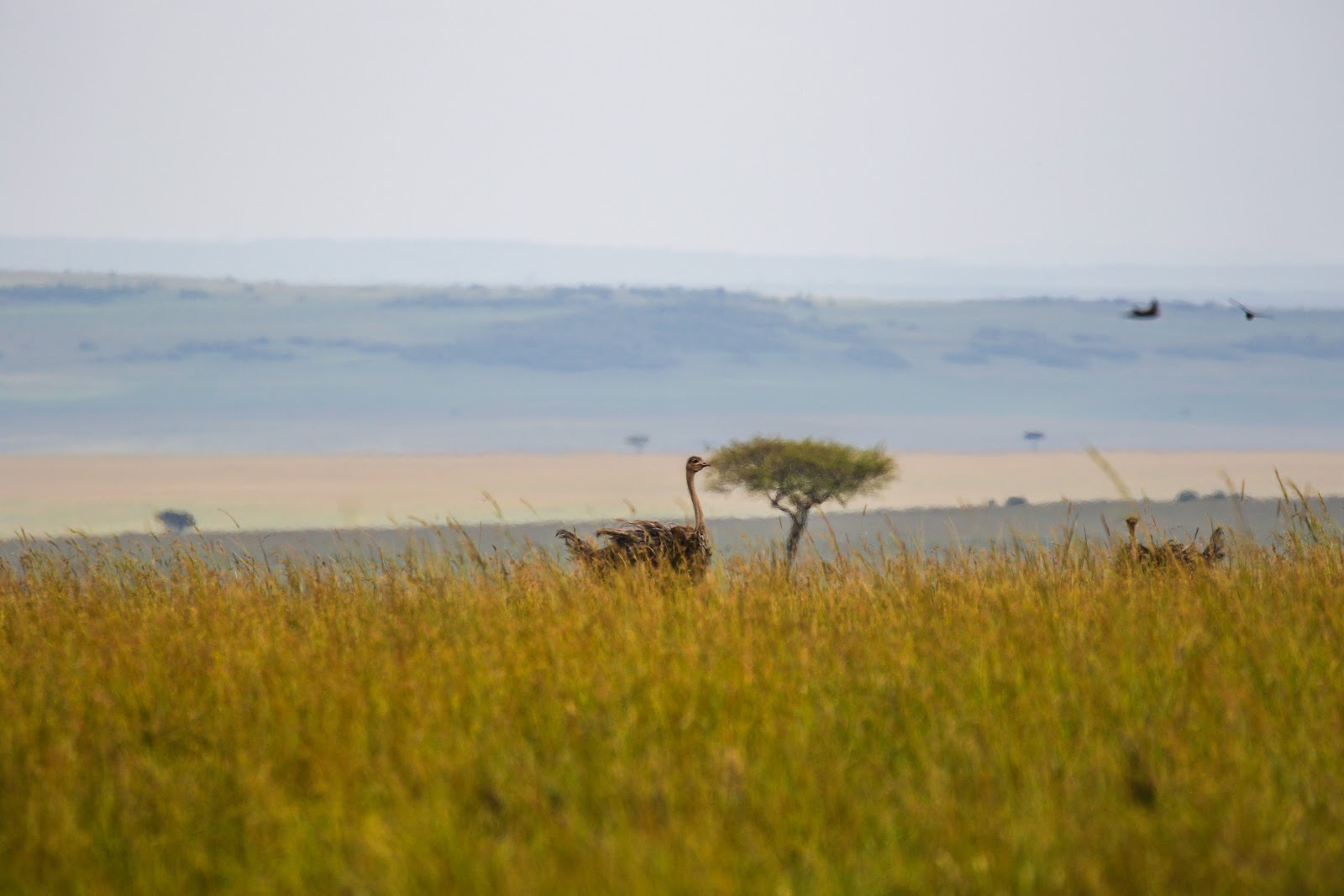
- Reserve size: 1,510 km² of the national reserve alone, before the surrounding conservancies — genuine space and silence are part of the experience.
- Birdsong: 500+ recorded species contribute to a dawn chorus most first-time visitors don’t expect.
- Unfenced camps: many conservancy camps have no fence between tent and bush, so night sounds — hippo, hyena, insects — carry clearly.
- Engine-off moments: experienced guides cut the engine at good sightings, adding silence to the encounter rather than just proximity.
- Escarpment light: the Oloololo Escarpment’s changing daily light is a standalone visual experience, independent of wildlife sightings.
Plan the Full Experience
This sits alongside the practical side of a Mara trip — our Masai Mara safari guide covers logistics, and our camps and lodges guide helps you pick a stay suited to how close to the wild you want to feel.
Ready to Hear It Yourself?
Message us on WhatsApp and let’s plan a Masai Mara trip with room to actually experience it.
Frequently Asked Questions
What does the Masai Mara actually feel like beyond the wildlife?
Many visitors say the sounds and silence — dawn birdsong, engine-off stops at sightings, night sounds carrying through an unfenced camp — stay with them as much as any single animal sighting.
Can you hear wildlife from camp at night in the Masai Mara?
Yes, at many conservancy camps without fences between the tents and the bush — hippo grunts, hyena calls and other night sounds are common and are considered part of the experience, managed safely by camp staff.
Why do guides turn off the engine during a sighting?
Beyond a smoother photo, cutting the engine removes mechanical noise so guests experience the sighting with the same ambient silence and sound as the animals themselves.
Is the Masai Mara crowded or does it feel remote?
It varies by area and season — the main reserve can feel busy at peak-season sightings, while conservancies and quieter zones preserve the sense of space and silence many visitors are chasing.
What time of day has the best atmosphere in the Masai Mara?
Dawn, for the layered birdsong and cool light, and dusk, for the changing colour over the escarpment — both offer an experience distinct from the wildlife itself.