
Where to stay in the Masai Mara is as much a geography question as an accommodation one — the reserve and its surrounding conservancies aren’t uniform, and which corner your camp sits in shapes crowd levels, wildlife density and what activities you’re even allowed to do.
Tell Us Your Priorities, We’ll Pick the Region
Message us on WhatsApp — crowds, cost or exclusivity, we’ll match you to the right corner of the Mara.
The Mara Isn’t One Place — It’s Several
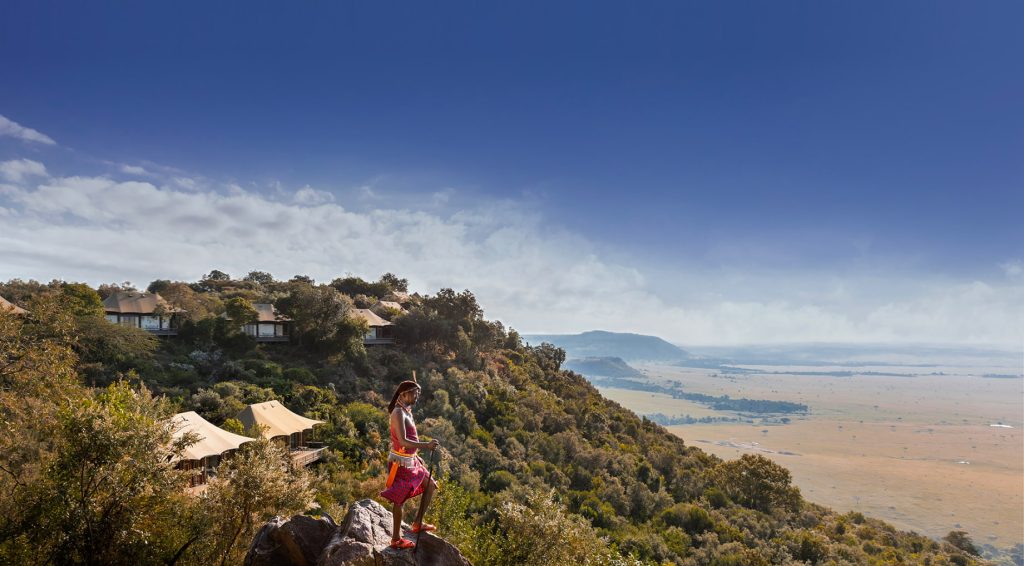
The Masai Mara ecosystem splits broadly into the national reserve itself and a ring of private conservancies leased from Maasai landowners on its borders. Inside the reserve, the Mara Triangle — the western section between the Mara River and the Oloololo Escarpment, reachable only via the Oloololo gate or the New Mara Bridge — is a genuinely quieter, high-density-wildlife corner precisely because it’s harder to reach. The Talek and Aitong areas sit closer to the reserve’s more heavily used gates and camps. The conservancies — Mara North among them — cap guest numbers at roughly one visitor per 350 acres and allow night drives and walking safaris, both banned inside the reserve proper.
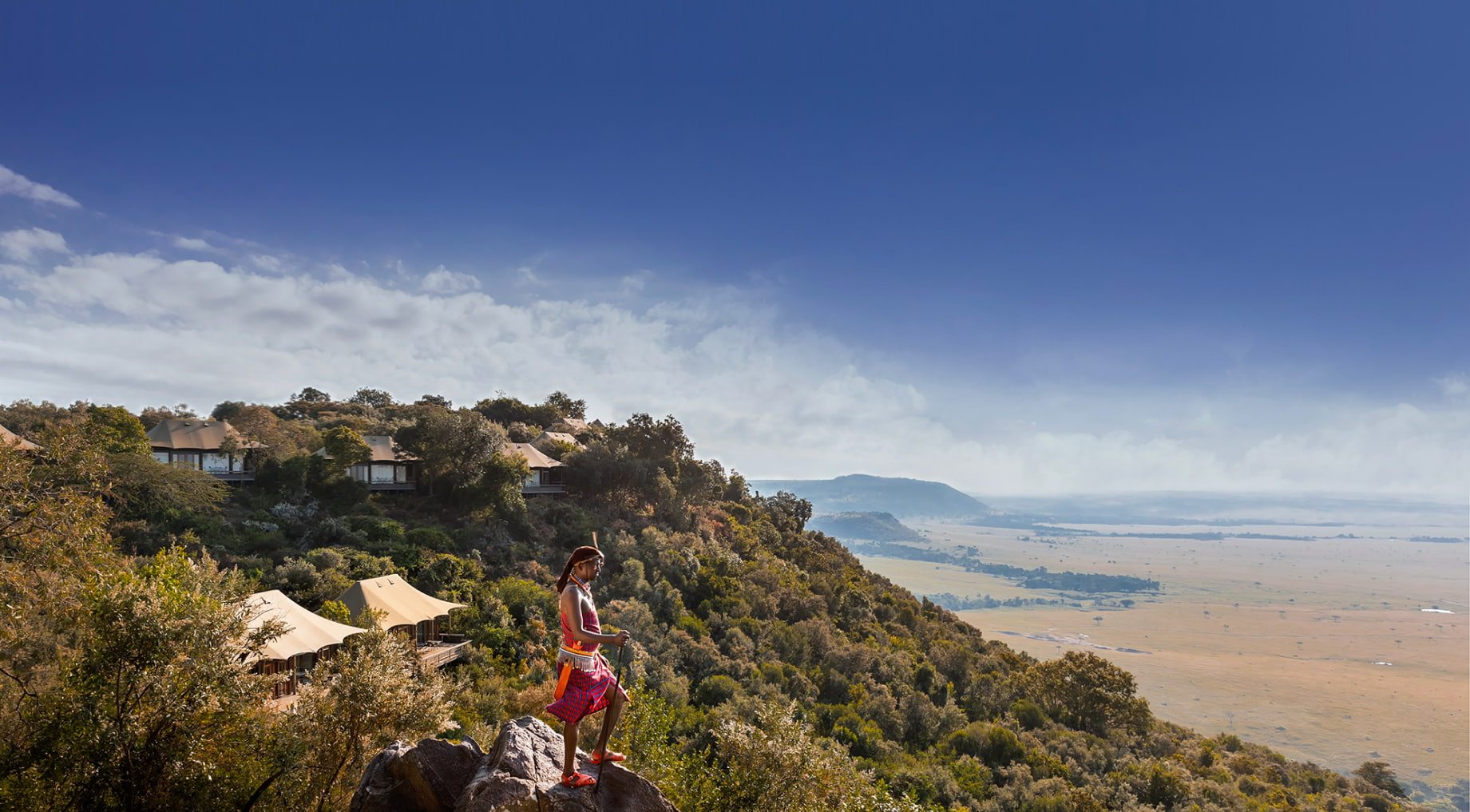
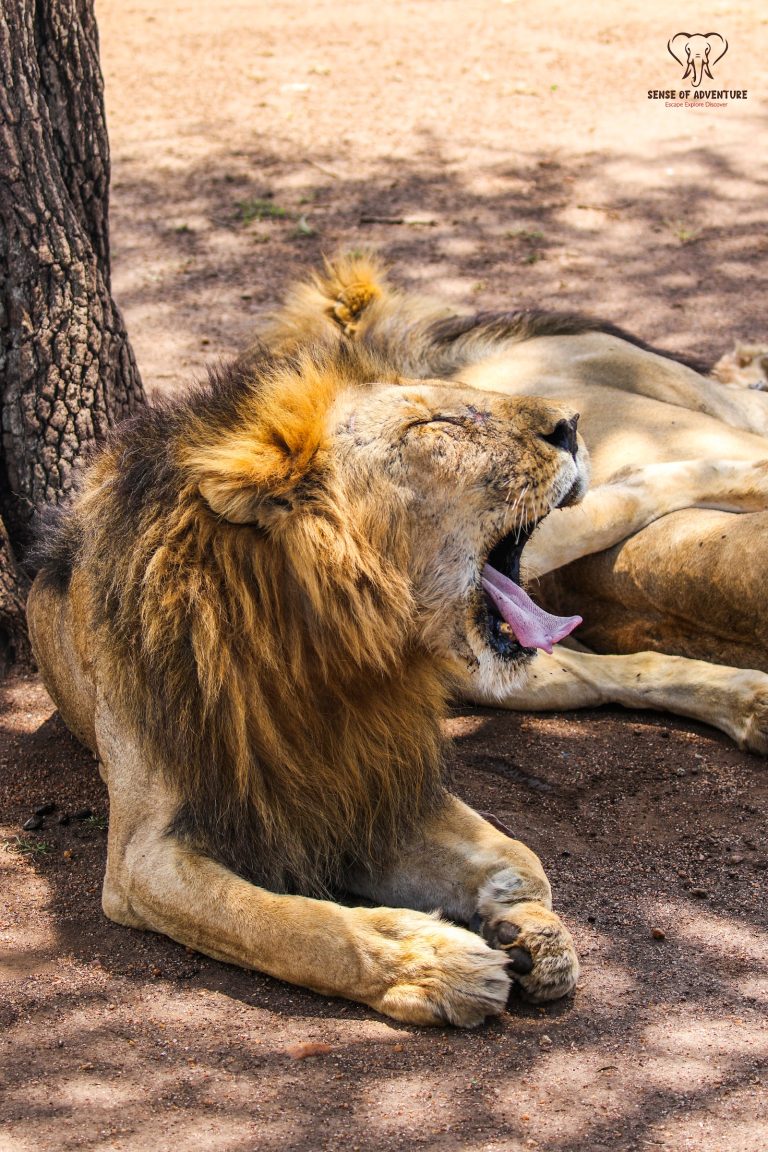
We almost booked reserve-side to save money and I’m so glad our guide talked us into a conservancy instead — one vehicle at a lion sighting instead of fifteen, and a night drive we wouldn’t have had access to otherwise. Worth every extra shilling.
— Sense of Adventure guest, Mara North Conservancy
The Mara’s Main Regions Compared
Mara Triangle — quiet, wildlife-dense, harder to reach
The western section between the Mara River and the escarpment, accessible only via Oloololo gate or the New Mara Bridge — that limited access keeps it markedly less crowded while wildlife density stays high year-round.
Talek & Aitong (Reserve-Side) — convenient, but busier in peak season
These areas sit near some of the reserve’s more heavily used gates, with no cap on visitor or vehicle numbers — expect more company at popular sightings, especially July through October.
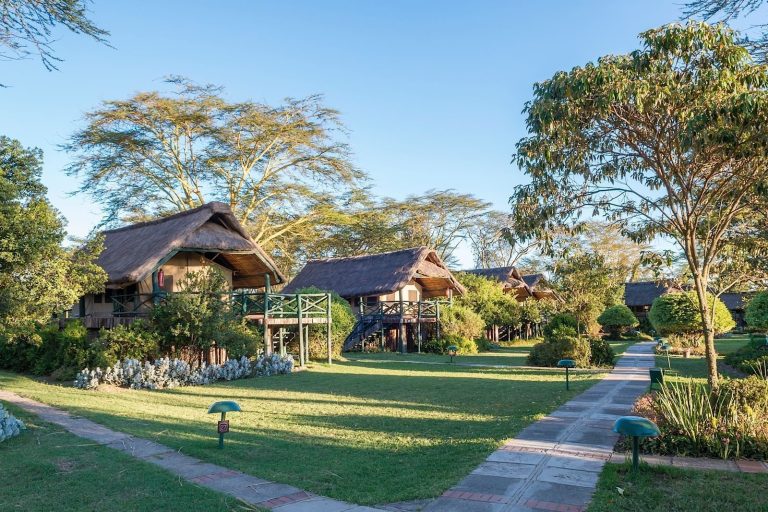
Mara North Conservancy — capped numbers, night drives and walking safaris allowed
One of the private conservancies bordering the reserve, guest density is limited to roughly one visitor per 350 acres, and activities banned inside the reserve — night drives, walking safaris, off-road driving — are permitted here.
Other Private Conservancies — Olare Motorogi, Naboisho and more — land once overgrazed, now recovering
Formerly cattle-grazed land leased back from Maasai communities, several conservancies now report wildlife concentrations that match or exceed the main reserve, alongside far fewer vehicles per sighting.
Matching Region to Priority — crowds, cost or convenience
If exclusivity and night drives matter most, a conservancy is the clear choice; if budget and gate proximity matter more, reserve-side Talek or Aitong camps remain a genuinely good option — just expect more vehicles at the famous sightings.
We’ll Match the Region to What You Actually Want
Message us your priorities — exclusivity, budget, or convenience — and we’ll recommend the right camp.
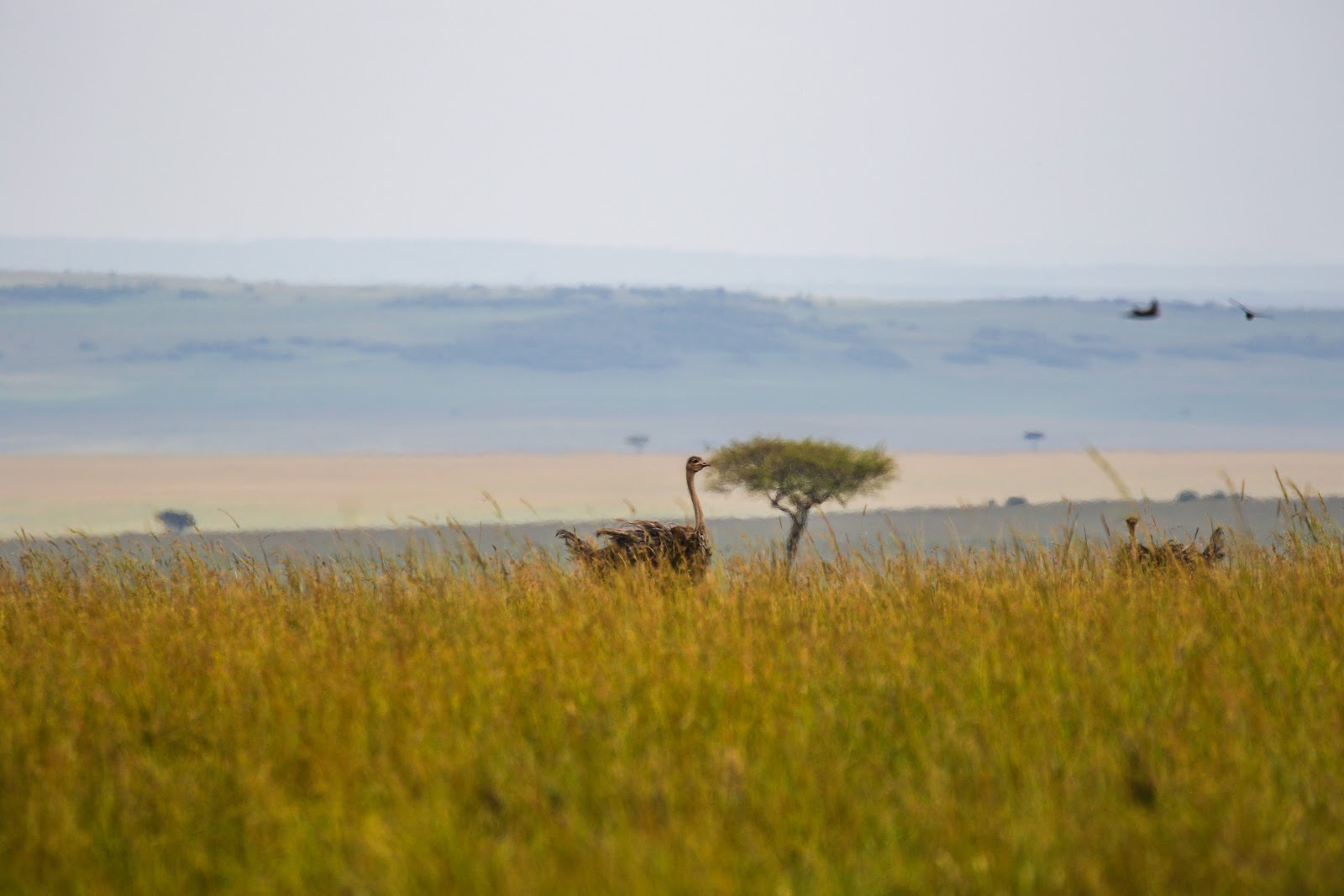
Masai Mara Regions at a Glance
- Mara Triangle: western reserve section, high wildlife density, low crowds, accessible only via Oloololo gate or New Mara Bridge.
- Talek & Aitong: reserve-side areas near busier gates — no visitor cap, more vehicles at peak-season sightings.
- Conservancy guest cap: roughly 1 visitor per 350 acres in private conservancies like Mara North, versus no cap inside the reserve.
- Conservancy-only activities: night drives, walking safaris and off-road driving are permitted in conservancies, prohibited inside the reserve.
- Wildlife recovery: several conservancies, once overgrazed cattle land, now report wildlife density matching or exceeding the reserve itself.
Go Deeper on Accommodation
Pair this with our camps and lodges guide for specific property recommendations, and our conservancies insider guide for more on what sets each conservancy apart.
Let’s Find Your Corner of the Mara
Message us on WhatsApp and we’ll recommend the region that fits your trip.
Frequently Asked Questions
What is the Mara Triangle and why is it different?
The Mara Triangle is the western section of the national reserve, between the Mara River and the Oloololo Escarpment, accessible only via the Oloololo gate or New Mara Bridge — that limited access keeps it quieter with consistently high wildlife density.
Are conservancies better than staying inside the Masai Mara reserve?
They offer different trade-offs — conservancies cap guest numbers (roughly 1 per 350 acres) and allow night drives and walking safaris, while reserve-side stays near Talek or Aitong can be more budget-friendly but busier at popular sightings.
Can you do a night drive inside the Masai Mara National Reserve?
No — night drives, along with walking safaris and off-road driving, are only permitted in the private conservancies bordering the reserve.
Which Masai Mara conservancy has the least crowding?
Most conservancies, including Mara North, Olare Motorogi and Naboisho, cap visitor numbers at roughly 1 per 350 acres, keeping crowding consistently low compared to the uncapped main reserve.
Is wildlife density actually better in the conservancies than the reserve?
In several cases yes — land that was once overgrazed cattle ranching is now recovering under conservancy management, with wildlife concentrations that match or exceed parts of the national reserve.