
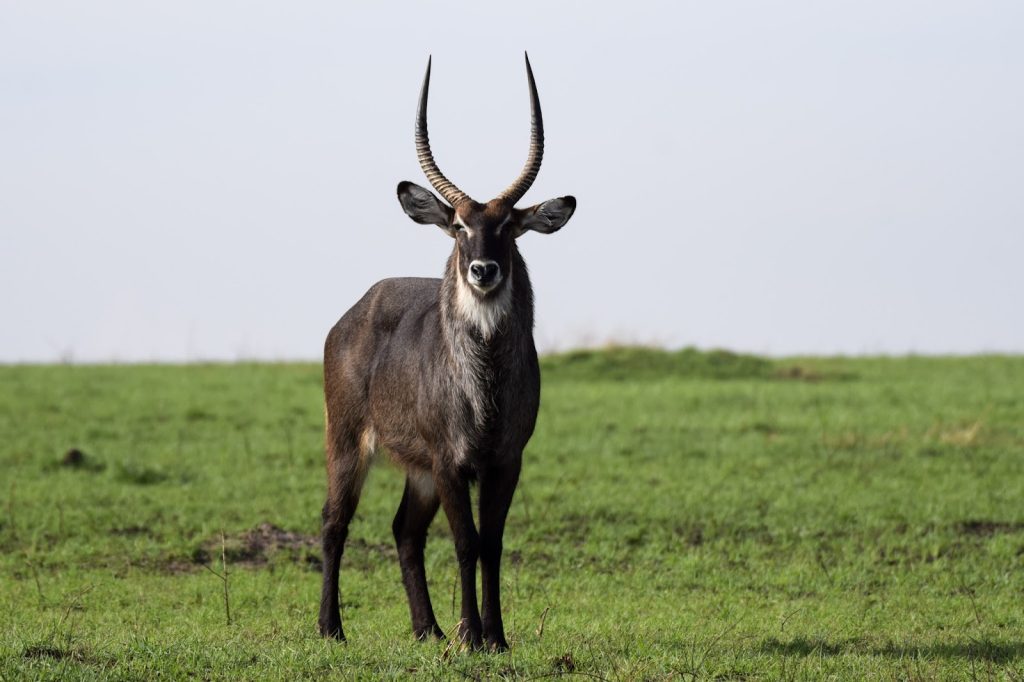
Ruma National Park protects something Kenya has almost lost entirely: its only indigenous population of roan antelope, now down to only a few dozen individuals left in the wild. Tucked into the fertile Lambwe Valley near Lake Victoria in Homa Bay County, Ruma is Kenya’s only terrestrial park in Nyanza Province, bordered by the Kanyamwa Escarpment and the volcanic Ruri Hills. Picture lush grassland unusually green for a Kenyan savanna, a landscape that receives more rainfall than most of the country’s other parks, quiet enough that a roan antelope sighting feels like witnessing something genuinely on the edge. Sense of Adventure sees Ruma as a meaningful stop for travellers who care about conservation stories, not just wildlife volume.
See Kenya’s Rarest Antelope Before It’s Too Late
Only a few dozen roan antelope remain in the wild here — message us to plan a visit to Ruma.
The Last Stand of Kenya’s Roan Antelope
Ruma is dubbed “the last retreat of the roan antelope” because it protects the only indigenous population of this striking, horse-like antelope left in Kenya — a population now reduced to only a few dozen individuals in the wild, making a sighting here genuinely rare on a continental scale. The park sits on the flat floor of the seasonally watered Lambwe River Valley, which receives unusually high rainfall for a Kenyan savanna, producing lush grasslands that support strong grazing wildlife populations and, notably, over 400 recorded bird species. Recent reintroduction efforts have also brought black rhino, white rhino and Burchell’s zebra back into the park, alongside established populations of Rothschild’s giraffe, leopard and Lelwel hartebeest — a genuinely broader wildlife picture than the roan antelope headline alone suggests.

Our guide was honest that a roan antelope sighting isn’t guaranteed — only a few dozen exist in the whole country. We got incredibly lucky with a small group at dusk, and knowing how close this animal is to disappearing entirely in Kenya made it one of the most memorable sightings of our whole trip.
— Sense of Adventure guest, western Kenya safari
The 6 Things to Know About Ruma National Park
The Roan Antelope, Kenya’s Rarest — only a few dozen remain in the wild
The roan antelope population at Ruma has fallen to only a few dozen individuals, making it one of the last surviving wild groups of this species in the country — a sighting here is genuinely rare rather than a routine safari tick-box.
The Lambwe Valley Setting — unusually lush for a Kenyan savanna
The park occupies the fertile Lambwe River Valley, which receives more rainfall than many other Kenyan savannas, producing lush grasslands bordered by the Kanyamwa Escarpment to the south-east and the volcanic Ruri Hills to the north.
Over 400 Bird Species — an Important Bird Area designation
Ruma has been recorded with more than 400 bird species, earning it Important Bird Area status — a serious destination for birders as much as for the roan antelope itself.
Kenya’s Only Terrestrial Nyanza Park — a genuinely distinct region
Ruma is the only terrestrial national park in Kenya’s Nyanza Province, giving it an ecological and geographic character distinct from both the classic southern safari circuit and the arid north.
A History Rooted in Local Folklore — named after a feared local figure
Originally gazetted in 1966 as the Lambwe Valley Game Reserve, the park was later renamed “Ruma” after Gor Mahia, one of Kenya’s most feared and powerful traditional wizards, adding a layer of local folklore to a visit.
A Natural Lake Victoria Add-On — near Homa Bay for a western Kenya circuit
Ruma sits in Homa Bay County near Lake Victoria, making it a natural addition to a western Kenya itinerary — this is arranged as a custom trip rather than a fixed package, so message us to plan the routing.
Other Grazing Wildlife Worth Seeing — not just the roan antelope
Beyond the roan antelope, Ruma’s lush Lambwe Valley grassland supports oribi, topi, buffalo and Rothschild giraffe populations, giving visitors a genuinely full savanna wildlife experience even on a morning when the roan antelope itself stays out of sight.
A Conservation Story Worth Seeing in Person
Kenya’s last wild roan antelope live here — ask us about building Ruma into a western Kenya trip.
Ruma National Park Facts
- Location: Homa Bay County, western Kenya, near Lake Victoria.
- Size: approximately 120 km², on the floor of the Lambwe River Valley.
- History: gazetted in 1966 as Lambwe Valley Game Reserve, later upgraded to a national park and renamed Ruma.
- Roan antelope: only a few dozen remain — the only indigenous wild population left in Kenya.
- Birdlife: over 400 recorded species, an Important Bird Area.
- Regional status: the only terrestrial national park in Kenya’s Nyanza Province.
Building Ruma Into a Western Kenya Itinerary
Ruma pairs naturally with a wider Lake Victoria/western Kenya circuit. As with our other remote-park guides, this is arranged as a custom itinerary rather than a fixed package — message us on WhatsApp and we’ll plan the routing and timing around your trip.
Only a Few Dozen Left in the Wild
A genuinely rare wildlife sighting most safaris never offer. Message us to plan your visit to Ruma.
Frequently Asked Questions
What animal is Ruma National Park known for?
Ruma National Park is known for the roan antelope, of which only a few dozen individuals remain in the wild — the only indigenous population left in Kenya, making Ruma the last place to reliably attempt seeing this species in the country.
Where is Ruma National Park located?
Ruma National Park is located in Homa Bay County in western Kenya, near Lake Victoria, occupying the fertile Lambwe River Valley bordered by the Kanyamwa Escarpment and the Ruri Hills.
How big is Ruma National Park?
Ruma National Park covers approximately 120 km², making it a compact, focused destination rather than a multi-day, multi-circuit park like the Masai Mara or Tsavo.
Is Ruma National Park good for bird watching?
Yes — Ruma has recorded over 400 bird species and holds Important Bird Area status, making it a strong birding destination alongside its significance for the roan antelope.
Why is Ruma National Park called that?
The park was originally gazetted in 1966 as Lambwe Valley Game Reserve and later renamed “Ruma” after Gor Mahia, one of Kenya’s most feared traditional wizards from local folklore, when it was upgraded to full national park status.