A Masai Mara family safari is entirely achievable with the right planning, and far less daunting than most first-time parents expect once you know which questions to ask. The real work is not deciding whether to bring the kids, it is matching your children's ages to the right camp, vehicle and activity mix so nobody spends the trip bored, scared or stuck to a schedule built for adults.
Do that well and a Mara safari becomes the kind of trip a family still talks about years later: campfire stories, a junior ranger badge, a wide-eyed first lion sighting from a few metres away. Sense of Adventure, a TRA-licensed safari operator based at Mountain Mall on Thika Road in Nairobi, builds every family itinerary around the age of the youngest traveller, not the other way round, and this guide shows you how we plan a Masai Mara family safari step by step.
✅ Masai Mara Family Safari: Quick Answer
- Best ages: most camps accept children from 6 to 8 on shared game drives; policies range from about 5 to 12, so check each camp.
- Younger children: book a private vehicle so you control drive length, timing and stops.
- Best time: July to October for the migration, or January to March for calves and fewer crowds; both fit school holidays.
- How long: 3 nights in the Mara suits most families; 2 nights is the minimum worth the journey.
- Getting there: a 45 to 60 minute flight from Nairobi is easiest with small children; the road takes about 5 to 6 hours.
- Cost guide: our 5-day Kenya family safari with the Mara starts from USD 1,290; park fees are included in our packages.
Not sure which Mara camps accept your children's ages? Send us their ages and we will check for you.
Check Camps for Our AgesGetting the Age and Vehicle Question Right First
Most Masai Mara camps set a minimum age of six to eight years old for standard shared game drives. Individual policies vary widely, from as young as five to as strict as twelve, and they do change. Confirming directly with your specific camp before paying a non-refundable deposit matters more than trusting a general rule.
Families travelling with younger children typically work around this by booking a private vehicle rather than a shared one. That lets you set your own drive length, timing and stopping points without disrupting other guests. Some camps welcome younger children with flexible, family-first programming, but policies change, so we confirm each camp’s current rules for your dates before you book. Our safari minimum age guide explains the wider rules for walks, balloons and flights.
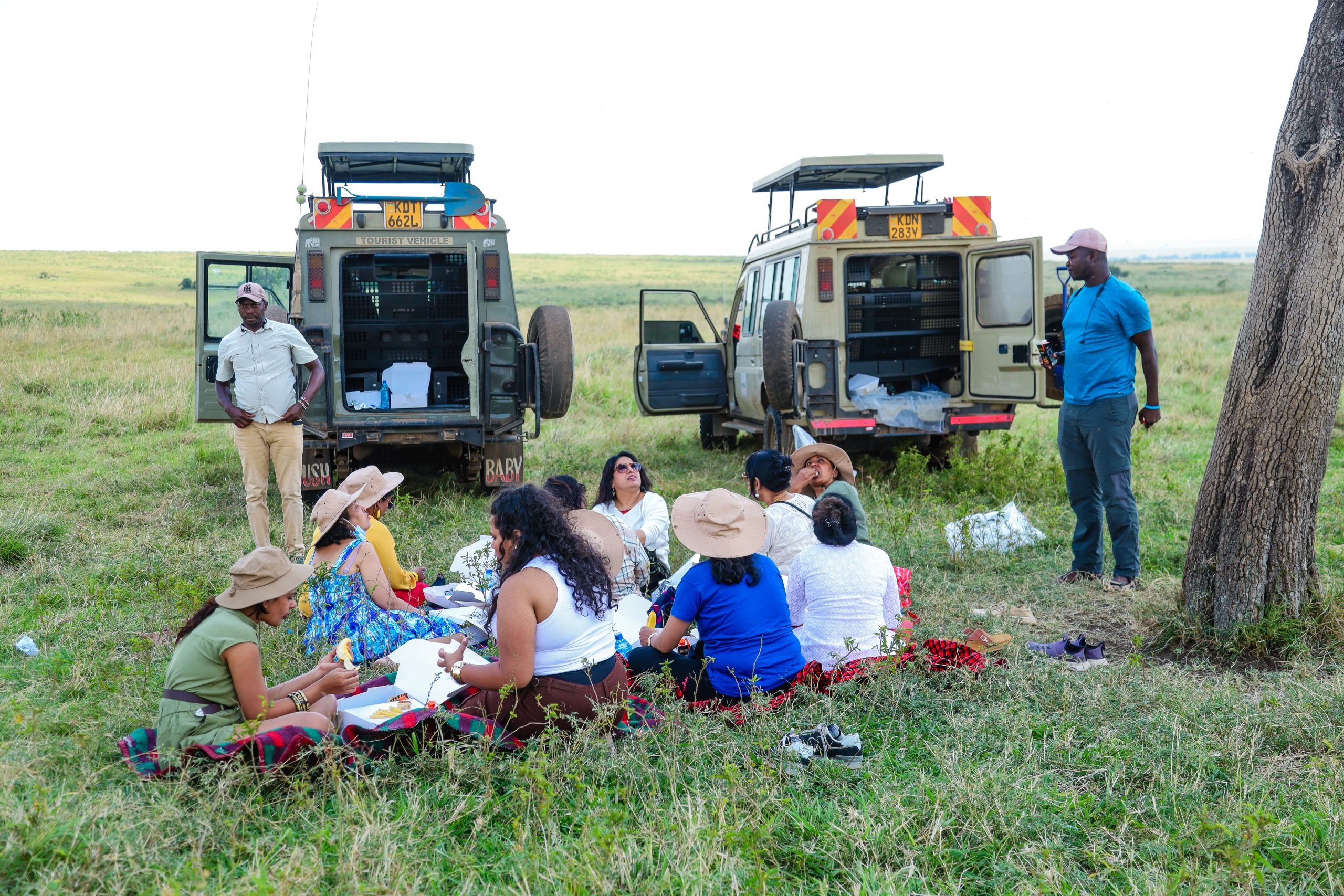
Expert tip from our Nairobi team
Ask every camp for its child policy in writing, activity by activity: shared drives, walks, balloon flights and whether children may eat with adults at dinner. Then plan the first full day lightly. Children who arrive tired after a long journey enjoy the second morning far more if the first afternoon is a short drive and an early night.
Six Things That Make a Masai Mara Family Safari Work
Check Age Policies Camp by Camp, Not Trip by Trip
Camps set their own minimum ages for game drives, walking safaris and hot air balloon flights, and these policies differ, sometimes six years old at one camp and twelve at another for the same activity. Camps such as Entim Mara, Mara Expedition Camp and Cottar's 1920s Camp are known to run stricter limits, so confirm directly with your specific property before booking rather than assuming a family-friendly reputation covers every activity.
A Private Vehicle Solves Most Age Problems
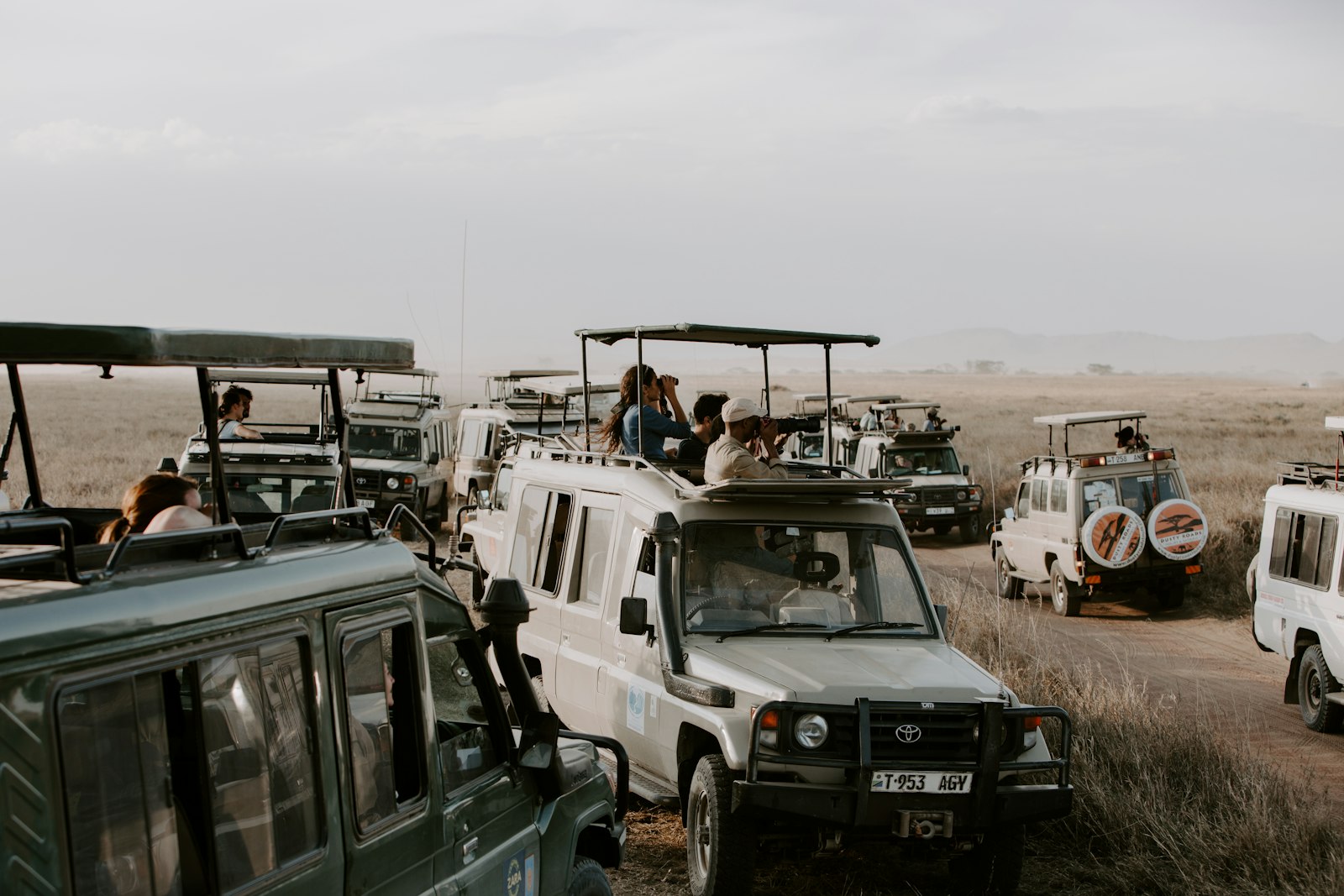
Booking a private vehicle, typically a van or a Land Cruiser with a pop-up roof, rather than a shared game vehicle is the standard way families with younger children work around minimum-age restrictions. It lets you shorten drives, avoid a three-hour stretch without a toilet stop, and turn back early without affecting anyone outside your own group.
Junior Ranger Programmes Add Structure Kids Actually Enjoy
A number of Mara camps run half-day junior ranger or young explorer programmes covering animal tracking, bird identification and basic ecology, often ending with a badge or certificate. These are not offered everywhere, so ask specifically when comparing camps if a structured kids activity matters to your trip, rather than assuming every family-marketed camp includes one.
Cultural Activities Give Kids an Active Role
A Maasai boma visit, a fire-making demonstration, a beadwork session and, at some camps, supervised participation in the traditional jumping dance give children something hands-on rather than passive. That matters on a trip that otherwise revolves around sitting in a vehicle watching animals. Many families find these cultural mornings are what their children remember most vividly afterwards.
A Handful of Camps Are Built for Families
Angama Mara runs flexible programming for children, Mara Intrepids has a dedicated Adventurer's Club, &Beyond Kichwa Tembo runs its WILDchild programme, and Elephant Pepper Camp in Mara North Conservancy and Karen Blixen Camp on the Mara River both offer family tent configurations. Starting your search with camps that already build family logistics into their design saves a lot of back-and-forth. Check current details with each camp, as programmes change.
A Fenced Camp Buys Parents Daytime Freedom
Most Masai Mara camps are deliberately unfenced so wildlife can move through naturally, which means children need supervision or an escort moving around camp, especially after dark. Sarova Mara Game Camp is often cited as one of the few fenced properties inside the reserve itself (confirm the current set-up when you book), and parents travelling with very young children often value the extra freedom that gives during daylight hours.
Choosing a Camp for Your Masai Mara Family Safari
The camp shapes a Masai Mara family safari more than any other choice. Children spend a lot of time in camp between drives, so space, food and safety matter as much as location. Use the questions below to compare properties, then ask us to check the answers for your dates.
Family tents and connecting rooms
Ask whether the camp has a family tent with two bedrooms under one roof, or two tents next to each other. Many parents prefer a shared tent with younger children, because unfenced camps mean children should not walk between tents alone at night. Teenagers usually enjoy their own tent next door.
Masai Mara family safari camps inside or outside the reserve
Camps inside the national reserve put you closest to the action, and drives can be shorter, which suits young children. Conservancy camps such as those in Mara North limit vehicle numbers and can offer guided walks and night drives for older children, subject to camp rules. Our inside or outside the Masai Mara guide compares both options in detail.
Food, pools and down time
Most camps happily prepare simple meals for children, such as pasta, rice and grilled chicken, if you tell them in advance. A swimming pool is a real bonus on hot afternoons between drives. Ask about early dinners, as many camps serve dinner late, which is hard for tired children.
Family-friendly properties we often suggest include Sarova Mara Game Camp, &Beyond Kichwa Tembo and Angama Mara. Our Masai Mara camps and lodges guide covers more properties beyond this shortlist.
Help Us Pick the Right Family Camp
Tell us your children's ages, your budget and whether you would like a pool or a family tent. We will shortlist camps for your Masai Mara family safari and confirm their child policies in writing.
A Day on a Masai Mara Family Safari
A good day on a Masai Mara family safari is built around short, focused drives and plenty of rest. Here is the rhythm we plan for most families with children aged six to twelve.
- Early morning: a hot drink and a snack, then a two to three hour drive while animals are most active and the air is cool.
- Late morning: back to camp for a proper breakfast or brunch, then swimming, games or a nap.
- Afternoon: a kids' activity, such as a junior ranger session, beadwork or a visit to a Maasai village.
- Late afternoon: a shorter drive of about two hours, ending with a sundowner and the sunset.
- Evening: an early dinner, stories around the campfire and an escort back to your tent.
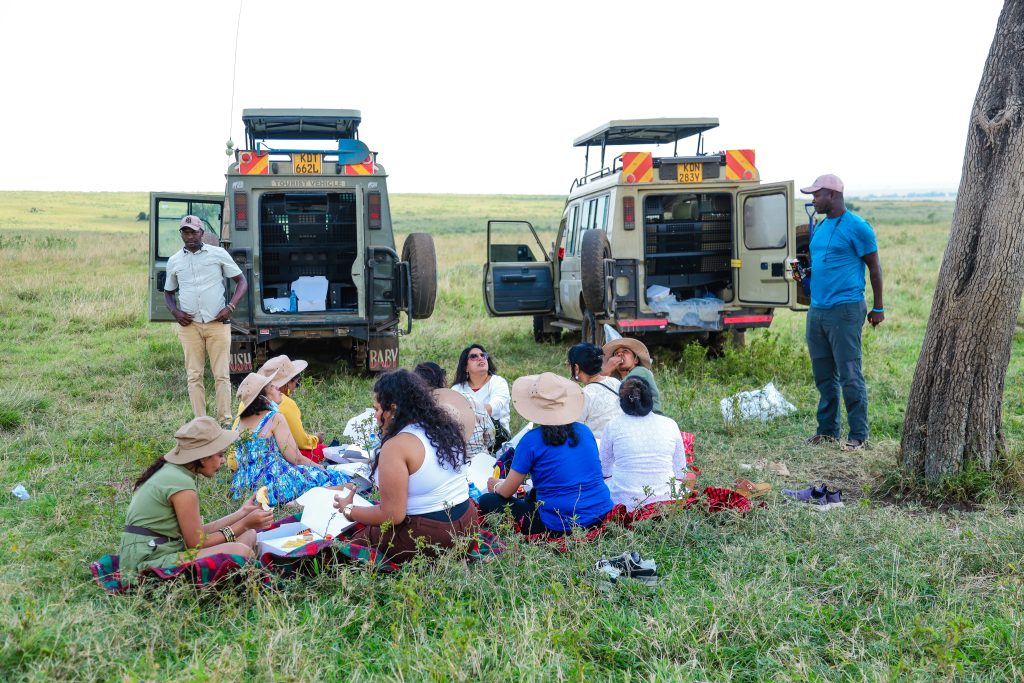
On a Masai Mara family safari, older children and teenagers often manage longer drives, and some love a full day out with a picnic lunch on the plains. On a private vehicle you can change the plan each morning depending on how everyone feels.

Best Time for a Masai Mara Family Safari
Wildlife is good in the Mara all year, so the best time for a Masai Mara family safari often depends on your school holidays. The table below shows how each season works for a Masai Mara family safari.
| Months | What to expect | Family notes |
|---|---|---|
| July to October | Great Migration, river crossings, dry weather | Matches summer holidays; book early, as family tents fill first |
| November to mid-December | Short rains, green plains, fewer vehicles | Quieter and good value; afternoon showers are usually brief |
| Mid-December to March | Dry, warm, many young animals | Christmas and February half-term work well; baby animals delight children |
| April to June | Long rains, very green, fewest visitors | Easter can be wet; some camps close in April and May |
Park fees also change with the season. In recent seasons the Masai Mara National Reserve has charged non-resident adults USD 100 per day from January to June and USD 200 from July to December, with lower rates for children; check the latest rates with the Mara Conservancy or our Kenya park fees guide. On our packages, park fees are included. See our Kenya weather by month guide and Great Migration safari guide for more detail on timing.
Getting to the Mara With Children
How you travel matters more on a Masai Mara family safari than on an adults-only trip. There are two main options, and each suits different families.
Flying in
A light aircraft from Wilson Airport in Nairobi reaches the Mara airstrips in about 45 to 60 minutes. It is the easiest way to start a Masai Mara family safari with young children, as it turns a long road day into a short flight. Luggage is usually limited to about 15 kg per person in soft bags, so pack light.
Driving by road
The road from Nairobi takes about five to six hours, with a stop at the Great Rift Valley viewpoint and usually a lunch break. Many families break the journey with a night at Lake Naivasha, which our 5-day family package does. Older children often enjoy the drive, as wildlife viewing can start before you reach the gate.
Read our Nairobi to Masai Mara distance guide for the full comparison of road and air.
How Much Does a Masai Mara Family Safari Cost?
The cost of a Masai Mara family safari depends on the season, the camp style and how many nights you stay. As a guide, here are our trips that include a Masai Mara family safari:
- 5-day Kenya family safari: Nairobi, Lake Naivasha and the Masai Mara, from USD 1,290.
- 7-day family luxury safari: Amboseli, Lake Naivasha and the Mara in family-friendly camps, from USD 4,200.
If you would like a beach finish without the Mara, our 8-day family safari and beach holiday covers Tsavo, Amboseli and Diani from USD 1,950 per adult. Prices vary by date and group size, so ask us for a written quote with child rates included.
Ways to keep Masai Mara family safari costs down
Travel between January and June, when Mara park fees are lower. Choose a mid-range camp with a family tent rather than two luxury tents. Share a private vehicle across the whole family rather than paying for two. Our Kenya family safari packages page compares more options.
Get a Written Family Quote With Child Rates
Family tents and private vehicles in the school holidays are often the first to go. Send us your dates and we will quote your Mara trip with child rates and park fees included.
Quote Our Family DatesHealth, Safety and Packing for Kids
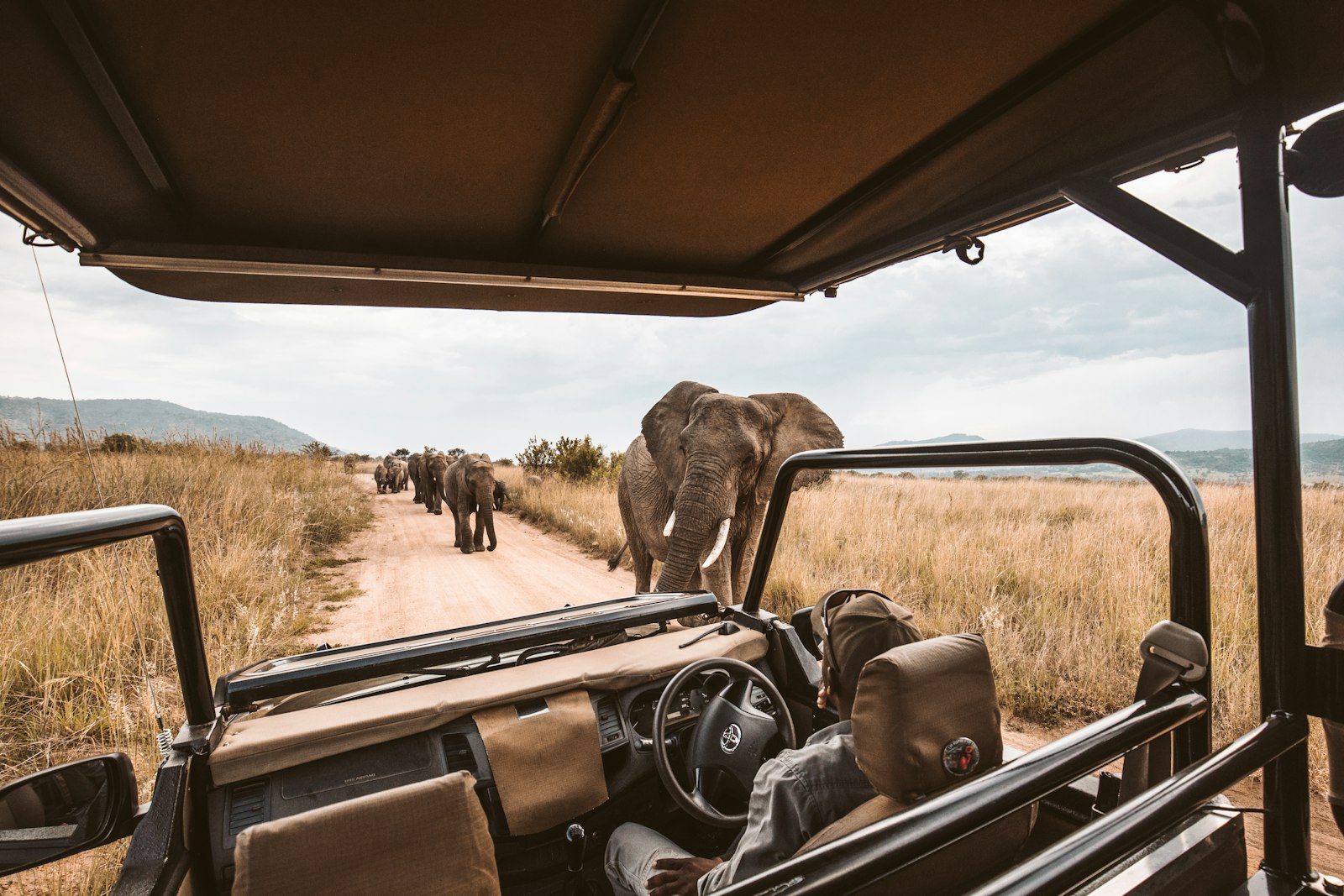
Safety is the first question most parents ask about a Masai Mara family safari, and good planning answers most worries. Guides know how animals behave and keep a safe distance, and children stay seated inside the vehicle at all times.
Health on a Masai Mara family safari
The Mara is a malaria area, so speak to your doctor or travel clinic about suitable antimalarials for each child's age and weight. Use repellent, cover arms and legs at dusk and sleep under the nets provided. Check vaccination advice before you go, using our malaria guide and the GOV.UK travel advice for Kenya.
Packing list for a Masai Mara family safari
- Neutral-coloured clothes in layers, as early mornings are cold and middays are hot.
- A warm fleece and a hat for each child.
- Child-sized binoculars and a simple animal checklist.
- Snacks, refillable water bottles and wet wipes for drives.
- Sun cream, repellent and any regular medicines.
- A tablet or book for rest time in camp.
Our what to pack for the Masai Mara guide has a full list for adults too.
Masai Mara Family Safari Facts at a Glance
- Typical minimum age: 6 to 8 years old for standard shared game drives, varying by camp from as young as 5 to as strict as 12.
- Workaround for younger kids: booking a private vehicle rather than a shared one.
- Kids programmes: junior ranger and young explorer activities are offered at select camps, not universally.
- Cultural add-ons: boma visits, fire-making, beadwork and supervised dance participation.
- Family-strong camps: Angama Mara, Mara Intrepids, &Beyond Kichwa Tembo, Elephant Pepper Camp and Karen Blixen Camp are often recommended.
- Fenced option: Sarova Mara Game Camp is one of the few fenced properties inside the reserve, useful for families with very young children.
Round Out a Family Trip With the Right Activities
A Masai Mara family safari works best when it mixes game drives with lower-key, kid-friendly activities rather than back-to-back drives. Our Maasai village visit guide explains what a cultural morning actually involves, and our Masai Mara bucket list guide lists other experiences worth adding for older children.
Before or after the Mara, Nairobi has some of the best family stops in Kenya. The Giraffe Centre lets children feed endangered Rothschild's giraffes, and the Sheldrick Wildlife Trust elephant orphanage shows baby elephants at feeding time. For more ideas, read our Kenya safari for families guide.
Our Top Tips for a Happy Masai Mara Family Safari
- Plan around the youngest child, not the oldest, for drive length and daily rhythm.
- Book a private vehicle so you set the pace and can stop whenever you need.
- Confirm age rules in writing for every camp and every activity, including balloons and walks.
- Fly in with small children to save a long road day, or break the drive at Naivasha.
- Stay at least three nights so each day can be relaxed rather than rushed.
- Give children a job, such as spotting animals on a checklist or taking photos.
- Book early for school holidays, as the best family tents go first.
These tips apply to almost every Masai Mara family safari we plan, whatever the children's ages. For official information on Kenya's parks and wildlife, visit Magical Kenya, the national tourism board.
Masai Mara Family Safari FAQs
What is the minimum age for a Masai Mara family safari?
Most Masai Mara camps accept children from about six to eight years old on shared game drives, but policies range from around five to twelve depending on the camp and the activity. Walking safaris and balloon flights usually have higher limits. Always confirm the rule in writing with your chosen camp before paying a deposit.
Can babies or toddlers go on a Masai Mara safari?
Yes, at some camps. Families with babies or toddlers usually book a private vehicle so drives can be short and flexible, and choose a camp that accepts very young children. Policies differ widely and change, so we check each camp for your dates and take medical advice on malaria before you travel.
Should we book a private vehicle for a Masai Mara family safari?
For most families, yes. A private vehicle lets you control drive length, timing and toilet stops without affecting other guests, and it is often the only way younger children can join game drives. It also means you can end a drive early when a child gets tired, hungry or simply needs a break.
What activities are there for kids on a Masai Mara safari?
Beyond game drives, many camps offer junior ranger or young explorer sessions on tracking and ecology, plus Maasai cultural mornings with beadwork, fire-making and a village visit. Swimming pools help on hot afternoons. Programmes vary by camp and season, so ask specifically when comparing properties for your Masai Mara family safari.
How many days should a Masai Mara family safari be?
Three nights in the Mara suits most families, allowing short morning and afternoon drives with rest in between. Two nights is the minimum worth the journey. With younger children, flying in or adding a night at Lake Naivasha on the way breaks up the road trip from Nairobi and keeps everyone in good spirits.
Is the Masai Mara safe for children?
Yes, with sensible rules. Children stay seated inside the vehicle on drives, and in unfenced camps they are escorted between tents after dark. Guides keep a safe distance from animals. Speak to your doctor about malaria prevention for each child, and use repellent, long sleeves and bed nets in the evenings.
When is the best time for a Masai Mara family safari?
July to October brings the Great Migration and matches northern summer holidays, but family tents book early. Mid-December to March is dry, warm and full of young animals, which children love. April and May are the long rains, when some camps close. Park fees have been lower from January to June.
Give Your Children Their First Lion Sighting
Our Nairobi team plans every Masai Mara family safari around your youngest traveller: the right camp, a private vehicle, kids' activities and a pace that keeps everyone smiling.
Kenya-based experts. Real local knowledge. Transparent pricing.