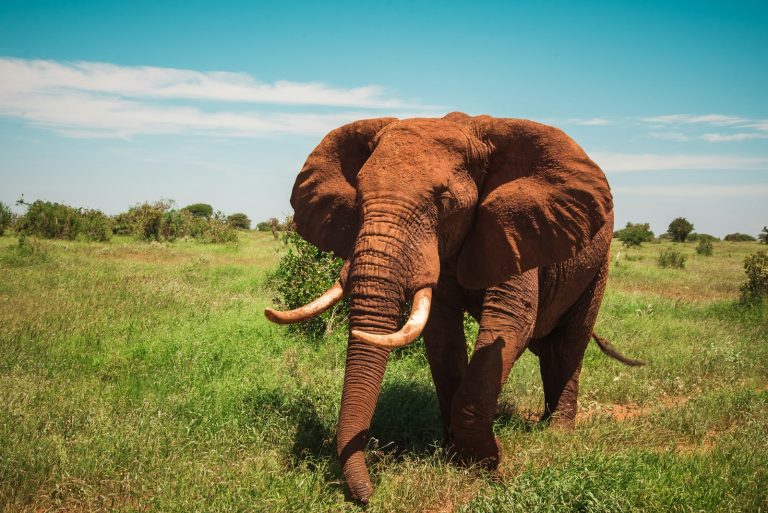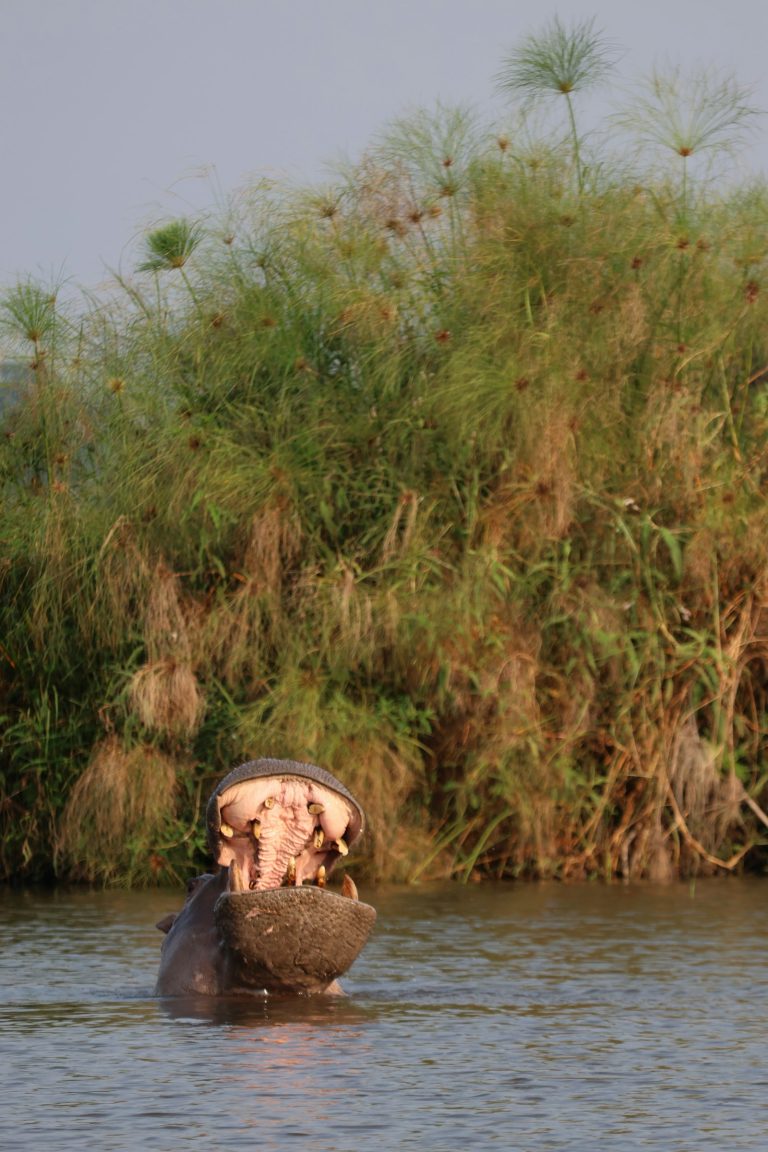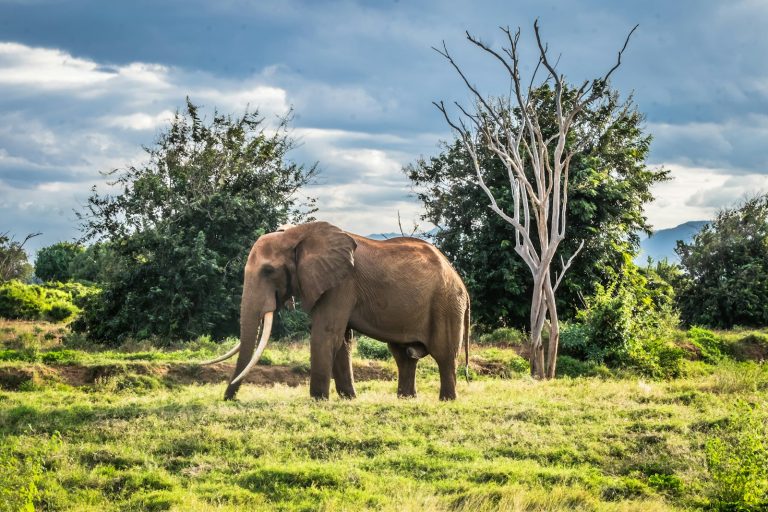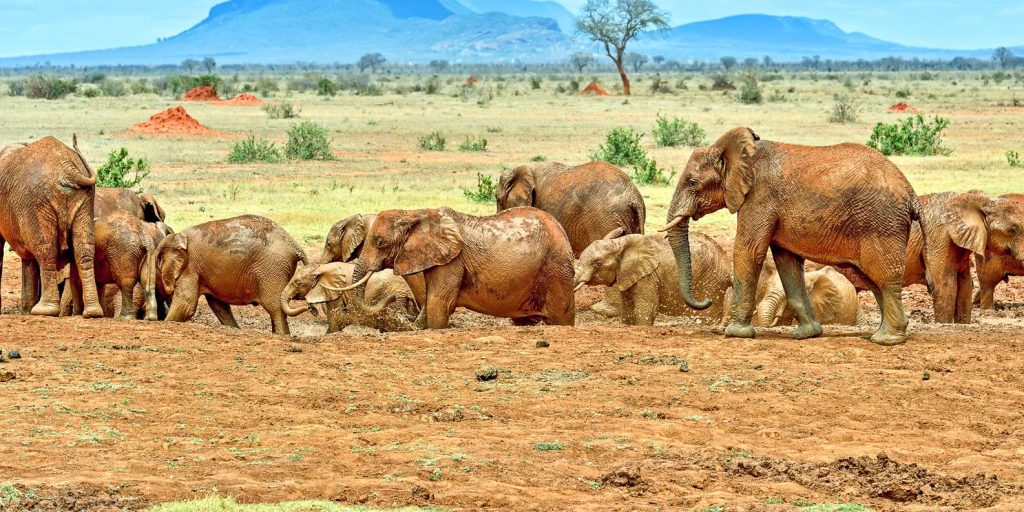
Taita Hills Wildlife Sanctuary is a private 28,000-acre (about 110 km²) conservancy beside Tsavo West, established in 1972. It is home to Salt Lick Safari Lodge, whose stilted rooms overlook a floodlit waterhole where elephants drink after dark. It works best as one memorable night within a wider Tsavo safari.
Most Tsavo-bound travellers drive straight past it without realising it exists. This is not a national park experience; it is closer to watching wildlife from inside a treehouse village. Elephants can drink a short distance from your balcony after dark, and buffalo sometimes pass beneath the raised walkways. We are Sense of Adventure, a TRA-licensed safari operator based at Mountain Mall on Thika Road in Nairobi. We treat the Taita Hills Wildlife Sanctuary as a genuine complement to a Tsavo safari, not a replacement for it, and this guide explains what it is, how to get there and how to fit it into your trip.
✅ Taita Hills Wildlife Sanctuary: Quick Answer
- What it is: a privately run wildlife sanctuary beside Tsavo West, not part of the national park.
- Where: at the foot of the Taita Hills, west of Voi, on the road towards Taveta.
- Famous for: Salt Lick’s stilted rooms and floodlit waterhole, with elephants and buffalo after dark.
- Best use: one night between game drives in Tsavo East or Tsavo West.
- From the coast: an easy overnight from Mombasa or Diani; our 2-day trip starts from USD 420 per person.
- Best months: the dry seasons, roughly late June to October and January to February.
- Fees: the sanctuary has its own entry charges, separate from Kenya Wildlife Service park fees; our packages include them.
Thinking of adding a night at the Taita Hills Wildlife Sanctuary? Tell us your Tsavo dates and we will check the fit.
Add a Taita Hills NightWhat Is the Taita Hills Wildlife Sanctuary?
The Taita Hills Wildlife Sanctuary is a privately managed conservation area in Taita-Taveta County, south-east Kenya. It is usually said to have opened in 1972 and is widely quoted at around 28,000 acres, or roughly 110 km². The sanctuary’s own website lists two properties, Salt Lick Safari Lodge, with 96 rooms raised on stilts, and Taita Hills Safari Resort & Spa, and the sanctuary has its own game drive tracks, waterholes, rangers and a First World War museum. You can read more on the official Taita Hills Wildlife Sanctuary website.
Because it lies outside the national park boundary, the Taita Hills Wildlife Sanctuary is not managed by the Kenya Wildlife Service, and it charges its own conservation fees. Wildlife moves freely between the sanctuary and the wider Tsavo ecosystem, so the animals you see here are wild, even if some are more relaxed around vehicles than in the remote corners of Tsavo.
A Private Corridor Beside Tsavo West
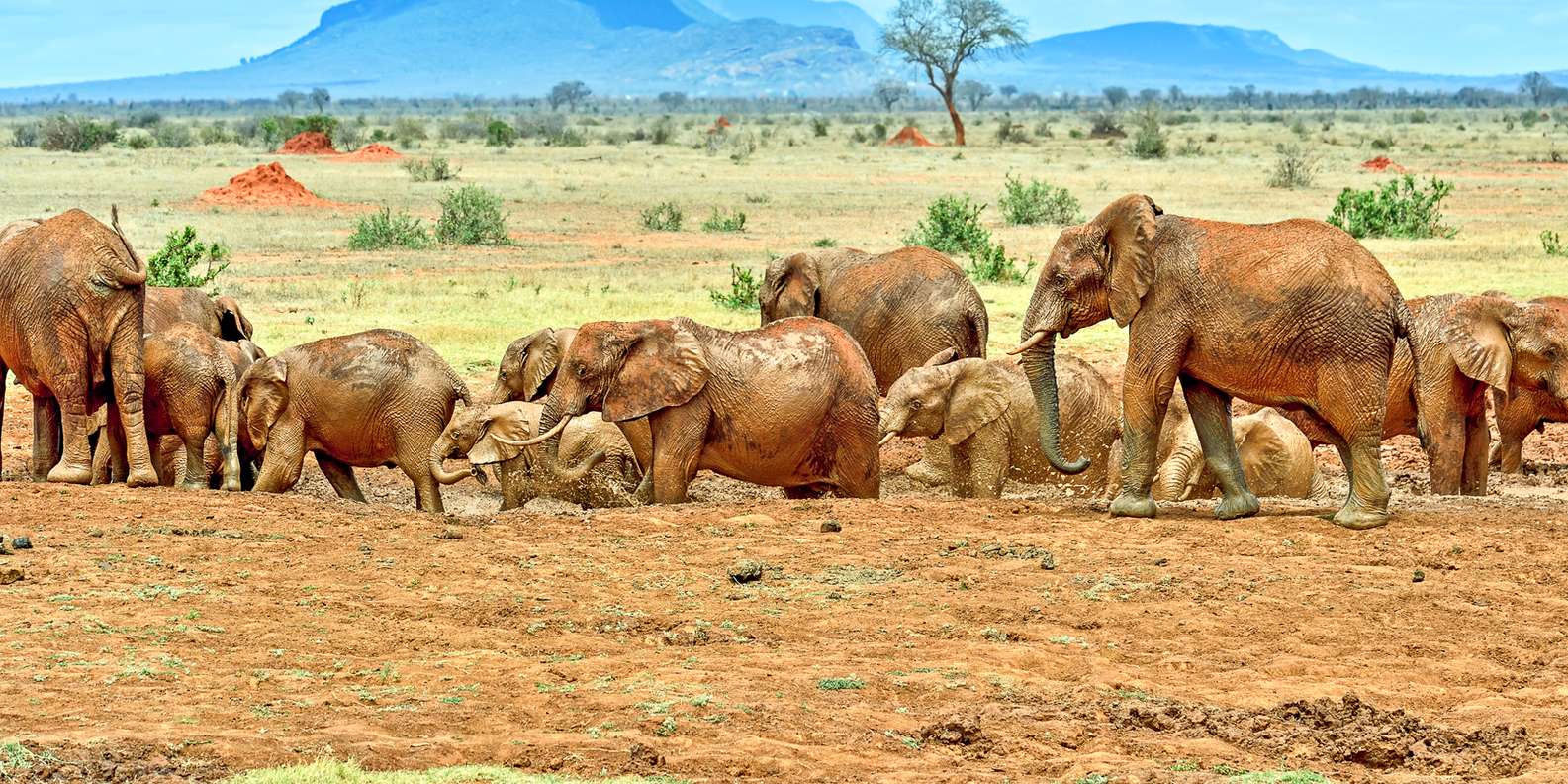
The sanctuary sits in the gap between Tsavo West and the Taita Hills, an area where wildlife disperses outside the national park boundaries. By protecting this land, the Taita Hills Wildlife Sanctuary helps keep space open for elephants, buffalo and plains game that wander between the parks and the surrounding ranches and community land.
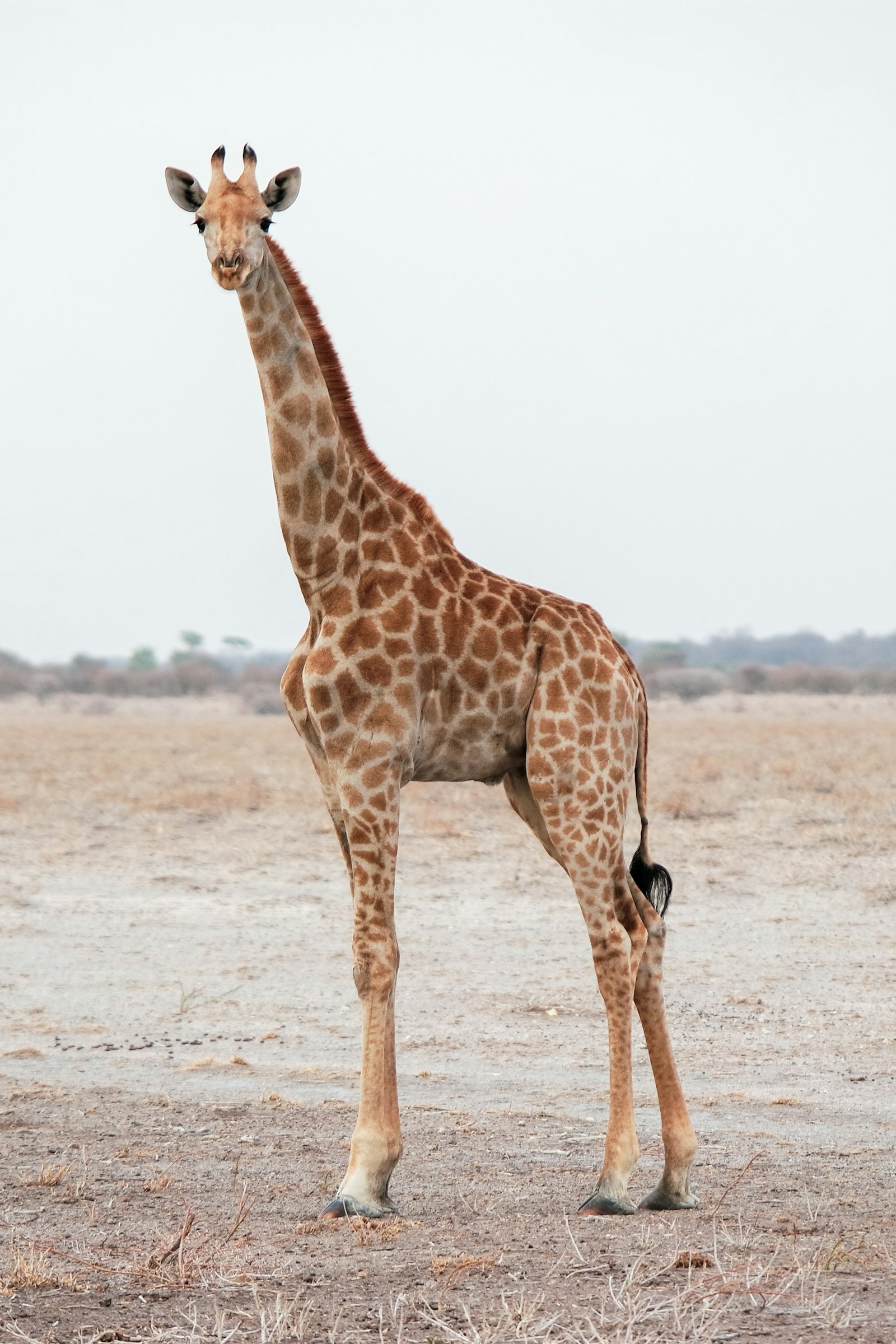
Mammals here include elephant, buffalo, giraffe, zebra, impala and other antelope, with lion and other predators seen from time to time. Birdlife is also rich, as the sanctuary sits between dry bush and the greener slopes of the Taita Hills. Wildlife numbers and sightings vary with the season, so treat any particular species as a bonus rather than a promise.
Sanctuary vs national park at a glance
The quickest way to understand the sanctuary is to compare it with the Tsavo West National Park next door.
| Factor | Taita Hills Wildlife Sanctuary | Tsavo West National Park |
|---|---|---|
| Managed by | Private sanctuary | Kenya Wildlife Service |
| Size | About 110 km² (28,000 acres) | About 9,065 km² |
| Entry fees | Own sanctuary charges | KWS fees, USD 80 per non-resident adult under the October 2025 tariff (subject to a court challenge) |
| Signature experience | Floodlit waterhole and stilted rooms at Salt Lick | Mzima Springs, lava flows and big-wilderness drives |
| Ideal stay | One night | Two nights or more |
7 Things to Know About Taita Hills & Salt Lick
What Taita Hills Wildlife Sanctuary Actually Is
The Taita Hills Wildlife Sanctuary is a privately run conservancy beside Tsavo West, usually described as around 28,000 acres and dating from the early 1970s. It is not a national park and is not managed by Kenya Wildlife Service, which is why its lodges, fees and rules differ from those inside Tsavo itself.
Salt Lick Safari Lodge’s Stilted Design
Salt Lick is known for its round, stilted rooms linked by raised walkways, which put guests above the bush and overlooking the waterhole. The design lets wildlife move freely underneath and around the lodge, so it feels less like a hotel with a view and more like a village built into the animals’ daily routine.
The Floodlit Waterhole and Ground-Level Hide
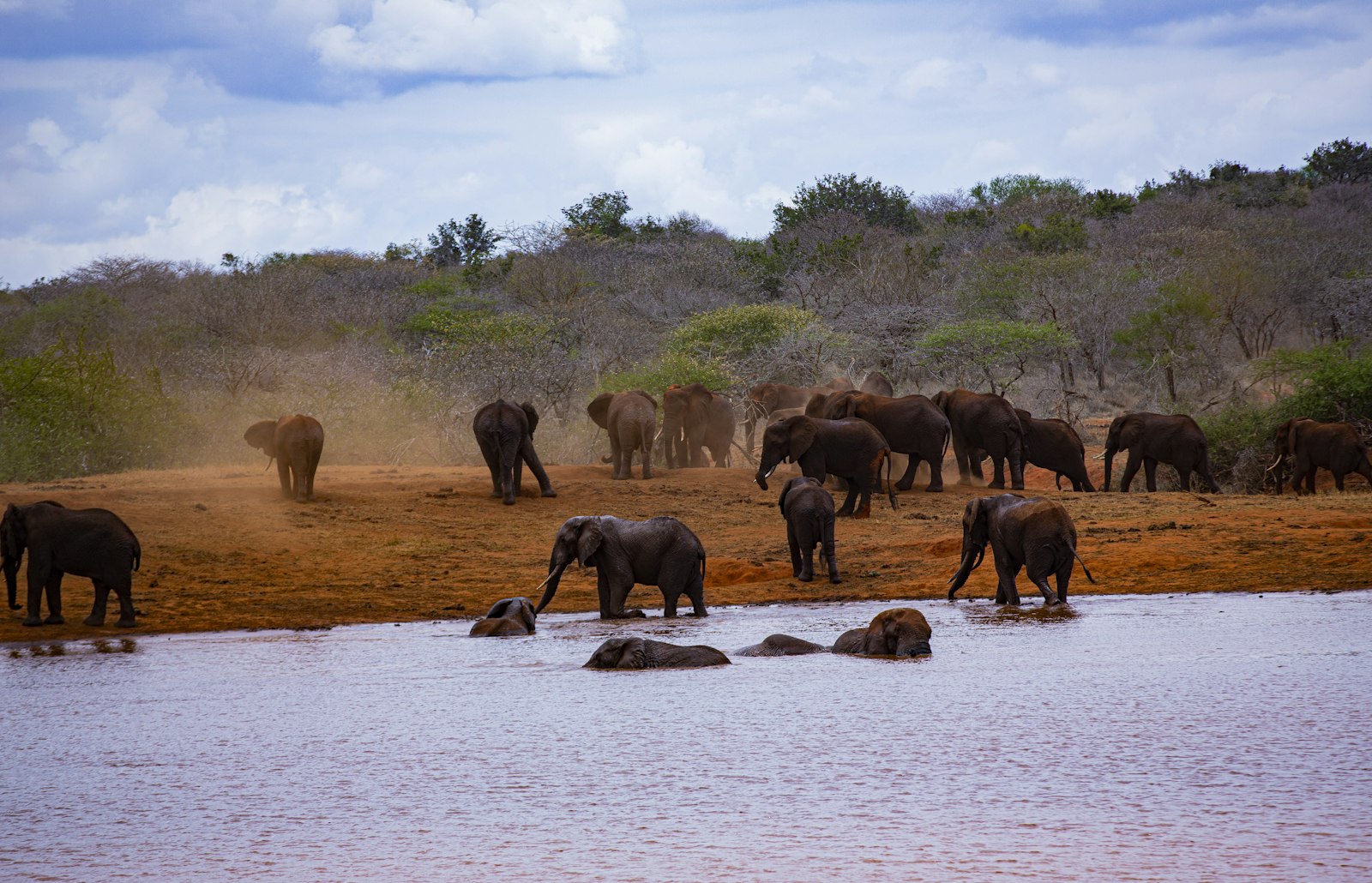
The lodge’s central waterhole is lit at night, drawing elephant, buffalo and antelope into view from the terraces without a game drive. An underground passage leads to a hide close to the water, giving an eye-level view of the same animals you watch from above. Visiting animals vary from night to night.
A Wildlife Corridor, Not Just a Lodge Location
Beyond the lodges, the Taita Hills Wildlife Sanctuary protects land where animals move between Tsavo West and the surrounding area. Herds that spend part of the year in the national park can pass through on their seasonal movements, so private conservation here adds to what the park boundaries alone protect.
Getting There: West of Voi on the Taveta Road
The sanctuary lies west of Voi, on the road towards Taveta and the Tanzanian border. From Mombasa or Diani it is a manageable drive of a few hours, which is why it pairs so well with a coast holiday. From Nairobi, it fits best as part of a longer route through Tsavo. The sanctuary also has an airstrip used by charter flights.
A Complement to Tsavo, Not a Replacement
A night at the Taita Hills Wildlife Sanctuary does not replace game drives in Tsavo East or Tsavo West. The private land is smaller, and some animals are more used to vehicles than in the wilder national parks. It works best as a contrast: daytime drives through big wilderness, then an evening watching a floodlit waterhole.
Combining Taita Hills With a Tsavo Itinerary
Because the sanctuary lies close to both Tsavo parks and within reach of the coast, it slots naturally into a multi-day Tsavo trip as a stopover night rather than a separate journey. Sense of Adventure can add it to most Tsavo routes, and our 2-day Tsavo and Taita Hills safari from Mombasa is built around it.
A Typical Evening and Morning at the Sanctuary
Most guests arrive in the afternoon after a game drive in Tsavo East or Tsavo West. Check-in is followed by tea on the terrace, and as the light fades the waterhole becomes the centre of attention. Elephants often arrive in family groups, buffalo drift in from the bush, and smaller visitors such as antelope or warthog may come and go between them.
After dinner, many guests head to the hide or sit quietly on their balcony, listening to the sounds of animals drinking below. Early the next morning, a sunrise drive explores the open plains and the foot of the hills while the air is still cool. You are usually back at the lodge for a late breakfast before continuing your journey.
Expert tip from our Nairobi team: plan to reach the sanctuary by mid-afternoon rather than at dusk. You will have time to check in and settle on your balcony before the busiest hours at the waterhole, and you avoid driving the last stretch in fading light.
Photography tips for the floodlit waterhole
Low light is the main challenge after dark. Use a fast lens if you have one, raise your ISO, and steady the camera on the balcony rail or a small beanbag. Avoid flash, which disturbs the animals and rarely improves the picture. During the day, a lens of 200 to 400 mm suits most wildlife on the game drives, while a wide lens helps capture the hills and big skies.
Salt Lick Night or Another Tsavo Lodge?
Tell us what matters most, waterhole views, game drives or travel time, and we will tell you honestly whether the Taita Hills Wildlife Sanctuary is the right stop for your route.
Compare My Lodge OptionsWhere to Stay in the Taita Hills Wildlife Sanctuary
Two lodges operate within the Taita Hills Wildlife Sanctuary, and they suit slightly different travellers. Salt Lick is the iconic choice for wildlife from your room, while Taita Hills Safari Resort & Spa is a more traditional lodge. Exact room types, facilities and rates change, so we confirm details at the time of booking.
Salt Lick lodge in the Taita Hills Wildlife Sanctuary
Choose Salt Lick if you want the stilted rooms, raised walkways and the floodlit waterhole. It is ideal for families, first-time safari guests and anyone who enjoys watching animals in the evening without heading out on a drive. Bring binoculars for the terrace and a torch for the walkways.
Taita Hills Safari Resort & Spa
Taita Hills Safari Resort & Spa is often used as a base for game drives across the sanctuary and nearby areas. It suits travellers who prefer a conventional lodge layout. Our Tsavo lodges & camps guide compares both with options inside the national parks, and our guide to Tsavo West luxury lodges covers higher-end stays nearby.
How to Get to the Taita Hills Wildlife Sanctuary
Most guests reach the Taita Hills Wildlife Sanctuary by road. From the coast, you drive inland on the Mombasa to Nairobi highway towards Voi, then turn west towards Taveta. From Nairobi, the sanctuary is best visited as part of a route that also includes Tsavo West or Tsavo East, rather than as a single long drive. The Madaraka Express train to Voi is another option, with a road transfer from the station.
Charter flights can land at the sanctuary’s airstrip, which suits travellers short on time, though flights add cost. Our Tsavo National Park location guide explains the main roads, gates and train links in more detail.
Taita Hills Wildlife Sanctuary from Mombasa or Diani
From the coast, an overnight trip works well: a game drive in Tsavo East on the way, a night at the sanctuary and a sunrise drive before returning to the beach. That is exactly the shape of our 2-day Tsavo and Taita Hills safari from Mombasa, which starts from USD 420 per person and includes park and sanctuary entry fees, a lodge night and hotel transfers.
Taita Hills Wildlife Sanctuary Packages and Costs
Every Sense of Adventure Tsavo package includes park entry, and the 2-day Taita Hills trip also includes sanctuary entry, so you can compare whole-trip prices rather than adding up fees yourself. Current packages on our site include:
- Tsavo East day safari from Mombasa and Diani, from USD 230 per person.
- 2-day Tsavo and Taita Hills safari from Mombasa, from USD 420 per person.
- Tsavo East & West Safari (3 Days), from USD 600 per person.
- Tsavo and Amboseli safari from Mombasa (4 days), from USD 1,050 per person.
Prices depend on dates, group size and lodge choice, so we confirm a written quote for your exact trip. On longer trips, we can add a Taita Hills Wildlife Sanctuary night on request. If you are planning independently, our Tsavo entrance fees guide explains the national park rates, which are separate from sanctuary charges.
Best Time to Visit the Taita Hills Wildlife Sanctuary
The dry seasons, roughly late June to October and January to February, are best. Water is scarce, so animals gather at the sanctuary’s waterholes, including the floodlit one at Salt Lick, and the thinner bush makes them easier to see. These are also the busiest months, so book early if you have fixed dates.
The green months, from March to May and in November and December, bring fresh scenery, fewer visitors and excellent birding, though animals spread out and some tracks become muddy. Our best time to visit Tsavo guide covers each month, and Kenya weather by month gives the wider picture.
Hold Your Dates for Tsavo and Taita Hills
Send your travel dates and group size, and we will reply with a written quote that includes park and sanctuary fees, your lodge night, vehicle and guide.
Taita Hills & Salt Lick at a Glance
- Size: the Taita Hills Wildlife Sanctuary is commonly quoted at around 28,000 acres, dating from the early 1970s.
- Lodges: Salt Lick, with stilted rooms around a floodlit waterhole, and Taita Hills Safari Resort & Spa.
- Wildlife: elephant, buffalo, giraffe, zebra and antelope, with predators seen at times, plus rich birdlife.
- Location: at the foot of the Taita Hills, west of Voi, beside Tsavo West.
- Access: by road from Mombasa or Diani, as part of a Tsavo route from Nairobi, or by charter flight.
- Role: a private wildlife area next to Tsavo, not a substitute for either national park.
Where Taita Hills Fits On a Tsavo Trip
Most travellers experience the Taita Hills Wildlife Sanctuary as one night within a longer Tsavo route rather than a standalone destination. Our Tsavo West attractions guide covers the national park sights nearby, and our Mzima Springs guide details the underwater hippo-viewing chamber in Tsavo West. Our Tsavo lodges & camps guide puts Salt Lick in context against other accommodation.
Deciding how long to stay? Our how many days for Tsavo guide shows how a sanctuary night fits a 2-day, 3-day or 5-day trip. For a longer route, see our Kenya safari and beach holiday ideas or a fully tailored private Kenya safari.
Practical Tips for Visiting the Taita Hills Wildlife Sanctuary
- Arrive before dark so you can settle in and watch the waterhole from the start of the evening.
- Pack binoculars and a torch for the terraces and walkways.
- Bring a warm layer; nights near the hills can be cooler than on the coast.
- Keep noise low on the walkways and in the hide, so animals stay relaxed.
- Ask what fees are included: sanctuary charges are separate from national park fees.
- Plan for malaria, as the area is in a malaria zone, and check the GOV.UK travel advice for Kenya before you go.
- Apply for your eTA on the official Kenya eTA website well before travel.
For more ideas on the wider region, Magical Kenya, the official tourism site, is a useful starting point.
Taita Hills Wildlife Sanctuary FAQs
What is Taita Hills Wildlife Sanctuary?
It is a privately run conservation area of about 28,000 acres beside Tsavo West, established in 1972. It protects land where wildlife moves around the wider Tsavo ecosystem and is home to the stilted Salt Lick Safari Lodge and the Taita Hills Safari Resort and Spa.
Is Salt Lick Safari Lodge inside Tsavo National Park?
No. Salt Lick lies within the privately run Taita Hills Wildlife Sanctuary, next to but separate from Tsavo West National Park. The sanctuary is not managed by Kenya Wildlife Service and charges its own fees, so its rules and costs differ from those inside the national park.
What makes Salt Lick Safari Lodge unique?
Salt Lick has rooms raised on stilts and linked by elevated walkways, overlooking a floodlit waterhole where wildlife drinks after dark. An underground passage also leads to a hide near the water, giving guests both an elevated and an eye-level view of the animals that come to drink.
How do I get to Taita Hills from Mombasa or Nairobi?
From Mombasa or Diani, drive inland towards Voi and then west towards Taveta; an overnight trip works well. From Nairobi, the sanctuary fits best as part of a longer Tsavo route, by road or by Madaraka Express train to Voi. Charter flights can also use the sanctuary airstrip.
Can I combine Taita Hills with a Tsavo safari?
Yes. The sanctuary lies close to both Tsavo parks, so it makes a natural overnight stop rather than a separate trip. Our 2-day Tsavo and Taita Hills safari from Mombasa starts from USD 420 per adult sharing, and we can add a sanctuary night to longer Tsavo itineraries on request.
Is one night at Taita Hills enough?
For most travellers, yes. One night gives you an evening at the floodlit waterhole and a sunrise game drive. Spend the rest of your time in Tsavo East or Tsavo West, where the bigger wilderness and longer game drives are, rather than adding more nights at the sanctuary.
When is the best time to visit the sanctuary?
The dry seasons, from late June to October and from January to February, are best because animals gather at the waterholes and the bush is thinner. The green months are quieter and lush, with good birding, although wildlife spreads out and some tracks can become muddy.
Spend a Night Above the Waterhole
From the red plains of Tsavo East to the stilted rooms of the Taita Hills Wildlife Sanctuary, our team will plan a route that fits your dates and travel style.
Kenya-based experts. Real local knowledge. Transparent pricing.