
Swahili phrases for your Kenya safari are entirely optional — guides, camp staff and lodge teams across Kenya speak fluent English — but a handful of words does something a translation app never will. It signals respect, and it turns a transactional guide relationship into a warmer one. You don’t need fluency, just five or six words used consistently from your first morning to your last.
Practice on WhatsApp Before You Fly
Message us and we’ll share a few more phrases your specific guide team uses — a small touch that means a lot.
Why a Few Swahili Words Go a Long Way
English is spoken fluently by guides, camp staff and lodge reception throughout Kenya, so Swahili is genuinely optional on safari. What it adds instead is warmth: a greeting on the first morning, a genuine “asante” after every good sighting, is what a guide notices and remembers across days of otherwise identical requests from visiting groups. Five or six words, used consistently, do more for the relationship than a perfectly pronounced sentence used once.
Our guide’s face when I said “asante sana” after he spotted a leopard we’d have driven straight past — that’s a moment worth the two minutes it took to learn the word before we flew out.
— Sense of Adventure guest, Masai Mara safari
Essential Swahili Phrases for Your Safari
Jambo / Habari — “Hello” or “how are things?”
“Jambo” is the classic, friendly greeting used with visitors throughout Kenya; “Habari” (literally “news?”) works just as well and often gets a warmer response since it’s what Kenyans actually say to each other.
Asante / Asante Sana — “Thank you” / “thank you very much”
Use it after every good sighting, every meal, every small kindness. It costs nothing and is remembered.
Karibu — “Welcome”
You’ll hear “karibu” dozens of times a day — at camp, at a shop, at a village visit. Reply with “asante” and you’ve completed a small, correct exchange.
Twende — “Let’s go”
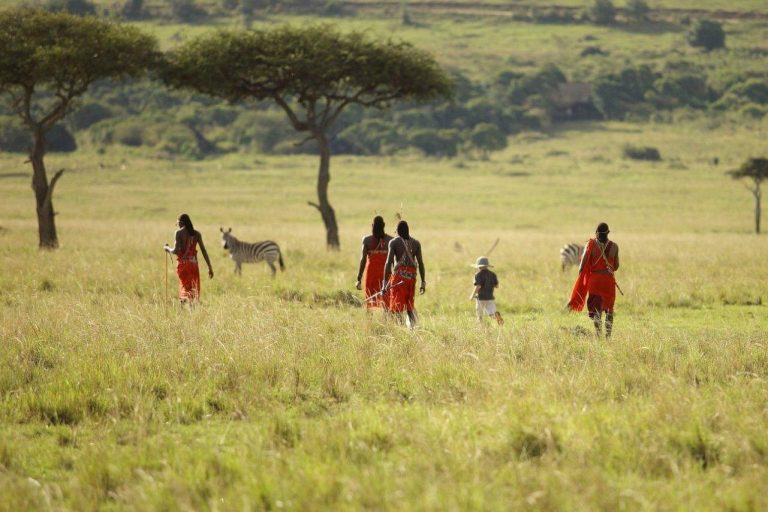
A single word that captures the rhythm of a game drive — watch, then twende, on to whatever’s next.
Tazama! — “Look!”
Guides use this constantly among themselves over the radio; join in and you’ll fit right into the excitement of a good sighting.
Hakuna Matata — “No worries”
Kenyans use it exactly as it sounds — genuine reassurance that something small isn’t a problem, not just a phrase from a film.
Learn the Names of What You’ll See
Message us your travel dates and we’ll pair these phrases with the exact parks you’ll visit.
Big Five (and More) Animal Names in Swahili
- Simba: Lion — the name most visitors already half-know before they arrive.
- Tembo: Elephant.
- Chui: Leopard — the shyest and hardest to spot of the Big Five.
- Mbogo (or Nyati): African buffalo.
- Kifaru: Rhino.
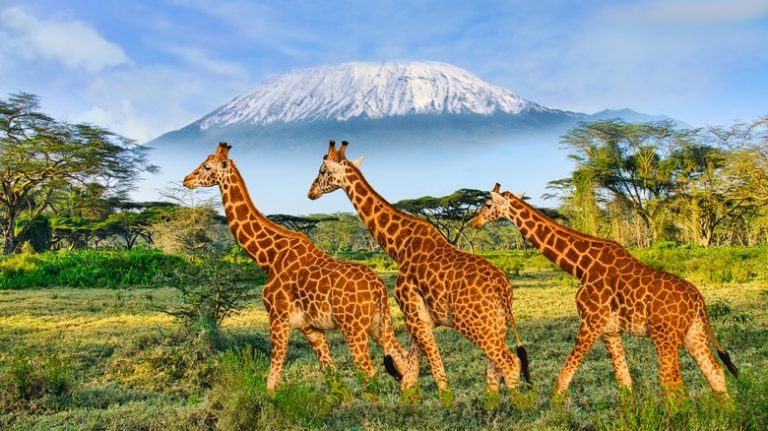
- Duma, Twiga, Kiboko, Punda Milia: Cheetah, giraffe, hippo and zebra — four more names you’ll hear guides use constantly on a game drive.
Put These Phrases to Use
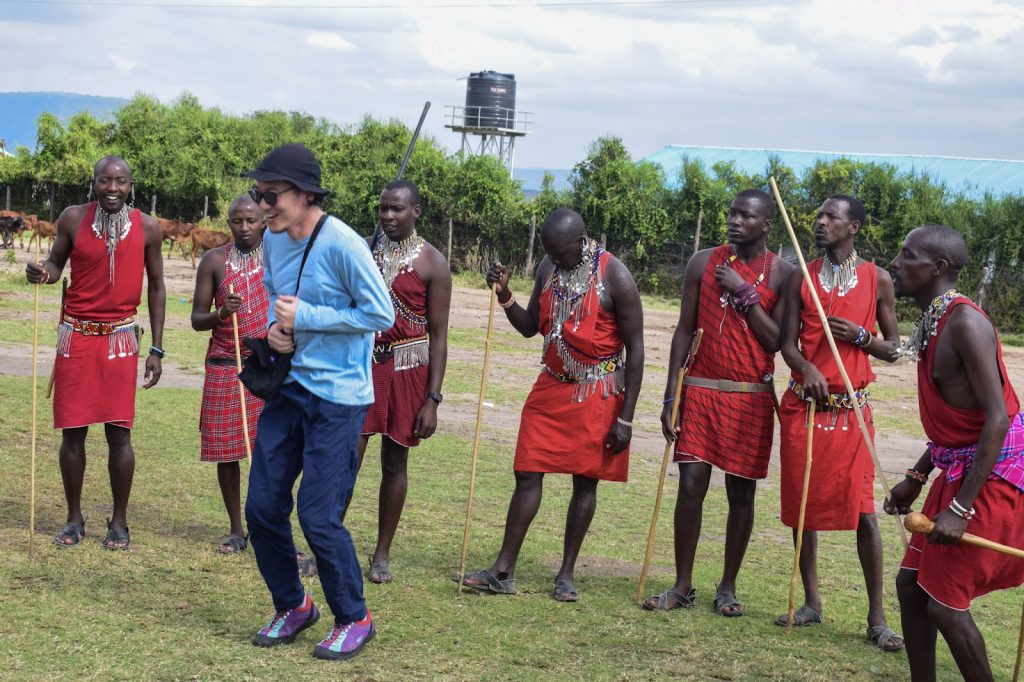
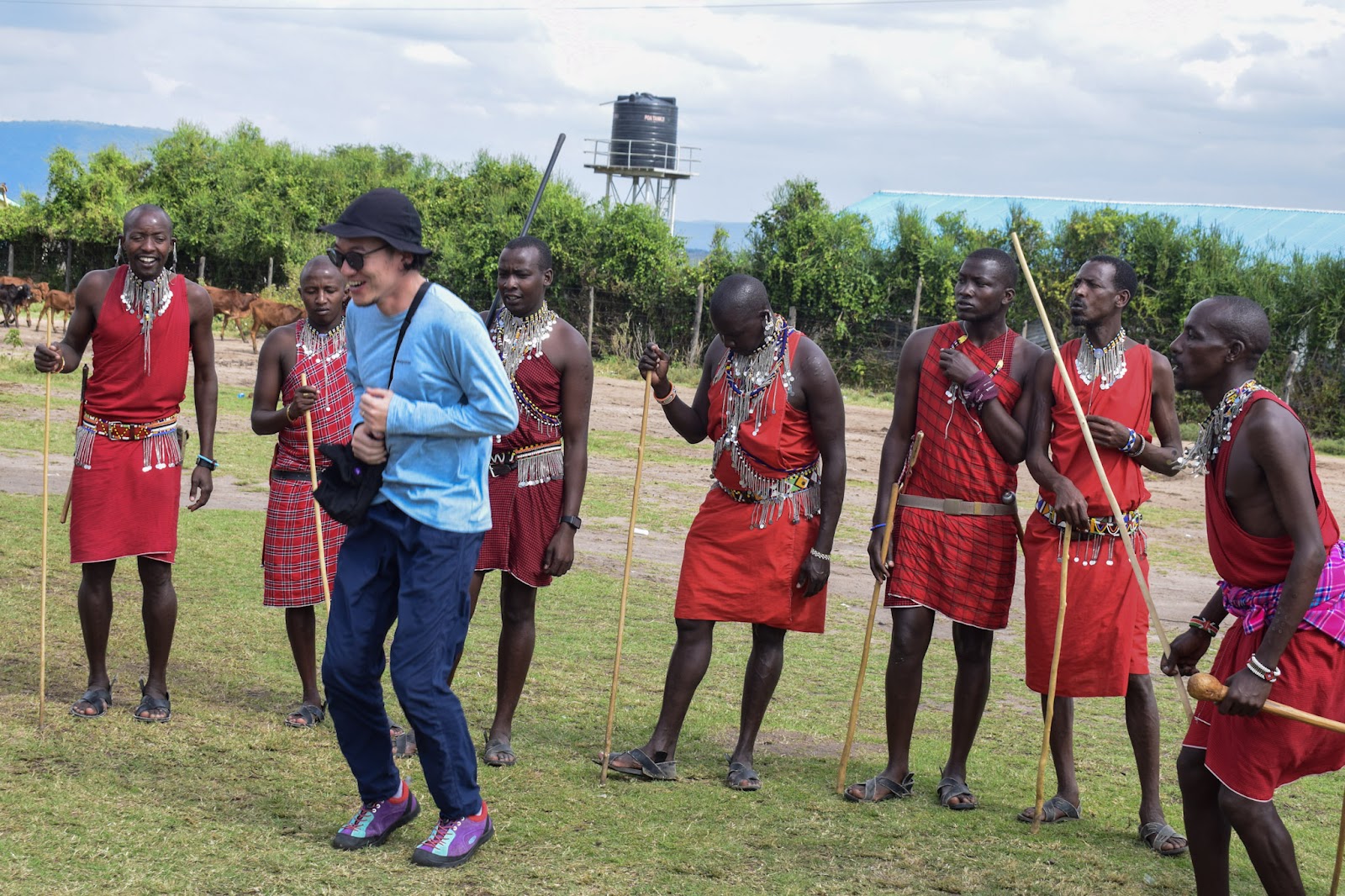
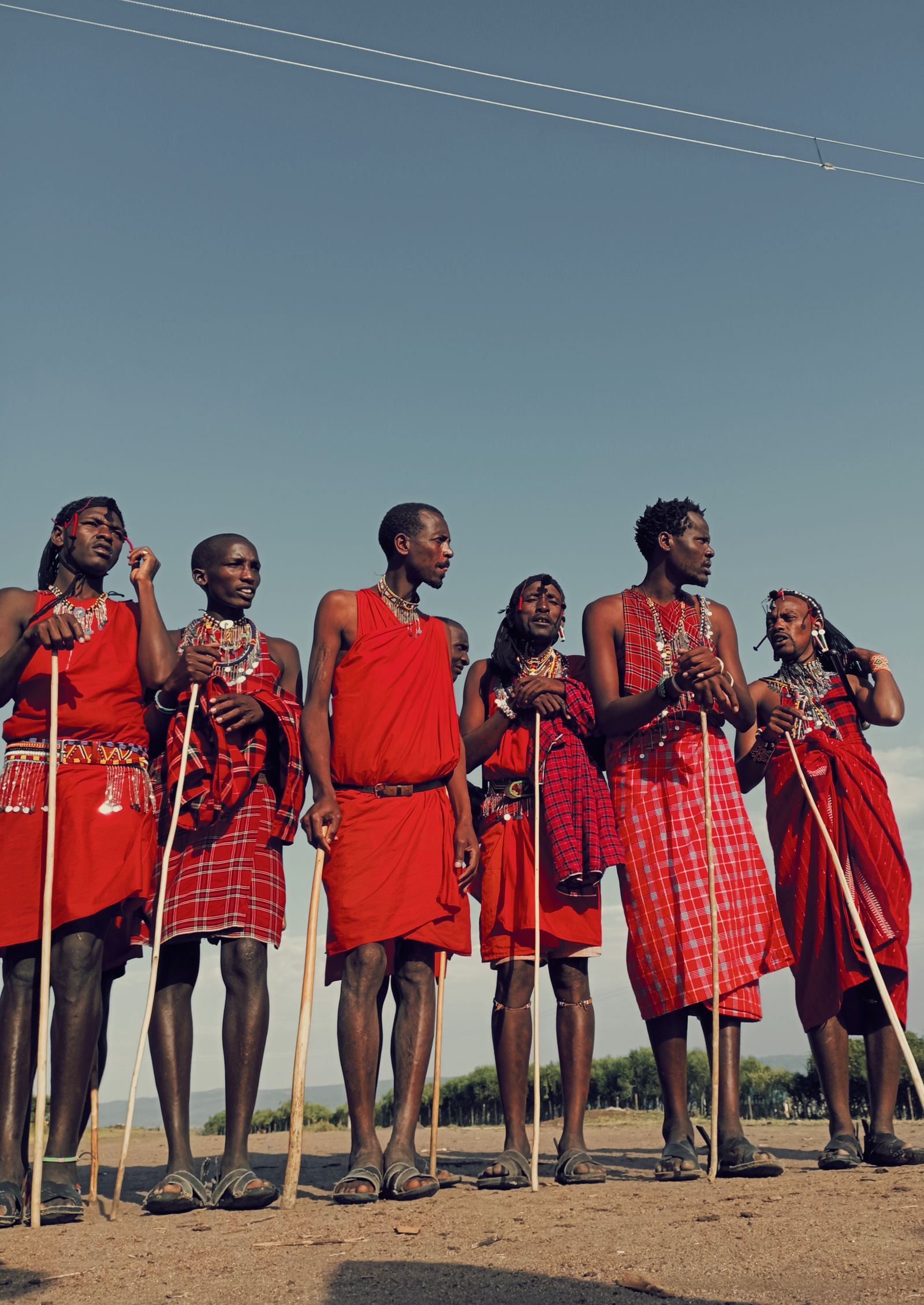
The best place to try these out is on an actual game drive. Our Kenya safari packages put you alongside guides who are always happy to teach a few more words along the way, especially during a Maasai cultural visit where language and tradition go hand in hand.
Ready to Practice in Person?
Message us on WhatsApp and let’s start planning the safari where you’ll actually use these words.
Frequently Asked Questions
Do I need to speak Swahili on a Kenya safari?
No — English is widely spoken by guides, camp staff and lodge teams across Kenya, so Swahili is entirely optional. A handful of words simply adds warmth to the interaction.
What does “Jambo” mean?
“Jambo” is a simple, friendly greeting equivalent to “hello,” commonly used with visitors throughout Kenya.
What is the Swahili word for “thank you”?
“Asante” means thank you, and “asante sana” means thank you very much — arguably the single most useful phrase to know on any game drive.
What are the Big Five called in Swahili?
Simba (lion), tembo (elephant), chui (leopard), mbogo or nyati (buffalo), and kifaru (rhino).
Is “Hakuna Matata” actually used in Kenya?
Yes — it’s a genuine, commonly used Swahili phrase meaning “no worries,” not just a phrase from popular culture.