
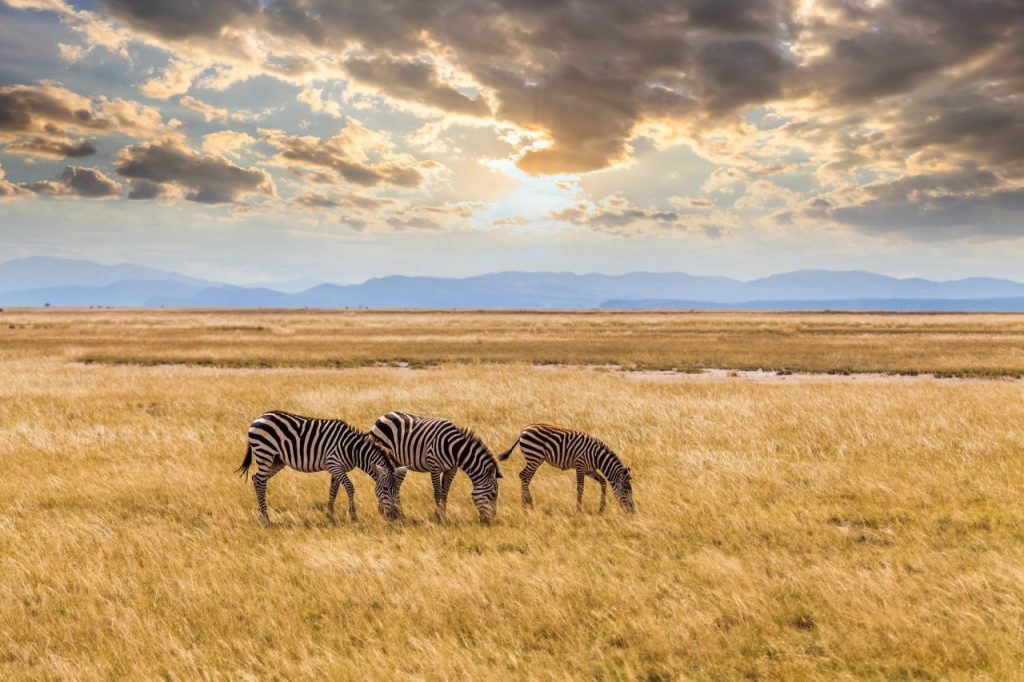
Masai Mara zebras are the Great Migration's advance guard, the herds that move first, graze first, and open the grass for a million wildebeest behind them. Most visitors arrive fixated on lions and the river crossing and barely register the black and white herds grazing calmly at the roadside, yet a close look rewards you: a stallion pacing the edge of his harem, a foal shadowing its mother's stripe pattern almost exactly, a bachelor band sparring in the morning light. Stand near a large herd at dawn and you will hear it before you see it, hundreds of soft, high-pitched barks rolling across the plain. Sense of Adventure builds real time to watch the zebras into every Masai Mara itinerary, not just a drive past them.
Watch the Migration's Advance Guard in Person
Message us on WhatsApp and we'll build zebra and migration viewing into your Masai Mara itinerary.
Why Zebras Matter to the Masai Mara's Great Migration
Every year the Mara-Serengeti ecosystem hosts one of the largest land migrations on Earth, and zebras are its first wave. The 2021 aerial wildlife census counted 32,358 zebras resident across the Mara ecosystem, more than any other large grazer except the wildebeest, with most of that population found inside the region's private conservancies rather than the national reserve itself. Zebras tolerate coarse, tall grass that wildebeest struggle to digest, so they move through first and crop it down; wildebeest follow onto the shorter regrowth, and gazelles trail last on the freshest new shoots. This three-tier grazing succession is one reason the ecosystem can support the huge combined herds, estimated in the hundreds of thousands across the wider migration, that make the river crossings famous.
We almost skipped the zebras to chase a lion sighting, and our guide talked us out of it. Ten minutes later we were parked beside a herd of maybe two hundred, foals included, all moving together like one animal. It was the only time on the whole trip my kids stopped asking when we would see something better.
— Family safari guest, Mara North Conservancy
Six Things Worth Knowing About the Masai Mara's Zebras
Only the Plains Zebra Lives Here
Every zebra you will see in the Masai Mara is a plains zebra (Equus quagga), recognisable by broad, bold stripes that wrap fully around the belly. The rarer Grevy's zebra, with narrower stripes, bigger ears and a white belly, does not range this far south; its territory is centred on Samburu, Buffalo Springs and Laikipia roughly 300km north. If a guide ever points one out in the Mara, treat it as a test of how closely you are looking.
The Migration's Advance Guard
Zebras are not just travelling alongside the wildebeest, they are preparing the ground for them. Their digestive system copes with coarse, fibrous grass stems that wildebeest find hard to process, so zebra herds move onto fresh pasture first and graze the tops down. Wildebeest follow for the shorter, more nutritious regrowth underneath, and gazelles finish on the tender new shoots, a rotation that keeps the ecosystem fed through one of the most concentrated grazing pressures on Earth.
Family Life Runs on Strict Harems
A typical zebra family, or harem, is one stallion, several mares and their foals, held together for years and sometimes for life. Mares rank themselves in a firm hierarchy: an alpha mare, usually eight years or older, leads the group to water and grazing, with beta mares close behind her. Young males are pushed out of the harem around puberty and drift into bachelor groups of up to fifteen, sparring and practising the fights they will eventually need to win a harem of their own.
Stripes With a Purpose, Probably Several
Why zebras have stripes is still debated, but a 2025 review of the evidence found the strongest support for one theory: stripes confuse and repel biting flies, which struggle to land on a striped surface and spread fewer diseases as a result. A second theory holds that the sharp contrast helps a zebra shed heat unevenly and cool faster. Individual recognition and predator confusion in a running herd are also proposed, and researchers now suspect it is not one answer but several advantages stacked into a single coat.
Predators Target the Weak Link
Zebras are powerful; a well-placed kick can break a lion's jaw, so predators are selective. Lions typically target an old stallion or an animal separated from the herd, while spotted hyenas work in numbers to isolate a mare or foal from the group. At the Mara and Talek river crossings during migration season, Nile crocodiles take a heavy toll on zebras and wildebeest alike as herds funnel through the water in a panic, making the crossing points the most dangerous stretch of the entire migration.
A Foal Almost Every Year, for Up to 25 Years
A mare carries her foal for roughly 12 to 13 months and, under good conditions, can produce one almost every year of her adult life. Foals are on their feet within an hour of birth and can run with the herd inside a day, a necessity in a landscape with this many predators. A wild zebra typically lives around 25 years, giving a healthy mare a long reproductive life and plenty of chances to pass on a stripe pattern as individual as a fingerprint.
Plan Your Migration-Season Safari
Zebra herds move through the Mara year-round, but the crossing season from roughly July to October is when numbers peak. Let us build your dates around it.
Masai Mara Zebra Facts at a Glance
- Population: the 2021 aerial census counted 32,358 zebras in the Mara ecosystem, the second-highest count of any large mammal after the wildebeest.
- Species: only the plains zebra (Equus quagga) occurs in the Mara; Grevy's zebra is found roughly 300km north around Samburu and Laikipia.
- Family unit: a harem of one stallion, several mares and their foals, plus separate bachelor groups of up to 15 young males.
- Gestation: 12 to 13 months, with mares able to foal roughly once a year.
- Lifespan: around 25 years in the wild.
- Grazing role: zebras crop tall, coarse grass first, opening shorter regrowth for the wildebeest and gazelles that follow.
Zebras Are One Chapter of a Much Bigger Migration Story
Zebra herds are usually the first sign that the wider Great Migration is on the move, so it is worth reading them alongside the animals that follow. Our Masai Mara wildebeest migration guide covers the main event these zebra herds are leading, our Great Migration river crossing guide explains exactly where and when the crossings happen, and our best time to visit the Masai Mara guide will help you time a trip around all of it.
Do Not Miss the Advance Guard
Zebra herds are easy to overlook next to lions and elephants, until you know what to watch for. Talk to us and we will make sure your guide does not drive past them.
Frequently Asked Questions
Do zebras migrate with the wildebeest in the Masai Mara?
Yes, plains zebras move through the Masai Mara-Serengeti ecosystem alongside the wildebeest migration, often arriving on fresh pasture first because they can digest coarser, taller grass. Their movement typically precedes the main wildebeest herds by days to weeks on the same general route.
How many zebras live in the Masai Mara?
The 2021 aerial wildlife census counted 32,358 zebras resident across the Masai Mara ecosystem, making them the second most abundant large mammal after the wildebeest. Most of that population is found in the region's private conservancies rather than the national reserve itself.
What is the difference between a plains zebra and a Grevy's zebra?
Plains zebras, the only species found in the Masai Mara, have broad stripes that wrap around a white belly and live in stable family harems. Grevy's zebras have narrower stripes, larger rounded ears and a white belly with no stripes, and live roughly 300km north around Samburu and Laikipia, so you will not see one in the Mara.
Why do zebras have stripes?
The leading theory, backed by a 2025 review of the research, is that stripes deter biting flies that struggle to land on a striped coat and spread fewer diseases as a result. Secondary theories include better heat dispersal and confusing predators in a running herd; most scientists now think it is a combination rather than one single cause.
What predators hunt zebras in the Masai Mara?
Lions and spotted hyenas are the main predators of Masai Mara zebras, usually targeting old, sick or isolated individuals rather than a healthy herd. Nile crocodiles also take a significant number of zebras at river crossing points during the migration season, when panicked herds funnel through the water.