
Solo travel to the Masai Mara is genuinely safe and increasingly common, provided you book through a reputable operator with a professional guide, a qualifier that comes up in nearly every serious source on the topic. The two real questions solo travellers actually need answered are rarely about danger and almost always about cost and logistics: what will the single supplement add to the price, and how do camps handle a lone guest after dark at an unfenced property. Both have clear, practical answers. Sense of Adventure builds solo itineraries around both, so nothing about travelling alone catches you off guard once you land in Nairobi.
Get a Straight Answer on Solo Travel
Message us and we will quote the real single supplement plus safety details, no guesswork.
What Solo Travel to the Masai Mara Actually Costs
Camps typically charge a single supplement of 20 to 50 percent on top of the per-person sharing rate to cover a room or tent that would otherwise sleep two, with a smaller number of sources citing outliers as high as 75 percent during peak season. A real-world example: a 4-day solo Mara trip ran roughly $1,900 to $2,000 in green season, compared to around $1,510 per person on the same itinerary booked as a couple sharing. That gap narrows or disappears entirely in green and shoulder season, when tents would otherwise sit empty anyway, and widens back out during the July to October peak.
I almost did not book because I could not find a straight answer on what solo travel actually costs. It ended up being simpler than I expected, my operator quoted the supplement upfront, and camp staff assigned an askari to walk me to dinner every night without me even asking. I never felt unsafe or awkward being the only single traveller at the table.
— Solo safari guest, Mara Triangle
Six Things Solo Travellers Should Know Before Booking
The Single Supplement Is Real, but Negotiable
Most camps add 20 to 50 percent to the per-person sharing rate for a solo traveller, though a handful of properties handle it differently: Offbeat is known to waive the supplement for one solo guest per group departure, and Angama does not charge it on the first two single rooms in a booking. It is always worth asking your operator directly rather than assuming the worst-case percentage applies.
Green Season Is the Cheapest Time to Travel Solo
Single supplements shrink or disappear entirely in the quieter green and shoulder months, since camps would rather fill a tent at a reduced rate than leave it empty. Travelling outside the July to October migration peak is the single easiest way to reduce the extra cost of travelling alone.
Joining a Shared Vehicle Cuts Cost and Adds Company
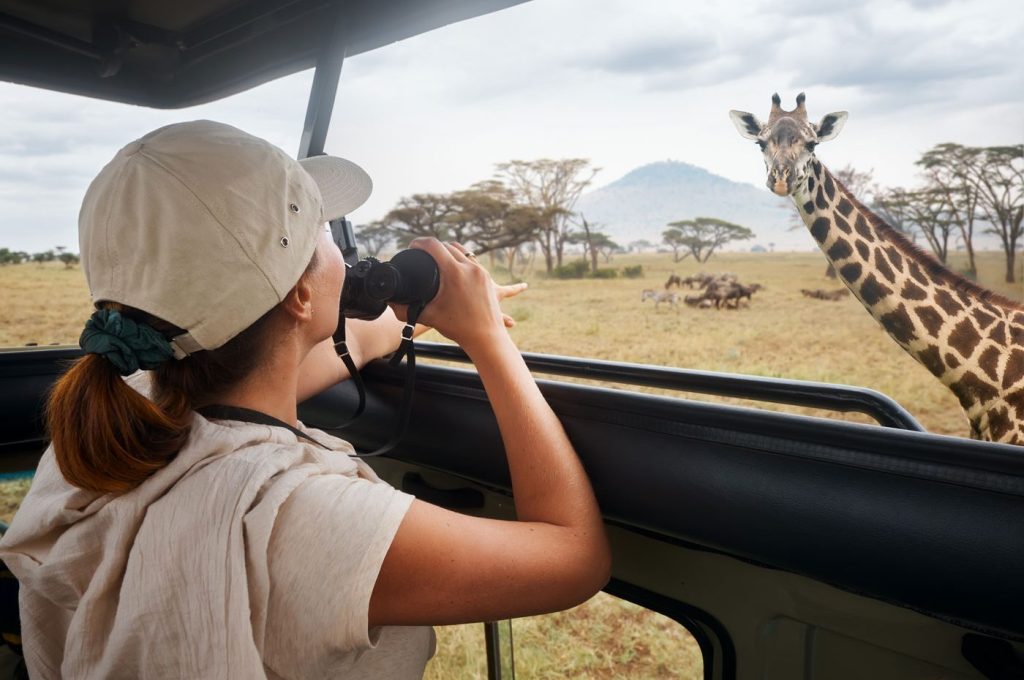
Booking onto a scheduled shared game-drive vehicle instead of a private one is the standard way solo travellers both save money and end up meeting other guests, and most operators offer this as a specific product rather than an awkward add-on. It is a practical option worth asking about even if cost is not your main concern.
Camps Are Unfenced, and That Shapes the Rules After Dark
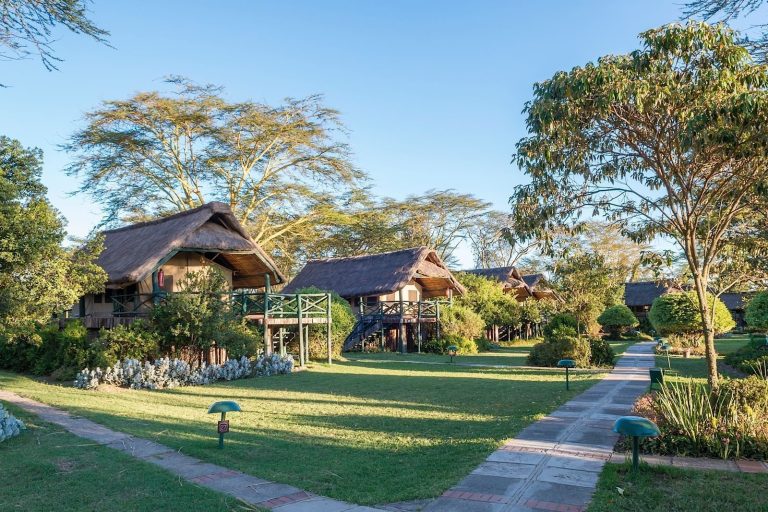
Most Masai Mara camps are deliberately unfenced so wildlife can move through naturally, which means solo guests are expected to request an askari, an armed Maasai guard, to escort them between their tent and the dining area after dark. This is standard practice at essentially every camp, not a special favour, and daytime movement around camp is normally unescorted.
Reputable Operators Are the Real Safety Factor
Every serious source on solo Masai Mara travel converges on the same point: safety comes down to booking through a reputable operator with professional guides, not to travelling alone itself being inherently risky. A properly run camp and vehicle removes almost all of the practical risk a first-time solo traveller worries about.
Solo Women Travel the Mara Regularly
Solo female travellers are common on Masai Mara safaris, and the core safety advice does not differ meaningfully by gender: book a reputable operator, use the askari escort after dark, and avoid unnecessary risk-taking like wandering camp grounds alone at night. Camp staff are generally attentive to solo women guests specifically, without it feeling intrusive.
Get a Straight Answer on Solo Pricing
Tell us your dates and we will quote the real single supplement, not a worst-case guess, plus shared-vehicle options if you want them.
Masai Mara Solo Travel Facts at a Glance
- Single supplement: typically 20 to 50 percent above the per-person sharing rate, occasionally up to 75 percent in peak season.
- Cost-saving move: travelling in green or shoulder season shrinks or removes the supplement at many camps.
- Supplement-friendly camps: Offbeat waives it for one solo guest per departure; Angama does not charge it on the first two single rooms.
- Night safety: an askari escort between tent and mess is standard, unpaid practice at unfenced camps.
- Cost alternative: joining a shared game-drive vehicle instead of booking private reduces cost and adds company.
- Safety consensus: a reputable operator and professional guide matter far more than travelling alone itself.
Solo Trips Still Benefit From the Right Itinerary
A well-planned solo trip uses the same building blocks as any other Masai Mara safari. Our Masai Mara safari cost guide breaks down pricing beyond the single supplement, our Masai Mara camps and lodges guide covers properties across every budget, and our best time to visit the Masai Mara guide will help you pick a season that suits both your budget and your interests.
Book Your Solo Masai Mara Safari
You do not need a travel companion to see the Mara properly. Message us and we will build a solo itinerary that works for your budget.
Frequently Asked Questions
Is it safe to travel solo in the Masai Mara?
Yes, solo travel to the Masai Mara is generally considered safe, including for women, provided you book through a reputable operator with a professional guide. Camps are experienced with solo guests and provide an askari escort after dark as standard practice at unfenced properties.
How much extra does a solo traveller pay in the Masai Mara?
Most camps charge a single supplement of 20 to 50 percent above the per-person sharing rate, occasionally as high as 75 percent in peak season, though this shrinks in green and shoulder months. A handful of camps, including Offbeat and Angama, waive or limit the supplement for solo guests.
Can solo travellers join a shared safari vehicle in the Masai Mara?
Yes, many operators offer scheduled shared game-drive vehicles specifically for solo travellers, which reduces cost compared to booking a private vehicle and often means meeting other guests along the way. It is worth asking your operator whether this option is available for your dates.
Are Masai Mara camps safe for a solo traveller at night?
Most Masai Mara camps are unfenced, and solo guests are expected to request an askari, an armed Maasai guard, to escort them between their tent and the dining area after dark, which is standard, unpaid practice rather than a special request. Daytime movement around camp is normally unescorted.
Is the Masai Mara safe for solo female travellers specifically?
Solo female travellers visit the Masai Mara regularly, and the core safety advice does not differ meaningfully by gender: book a reputable operator, use the askari escort after dark, and avoid unnecessary risk. Camp staff are generally attentive to solo women guests without it feeling intrusive.