Sagana white water rafting is the most exciting day trip you can take from Nairobi. Just two hours from the city, the Tana River tumbles through forested gorges near the town of Sagana, creating a run of rapids that ranges from playful waves to powerful drops. With trained guides, all safety gear provided and a hot lunch at the end, it is a full adventure that fits neatly into a single free day. Whether you are a solo traveller looking for an adrenaline rush, a conference group seeking a team activity or an international school planning an outdoor education trip, Sagana white water rafting delivers a day you will talk about for years.
Need an Adrenaline Fix?
Sagana white water rafting fits into one day, with hotel pick-up and drop-off in Nairobi.
Where Is Sagana?
Sagana is a small town in central Kenya, at the foot of the Mount Kenya region, roughly 110 km northeast of Nairobi. The Tana River, Kenya’s longest river, flows past the town on its long journey from the Aberdares and Mount Kenya to the Indian Ocean. Near Sagana, the river cuts through rocky channels and forested banks, creating the rapids that have made the area Kenya’s rafting capital. You can read more about the river itself on Wikipedia.
The drive from Nairobi follows the Thika Superhighway, then the road towards Nyeri and Mount Kenya. On clear mornings, the snow-capped peaks of Mount Kenya are sometimes visible on the horizon, adding a dramatic backdrop to the journey.
6 Reasons to Try Sagana White Water Rafting
1. Real Rapids Close to Nairobi
The Tana River near Sagana offers a mix of grade II to IV rapids, giving genuine excitement within two hours of the city.
2. Expert Raft Guides
Each raft has a trained guide who reads the river, calls the strokes and keeps the team safe.
3. All Gear Provided
Helmets, life jackets, paddles and wetsuits where needed are supplied and checked before you launch.
4. Calm Floats Between Rapids
Quiet stretches let you swim in safe sections, spot birds and enjoy the riverside forest.
5. Team Building on the Water
Paddling together through rapids builds trust and laughter, which is why companies and schools love it.
6. Lunch by the River
After the run, you relax with a hot lunch at the riverside camp before the drive back.
Book the Sagana Rafting Day Trip
Return transport, safety briefing, guided rafting, all gear and lunch. From $170 per person.
What to Expect on the Day
Arrival and safety briefing
After the drive from Nairobi, you arrive at the riverside base, change into your rafting clothes and meet your guides. The safety briefing is thorough. You learn how to sit in the raft, how to hold your paddle, how to respond to commands such as “forward”, “back” and “get down”, and what to do if you fall in. Guides fit your helmet and life jacket and check them carefully.
Practice on calm water
Before the first rapid, your raft practises on a calm stretch. You learn to paddle in time, turn the raft and swim to the side if needed. This builds confidence, especially for first-timers.
The rapids
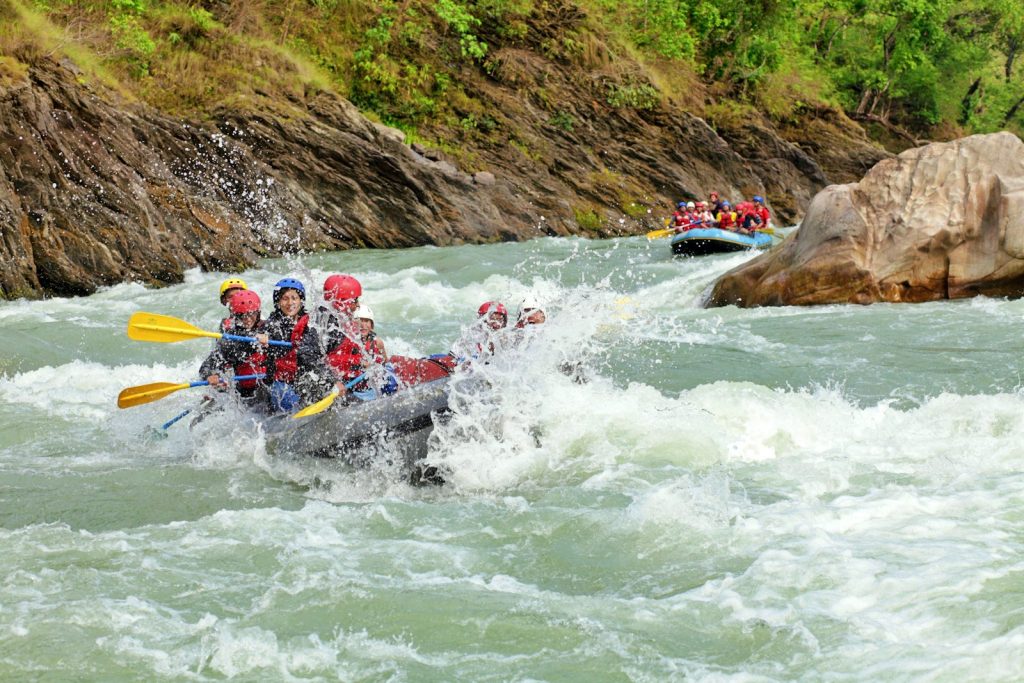
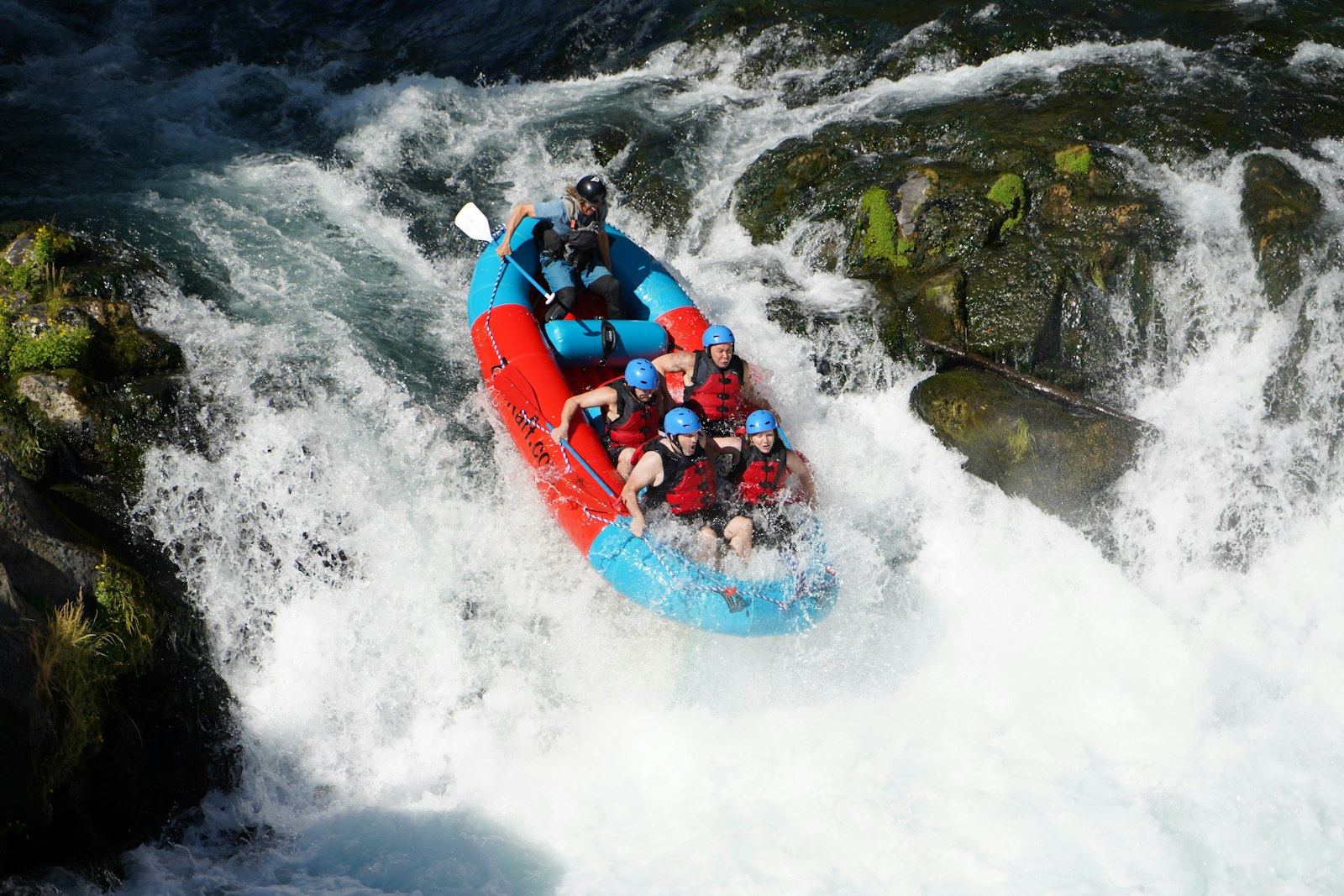
Then the fun begins. Sagana white water rafting offers a mix of rapids, from small waves that splash the front of the raft to bigger drops that demand teamwork and strong paddling. Each rapid has its own character and name. Your guide steers from the back, calling instructions while the team paddles hard. Many groups end up soaked and laughing after every rapid.
Calm stretches and swimming
Between rapids, the river slows. Here you can float, watch kingfishers and herons on the banks and sometimes jump in for a swim in safe sections chosen by your guide.
Lunch and the return
After the run, you return to the base for a hot shower where available, dry clothes and a hearty lunch. The drive back to Nairobi usually gets you to your hotel by late afternoon or early evening.
Understanding the Rapids
White water is graded from I (easy) to VI (extremely dangerous). Sagana white water rafting runs mainly feature grade II to IV rapids. Grade II rapids are straightforward waves; grade III rapids need precise paddling; grade IV rapids are powerful and technical. Some sections may include harder rapids that guides choose to walk around, or portage, depending on water levels. Your guides decide on the safest route on the day, so you get excitement without unnecessary risk.
Water levels change with the seasons. After the long rains in April to June and the short rains around November, the river is higher and the rapids are bigger and faster. In the dry months, the water is lower and some rapids become more technical, while others become gentler. Rafting runs all year, and your operator chooses the section that suits the conditions and your group.
Who Is Sagana White Water Rafting For?
Travellers short on time
If you have one free day in Nairobi and want something completely different from a safari, Sagana white water rafting is it. You leave early, spend the middle of the day on the river and return in time for dinner.
Conference delegates and corporate groups
Team-building is one of the most popular reasons to book Sagana white water rafting. Paddling together through rapids builds trust and communication in a way no workshop can. We organise groups of all sizes, from small teams to large conference cohorts, with transport, catering and photography.
International schools
For older students, Sagana white water rafting is a superb outdoor education activity. It builds teamwork, resilience and confidence, and many schools combine it with camping or other activities at riverside camps. We work with schools to meet their safeguarding and risk assessment requirements.
Budget adventurers
Compared with many adventure activities around the world, Sagana white water rafting offers excellent value. The price includes transport, gear, guides and lunch, so there are no hidden extras.
Foreign visitors and families with teens
Families with teenagers often choose rafting as a break between safari days. The thrill is real, but the safety standards mean parents can relax. The minimum age is usually around 12, depending on water levels.
Safety on the River
Safety is the most important part of any Sagana white water rafting trip. Professional operators use trained, experienced guides who know every rapid. Safety kayakers often accompany the rafts to help anyone who falls in. Every participant wears a helmet and a life jacket for the whole run. Equipment is checked before each trip, and runs are adjusted according to water levels and weather.
You can help keep yourself safe by listening carefully to the briefing, following your guide’s commands and telling the team about any medical conditions in advance. Avoid alcohol before rafting. Make sure your travel insurance covers adventure activities like rafting; read our guide to Kenya’s mandatory travel insurance to understand what visitors need.
What to wear and bring
- Quick-dry shorts or swimwear and a T-shirt.
- Secure sandals with straps or old trainers.
- A change of clothes and a towel for afterwards.
- Sunscreen and a strap for your glasses.
- A waterproof bag or case for your phone.
- Leave jewellery and valuables at your hotel.
Getting to Sagana from Nairobi
The journey takes around two hours each way. Leaving Nairobi at about 7am avoids the worst of the morning traffic and gets you to the river in time for a mid-morning launch. The Thika Superhighway is a fast, modern road, and the final stretch to the river is short. A private transfer with a driver who knows the camps saves time and stress, especially for groups.
A Sample Sagana White Water Rafting Itinerary
- 7:00am: pick-up from your Nairobi hotel.
- 9:00am: arrive at the river base; change and have a light snack.
- 9:30am: safety briefing and practice on calm water.
- 10:00am–12:30pm: rafting through the rapids.
- 1:00pm: hot lunch at the riverside base.
- 2:30pm: drive back to Nairobi, arriving around 4:30–5pm.
Other Activities at Sagana
Many riverside camps at Sagana offer more than rafting. Depending on the camp, you may be able to try kayaking, rock climbing, abseiling, ziplining or quad biking. Some groups stay overnight to combine activities, but for travellers short on time, the classic day trip focuses on rafting. If you want to stay longer in the region, Mount Kenya is close by; see our Mount Kenya guide.
Rafting Commands You Will Learn
Your guide will teach a short list of commands before you get on the water. Knowing them in advance helps you relax and enjoy the ride:
- Forward paddle: everyone paddles forward together.
- Back paddle: everyone paddles backwards to slow or reverse.
- Left back, right forward: used to spin the raft.
- Stop: stop paddling and rest your paddle across your knees.
- Get down: slide into the bottom of the raft and hold the safety line.
- Hold on: grip the line before a big drop.
Practising these on calm water means that, when you reach the bigger rapids, the team responds together. That shared rhythm is a big part of what makes Sagana white water rafting so satisfying.
What If You Fall In?
Falling in is part of the experience for some rafters, and guides prepare you for it. If you go overboard, stay calm, keep hold of your paddle if you can and float on your back with your feet pointing downstream and near the surface. Look for your guide or a safety kayaker, who will reach you quickly, and follow their instructions. Your teammates will be shown how to pull you back into the raft by your life jacket. Most people who fall in come up laughing, and the story becomes a highlight of the day.
Photos and Videos
Many operators offer photo or video packages, with photographers stationed at the biggest rapids. These make great souvenirs, especially for groups. If you bring your own camera, use a waterproof action camera fixed securely to your helmet or chest, and follow your guide’s advice. Do not hold a phone or loose camera in the raft.
How Much Does Sagana White Water Rafting Cost?
Prices depend on group size, the section of river and what is included. Our Sagana white water rafting day trip starts from US$170 per person and covers return transport from Nairobi, the safety briefing, guided rafting, all equipment and a hot lunch. Larger groups usually pay less per person because transport costs are shared. If you are comparing prices, check whether transport, lunch, park or camp fees and photos are included, as cheaper quotes often leave these out. Tips for guides are appreciated but optional.
Sagana White Water Rafting for Groups and Events
We regularly organise Sagana white water rafting for corporate retreats, embassy staff, NGO teams, wedding parties and international school year groups. For larger groups, we coordinate several rafts, extra safety kayakers, a group lunch and, if you like, a short debrief session afterwards. For visiting delegations and dignitaries, we can arrange a private run with a dedicated vehicle and a schedule agreed in advance with your protocol or security team. Simply tell us your numbers, fitness levels and timings, and we will design the right day.
Health and Fitness Requirements
You do not need to be an athlete to enjoy Sagana white water rafting, but you should be in reasonable health and able to paddle for short bursts. People with heart conditions, recent injuries, back problems or pregnancy should not raft. If you have asthma, epilepsy or any other condition, tell your operator in advance so guides can advise you. Drink plenty of water, eat a good breakfast and wear sunscreen, as the equatorial sun is strong even when you are wet.
Is Sagana White Water Rafting Worth It?
Absolutely. Sagana white water rafting gives you a real adventure in a single day, with professional guides, good safety standards and beautiful scenery. It is perfect for travellers short on time, groups seeking a shared experience and anyone who wants to balance safari days with something active. Few day trips from Nairobi leave people buzzing quite like a morning on the Tana’s rapids.
Sagana White Water Rafting: Quick Reference
- Location: Tana River near Sagana, about 110 km northeast of Nairobi.
- Drive: around 2 hours each way.
- Time on the water: roughly 2–3 hours depending on the run.
- Rapids: mostly grade II–IV; harder rapids can be walked around.
- Minimum age: usually around 12, depending on water levels.
- Tour price: from US$170 per person including transport and lunch.
Book Your Rafting Day
Reserve your place on our Sagana Rafting Day Trip page, or explore all our day trips from Nairobi. For more inspiration, read our guide to the best day trips from Nairobi.
Ready to Hit the Rapids?
Message us with your group size and dates, and we will plan your Sagana white water rafting day.
Frequently Asked Questions
How far is Sagana from Nairobi?
Sagana is about 110 km northeast of Nairobi. The drive takes around 2 hours on the Thika Superhighway and the Nyeri road.
Is Sagana white water rafting safe?
Yes, when done with a professional operator. You get a full safety briefing, helmets and life jackets, and trained guides in every raft.
Do I need to know how to swim?
Swimming is helpful but not always required, as you wear a life jacket throughout. Tell your guide if you are not a confident swimmer.
What is the minimum age for Sagana white water rafting?
The minimum age is usually around 12 years, depending on water levels and the section of river chosen.
When is the best time to go rafting at Sagana?
Rafting runs all year. Water levels are higher and rapids bigger after the rains, while the dry months offer gentler runs.
Is Sagana rafting good for team building?
Yes. It is popular with companies, schools and conference groups because it requires teamwork and creates shared memories.