

Wondering what to eat in Nairobi? Kenya’s capital is one of the most exciting food cities in East Africa, shaped by dozens of Kenyan communities as well as Swahili, Indian, Arab and European influences. From smoky nyama choma and soft chapati to spiced pilau, crunchy street snacks and some of the world’s finest tea and coffee, there is a lot to taste in a short time. This guide explains 15 dishes every visitor should try, where locals eat them, how to stay safe with street food and how a guided food tour helps delegates, travellers in transit and budget visitors get the best flavours in a few hours.
✅ What to Eat in Nairobi: Quick Answer
- Start with: nyama choma with ugali and kachumbari, the classic Nairobi meal.
- Everyday staples: sukuma wiki, chapati, pilau, githeri and beans from a local café.
- Street snacks: mandazi, samosas, mshikaki, mutura and roasted maize.
- Drinks: Kenyan chai, Kenyan coffee and fresh mango or passion fruit juice.
- Stay safe: choose busy stalls, hot freshly cooked food and bottled water.
- Easiest way to try it all: our guided Nairobi food tour, about 3 to 4 hours, from USD 85 per adult sharing.
Only one free afternoon? Let a local guide show you what to eat in Nairobi, from market fruit to nyama choma.
Why Knowing What to Eat in Nairobi Matters
Nairobi grew as a railway town in the late 1800s and quickly became a meeting point for people from all over Kenya and beyond. Workers, traders and families brought their food with them. Indian railway workers introduced chapati, samosas and curries; the Swahili coast brought pilau and coconut dishes; highland farmers brought githeri and mukimo; pastoralist communities brought a love of roasted meat. Today, all of these meet on Nairobi’s tables, from roadside kiosks to smart restaurants. For a deeper background on the country’s food, see this overview of Kenyan cuisine.

What to Eat in Nairobi First: 6 Classic Dishes
1. Nyama Choma
Roasted meat, usually goat or beef, grilled slowly and served with kachumbari salad. Kenya’s favourite social meal.
2. Ugali
A firm maize-flour staple eaten by hand with stews, greens and meat. The base of countless Kenyan meals.
3. Sukuma Wiki
Collard greens fried with onion and tomato. The name means ‘stretch the week’ in Swahili.
4. Chapati
Soft, flaky flatbread introduced by Indian communities and now loved across Kenya.
5. Pilau
Rice cooked with spices such as cumin, cardamom and cloves, a Swahili coast favourite.
6. Mandazi
Lightly sweet fried dough, often eaten with chai for breakfast or a snack.
Vegetarian, Halal or Ready for Mutura?
Tell us what you eat and what you avoid. We will plan what to eat in Nairobi around your diet, your appetite and how adventurous you feel.
15 Kenyan Foods to Try: What to Eat in Nairobi
1. Nyama choma
“Nyama choma” means roasted meat in Swahili. Goat and beef are the most popular, slow-grilled over charcoal and served in chunks on a wooden board with salt, chilli and kachumbari. It is a social meal, often shared with friends over a long afternoon. If you only try one thing when deciding what to eat in Nairobi, make it this.
2. Ugali
Ugali is a firm, white maize-flour staple, cooked until it holds its shape. You tear off a piece, roll it into a ball with your fingers, make a dent with your thumb and use it to scoop stew or greens. It is filling, mild and the backbone of everyday Kenyan meals.
3. Sukuma wiki
These are collard greens fried with onion and tomato. Cheap, healthy and tasty, they are eaten almost daily in many homes. The name means “stretch the week”, because they help a family’s budget last.
4. Kachumbari
A fresh salad of tomato, onion, coriander and chilli with a squeeze of lime. It is the classic partner for nyama choma and pilau.
5. Chapati
Soft, layered flatbread cooked on a hot griddle. Chapati is loved at celebrations and is perfect with beans, stews or tea.
6. Pilau
Rice cooked with meat and a fragrant mix of spices including cumin, cinnamon, cardamom and cloves. It comes from the Swahili coast and is a favourite at weddings and holidays.
7. Githeri
A hearty mix of maize and beans, boiled and sometimes fried with onions, tomatoes and potatoes. It is a staple of central Kenya and a great vegetarian option.
8. Mukimo
Mashed potatoes, green peas, maize and pumpkin leaves, giving it a bright green colour. It is a speciality of central Kenya and often served with meat stew.
9. Matoke
Green cooking bananas stewed with tomatoes, onions and sometimes meat. It is especially popular in western Kenya.
10. Fried tilapia
Whole fish, usually from Lake Victoria, deep-fried and served with ugali and greens. Fish dishes are a speciality of the Luo community and widely available in Nairobi.
11. Samosas
Crispy pastry triangles filled with spiced minced meat or vegetables, inherited from Indian cuisine and sold at cafés and street stalls.
12. Mandazi
Lightly sweet fried dough, sometimes flavoured with coconut or cardamom. It is a popular breakfast with chai.
13. Mutura
A Kenyan sausage made with meat, blood and spices, grilled over charcoal at street stalls in the evening. It is an adventurous choice for the curious eater.
14. Mshikaki
Skewers of marinated meat grilled over charcoal, often sold near bars and markets. They are tasty, cheap and perfect as a snack.
15. Roasted maize
Corn on the cob roasted over coals and rubbed with lime and chilli. You will see vendors selling it on street corners across the city.
What to Drink with What You Eat in Nairobi
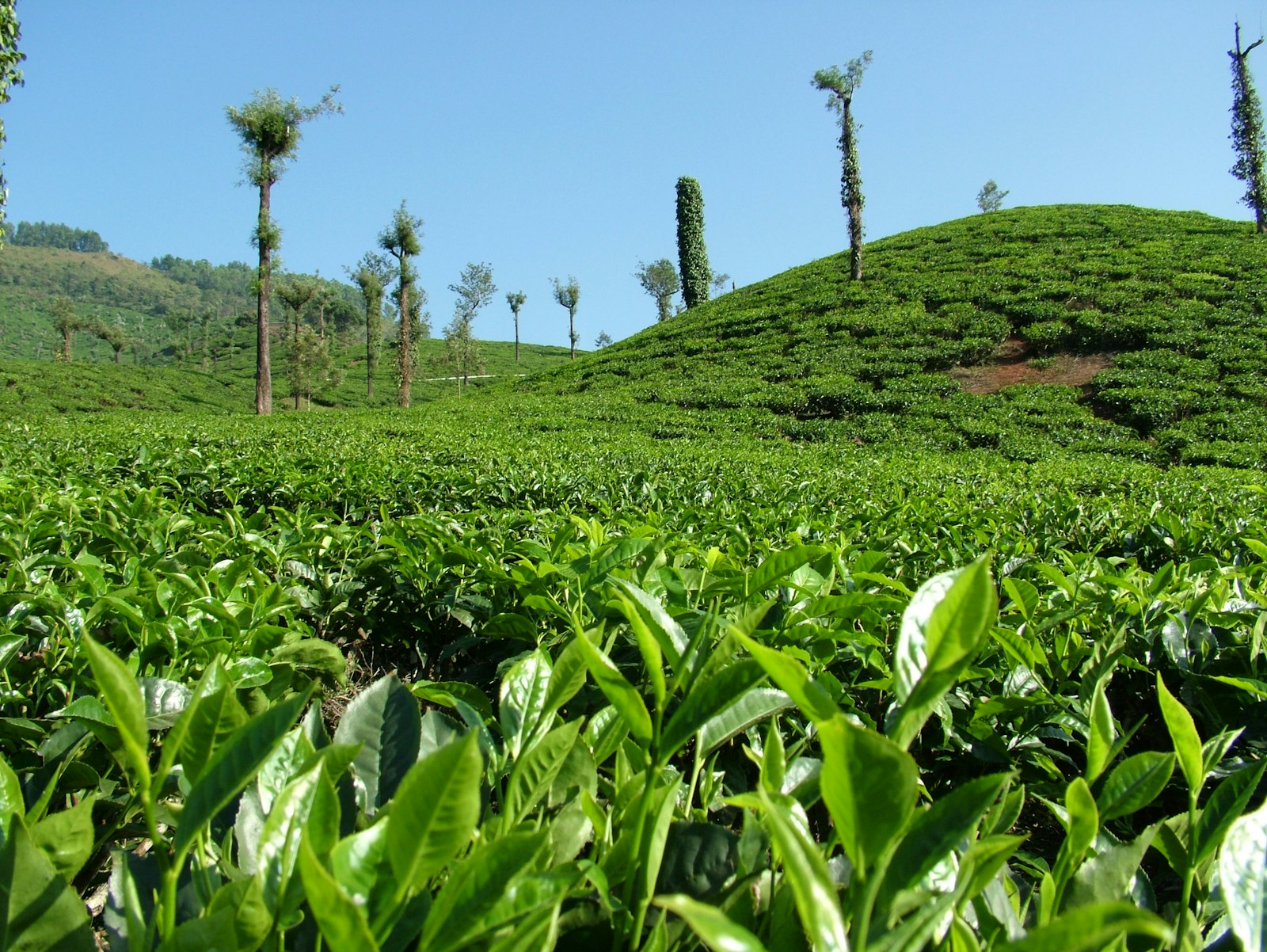
No guide to what to eat in Nairobi is complete without drinks. Kenya is one of the world’s leading tea exporters, and the everyday drink is chai: black tea boiled with milk, water and sugar, sometimes with ginger. Kenyan coffee is world-famous for its bright, fruity flavour, and Nairobi has a thriving café culture. Fresh juices made from mango, passion fruit, pineapple and avocado are widely available. If you drink alcohol, local beers are popular, and many bars serve a honey-and-lime cocktail called dawa, which means “medicine” in Swahili.
To see where the tea and coffee come from, read our guides to Kiambethu Tea Farm and Kenya coffee farm tours.
Who Is a Nairobi Food Tour For?
Conference delegates and business travellers
Delegates often ask us what to eat in Nairobi after days of hotel buffets and conference lunches, because they want to taste real local food. A guided tour takes you to places you would not find alone and explains each dish. It also fits neatly into an afternoon or early evening after sessions end.
Travellers in transit
If you have a daytime layover and a valid entry permit, a short food tour is one of the best ways to experience Nairobi quickly. You see the city, meet locals and eat well in just a few hours.
Budget travellers
Street food and local cafés offer excellent value. Many snacks cost less than a dollar, and a filling plate of local food is very affordable. A guide helps you find the best value without risk.
Foreign visitors and families
When families ask what to eat in Nairobi, we suggest mild dishes like chapati, pilau and mandazi, while adventurous eaters can try mutura and mshikaki. Guides adapt the tour to children and different tastes.
State guests and dignitaries
For official visitors who want an authentic yet comfortable experience, we can arrange a private tasting menu of Kenyan dishes in a restaurant setting, with a guide to explain the food and its cultural significance.
Etiquette: How to Eat What You Eat in Nairobi
Many Kenyan dishes are eaten with the hands, especially ugali, chapati and nyama choma. Wash your hands before eating; in many restaurants, a staff member brings a jug of warm water and a basin to the table. Use your right hand to eat. Sharing food is common, and it is polite to accept a small taste when offered. At the end of a meal, it is normal to thank your host or server warmly.
Dietary Needs: What to Eat in Nairobi If You Have Restrictions
Nairobi is a good city for most dietary needs. Vegetarians will find beans, lentils, greens, chapati, githeri and many Indian dishes. Halal food is widely available, especially in areas with large Muslim communities such as Eastleigh and parts of the city centre. Gluten-free travellers can rely on ugali, rice, potatoes and grilled meat, though cross-contamination is possible. If you have allergies, tell your guide in advance. For more on eating safely while travelling, see our food and dietary guide.
Food safety tips for deciding what to eat in Nairobi
- Choose busy stalls with high turnover.
- Eat food that is freshly cooked and served hot.
- Drink bottled or filtered water.
- Peel fruit yourself where possible.
- Carry hand sanitiser.
- Start with small portions if your stomach is sensitive.
Where Locals Decide What to Eat in Nairobi
Nairobi’s food scene ranges from simple kiosks to fine dining. Local cafés known as “hotelis” serve cheap, filling plates of rice, beans, ugali, stew and chapati. Nyama choma joints, often attached to bars, are busiest at weekends. Market stalls sell fresh fruit, snacks and cooked food, while the city’s Indian restaurants are famous for curries and sweets. A guide helps you decide what to eat in Nairobi, move between these places safely and choose the best spots on the day.
A Sample Nairobi Food Tour
- 2:00pm: pick-up from your hotel.
- 2:30pm: chai and mandazi at a local café.
- 3:15pm: visit a market for fresh fruit and snacks.
- 4:00pm: samosas and chapati at a busy local eatery.
- 4:45pm: nyama choma, ugali and kachumbari at a popular grill.
- 6:00pm: drop-off at your hotel.
Sweet Treats and Desserts
When thinking about what to eat in Nairobi for dessert, note that Kenyans do not traditionally finish meals with elaborate desserts, but there are plenty of sweet things to try. Fresh fruit is the most common way to end a meal, with mangoes, pineapples, papayas and bananas available most of the year. Mahamri, a coastal cousin of mandazi made with coconut milk and cardamom, is softer and more fragrant. In Indian sweet shops, you can try jalebi, ladoo and other treats. Ice cream and yoghurt from Kenya’s dairy farms are also popular, and many cafés serve banana bread and cakes alongside excellent coffee.
Food Markets Worth Visiting
Markets are a wonderful place to see Nairobi’s food culture up close and to discover what to eat in Nairobi beyond restaurant menus. Big fresh-produce markets are crowded with traders selling tropical fruit, vegetables, spices, dried fish and grains. A guide helps you navigate the busy aisles, explains unfamiliar ingredients and makes sure you buy at fair prices. Some markets also have small food areas where traders cook simple meals for shoppers and stallholders, offering a true taste of everyday Nairobi. If you want to combine food with shopping for crafts, read our guide to the Maasai Market in Nairobi.
What to Eat in Nairobi by Time of Day
Breakfast in Nairobi is usually simple: chai with mandazi, chapati, boiled eggs or arrowroot and sweet potatoes, which are popular healthy options. Mid-morning, office workers grab a samosa or a cup of tea from a kiosk. Lunch is the main meal for many people, often a plate of rice or ugali with beans, stew and greens from a local café. In the afternoon, roasted maize and fresh fruit are sold on street corners. Evenings bring out the grills, with mshikaki, mutura and nyama choma cooked over charcoal. Knowing what to eat in Nairobi at each time of day helps you eat like a local and find the freshest food.
What to Eat in Nairobi on a Budget
Eating well in Nairobi does not have to be expensive. A plate of githeri, beans and chapati, or ugali with sukuma wiki and stew, costs very little at a local café and will keep you full for hours. Street snacks such as mandazi, samosas and roasted maize cost even less. Fresh fruit from markets is cheap and delicious. For budget travellers and students, the best approach is to eat where locals eat, choose busy places and share plates so you can taste more dishes.
Lunchtime or Evening: Choosing How to Eat Your Way Through Nairobi
Once you know what to eat in Nairobi, the next decision is when. Lunchtime is when markets are liveliest and local cafés serve their fullest plates of rice, beans, stew and greens. Early evening is when the charcoal grills fire up, and mshikaki, mutura and nyama choma are at their best. Both versions of our Nairobi food tour follow the same route and last about 3 to 4 hours, including transfers.
Choose lunchtime if you want photographs of the market and a free evening. Choose early evening if you are in meetings all day or have a late flight from JKIA. If you are combining food with sightseeing, the food tour pairs well with our Nairobi city tour for a full day in the capital.
Lunch Market or Evening Grills?
Share your schedule and we will recommend the tour time that fits your meetings or flight, with pick-up from your hotel or venue.
How Much Does Food Cost in Nairobi?
Working out what to eat in Nairobi on your budget is easy, because the city suits every pocket. Street snacks such as mandazi and roasted maize cost very little, and many start from around KES 50. A filling plate at a local café, such as ugali with stew and sukuma wiki, is still very affordable. Prices rise in sit-down restaurants, hotels and shopping malls, where you pay for comfort and service, and many add a service charge.
If you would rather a local decides what to eat in Nairobi for you, our guided food tour is priced from USD 85 per adult sharing. That includes private transport with a guide, hotel or venue pick-up and drop-off, all the food tastings and the main meal listed, and bottled water. Drinks, tips and personal spending are not included. The final price depends on the season, group size and any extras, so ask for a written quote for your date.
Want a Firm Price Before You Land?
Send your date and group size and we will reply with a written food tour quote, so you know exactly what is included.
Mistakes to Avoid When Choosing What to Eat in Nairobi
- Eating only at your hotel: hotel buffets are safe but rarely show you what to eat in Nairobi the way locals do.
- Choosing quiet stalls: busy places with a queue have fresher food and faster turnover.
- Skipping bottled water: stick to bottled or filtered water, and ask for drinks without ice if unsure.
- Trying everything at once: pace yourself, as tastings add up to a full meal quickly.
- Forgetting the right hand rule: when you eat with your fingers, use your right hand.
- Not mentioning allergies: tell your guide before the tour, as cross-contamination can happen at busy stalls.
What to eat in Nairobi with children
Children usually love chapati, pilau, mandazi, fresh mango and roasted maize, because they are mild and easy to eat. Grilled chicken and chips are also widely available. Save mutura and spicy kachumbari for older or more adventurous eaters, and carry snacks and water between stops.
What to eat in Nairobi on a layover
If you only have a few hours, focus on the classics: chai and mandazi, a samosa, and nyama choma with ugali and kachumbari. Most visitors need an approved Electronic Travel Authorisation to leave the airport, so apply on the official Kenya eTA website before you fly, and see our Nairobi layover tour.
For wider travel advice, including food and water hygiene, check your government’s guidance, such as the UK travel advice for Kenya, and Kenya’s official tourism site, Magical Kenya.
Is a Food Tour in Nairobi Worth It?
Yes. Knowing what to eat in Nairobi is one thing, but having a local guide to explain the dishes, choose safe and authentic places and share the stories behind the food makes the experience far richer. For short-stay visitors, a food tour is one of the most enjoyable ways to understand Kenyan culture.
What to Eat in Nairobi: Quick Reference
- Must-try dishes: nyama choma, ugali, sukuma wiki, chapati, pilau, githeri.
- Street snacks: mandazi, samosas, mutura, mshikaki, roasted maize.
- Drinks: chai, Kenyan coffee, fresh juices and local beers.
- Vegetarian: easy, with beans, lentils, greens and chapati.
- Tipping: around 10% in sit-down restaurants if service is not included.
- Food tour price: from US$85 per person.
Book Your Food Tour
Join our Nairobi Food Tour, or browse all our day trips from Nairobi.
Taste the Real Nairobi With a Local Guide
Now you know what to eat in Nairobi, let us take you to the stalls, cafés and grills where locals eat it. Message us with your date, dietary needs and pick-up point.
Frequently Asked Questions
What is the most popular food in Nairobi?
If you are wondering what to eat in Nairobi, start with nyama choma (roasted meat) with ugali and kachumbari, the classic Nairobi meal, especially at weekends and celebrations.
What should I eat in Nairobi as a vegetarian?
For vegetarians, what to eat in Nairobi includes githeri, sukuma wiki, beans, lentil stews, chapati, mukimo and vegetable samosas. Indian restaurants also offer many vegetarian dishes.
Is street food in Nairobi safe?
Much of it is, if you choose busy stalls, eat freshly cooked hot food and drink bottled water. A guided food tour helps you choose well.
What is ugali?
Ugali is a stiff porridge made from maize flour and water. It is eaten by hand with stews, greens or meat and is Kenya’s main staple.
What drinks should I try in Nairobi?
Try Kenyan chai, freshly brewed Kenyan coffee, fresh mango or passion fruit juice, and local beers if you drink alcohol.
Can I do a food tour in Nairobi on a layover?
Yes. With a daytime layover of about 8 hours and a valid visa or eTA, a short food tour in the city is possible.
Is it expensive to eat in Nairobi?
No, not if you eat where locals do. Street snacks start from around KES 50, and a plate of ugali, stew and greens at a local café is very affordable. Restaurants in malls and hotels cost more. Knowing what to eat in Nairobi, and where, lets you eat well on almost any budget.
Do I need a guide to know what to eat in Nairobi?
You do not need one, but a guide saves time and guesswork. On a short visit, a local guide takes you to busy, trusted places, explains every dish and adapts the stops to your diet. It is the quickest way to taste what to eat in Nairobi safely in one afternoon.