Kobe Tough Beads & Leather is a small but inspiring workshop in Karen, Nairobi, where local women turn lumps of clay into colourful hand-painted ceramic beads and beaded leather goods. Visitors can walk through the workshop, watch each stage of the process, meet the artisans and then browse a showroom filled with necklaces, bracelets, belts and gifts. The tour is short, relaxed and, according to visitors, free, and it sits just minutes from the Giraffe Centre and the Karen Blixen Museum. For travellers with limited time, conference delegates, families, school groups and anyone who wants souvenirs that support local women, a stop at Kobe Tough Beads is one of the most rewarding short visits in Nairobi.
Have an Hour Free in Karen?
Kobe Tough Beads fits easily between the Giraffe Centre and the Karen Blixen Museum. We can add it to your day.
What Is Kobe Tough Beads & Leather?
Kobe Tough Beads & Leather is a craft workshop and showroom on Bogani East Road in Karen, opposite the Catholic University of Eastern Africa. It produces handmade ceramic beads, jewellery, pottery and beaded leather products, mainly for visitors and the gift market. The business is known for employing women, including single mothers, and giving them steady work and income from their craft.
Unlike a market stall, Kobe Tough Beads lets you see exactly how your souvenir was made and who made it. That transparency is what makes the visit special. You do not just buy a necklace; you meet the woman who shaped and painted its beads.
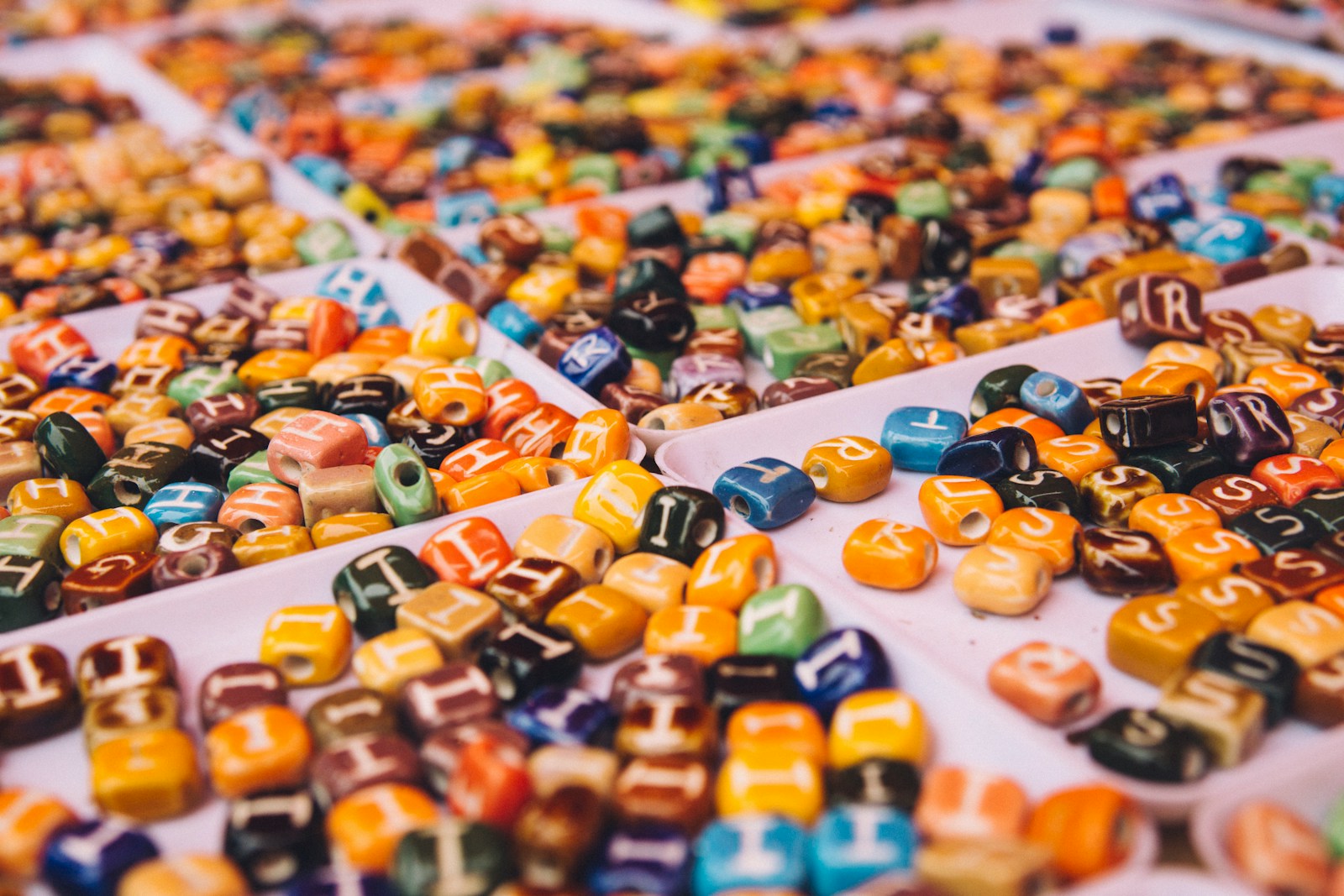
6 Highlights of a Visit
1. Watch Beads Being Made
See women shape clay, paint designs and prepare beads for firing in the kiln.
2. Meet the Artisans
Chat with the women who make each piece and hear how the work supports their families.
3. A Warm Welcome
Visitors are often greeted with a song before entering the showroom.
4. A Huge Showroom
Thousands of necklaces, bracelets, earrings, belts and watch straps on display.
5. Leather and Beadwork
Beaded leather belts, collars, bags and accessories alongside the ceramic jewellery.
6. In the Heart of Karen
Close to the Giraffe Centre and the Karen Blixen Museum, ideal for a combined visit.
Add Kobe Tough to a Karen Half Day
Hotel pick-up, Karen Blixen Museum, Kobe Tough workshop and lunch in Karen. From $85 per person.
How the Beads Are Made
The workshop tour follows the life of a bead from raw clay to finished jewellery. While details vary from day to day, visitors typically see these stages.
1. Preparing the clay
Clay is mixed and kneaded until it is smooth and free of air bubbles. This careful preparation helps prevent beads from cracking in the kiln.
2. Shaping by hand
Artisans roll and shape small pieces of clay into round, oval, tubular and flat beads, piercing each one so it can be strung later. Some women can shape hundreds of beads in a day, each slightly different, which is part of their charm.
3. Drying
The shaped beads are laid out to dry before their first firing, so that moisture does not damage them in the heat.
4. Painting and glazing
This is the most colourful part of the tour. Artisans paint each bead by hand with patterns and colours, often inspired by Kenyan landscapes, wildlife and traditional beadwork. Fine brushes and steady hands turn plain clay into tiny works of art.
5. Firing in the kiln
The painted beads are fired in a kiln at high temperature, which hardens the clay and sets the glaze, giving the beads their final shine and colour.
6. Stringing and finishing
Finally, the beads are strung into necklaces, bracelets and earrings, or stitched onto leather belts, collars and accessories. Quality is checked before pieces move to the showroom.
The Women Behind the Beads
The heart of Kobe Tough Beads is its people. The workshop employs local women, many of whom are single mothers supporting children and extended families. Regular paid work gives them financial independence, helps pay school fees and builds skills that can last a lifetime. During the tour, you can talk with the artisans, ask how long they have worked there and learn about their designs. Many visitors say this personal connection is the highlight of the visit. Visitors are often welcomed with a song before entering the showroom, a warm moment that sets the tone for the visit.
Buying directly from a workshop like this means more of your money reaches the people who made the product. It is a simple way to make your travel spending count.
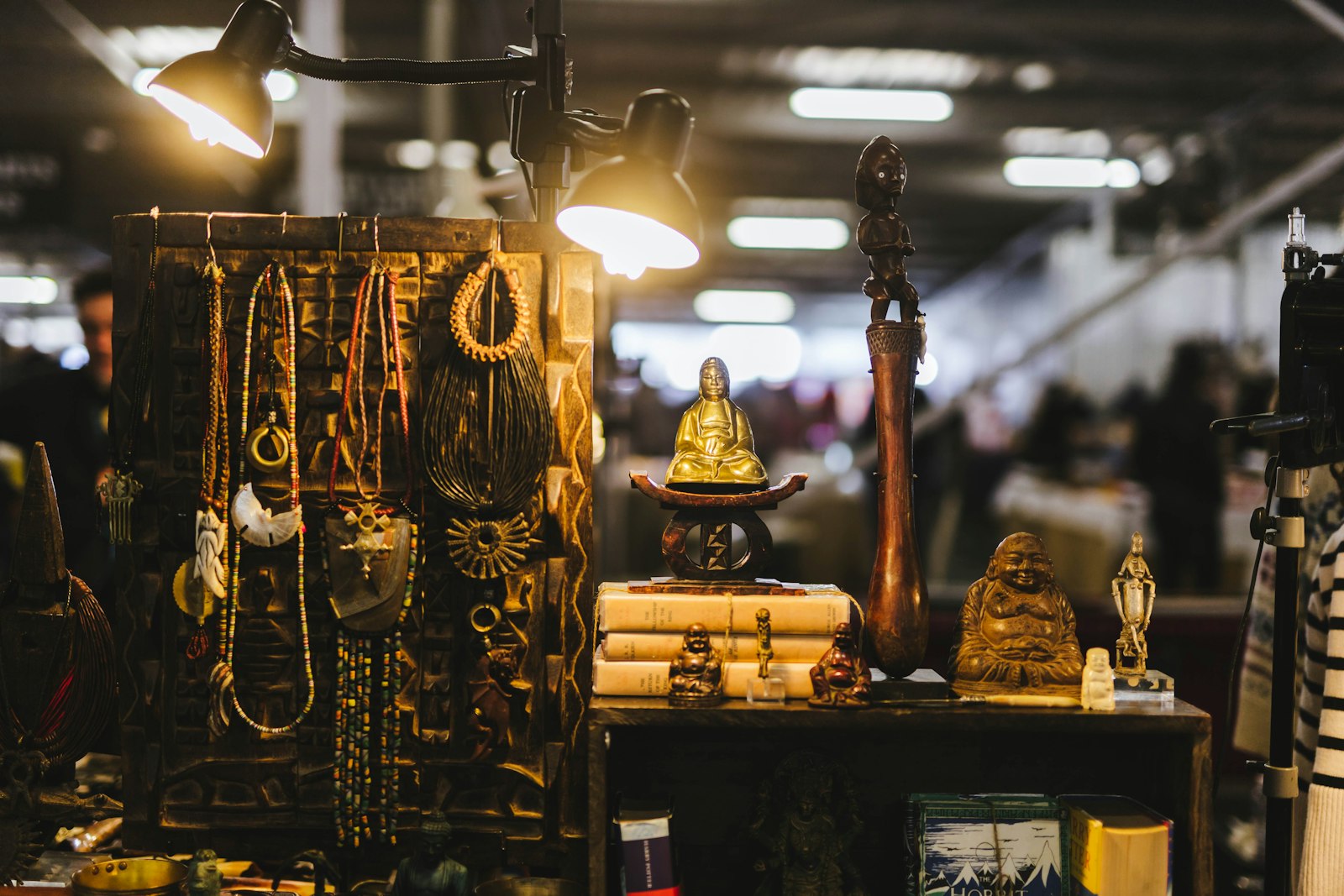
What to Buy at Kobe Tough Beads
The showroom holds thousands of items in every colour imaginable. Popular buys include:
- Ceramic bead necklaces, from simple single strands to bold statement pieces.
- Bracelets and earrings that make easy, light gifts.
- Beaded leather belts and collars inspired by Maasai designs.
- Beaded watch straps, a modern twist on traditional craft.
- Bags, key rings and small accessories.
- Hand-painted pottery and decorative pieces.
Custom orders may also be possible, for example matching jewellery for a wedding party or branded gifts for a conference delegation. Ask the staff about lead times and shipping.
Who Should Visit Kobe Tough Beads?
Visitors short on time
The visit takes around 30 to 45 minutes, so it fits neatly into a morning in Karen alongside the Giraffe Centre or the Karen Blixen Museum. It is one of the most efficient ways to combine culture and souvenir shopping.
Conference delegates and business visitors
Delegates often need meaningful gifts for colleagues and family. Kobe Tough Beads offers quality handmade items with a story, and cards are accepted, making it easy to shop between sessions. We can arrange a quick Karen loop with pick-up from your hotel or venue.
State guests, dignitaries and spouse programmes
For official visitors and their partners, a private visit to a women-led workshop is a thoughtful and low-key cultural experience. Bulk or bespoke gift orders for delegations can also be discussed in advance.
International schools
The tour is an excellent short lesson in enterprise, craft, women’s empowerment and fair trade. Students see a complete production process in one visit and can discuss how small businesses create jobs.
Budget travellers and families
The tour itself is reported to be free, and the showroom has items at a wide range of prices, from small bracelets to larger pieces. Children enjoy watching the beads being painted.
Travellers in transit
With a daytime layover and a valid entry permit, a short Karen loop including Kobe Tough Beads and the Giraffe Centre is possible if you allow plenty of time for traffic back to the airport.
Planning Your Visit
Getting there
Kobe Tough Beads is on Bogani East Road in Karen, southwest of the city centre. The drive takes about 30 to 60 minutes from the city centre or Westlands, depending on traffic, and about 10 minutes from the Giraffe Centre. Parking is available on site.
Opening hours
The workshop and showroom are usually open every day, roughly from 8:30am to 6pm from Monday to Saturday, with shorter hours on Sundays. Hours can change, so check before you go. Weekdays are the best time to see the artisans at work.
Cost
Visitors report that the workshop tour is free, with no booking needed for small groups. Larger groups should call ahead. Cards are accepted in the showroom, but having some cash is useful.
Tips for your visit
- Go on a weekday for a quieter, more personal tour.
- Ask the artisans questions; they enjoy explaining their work.
- Allow extra time in the showroom.
- Bring a card and some cash for purchases.
- Ask before photographing the women at work.
- Pack fragile ceramic pieces carefully for your flight.
A Suggested Karen Morning
- 8:30am: pick-up from your Nairobi hotel.
- 9:15am: visit the Giraffe Centre and feed Rothschild’s giraffes.
- 10:15am: tour the Kobe Tough Beads workshop and showroom.
- 11:15am: explore the Karen Blixen Museum.
- 12:30pm: lunch in Karen, then return to your hotel.
Read more about the Giraffe Centre and our Karen Blixen Museum guide to plan the rest of your morning.
Kobe Tough Beads vs the Maasai Market
Both are great places to shop, but they offer different experiences. The Maasai Market is a busy, rotating open-air market with many traders and lots of bargaining. Kobe Tough Beads is a single workshop where you see items being made, prices are fixed and the money goes directly to the business that employs the artisans. Many visitors enjoy both: the market for variety and atmosphere, and the workshop for the story and quality. See our Maasai Market Nairobi guide for tips on shopping there.
Caring for Ceramic Beads
Ceramic beads are durable, but they can chip if dropped on hard floors. Store necklaces flat or hung up so the beads do not knock together, and avoid exposing leather pieces to water for long periods. Wrap fragile items in clothing in your hand luggage when you fly. If you are flying on to a safari on a light aircraft, remember the soft-bag weight limits and keep heavier purchases in Nairobi until your return.
Photography Tips
The painting tables are the most photogenic part of the tour, with rows of bright beads drying in trays. Natural light from the workshop windows works well, so switch off your flash. Always ask before photographing the artisans; most are happy to pose, especially if you show interest in their work first. Close-ups of beads and brushes make great pictures without showing faces. In the showroom, staff can help you photograph jewellery for gift ideas before you decide what to buy, and some visitors share their photos with family to choose presents together.
Beads in Kenyan Culture
Beads have been part of life in Kenya for centuries. Long before glass beads arrived through Indian Ocean trade, communities made beads from seeds, bone, shell, clay and metal. Later, glass beads became central to the elaborate beadwork of the Maasai, Samburu, Turkana and other communities, where colours and patterns can signal age, status and identity. Ceramic beads like those made at Kobe Tough Beads draw on this heritage while creating something new: durable, hand-painted designs that appeal to modern buyers at home and abroad. Seeing the work in progress helps visitors appreciate how much skill goes into even a simple bracelet.
Shopping Ethically in Nairobi
Choosing where to spend your souvenir budget is one of the easiest ways to support local communities. When you shop at a workshop such as Kobe Tough Beads, you can see the working conditions, meet the makers and ask questions about how they are paid and trained. Fixed prices remove the pressure of bargaining, and quality is consistent. Wherever you shop, look for handmade items from named workshops or cooperatives, avoid products made from wildlife or protected woods and keep receipts for larger purchases in case customs officers ask about them.
Gifts for Delegations and Events
Conference organisers, embassies and companies often need gifts in quantity, such as lanyards, bracelets, bookmarks or branded items for speakers and guests. A women-led workshop is a thoughtful choice for these orders because the gift carries a story of local employment. Discuss designs, colours, packaging and delivery dates well in advance, as handmade items take time to produce. We can help coordinate orders, collection and delivery to your hotel or venue as part of a wider delegate programme.
Is Kobe Tough Beads Worth Visiting?
Yes. A visit to Kobe Tough Beads is short, inexpensive and genuinely meaningful. You see a full craft process, meet the women behind it and leave with beautiful handmade pieces that support local families. It fits perfectly into a Karen half day and is ideal for visitors with only a few hours in Nairobi. Reviewers on Tripadvisor consistently praise the welcome, the craftsmanship and the mission.
Kobe Tough Beads: Quick Reference
- Location: Bogani East Road, Karen, Nairobi.
- Hours: usually open daily, roughly 8:30am to 6pm (shorter on Sundays); confirm before visiting.
- Tour: walk-in workshop tour, reported by visitors as free.
- Time needed: about 30–45 minutes, longer if you shop.
- Payment: cards accepted; carry some cash too.
- Combine with: Giraffe Centre, Karen Blixen Museum, lunch in Karen.
Plan Your Karen Visit
Add the workshop to our Karen Blixen Museum Tour or our Nairobi Shopping Tour, or browse all our day trips from Nairobi.
Shop with Purpose in Nairobi
Message us and we will plan a Karen morning with the bead workshop, giraffes and lunch.
Frequently Asked Questions
Where is Kobe Tough Beads & Leather?
Kobe Tough Beads & Leather is on Bogani East Road in Karen, Nairobi, opposite the Catholic University of Eastern Africa and close to the Giraffe Centre.
Is the Kobe Tough Beads tour free?
Visitors report that the workshop tour is free and that walk-ins are welcome. Purchases in the showroom are optional.
What can you buy at Kobe Tough Beads?
Ceramic bead necklaces, bracelets and earrings, beaded leather belts and collars, watch straps, bags and pottery.
How long does a visit take?
Most visitors spend 30 to 45 minutes on the tour and in the showroom.
Who makes the beads?
The beads and leather goods are made by local women artisans, and the business is known for providing employment to women and single mothers.
Can I combine Kobe Tough Beads with other sights?
Yes. It fits easily into a Karen half day with the Giraffe Centre and the Karen Blixen Museum.