The Giraffe Centre is where almost every “giraffe park Nairobi” search leads: the AFEW sanctuary in Lang’ata, a 60-acre reserve built around one of Africa’s most successful single-species rescue stories. In 1979, with the Rothschild giraffe reduced to barely 130 individuals confined to a single Western Kenyan ranch being subdivided for resettlement, Jock and Betty Leslie-Melville began raising two orphaned calves at their own home.
That personal rescue grew into a breeding and education programme now credited with helping restore the subspecies to healthy, breeding populations across multiple Kenyan conservancies. Today’s visitors climb a raised wooden platform and feed pellets directly into a giraffe’s mouth at eye level, a genuinely close encounter framed by a genuinely important conservation story. Sense of Adventure treats the Giraffe Centre as one of Nairobi’s must-do stops, not just a photo opportunity.
✅ Giraffe Centre Quick Answer
- What it is: AFEW’s Rothschild giraffe sanctuary and education centre in Lang’ata, Nairobi, open to the public since 1983.
- The experience: hand-feed giraffes at eye level from a raised wooden platform.
- Hours: usually 9 am to 5 pm every day; no time slot needed.
- Time needed: 45 to 60 minutes.
- Nearby: the Sheldrick elephant nursery, Karen Blixen Museum and Nairobi National Park.
- From: our Nairobi City & Wildlife Day Tour, which includes the Giraffe Centre, starts at USD 120 per person.
Meet the Giraffe a Rescue Story Saved
Feed a Rothschild giraffe at eye level and hear how close the species came to disappearing. Ask us to add the Centre to your day.
The Rescue Story Behind the Feeding Platform
The crisis began quietly: by the late 1970s, the Rothschild giraffe — a distinct subspecies recognisable by its paler colouring and near-total lack of markings below the knee — had lost virtually all its historic range, with the last meaningful population squeezed onto Soy Ranch in Western Kenya just as the land was being subdivided to resettle displaced families. Jock and Betty Leslie-Melville, having founded the African Fund for Endangered Wildlife (AFEW), brought two young giraffes named Daisy and Marlon to their own Lang’ata home, starting a captive breeding programme from what was essentially a backyard rescue.
Public donations, most significantly through AFEW’s American chapter, funded a proper 60-acre education centre that opened its doors in 1983 to immediate enthusiasm — over 800 schoolchildren visited in its first year alone. Decades of steady breeding success later, more than 300 Rothschild giraffes descend from or connect to this programme, with herds established at Soysambu Ranch on Lake Elementaita, Kigio Conservancy and Sergoit Ranch near Mount Elgon — a genuine, measurable species recovery that the raised feeding platform lets every visitor participate in directly.
Few conservation stories anywhere in Africa offer such a direct, tangible way for a tourist to connect with the outcome: the pellet you hand-feed a giraffe today supports the same breeding and land-partnership work that pulled this subspecies back from a population small enough to count individually.
The 8 Things That Make the Giraffe Centre Worth Visiting
The Raised Feeding Platform — eye-level with a giraffe
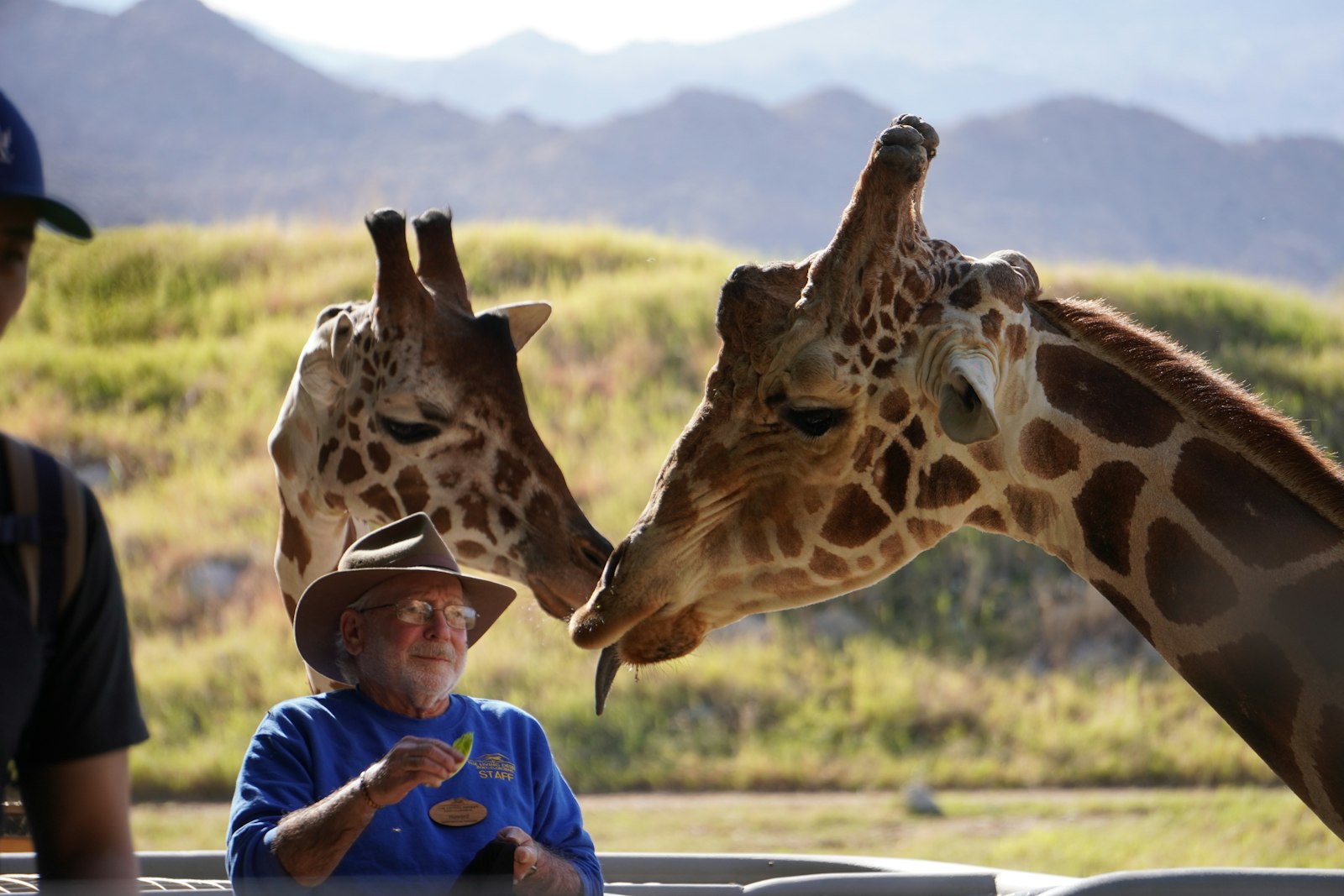
The Centre’s signature experience puts visitors on a wooden platform at exactly the right height to hand-feed pellets directly into a giraffe’s mouth — an intimate, slightly startling encounter (that tongue truly is remarkable) that no vehicle-based safari sighting can replicate at any distance.
The Rothschild Giraffe, Explained — why this subspecies needed saving specifically
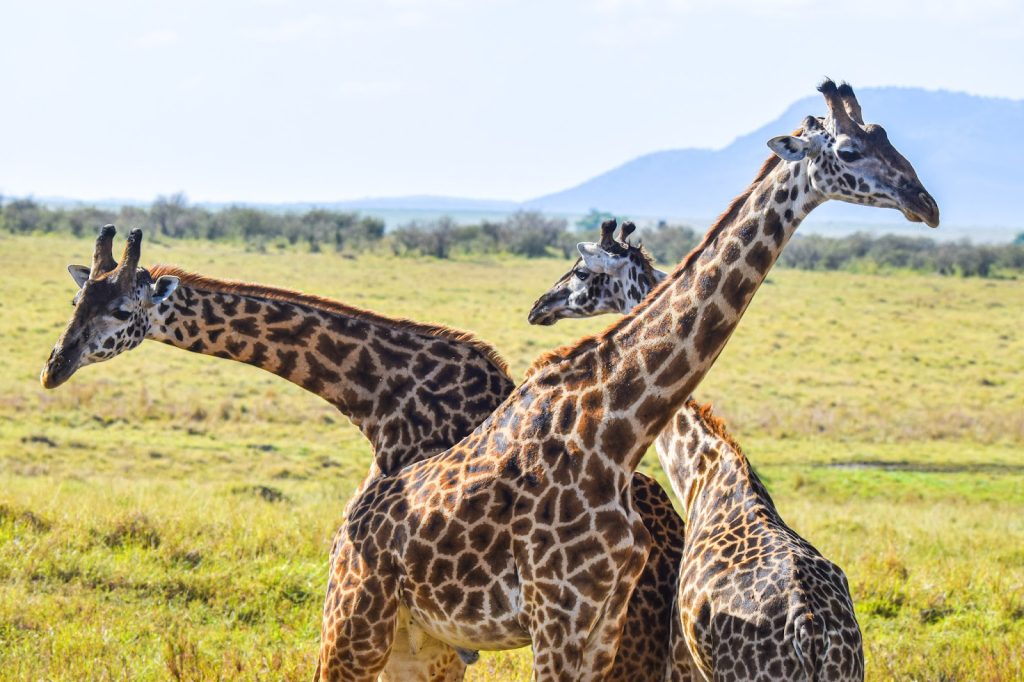
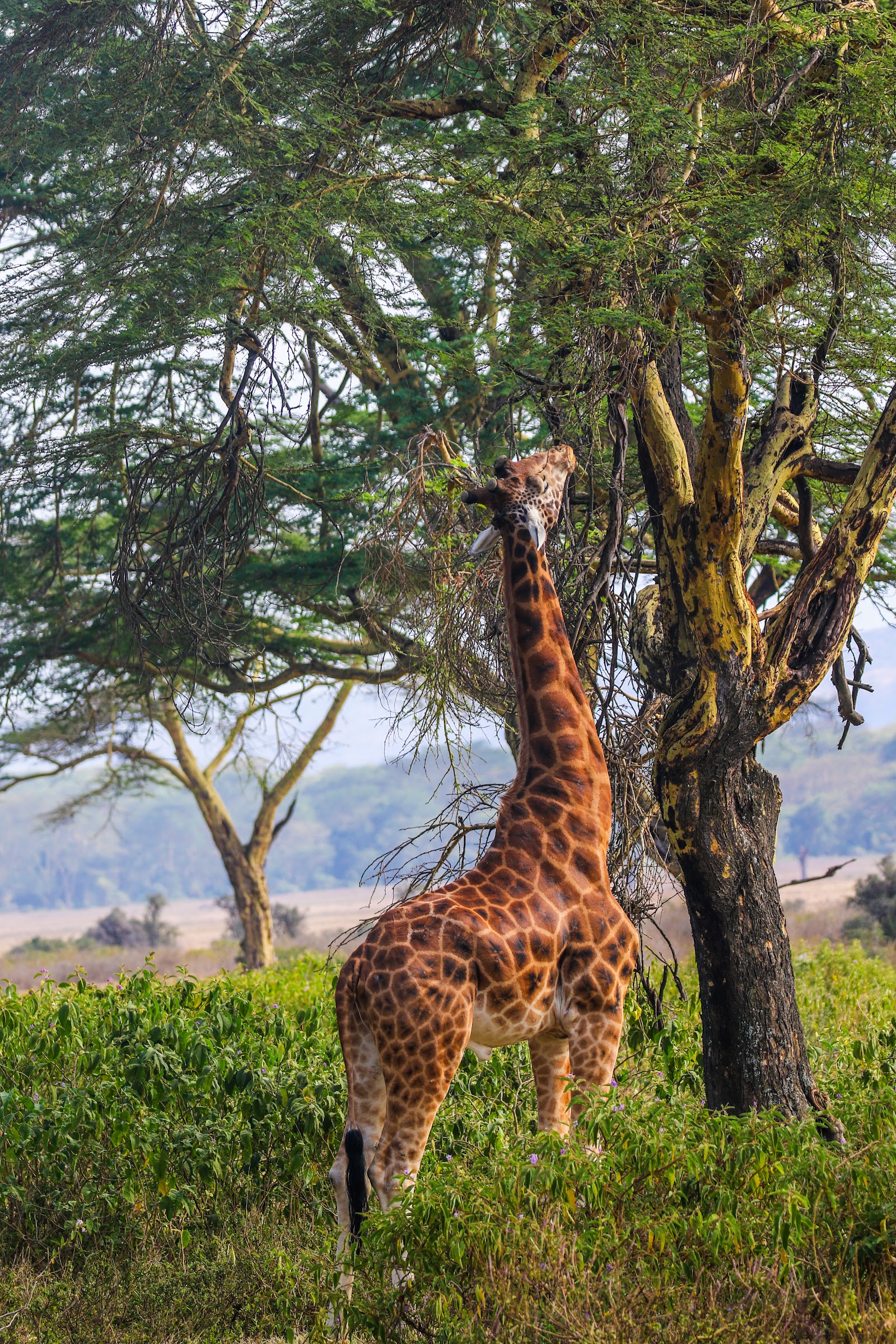
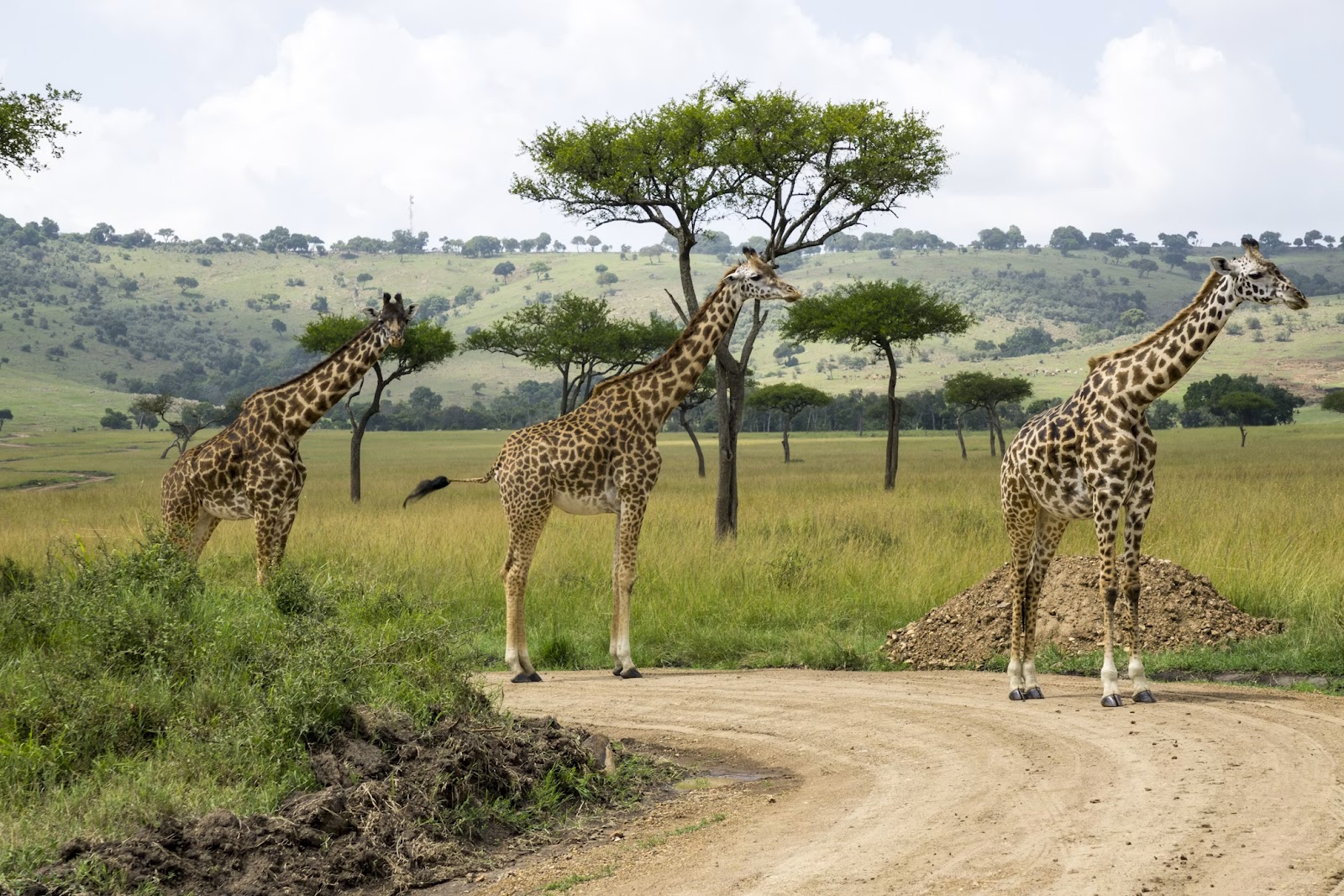
Rothschild giraffes are visually distinct from the more common Masai giraffe seen on safari — paler overall, with sharper-edged patches that fade to plain, unmarked lower legs almost like they are wearing white socks. Guides explain these differences on-site, turning a feeding session into a genuine identification lesson.
The Leslie-Melvilles’ Personal Rescue — from a backyard to a movement
The programme’s origin as two individuals raising orphaned calves at their own Lang’ata home, rather than a government or institutional initiative, gives the Centre’s history a genuinely personal, almost accidental quality — a reminder that major conservation outcomes sometimes start with one committed household rather than a grand plan.
A Genuine Conservation Success — measured in hundreds of thriving animals
Unlike many conservation stories that remain precarious for decades, the Rothschild giraffe’s recovery to 300-plus individuals across multiple secure Kenyan properties is a rare, clearly measurable win — visitors are literally feeding a member of a subspecies whose population has more than doubled since the rescue began.
The Education Centre’s Wider Mission — thousands of Kenyan schoolchildren every year
Beyond tourism, the Centre operates as a genuine nature-education institution, hosting large numbers of Kenyan school groups annually — a mission that predates and outlasts the tourist feeding platform, and one that donations and entry fees directly support.
Comparing to the Wild Encounter — why a controlled setting still has real value
A wild giraffe sighting on safari happens at a respectful distance and on the animal’s own terms, which is exactly right for wild herds — but it rarely allows the close, unhurried, educational encounter the Centre’s controlled setting provides, making the two experiences complementary rather than competing.
The Giraffe Manor Connection — the neighbouring luxury stay
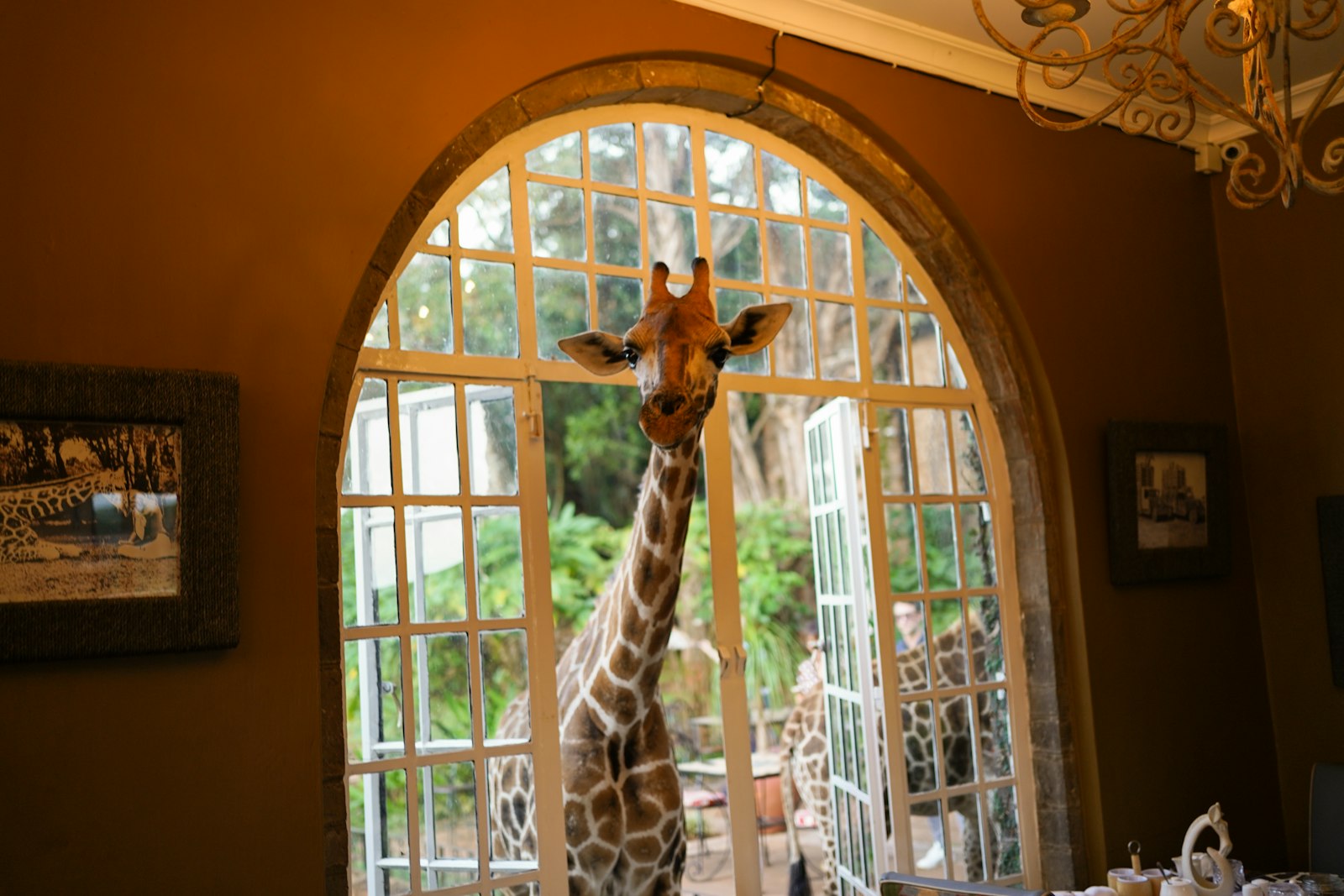
Adjacent to the Centre sits Giraffe Manor, the famous boutique hotel where the Centre’s giraffes sometimes wander onto the property and poke their heads through breakfast-room windows — not part of the Centre itself, but a natural pairing for guests wanting to extend the giraffe encounter into an overnight stay.
Timing and Combining Your Visit — the natural Lang’ata loop
The Centre sits close to several other Lang’ata-area attractions, making it easy to combine with a Nairobi National Park game drive, the Safari Walk, or the Sheldrick elephant nursery into a single, efficient day without significant backtracking across the city.
Feed a Piece of Conservation History
The Rothschild giraffe rescue is one of Kenya’s best conservation stories — see it in person. Ask us to plan your visit.
Giraffe Centre Facts
- Founded: the rescue effort began in 1979; the public education centre opened in 1983 on a 60-acre sanctuary.
- The crisis: the Rothschild giraffe had fallen to roughly 130 individuals on a single Western Kenyan ranch being subdivided for resettlement.
- The founders: Jock and Betty Leslie-Melville, through their organisation AFEW (African Fund for Endangered Wildlife).
- Recovery: more than 300 Rothschild giraffes now thrive across secure Kenyan properties including Soysambu Ranch, Kigio Conservancy and Sergoit Ranch.
- The experience: a raised wooden platform lets visitors hand-feed giraffes at eye level.
- Species ID: Rothschild giraffes are paler with sharper-edged patches and plain, unmarked lower legs, distinct from the common Masai giraffe.
- Neighbour: Giraffe Manor, the boutique hotel famous for giraffes visiting guest rooms, sits adjacent to the Centre.
- Feeding pellets: sold on-site specifically for the raised platform experience, formulated to be safe for giraffes to eat in quantity.
Combining the Giraffe Centre With Your Nairobi Day
The Centre pairs naturally with the Animal Orphanage and Nairobi Safari Walk — see our Giraffe Centre or elephant orphanage guide for practical logistics, and the wider Nairobi National Park guide for the full circuit. Book the whole loop via the Nairobi City & Wildlife day tour. Ask about morning versus afternoon feeding sessions when planning your visit, since giraffe activity and platform crowd levels both shift noticeably across the day.
Visiting the Giraffe Centre: Practical Guide
Giraffe Centre opening hours
The Giraffe Centre opens every day of the year, usually from 9 am to 5 pm. Feeding from the platform runs throughout opening hours, so you do not need to book a time slot. Check the official Giraffe Centre website before you go, as hours can change on public holidays.
Tickets
Entry is paid on arrival, and the fee includes a handful of feeding pellets. Kenyan citizens, residents and children pay less than non-resident adults. Prices are reviewed from time to time, so we confirm the current rate when we plan your day. Your ticket supports AFEW’s conservation education work, including free visits for Kenyan school groups.
Getting to the Giraffe Centre
The Giraffe Centre is in Lang’ata, on Nairobi’s south-western side, close to Karen and the edge of Nairobi National Park. From the city centre the drive takes 30 to 45 minutes, depending on traffic. From Jomo Kenyatta International Airport, allow about an hour. Taxis and ride-hailing apps work, but a driver who waits for you makes it easy to add nearby stops.
Best time to visit
Arrive soon after opening at 9 am, or come in the late afternoon. Both times are quieter than late morning, when tour groups arrive after the Sheldrick elephant nursery’s visiting hour. Weekends and Kenyan school holidays are the busiest days at the Giraffe Centre.
Giraffe Centre Feeding Tips and Rules
Feeding is simple, but a few tips make it more comfortable for you and the giraffes:
- Use only the pellets provided. They are made for giraffes; never offer your own food.
- Hold one pellet at a time on a flat palm or between your fingertips, and let the giraffe take it.
- Stay on the platform. Do not lean over the rail or climb on the barrier.
- Keep hats and loose items secure. Curious giraffes may investigate anything in reach.
- Watch for a nudge. Giraffes sometimes swing their heads, so keep small children close.
- Wash or sanitise your hands afterwards, especially before eating.
Staff sometimes show visitors the famous “giraffe kiss”, holding a pellet between the lips. It is entirely optional, and many guests prefer to feed by hand.
Giraffe Centre vs Seeing Giraffes in the Wild
The Giraffe Centre gives you a close, calm encounter that a game drive cannot. In the wild you watch giraffes from a vehicle at a respectful distance, which is exactly how it should be. The two experiences complement each other, and many guests visit the Giraffe Centre at the start of a trip and then look for wild herds on safari.
Kenya has three giraffe types: the Rothschild’s or Nubian giraffe you meet here, the Masai giraffe of Nairobi National Park and the Masai Mara, and the reticulated giraffe of Samburu. Our guide to giraffe species in Kenya explains how to tell them apart, and the Giraffe Conservation Foundation tracks their status across Africa.
Giraffe Centre With Children
The Giraffe Centre is one of the best family stops in Nairobi. Children love the moment a giraffe’s long tongue takes a pellet, and the raised platform puts them at the right height. Keep younger children close to an adult at the rail, and bring wipes for sticky hands. For more ideas, read our Nairobi layover with kids guide.
A Half-Day Plan Around the Giraffe Centre
- 9:00 – start at the Giraffe Centre while it is quiet.
- 10:15 – drive to the Karen Blixen Museum, the Out of Africa farmhouse.
- 11:00 – watch the baby elephants at the Sheldrick nursery during its public visiting hour.
- 12:30 – lunch in Karen, or continue to a Nairobi National Park game drive.
Our Giraffe Centre or elephant orphanage guide helps if you only have time for one, and our guide to the best day trips from Nairobi has more ideas.
Tours That Include the Giraffe Centre
- Nairobi City & Wildlife Day Tour – baby elephants, the Giraffe Centre and Kenyan culture, from USD 120 per person.
- Nairobi Culture Day Tour – wildlife and heritage in one day, from USD 130 per person.
- Karen Blixen Museum Tour – a half day in Karen that pairs well with a giraffe visit.
If you would like to stay overnight with the giraffes, read our Giraffe Manor guide. For the wider Kenya picture, the official Magical Kenya tourism site is a good starting point.
A Species Saved, One Feeding at a Time
Come meet the Rothschild giraffe and hear how close it came to vanishing. Message us to plan your visit.
Frequently Asked Questions
What is the Giraffe Centre in Nairobi?
The Giraffe Centre in Nairobi is a 60-acre sanctuary and education centre in Lang’ata run by AFEW, built around the rescue of the endangered Rothschild giraffe, where visitors hand-feed giraffes from a raised wooden platform at eye level.
Why was the Rothschild giraffe endangered?
The Rothschild giraffe had fallen to roughly 130 individuals by the late 1970s after losing almost all its historic range, with the last significant population confined to a single Western Kenyan ranch being subdivided for resettlement — prompting the rescue that founded the Giraffe Centre.
Who founded the Giraffe Centre in Nairobi?
The Giraffe Centre traces back to Jock and Betty Leslie-Melville, who founded the African Fund for Endangered Wildlife (AFEW) in 1979 and began raising two orphaned Rothschild giraffe calves at their own Lang’ata home before the public centre opened in 1983.
Can you feed giraffes at the Nairobi Giraffe Centre?
Yes — the Centre’s signature experience is a raised wooden feeding platform where visitors hand-feed pellets directly into a giraffe’s mouth at eye level, one of Nairobi’s most popular close wildlife encounters.
Is the Giraffe Centre near Giraffe Manor?
Yes — Giraffe Manor, the famous boutique hotel where giraffes sometimes put their heads through breakfast-room windows, sits directly adjacent to the Giraffe Centre, though it operates as a separate, independent property.
How much time should I budget for the Giraffe Centre?
Most visitors comfortably experience the Giraffe Centre’s feeding platform, information displays and grounds in about 45-60 minutes, making it an easy single stop within a larger half-day or full-day Nairobi wildlife itinerary.
What are the Giraffe Centre opening hours?
The Giraffe Centre in Lang’ata usually opens every day from 9 am to 5 pm, including weekends. Feeding from the raised platform runs throughout the day, so there is no need to book a slot. Arrive soon after opening or in the late afternoon for the quietest visit.
Is the Giraffe Centre worth visiting?
Yes. The Giraffe Centre offers a rare chance to feed an endangered Rothschild’s giraffe at eye level, and your entry fee supports conservation education in Kenya. It takes under an hour, suits all ages and combines easily with the Sheldrick nursery and Karen Blixen Museum nearby.