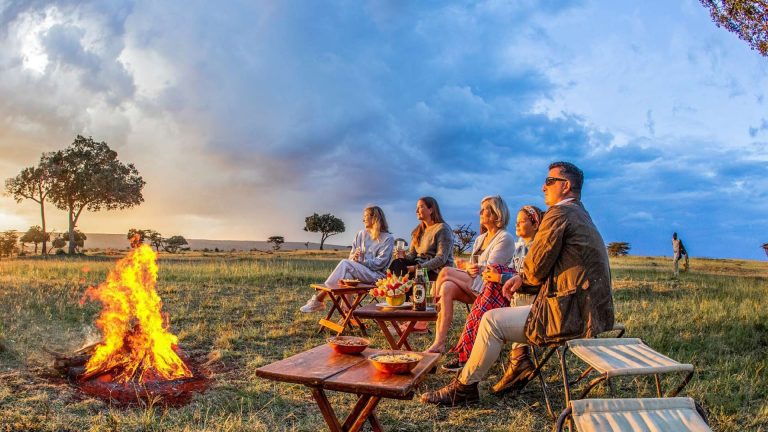


Akagera National Park is African conservation’s comeback story in miniature. After Rwanda’s 1994 genocide, returning refugees settled across much of the park’s land and cattle replaced wildlife across huge areas; by the early 2000s Akagera had shrunk to a fraction of its former size and lost its lions and rhinos entirely. A dedicated management partnership beginning in 2010 reversed the collapse with startling speed: lions were reintroduced in 2015, black rhinos in 2017, and today Akagera is once again a genuine Big Five park — the only one in Rwanda — set among rolling savannah, papyrus swamp and a chain of lakes fed by the Akagera River. For a country famous almost exclusively for gorillas, Akagera adds a completely different, equally compelling safari day. Sense of Adventure includes it whenever a Rwanda itinerary has room.
Rwanda’s Savannah Surprise
Lions, rhinos and lake-country game drives most gorilla-focused itineraries never see. Ask us to add Akagera.
How Akagera Came Back From the Brink
Post-genocide land pressure and poaching had gutted Akagera by the early 2000s — its lion population extinct, rhinos gone, elephants and other game severely reduced, and much of its historic area converted to farmland and cattle grazing. A partnership between the Rwanda Development Board and African Parks, formalised in 2010, rebuilt the park methodically: a boundary fence to end human-wildlife conflict, intensive anti-poaching, and phased reintroductions — seven lions from South Africa in 2015, followed by eastern black rhinos in 2017 and further founder rhinos since. The results are striking: Akagera today holds a genuine, breeding Big Five population across savannah hills, papyrus swamp and a beautiful lake system including Lake Ihema, all within a manageable 1,122 km² that suits a single well-paced day or two of game drives.

We came to Rwanda purely for gorillas and almost skipped Akagera — biggest mistake we nearly made. Lions at dawn, a black rhino at dusk, hippos stacked along Lake Ihema all afternoon. It felt like a whole separate country’s worth of safari tacked onto the gorilla trip.
— Sense of Adventure guest, Rwanda gorillas-and-savannah combination
The 5 Essential Akagera Experiences
The Big Five, Rebuilt — lions and rhinos back from zero
Akagera is the only place in Rwanda to see lions and rhinos, both reintroduced after local extinction — seven lions in 2015, black rhinos from 2017. Meeting either species here carries extra weight knowing the population was built from nothing within the last decade, a genuinely rare conservation success to witness firsthand.
Lake Ihema Boat Safari — hippos, crocodiles and fish eagles
A boat cruise on Lake Ihema, Akagera’s largest lake, delivers hippo pods, sizeable Nile crocodiles and excellent birding along the papyrus-lined shore — a relaxed, scenic complement to the savannah game drives and one of the park’s most popular half-day activities.
Savannah Game Drives — rolling hills, not flat plains
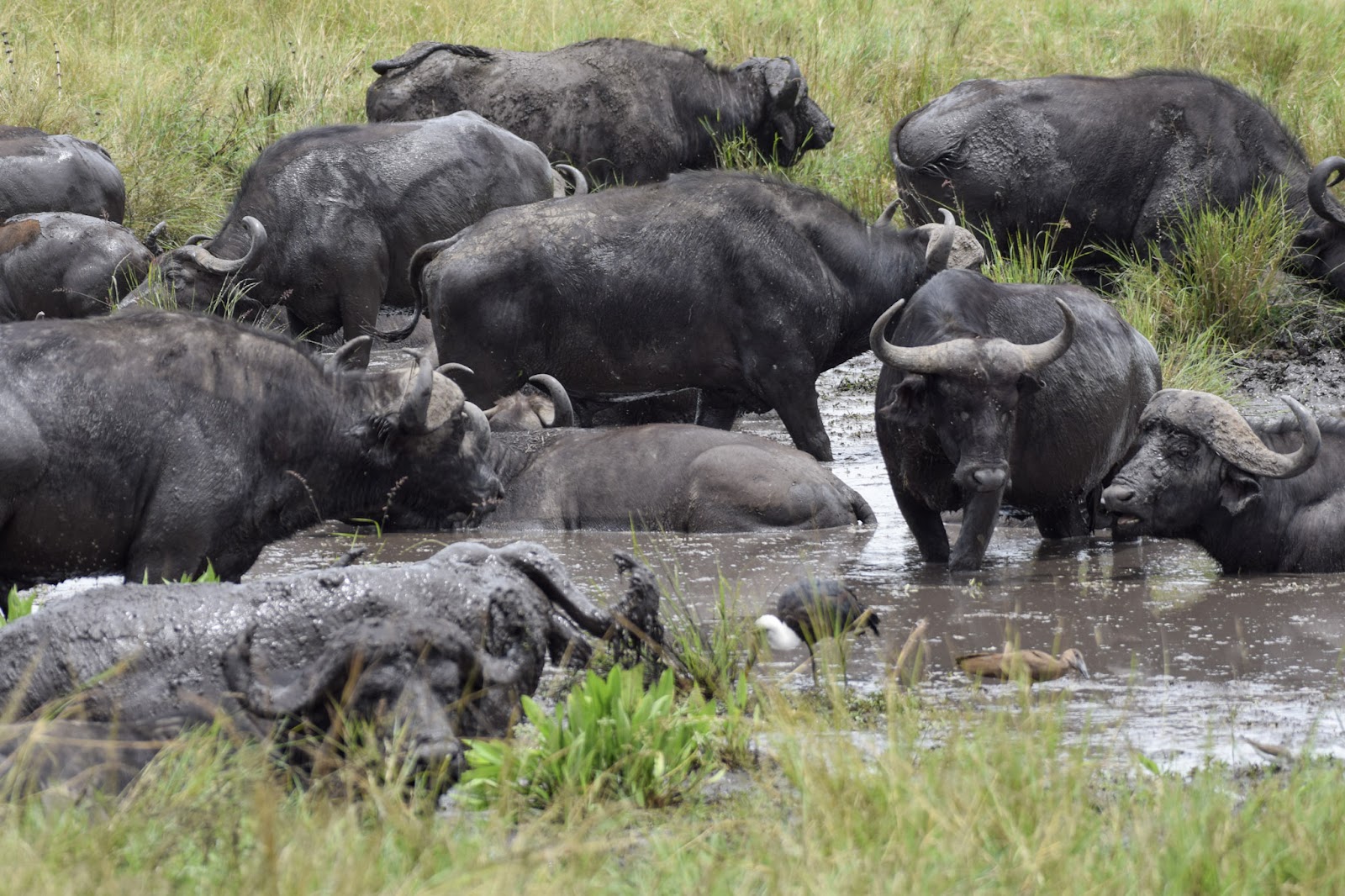
Unlike the flat plains of Kenya’s Mara or Tanzania’s Serengeti, Akagera’s landscape rolls across hills and valleys dotted with acacia — giving game drives a genuinely different visual character while still delivering elephant, buffalo, zebra, giraffe and antelope in healthy numbers.
Birding the Papyrus Swamps — over 500 species, including rarities
Akagera’s wetlands hold more than 500 recorded bird species, including the rare shoebill stork in the papyrus swamps near Lake Ihema — a serious draw for birders visiting a country otherwise known for primates rather than birdlife.
Combining Savannah With Gorillas — the two-sided Rwanda trip
Akagera sits a manageable drive from Kigali, making it straightforward to combine with Volcanoes National Park gorilla trekking for a complete Rwanda itinerary — mountain primates and savannah Big Five in one compact country, a combination few travellers realise is possible.
Add the Savannah Half of Rwanda
Most gorilla itineraries skip Akagera entirely. Ask us to include Rwanda’s comeback Big Five park in your trip.
Akagera Facts
- Recovery timeline: lions reintroduced 2015, black rhinos from 2017 — both locally extinct before then.
- Management: run in partnership between the Rwanda Development Board and African Parks since 2010.
- Scale: 1,122 km², compact enough for a well-paced day or two of game drives.
- Landscape: rolling savannah hills, acacia woodland, papyrus swamp and a chain of lakes fed by the Akagera River.
- Birdlife: over 500 species, including the rare shoebill stork in the wetlands.
- Access: about 2.5-3 hours by road from Kigali — an easy addition to a gorilla-focused Rwanda trip.
Building Akagera Into Your Rwanda Trip
Akagera completes our Gorillas & Savannah 11-day circuit, and stands alone as a strong 2-3 day addition to any Rwanda itinerary. See the Rwanda safari guide for full planning, and pair it with golden monkey or gorilla trekking for the complete Rwanda experience.
Rwanda Is More Than Gorillas
Lions and rhinos, rebuilt from nothing in a decade. Message us to add Akagera to your Rwanda safari.
Frequently Asked Questions
Does Rwanda have a Big Five safari park?
Yes — Akagera National Park is Rwanda’s only Big Five destination, having rebuilt its lion population (reintroduced 2015) and black rhino population (reintroduced from 2017) after both went locally extinct, alongside existing elephant, buffalo and leopard populations.
Why did Akagera lose its lions and rhinos?
Post-1994 genocide land pressure, cattle grazing and poaching severely degraded Akagera through the 1990s and 2000s, eliminating its lion and rhino populations entirely. A 2010 partnership between the Rwanda Development Board and African Parks rebuilt the park and reintroduced both species.
Can you combine gorilla trekking with Akagera National Park?
Yes — Akagera sits roughly 2.5-3 hours by road from Kigali, making it a straightforward addition to a Volcanoes National Park gorilla trekking itinerary. Many Rwanda trips now combine mountain primates with a savannah Big Five safari in one compact country.
What animals can you see at Akagera National Park?
Akagera holds all of the Big Five — lion, leopard, rhino, elephant and buffalo — alongside zebra, giraffe, antelope species, hippo and crocodile in its lakes, and over 500 recorded bird species including the rare shoebill stork.
How far is Akagera National Park from Kigali?
Akagera National Park is about 2.5-3 hours’ drive from Kigali, Rwanda’s capital, making it an easily accessible addition for travellers already in the country for gorilla trekking in Volcanoes National Park.