
Eco-lodges and sustainable safari camps in Kenya aren’t just a marketing label — many are independently certified, solar-powered, and directly fund the community conservancies they sit inside. Understanding where the conservation fee on your bill actually goes changes how you look at the price tag.
Stay Somewhere That Gives Back
Message us on WhatsApp and we’ll recommend eco-certified camps and conservancies for your Kenya safari.
How the Conservation Fee on Your Bill Actually Works
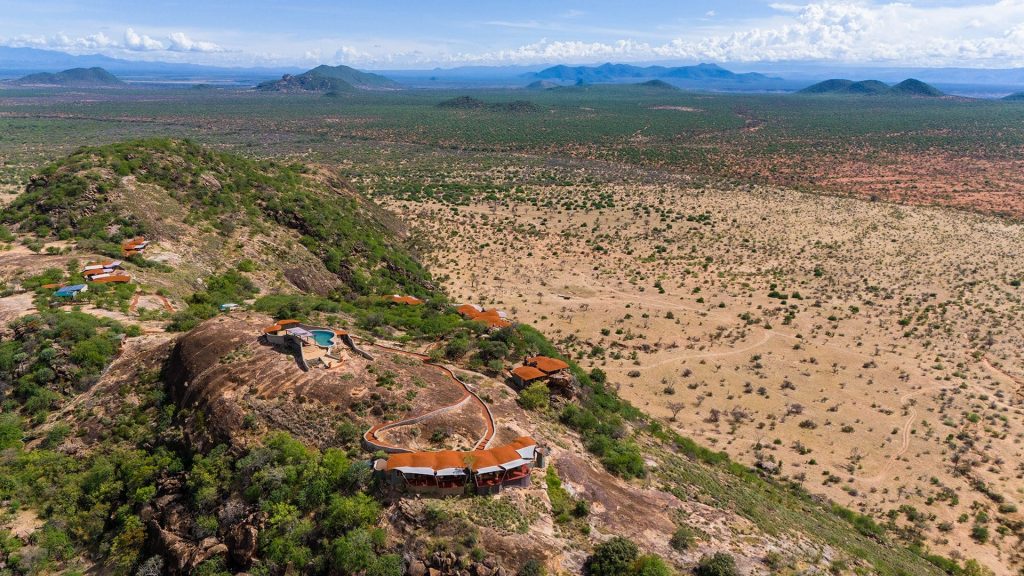
Most conservancy camps in Kenya charge a nightly conservation fee, typically $70-200 per person, separate from the room rate. This isn’t an add-on for its own sake — in Kenya’s private conservancy model, land that would otherwise have no direct income is leased from Maasai, Samburu or other local landowners specifically because tourism revenue funds it, paying for anti-poaching patrols, community schools and clinics, and habitat protection. At Campi ya Kanzi near Amboseli, for example, the Maasai community that owns the land uses conservation fee proceeds to fund local schools and clinics directly.
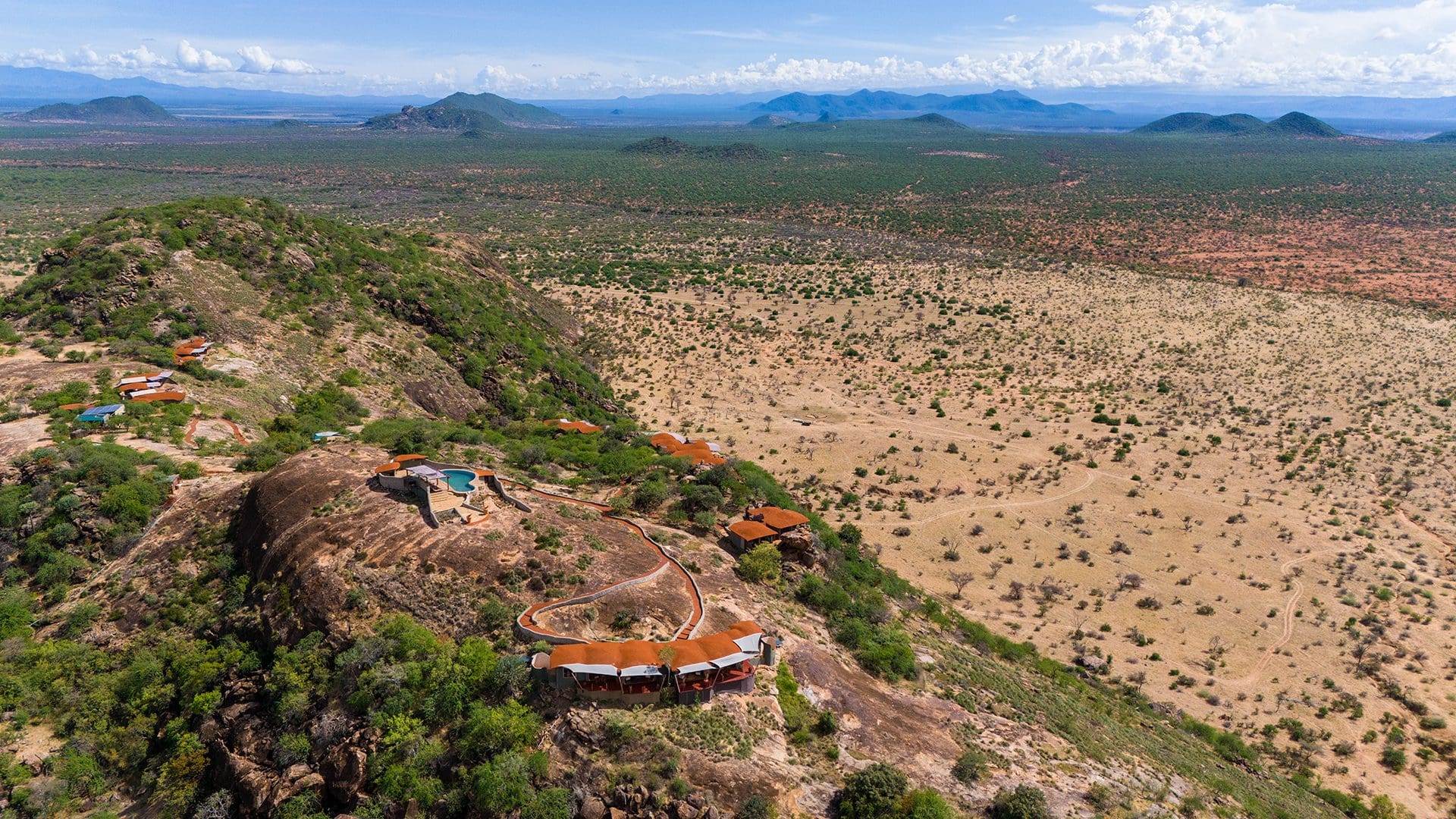
Knowing our nightly fee was directly paying for anti-poaching rangers and the local school changed how we felt about the price — it wasn’t a hotel bill, it was actually funding the wildlife and community around us.
— Sense of Adventure guest, conservancy stay
What Makes a Kenya Safari Camp Genuinely Sustainable
Conservation Fees Fund Real Conservation — $70-200 per person per night, separate from the room rate
This fee pays for anti-poaching patrols, habitat protection and community projects on land leased directly from local landowners — it’s the financial backbone of Kenya’s conservancy model.
Ecotourism Kenya Certification — look for Gold Eco-rating
Several Kenyan lodges hold Gold Eco-rating Certification from Ecotourism Kenya, an independent verification of genuinely sustainable practices rather than a self-applied label.
Solar Power & Low-Impact Infrastructure — increasingly standard at certified camps
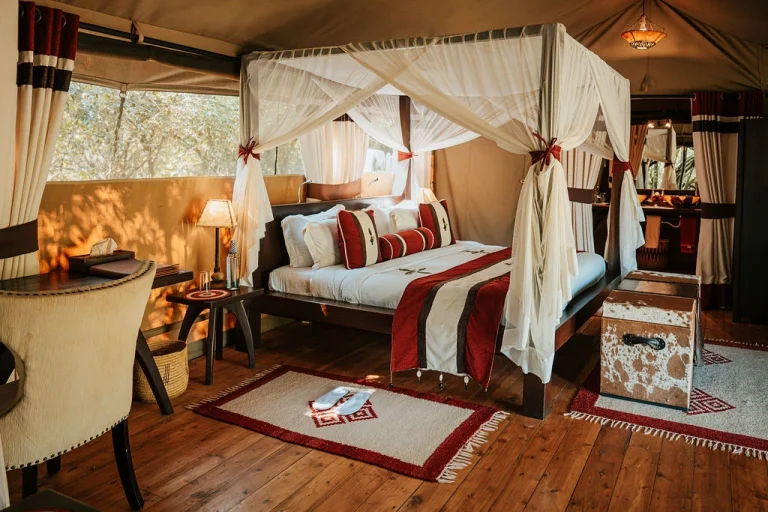
Many eco-certified properties are primarily powered by solar or wind energy and use systems like Biobox wastewater treatment to minimise their footprint on sensitive conservancy land.
Community Ownership & Employment — the Porini model
At Porini’s camps, around 95% of staff come from nearby villages, and each tent funds the protection of roughly 700 acres of habitat at conservancies like Selenkay in Amboseli — tourism revenue and local employment tied directly together.
It Doesn’t Have to Cost More — sustainable options span every budget
Certified sustainable stays in Kenya range from budget camping around $7 a night to luxury lodges well above $400 — sustainability is a practice, not a price bracket.
Ask Us Which Camps Are Genuinely Certified
Message us on WhatsApp — we’ll point you to real Ecotourism Kenya-rated stays, not just green marketing.
Eco-Lodges & Conservation Fees at a Glance
- Conservation fee: typically $70-200 per person per night, separate from accommodation, funding the conservancy land your camp sits on.
- Certification: look for Ecotourism Kenya’s Gold Eco-rating — independently verified, not self-applied.
- Power: many certified camps run primarily on solar or wind energy.
- Community model: conservancies lease land from local Maasai, Samburu and other landowners, tying tourism revenue directly to community income.
- Staffing: community-run camps like Porini’s often draw around 95% of staff from nearby villages.
- Price range: sustainable stays span from roughly $7/night budget camping to $400+/night luxury lodges — no single price bracket.
Stay in a Kenya Conservancy
Several of our luxury safari packages already include conservancy stays, and our earlier guide on tented camps vs lodges covers the accommodation style questions that pair naturally with choosing a genuinely sustainable camp.
Give Back While You Travel
Message us on WhatsApp and we’ll build your itinerary around genuinely sustainable stays.
Frequently Asked Questions
What is a conservation fee on a Kenya safari?
A nightly charge, typically $70-200 per person, separate from the room rate, that funds the conservancy land your camp sits on — anti-poaching patrols, habitat protection and community projects like schools and clinics.
How do I know if a Kenya lodge is genuinely eco-friendly?
Look for Ecotourism Kenya’s Gold Eco-rating Certification, an independent verification of sustainable practices, rather than relying on marketing language alone.
Do eco-lodges in Kenya cost more than regular camps?
Not necessarily — certified sustainable stays range from roughly $7 a night for budget camping to over $400 for luxury lodges, spanning every budget.
How do conservancies benefit local communities?
Conservancies lease land directly from local Maasai, Samburu and other landowners, and tourism revenue funds community projects and employment — some camps draw around 95% of their staff from nearby villages.
What powers a typical Kenyan eco-lodge?
Many certified sustainable camps run primarily on solar or wind energy and use low-impact systems like Biobox wastewater treatment.