
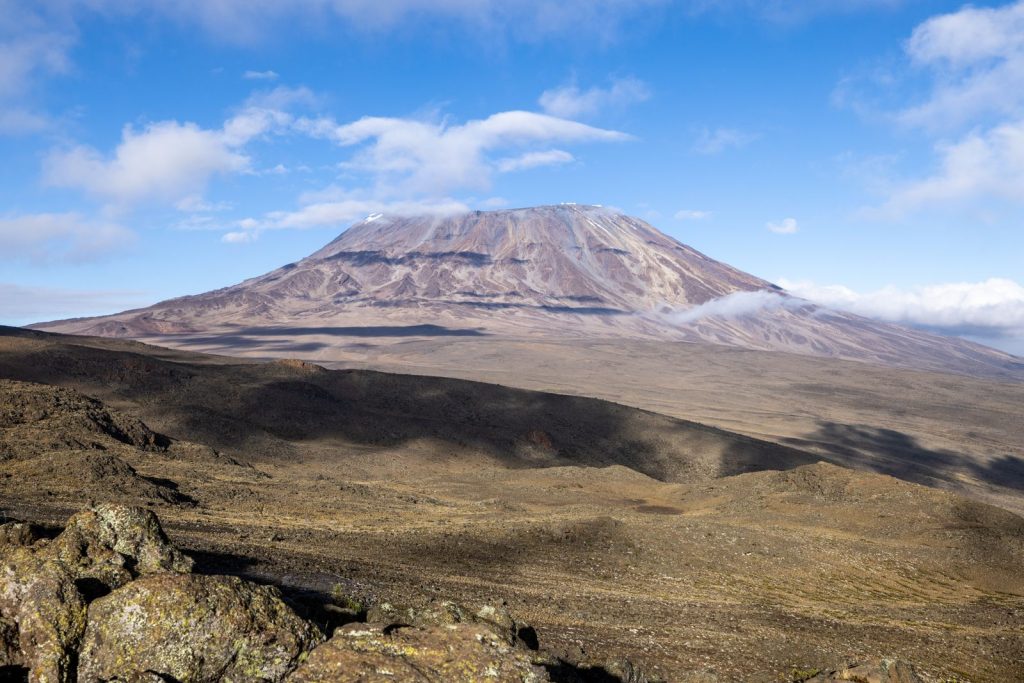
Marangu vs Machame is the first real decision any Kilimanjaro climber makes, and it shapes the whole expedition. Marangu — nicknamed the “Coca-Cola route” for its relative comfort — is the mountain’s oldest path, sleeping climbers in permanent huts and offering the gentlest approach on paper. Machame — the “Whiskey route” — trades huts for tents and adds a tougher, more scenic path over the Barranco Wall, but rewards the extra effort with meaningfully better summit success rates thanks to superior acclimatisation. Neither is objectively “easier”; they suit different climbers. Sense of Adventure runs both, and this comparison reflects what we actually see on the mountain, not just brochure copy.
Pick the Route That Fits You
Comfort or scenery, speed or success rate — tell us your priorities and we’ll recommend honestly.
The Core Trade-Off Between the Two Routes
Marangu is the only route with hut accommodation — bunk beds, dining halls, basic toilets — which appeals to climbers wanting shelter from Kilimanjaro’s notorious weather swings. It approaches from the east and can be done in as few as five days, but that same speed is its weakness: less time to acclimatise to the mountain’s altitude means measurably lower summit success. Machame approaches from the south, tents pitched at each camp, crossing more varied terrain — including the hands-on Barranco Wall scramble — and typically runs six to seven days. The extra day and greater elevation variation give the body more time to adjust, which is why guides overwhelmingly favour Machame or its longer siblings (Lemosho, Northern Circuit) for climbers serious about reaching Uhuru Peak.
We nearly booked Marangu for the huts, then our guide talked us into Machame’s extra acclimatisation day. Summit night was brutal either way, but every single one of our group of six made it — our guide said Marangu groups that week were running about half that. Worth every extra tent night.
— Sense of Adventure guest, Machame route climb
The 5 Deciding Factors Between Marangu and Machame
Accommodation: Huts vs Tents — comfort versus flexibility
Marangu’s permanent A-frame huts offer real beds, a dining hall and shelter from sudden storms — genuinely appealing after a long trekking day. Machame means a proper tent every night, colder and more exposed but far more scenic camp locations. Climbers who prioritise creature comforts over camp views should lean Marangu; most experienced trekkers still choose tents.
Acclimatisation & Success Rates — the numbers that matter most
This is the crux of the decision: Marangu’s standard 5-day itinerary gives the body less time at altitude before summit night, and published success rates sit meaningfully lower (often cited around 60-70%) than Machame’s 6-7 day profile (often 85-90%+). Adding a 6th day to Marangu itself substantially improves its odds — we recommend it whenever schedule allows.
Scenery & Route Variety — one path vs a loop
Marangu ascends and descends the same trail — efficient, but repetitive. Machame climbs through five distinct ecological zones and takes a genuinely different, more dramatic route, including the iconic Barranco Wall scramble (exposed but non-technical, hands-on-rock fun rather than danger). For climbers who want the trek itself to be memorable, Machame wins clearly.
Crowds & Trail Character — popularity has a cost
Both routes are popular, but Machame has overtaken Marangu as Kilimanjaro’s busiest path, meaning fuller campsites and queued sections at bottlenecks like the Barranco Wall. Marangu’s huts have fixed capacity too. Climbers most averse to crowds should ask about the quieter Lemosho or Rongai alternatives — we can advise honestly on current trail traffic.
Difficulty in Practice — gentler gradient vs varied terrain
Marangu’s gradient is gentler and the walking easier day to day, which is why it is marketed as beginner-friendly — but easier walking with worse acclimatisation is a false economy on summit night. Machame’s terrain is more physically varied and occasionally steep, but paired with proper time, most climbers find it the more manageable expedition overall.
We’ll Match the Route to Your Fitness & Time
Tell us your schedule and comfort needs — we’ll recommend Marangu, Machame or an alternative honestly.
Marangu vs Machame at a Glance
- Marangu: 5-6 days, hut accommodation, gentler daily gradient, lower summit success at the shorter duration.
- Machame: 6-7 days, tented camps, varied scenic terrain including the Barranco Wall, notably higher summit success.
- The golden rule: more days at altitude before summit night is the single biggest factor in reaching the top safely.
- Both approach different sides: Marangu from the east, Machame from the south — no shared trail sections.
- Toilets: Marangu huts have basic facilities; Machame uses portable or long-drop toilets at camp.
- Our recommendation: if time and fitness allow, choose the longer itinerary on either route — 7+ days meaningfully raises your odds.
Booking Your Kilimanjaro Climb
We run the 6-day Marangu Route trek and the 7-day Machame Route trek — both fully guided and porter-supported. Read the wider Kilimanjaro climb guide for gear and training advice, and see the best climbing season for East Africa.
Uhuru Peak Is Waiting Either Way
Tell us your dates and priorities — we’ll set you on the route that gets you to the roof of Africa.
Frequently Asked Questions
Which is better, Marangu or Machame route on Kilimanjaro?
Machame generally offers better summit success rates thanks to superior acclimatisation and more scenic, varied terrain, while Marangu offers the comfort of permanent huts and a gentler daily gradient. Serious climbers usually choose Machame or longer; comfort-focused first-timers sometimes prefer Marangu.
What is the success rate difference between Marangu and Machame?
Standard 5-day Marangu itineraries see summit success often cited around 60-70%, while 6-7 day Machame itineraries commonly reach 85-90%+, because extra days and varied elevation profiles allow better acclimatisation. Adding a day to either route significantly improves its odds.
Does Marangu route have huts on Kilimanjaro?
Yes — Marangu is Kilimanjaro’s only route with permanent hut accommodation (bunk beds and dining halls) rather than tents, which is why it is nicknamed the “Coca-Cola route”. All other routes, including Machame, use tented camps throughout.
Is the Machame route harder than Marangu?
Machame’s terrain is more varied and includes the hands-on Barranco Wall scramble, making daily walking somewhat more physically demanding than Marangu’s gentler, repeated path. However, Machame’s better acclimatisation profile often makes the overall summit attempt more manageable despite the harder trekking.
How many days do I need to climb Kilimanjaro?
A minimum of 6-7 days is recommended regardless of route, since more time at altitude before summit night is the single biggest factor in both safety and summit success. Shorter 5-day Marangu climbs are possible but carry meaningfully lower success rates.