
Maasai village visit experiences turn a Masai Mara safari from a wildlife trip into a journey into living culture. The Maasai have herded cattle across these plains for centuries, and the reserve itself sits on their ancestral land — the animals you photograph graze beside their cattle every day. A village (enkang or, commonly, manyatta) visit welcomes you inside that world: warriors performing the adumu jumping dance, grandmothers building mud-and-dung homes, children reciting their clan lines. Done respectfully — the way Sense of Adventure arranges it with partner villages — it is consistently the hour guests talk about longest after they fly home.
Meet the People of the Mara
We partner with genuine family villages near the reserve — fair fees paid directly, no staged tourist shows. Add a visit to any safari.
What a Maasai Village Visit Actually Involves
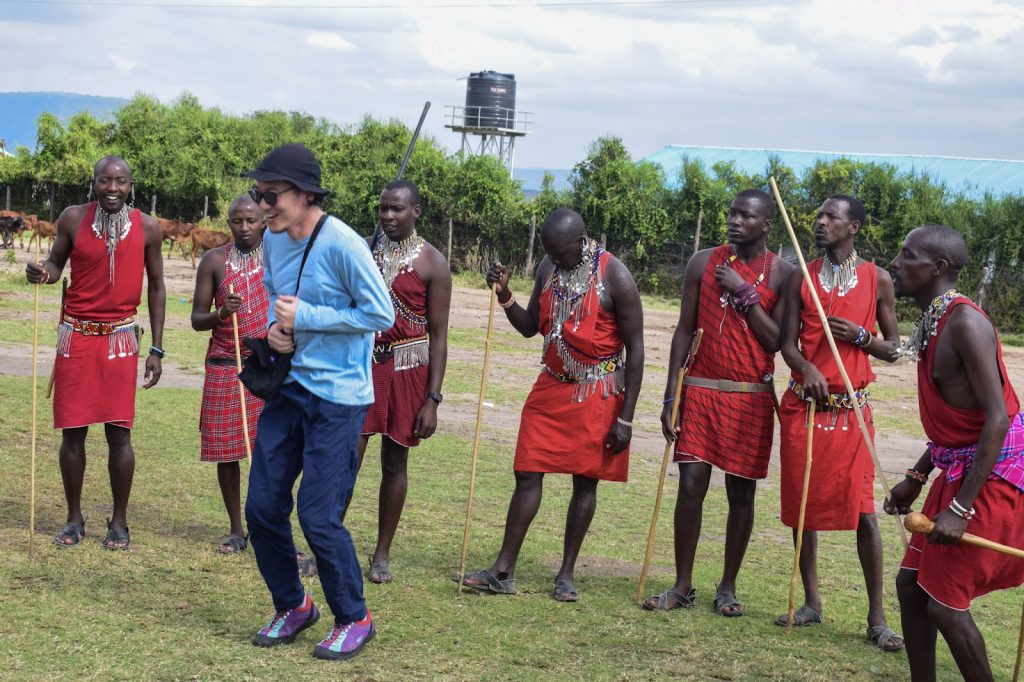
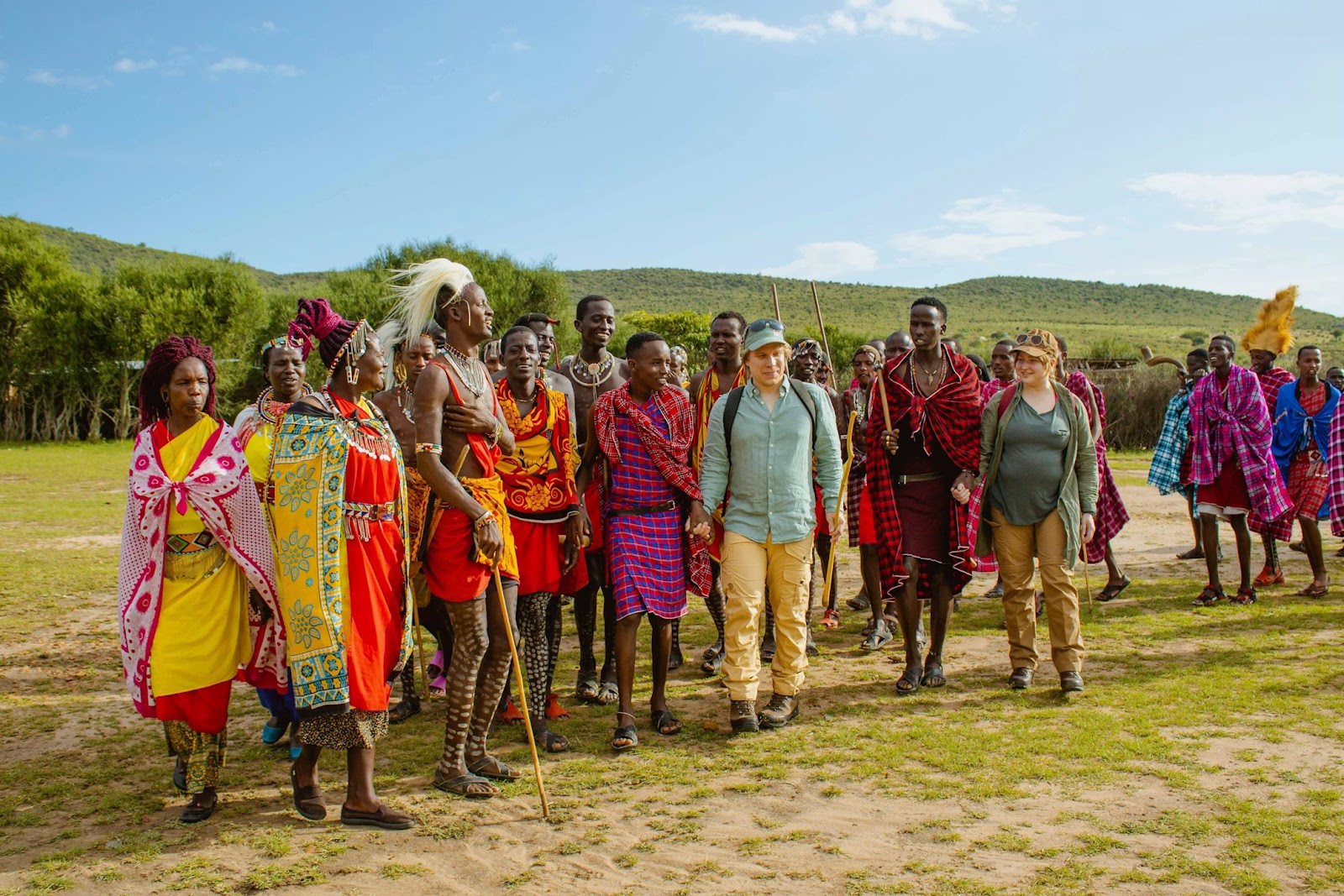
A typical visit lasts about an hour and starts at the thorn-fence gateway, where warriors in red shukas welcome you with song before the famous adumu — the jumping dance where young men launch vertically a metre or more, the highest jumper earning the most admiration. You are then invited through the village: inside a low, smoke-scented inkajijik home built by the women, around the central cattle enclosure, and past demonstrations of fire-making with sticks and traditional beadwork. Your fee — typically paid per vehicle or per guest — goes to the host family and community projects, including school fees.
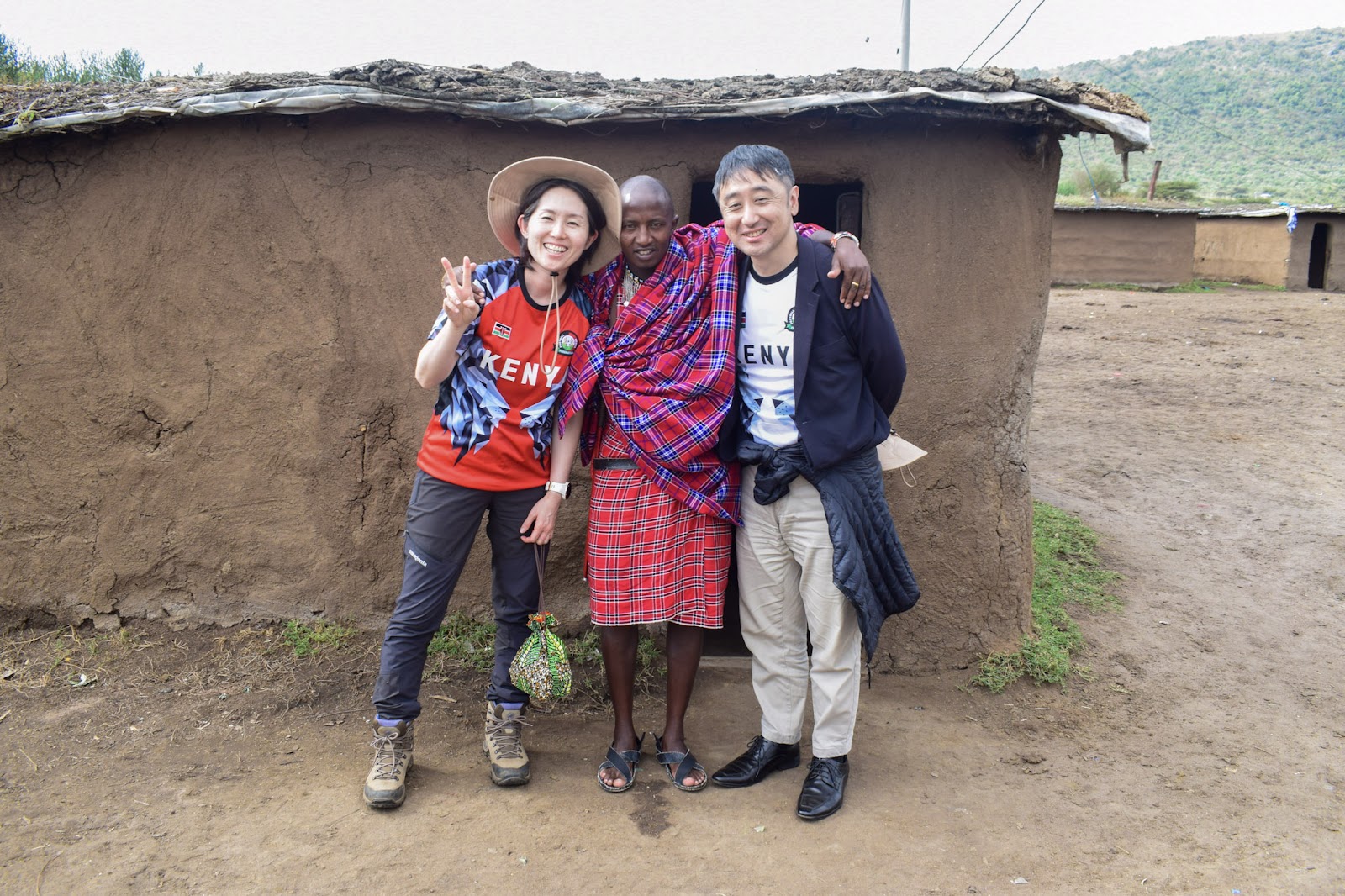
The jumping dance pulled our whole group in — my husband was terrible at it and the warriors found that hilarious. Then an elder walked us through his home and answered every question straight. It felt human, not staged. Easily the most memorable hour of the week.
— Sense of Adventure guest, honeymoon safari
The 5 Essential Moments of a Maasai Village Visit
The Adumu Jumping Dance — centuries of ceremony in every leap
The adumu comes from the eunoto warrior ceremony, where jumping displays strength and stamina to the community. Warriors form a chanting circle and take turns leaping — straight-backed, heels never touching down — while the pitch of the song rises with each jump. Guests are always invited to try, and the laughter that follows breaks every barrier in seconds.
Inside an Inkajijik Home — architecture with zero waste
Maasai homes are built by women from branches, grass and cattle-dung plaster — cool by day, warm by night, and completely renewable. Inside you’ll find the hearth, sleeping hides and calf pen arranged in a layout unchanged for generations. Standing in that firelit space reframes everything you think you know about “simple” living.
Fire From Two Sticks — the oldest trick still working
Warriors spin a hard olive stick against a soft cedar base until an ember glows, then coax it to flame in dry donkey dung — under a minute, every time. Guests get a turn, and the new respect for a matchbox is universal. It is a small demonstration that lands harder than any museum exhibit.
Beadwork and the Market Circle — wearable meaning, fair prices
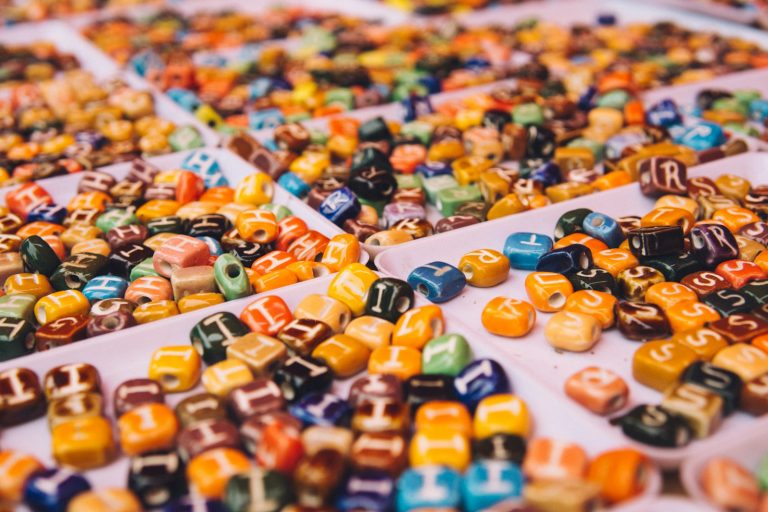
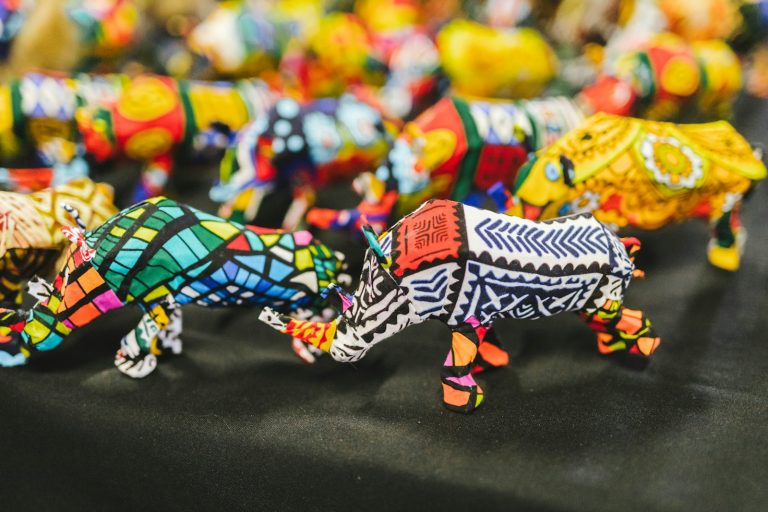
Every colour in Maasai beadwork speaks: red for bravery and cattle blood, blue for the sky and rain, white for milk and purity, green for the land. The women lay their work in a circle at the end of your visit. Haggling gently is expected and fine — but remember each purchase funds real households, and prices are modest by any standard.
Questions With an Elder — the conversation you came for
The best part of a respectful visit is unscripted: asking an elder about cattle wealth, age-sets, lion encounters, marriage customs or how the community balances tradition with smartphones and schooling. Nothing is off the table when trust is established — and our long-term village partnerships mean it usually is.
Add a Village Visit to Your Safari
One unforgettable hour, arranged with a genuine host family. Tell us your Mara dates and we’ll slot it into your game-drive plan.
Maasai Village Visit Facts & Etiquette
- Ask before photographing: always ask before pointing a camera at a person — your village fee generally covers group photos, but individual portraits deserve a request.
- Fees: expect a set visit fee per group or guest; it goes to the host family and community projects, and we confirm it transparently before you go.
- Dress: modest, casual safari wear is perfect; you will walk on uneven, dusty ground shared with cattle.
- Timing: visits run about 1 hour and slot neatly between a morning game drive and lunch.
- Gifts: school supplies beat sweets; better still, buy beadwork — it puts money where it matters with dignity.
- Respect the pace: greet elders first, accept invitations to enter homes, and let your host lead the route.
Pairing Culture With Your Wildlife Days
Most guests add a village visit to a classic 3-day Masai Mara safari, but culture can lead the itinerary too: our 4-day Maasai Cultural & Wildlife Safari weaves village life, community walks and game drives together. Day visitors from Nairobi can get a taste on the Maasai Village Cultural Day Tour, and our Maasai culture guide covers the deeper history.
Come as a Guest, Leave as a Friend
The Mara’s people are as extraordinary as its wildlife. Message us to add a respectful village visit to your safari.
Frequently Asked Questions
What happens on a Maasai village visit?
A Maasai village visit typically lasts about an hour: warriors welcome you with song and the adumu jumping dance, you tour the thorn-fenced enkang and step inside a mud-and-dung family home, watch fire-making and beadwork demonstrations, and finish with questions to an elder and a small craft market.
How much does a Maasai village visit cost?
Most Maasai village visits near the Masai Mara charge a set fee per guest or per vehicle, agreed in advance. The money goes to the host family and community projects such as school fees. Sense of Adventure confirms the exact fee transparently when we book your visit.
Is a Maasai village visit authentic or staged?
It depends entirely on the village and operator. A good Maasai village visit hosts you in a genuine family enkang where people actually live, not a purpose-built show village. We partner long-term with specific host families near the reserve, which keeps the welcome real and the benefits local.
Can you take photos at a Maasai village?
Yes — your Maasai village visit fee normally covers photography of the dances and village scenes. Always ask before taking close-up portraits of individuals, and expect children to want to see their picture on your screen. Drone photography needs specific permission and is usually declined.
What is the Maasai jumping dance called?
The Maasai jumping dance is called the adumu, part of warrior ceremonies such as the eunoto. Young men take turns leaping vertically from a standing position — the best clear a metre with ease — while the circle chants. Guests on a village visit are cheerfully invited to try it themselves.