
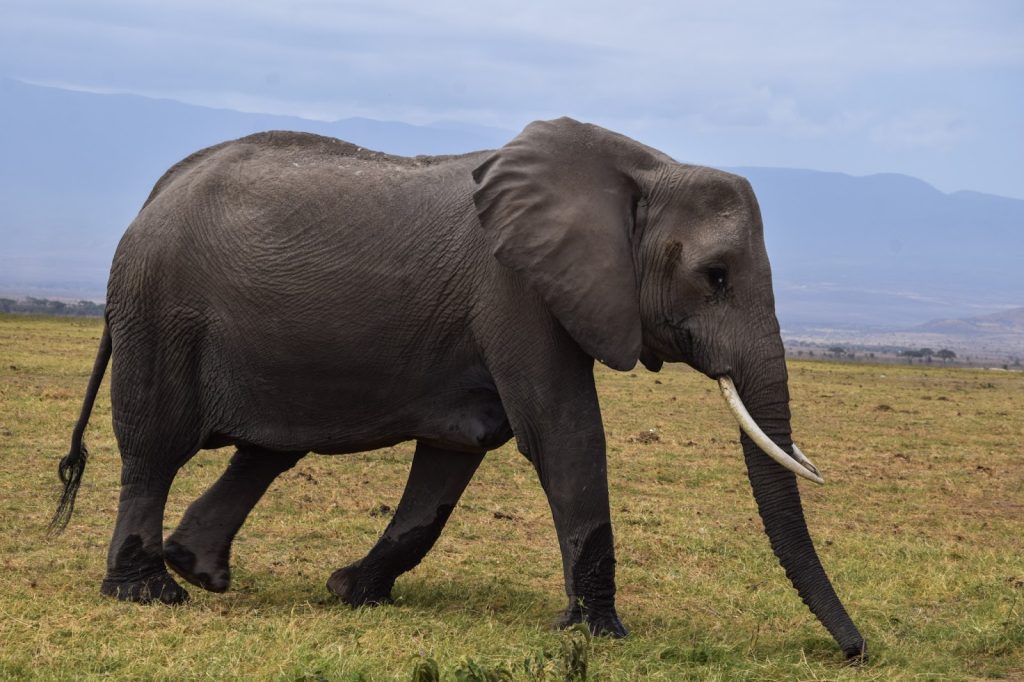
Marsabit National Park rises out of Kenya’s arid north like a green island in a sea of desert — an extinct volcano whose misty montane forest and hidden crater lakes support around 550 elephants in a landscape most visitors assume can only be scrubland. This is the park forever linked to Ahmed, a legendary bull elephant whose tusks were so massive — 200 to 300 kg, long enough to touch the ground — that Kenya’s president placed him under 24-hour presidential guard in the early 1970s. Picture driving up out of shimmering heat and thorn scrub into cool, mist-wrapped forest, then reaching the rim of Gof Bongole, a crater ten kilometres around. Sense of Adventure treats Marsabit as one of northern Kenya’s most surprising detours.
A Green Volcano in the Middle of the Desert
Misty crater forest, legendary elephants — message us to plan a Marsabit stop on your northern Kenya route.
A Forested Volcano Rising Out of the Desert
Established in 1949 and covering 1,554 km², Marsabit National Park sits on an extinct shield volcano roughly 560 km north of Nairobi, its slopes carrying misty montane forest of Juniperus procera and Olea africana below bamboo stands and moorland higher up — a dramatic contrast with the semi-arid bushland surrounding the mountain. Three crater lakes, Lake Paradise, Sokorte Dika and Gof Sokorte Gurda, sit inside old volcanic craters and draw diverse birdlife, while Gof Bongole, the largest crater, has a rim roughly 10 km round. The park’s isolation as a genuine forest ecosystem surrounded by hundreds of kilometres of semi-arid bushland has made it an important refuge for species that would otherwise struggle in the surrounding desert climate, giving it an ecological significance well beyond its modest size on a map of Kenya.
We drove for hours through flat, dry scrubland to reach Marsabit and genuinely did not expect the temperature and landscape to change as dramatically as it did climbing into the crater forest. Our guide told us the story of Ahmed the elephant and his presidential guard, and it made the whole detour feel worthwhile before we’d even seen an animal.
— Sense of Adventure guest, northern Kenya route
The 7 Things That Make Marsabit Worth the Detour
The Legend of Ahmed — an elephant with a presidential decree
Marsabit is forever linked to Ahmed, a legendary bull elephant whose tusks weighed 200-300 kg each and were long enough to touch the ground — so extraordinary that Kenya’s president placed him under round-the-clock protection in the early 1970s.
Roughly 550 Elephants Today — a real, thriving population
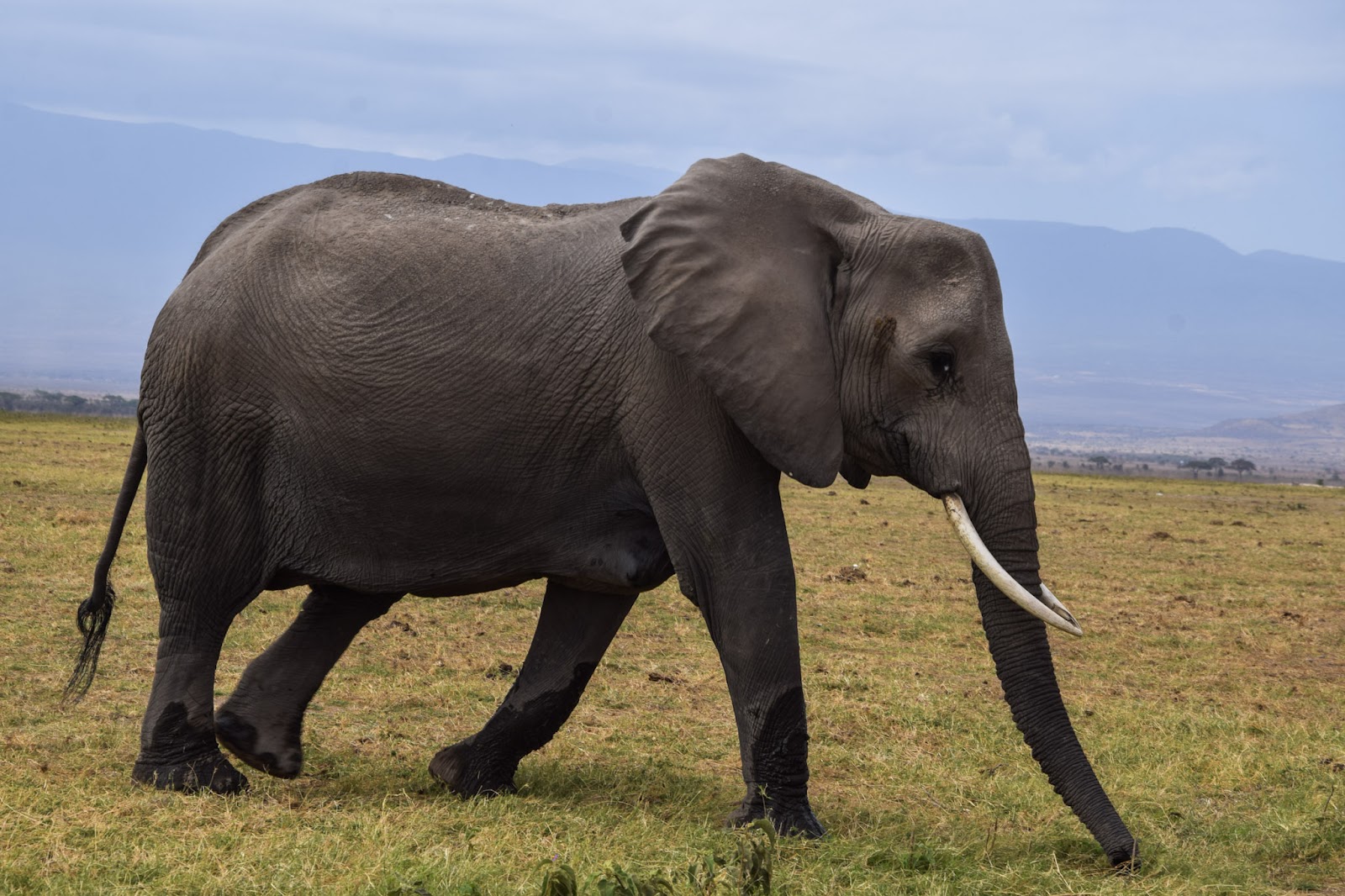
The park today supports around 550 elephants alongside roughly 3,000 buffalo and 800 greater kudu — genuinely substantial numbers for a park most visitors overlook in favour of the southern circuit.
Three Crater Lakes — Paradise, Sokorte Dika, Gof Sokorte Gurda
The mountain’s extinct volcanic craters hold three distinct lakes, each drawing its own birdlife, with Gof Bongole — the largest and mistiest crater — measuring roughly 10 km around its rim.
A Dramatic Ecosystem Shift — from desert scrub to misty rainforest
The contrast between the surrounding arid bushland and the mountain’s misty montane forest is genuinely dramatic — a vertical climate shift that few other Kenyan parks offer within such a short drive.
Strong Predator and Primate Populations — lions, leopards, colobus and blue monkeys
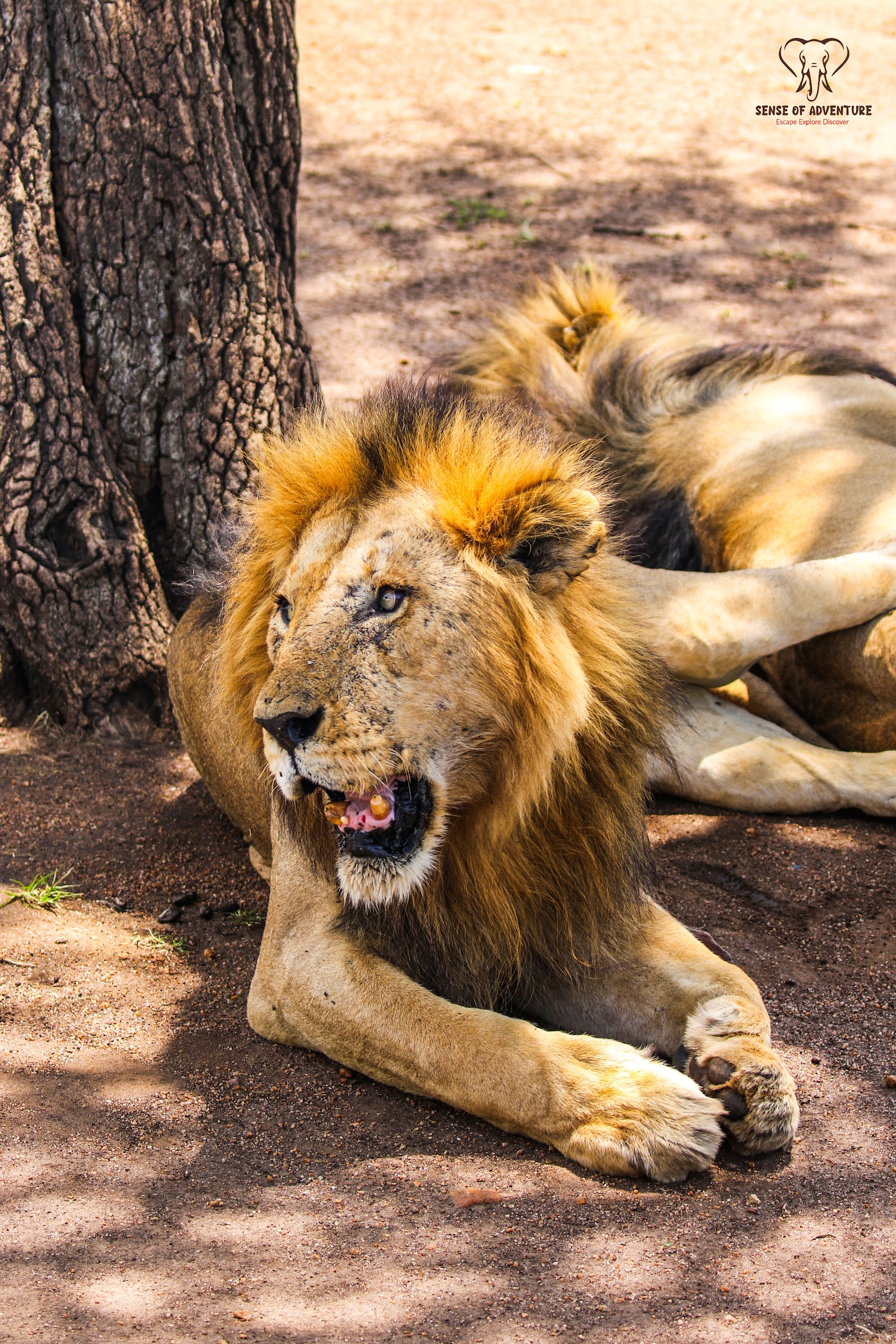
Beyond elephants and buffalo, the forest supports lions, leopards, black and white colobus, blue monkeys, bushbucks and sunis — a genuinely diverse wildlife community for a park this far north.
Roughly 350 Bird Species — including 52 birds of prey
Marsabit’s crater lakes and forest support around 350 recorded bird species, of which 52 are birds of prey — a serious destination for raptor-focused birders specifically.
A Genuine Northern Kenya Circuit Stop — best combined with Kora and Marsabit town
Marsabit sits naturally along a northern Kenya route, pairing well with Kora National Park for travellers building a genuine off-the-beaten-path itinerary beyond the standard southern parks.
A Green Detour Through Kenya’s Desert North
Ask us to build Marsabit into a northern Kenya route — the contrast alone makes it worthwhile.
Marsabit National Park Facts
- Location: Mount Marsabit, northern Kenya, roughly 560 km north of Nairobi.
- Established: 1949; covers 1,554 km².
- Elephants: around 550 today, historically linked to the legendary tusker Ahmed.
- Crater lakes: Lake Paradise, Sokorte Dika and Gof Sokorte Gurda; Gof Bongole is the largest crater at ~10 km round.
- Other wildlife: roughly 3,000 buffalo, 800 greater kudu, lions, leopards, colobus and blue monkeys.
- Birds: around 350 recorded species, including 52 birds of prey.
Building Marsabit Into a Northern Kenya Route
Marsabit pairs naturally with Kora National Park for travellers building a genuine northern Kenya circuit. This is arranged as a custom itinerary — message us on WhatsApp and we’ll plan the routing around your interests and timeframe.
The Elephant With a Presidential Guard
A green volcano rising out of the desert, with a story to match. Message us to plan your northern Kenya route.
Frequently Asked Questions
What is Marsabit National Park known for?
Marsabit National Park is known for its misty crater forest rising out of Kenya’s arid north, its roughly 550 resident elephants, and the legend of Ahmed, a bull elephant with tusks so massive he received presidential protection in the 1970s.
Who was Ahmed the elephant?
Ahmed was a legendary bull elephant at Marsabit National Park whose tusks weighed 200-300 kg each and were long enough to touch the ground — so extraordinary that Kenya’s president placed him under round-the-clock protection in the early 1970s.
What crater lakes are at Marsabit National Park?
Marsabit National Park holds three crater lakes — Lake Paradise, Sokorte Dika and Gof Sokorte Gurda — sitting inside extinct volcanic craters, with Gof Bongole the largest crater at roughly 10 km round its rim.
How many elephants live in Marsabit National Park?
Marsabit National Park is home to approximately 550 elephants today, alongside roughly 3,000 buffalo and 800 greater kudu, in a landscape of misty montane forest surrounded by arid bushland.
Where is Marsabit National Park located?
Marsabit National Park is located on Mount Marsabit in northern Kenya, roughly 560 km north of Nairobi in Marsabit County, an extinct volcano rising dramatically out of surrounding semi-arid desert.