Kora National Park is inseparable from one man: George Adamson, known across Kenya as “Baba ya Simba” — the father of lions — who spent his final two decades at Kampi ya Simba here, returning captive-raised lions to the wild. This rugged 1,788 km² wilderness on the south bank of the Tana River, facing Meru National Park, is where Adamson and two of his staff were killed by armed bandits in 1989, and where he is buried close to the lions he loved. Picture standing above Adamson’s Falls on the Tana, knowing this stretch of bush was the stage for one of conservation history’s most consequential, and most tragic, stories. Sense of Adventure sees Kora as essential for travellers who want their safari to mean something beyond the wildlife itself.
✅ Kora National Park Quick Answer
- Where: eastern Kenya, on the south bank of the Tana River, directly across from Meru National Park.
- Why go: George Adamson’s Kampi ya Simba, his grave, Adamson’s Falls and genuinely wild, empty bush.
- Wildlife: elephant, lesser kudu, hyenas, lion, leopard and rich riverine birdlife, but at low density.
- Getting there: usually combined with Meru; roads are rough and a 4×4 with an experienced driver is essential.
- Best time: the drier months, June to October and January to February.
- Where to stay: most travellers sleep in Meru and visit Kora by day; Kora itself has only very basic facilities.
Want to stand at George Adamson’s grave? Ask how a Kora day fits your Meru stay.
The Park Built Around One Conservationist’s Legacy
Kora National Park lies in eastern Kenya. Its northern boundary is the Tana River, which separates it from neighbouring Meru National Park and carries features including Adamson’s Falls, Grand Falls and the Kora rapids.
Kampi ya Simba, George Adamson’s camp, sits within the park and is synonymous with his decades of work rehabilitating and releasing captive-raised lions. His wife Joy, of Born Free fame, was by then working separately elsewhere in Kenya. Kora was first gazetted as a national reserve in 1973 and became a national park in 1989, the year George and two of his staff were killed here.
Kora remains one of the least developed parks in Kenya for tourism, which is part of its appeal for travellers seeking a rugged, low-traffic wilderness over a polished lodge circuit.
The 7 Things That Make Kora National Park Genuinely Meaningful
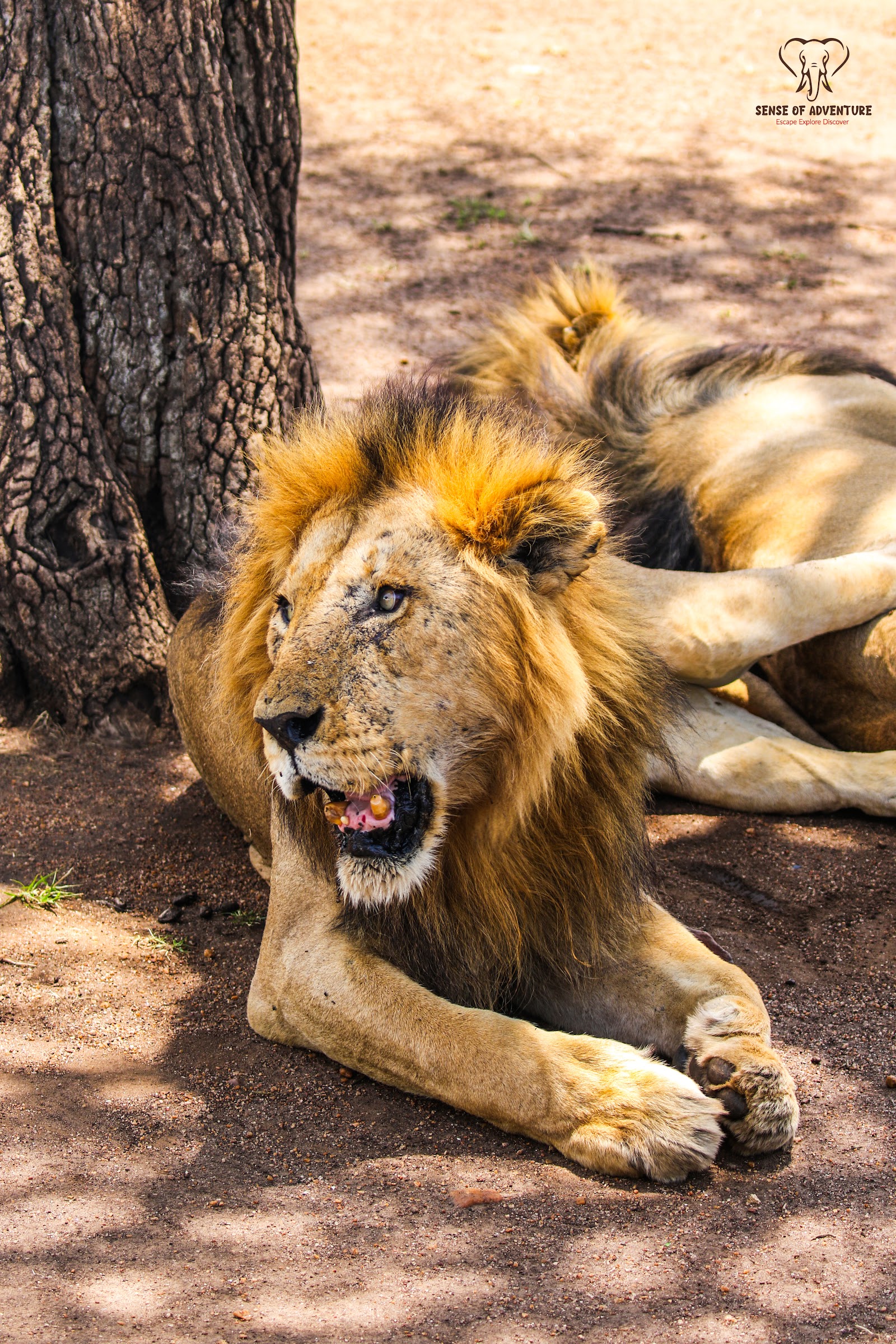
George Adamson, “Father of Lions” — a legacy of releasing captive lions to the wild
George Adamson, known as “Baba ya Simba,” spent his later years at Kora’s Kampi ya Simba rehabilitating and releasing captive-raised lions back into the wild — pioneering work that shaped how the world thinks about big cat rehabilitation.
Kampi ya Simba — George Adamson’s former camp
George’s camp, where he lived with his brother Terence and worked for years with his assistant Tony Fitzjohn, sits within the park and remains a place visitors can see first-hand, connecting directly to his decades of fieldwork.
A Tragic, Consequential History — 1989 changed Kora for ever
George Adamson and two of his staff were killed by armed bandits in August 1989 while going to help a guest under attack. The same year Kora was upgraded from national reserve to national park, and his death drew lasting attention to the area’s protection.
The Tana River and Its Falls — Adamson’s Falls, Grand Falls, Kora rapids
The Tana River forms Kora’s northern boundary, shared with neighbouring Meru National Park, carrying features including Adamson’s Falls (named after George himself), Grand Falls and the Kora rapids.
Genuine Wildlife Beyond the History — lions, wild dogs, cheetahs and more
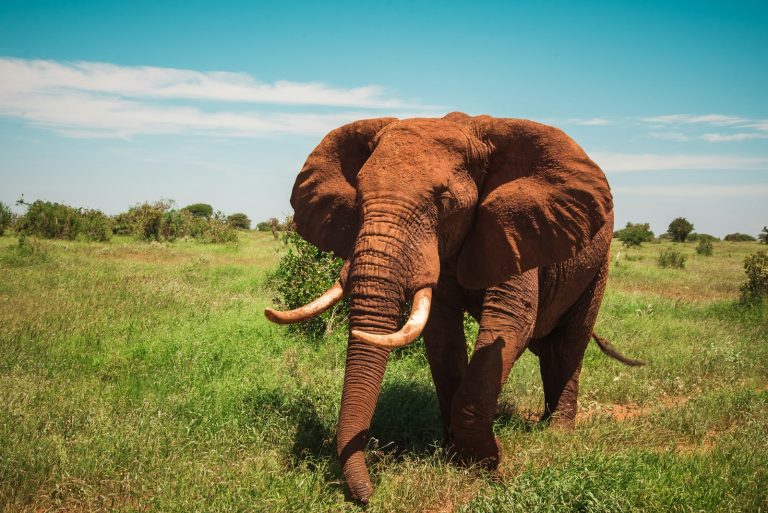
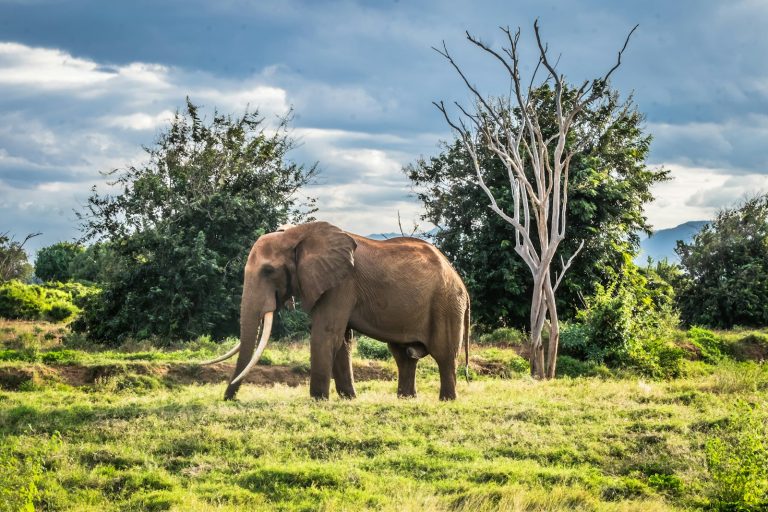
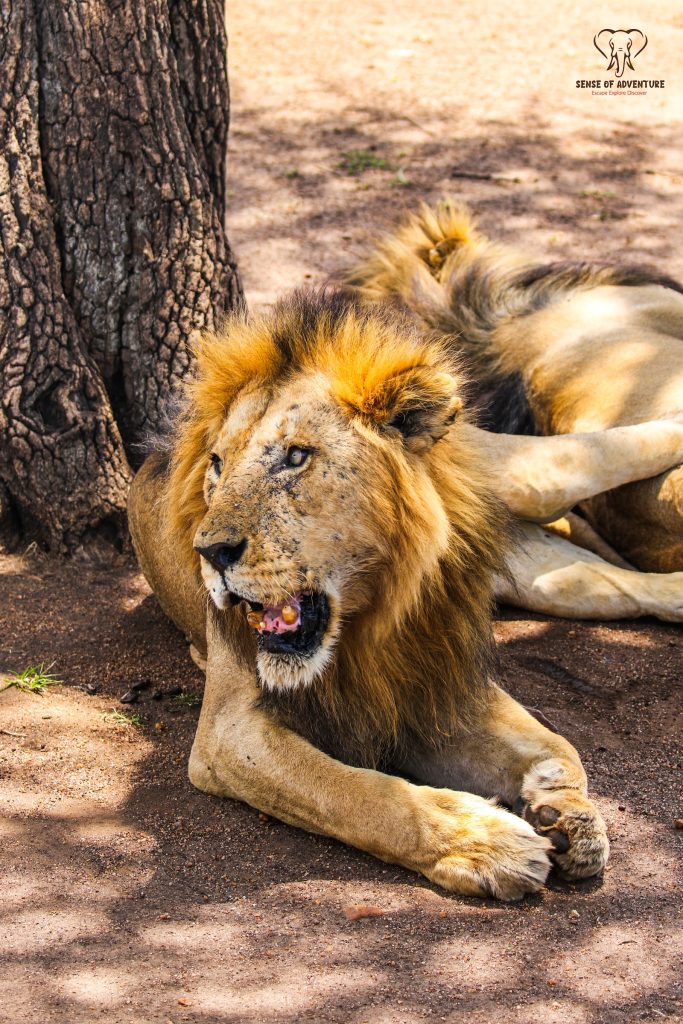
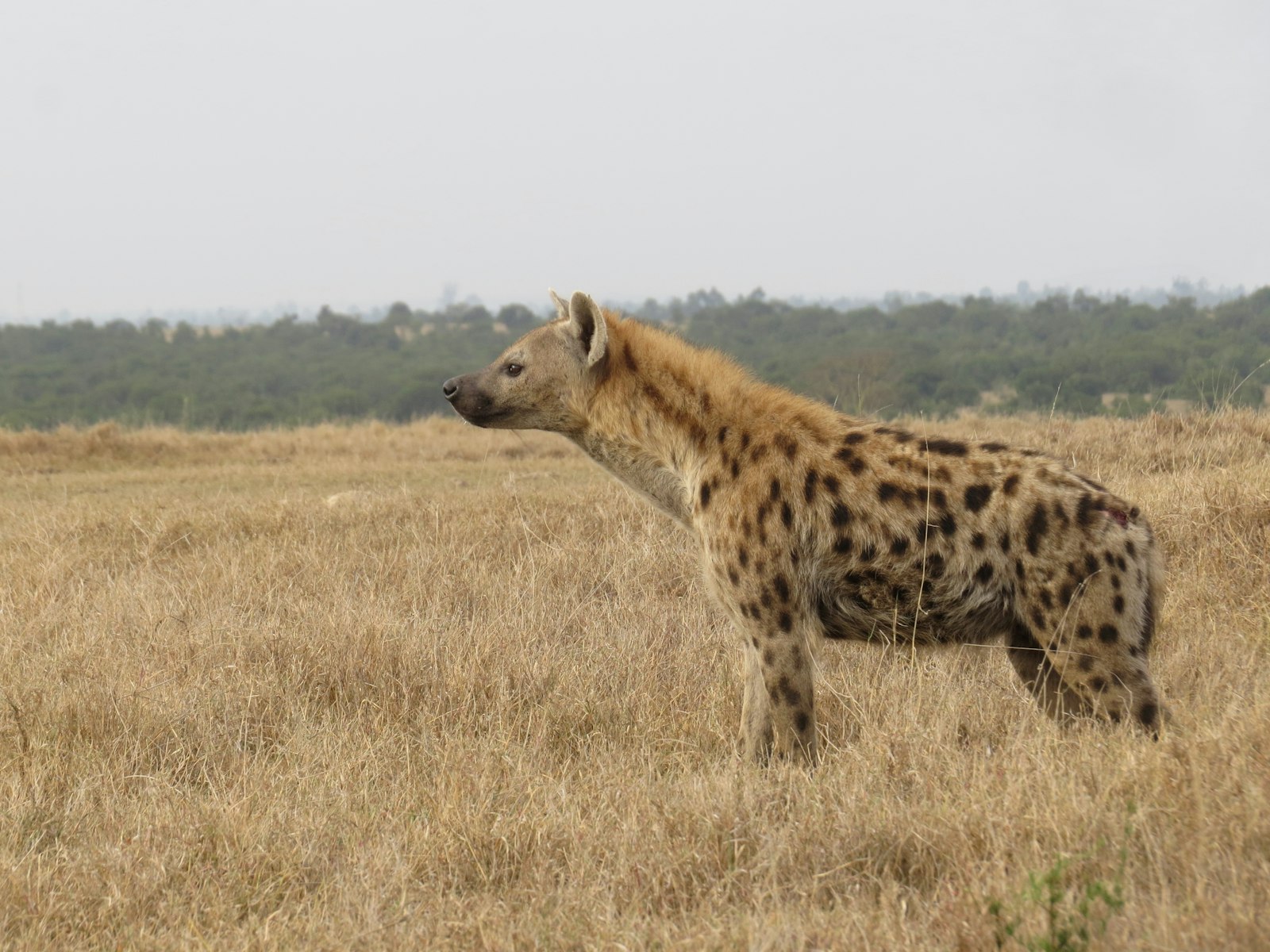
Kora has recorded elephants, lesser kudu, wild dogs, striped and spotted hyenas, leopards, lions and cheetahs, along with rich riverine birdlife including the rare Pel’s fishing owl. Densities are low, so this is wilderness travel rather than easy game viewing.
A Natural Pairing With Meru — sharing the Tana River boundary
Kora sits directly beside Meru National Park, sharing the Tana River boundary — a natural combination for travellers wanting both Kora’s history and Meru’s own Born Free/Elsa the Lioness legacy in one route.
A Rugged, Little-Visited Wilderness — genuinely wild bush, not a polished circuit stop
Kora remains one of Kenya’s least-developed parks in terms of tourist infrastructure, which is exactly the point for travellers seeking rugged, unpolished wilderness over manicured lodges — expect a rawer, more expedition-like feel than the southern safari circuit.
George Adamson’s Story at Kora National Park
George Adamson came to Kora in 1970, after years as a game warden and after the success of Born Free, the story of Elsa the lioness that he and Joy had raised and released in Meru. At Kora he set up Kampi ya Simba and continued returning lions to the wild, often with lions that had lived in captivity or appeared in films.
His brother Terence helped build the camp and the tracks, and the young Tony Fitzjohn worked alongside George for many years, also rehabilitating leopards. Life at the camp was simple and often hard, in a hot, remote corner of the country.
On 20 August 1989, George, then in his eighties, drove out to help a visitor and his staff who were under attack. He and two of his staff were killed. He was buried at Kora, close to his brother Terence and to lions he had raised. Today the camp and graves are the emotional heart of any visit to Kora National Park. Read the earlier chapter of the story in our Elsa the lioness and Meru guide.
How to Get to Kora National Park
Reaching Kora National Park takes planning. There is no tarmac road to the park, tracks are rough and signage is limited, so independent self-drive is not recommended for first-time visitors.
Visiting Kora National Park from Meru
Most travellers reach Kora as part of a trip to Meru National Park, which lies across the Tana River to the north. Meru has lodges, campsites and a good network of tracks, and from there a guided excursion can take you to Kampi ya Simba and the riverside. Routes and river crossings depend on current conditions, so we confirm the plan with Kenya Wildlife Service before each trip.
By road from Nairobi
Meru National Park is a long day’s drive from Nairobi via the Mount Kenya region. Allow at least two nights in Meru if you want a relaxed day in Kora, so you are not driving the remote tracks late in the day.
By air
Light aircraft fly to airstrips in Meru National Park, which cuts the travel time from Nairobi dramatically. From there, a ground excursion continues to Kora.
Day Trip or Overnight in Kora?
Most guests base themselves in Meru, but keen campers can stay closer to the Tana. Tell us your comfort level and we will suggest the right base.
Best Time to Visit Kora National Park
Kora National Park is low, hot and dry for much of the year. The best months are the drier periods from June to October and from January to February, when the tracks are passable and animals stay closer to the Tana River.
The long rains from March to May and the short rains around November can make the black-cotton soil tracks impassable. Even in the dry season, temperatures are high, so plan walks and visits to the falls for the early morning.
| Months | Conditions in Kora |
|---|---|
| January to February | Hot and dry; good access. |
| March to May | Long rains; tracks often impassable. |
| June to October | The best window; dry with wildlife near the river. |
| November to December | Short rains; check conditions before travelling. |
What a Kora Visit Costs
There is no fixed package for Kora National Park, because every trip is built around Meru. The main costs are your vehicle and guide, nights in Meru, Kenya Wildlife Service park fees for each park you enter, and any camping fees. Park fees are paid online in advance through eCitizen.
Our Kenya national parks entrance fees guide explains how KWS fees work. If you are weighing up Meru against another wilderness, our Tsavo vs Meru comparison may help.
Request a Meru and Kora Quote in Writing
Send us your dates and group size, and we will price the vehicle, guide, park fees and Meru stays clearly, with the Kora excursion included.
Safety and Respect in Kora
- Travel with an experienced guide and a well-equipped 4×4; mobile signal is patchy.
- Carry plenty of water, as the heat along the Tana is intense.
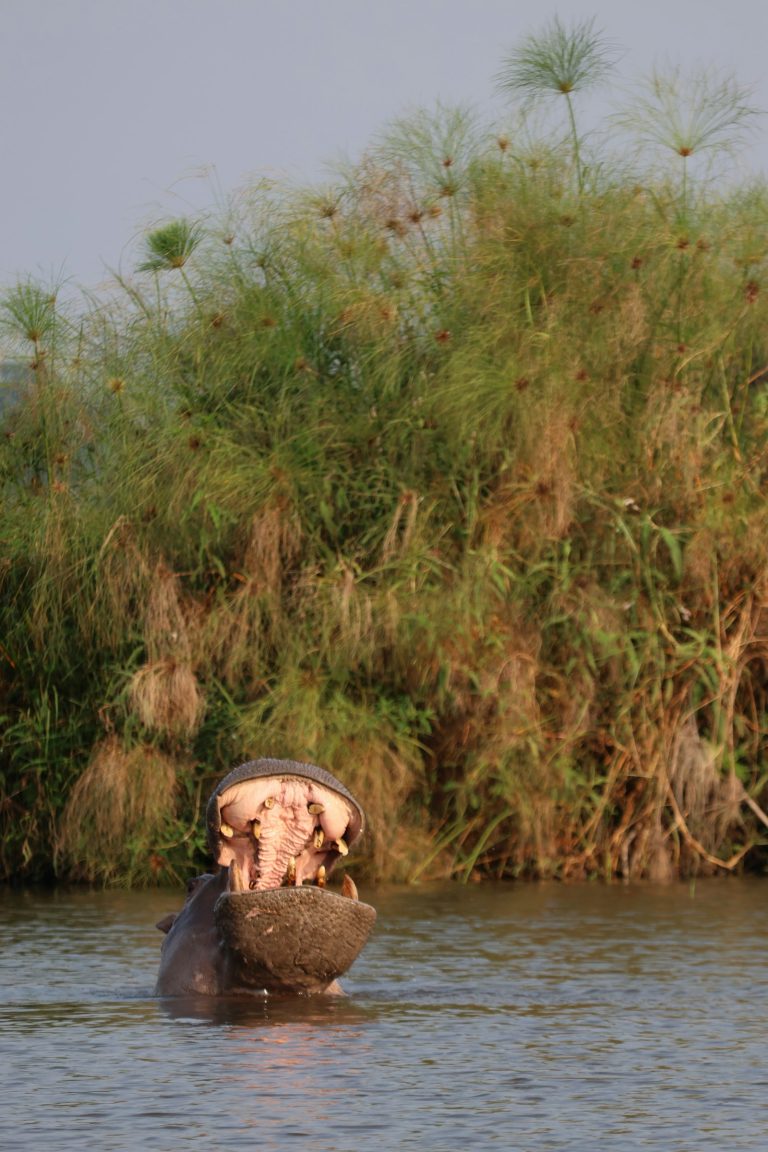
- Never swim in the Tana River, which has crocodiles and hippos.
- Treat Kampi ya Simba and the graves with respect; this is a memorial as much as a sight.
- Check the latest GOV.UK travel advice for Kenya, as some eastern counties carry travel warnings.
Kora National Park Facts
- Location: eastern Kenya, south of the Tana River, bordering Meru National Park.
- Size: 1,788 km², a national reserve from 1973 and a national park from 1989.
- George Adamson: lived and worked at Kampi ya Simba from 1970, returning lions to the wild.
- 1989: the year Adamson and two staff were killed by bandits; he is buried at Kora near his brother Terence and his lions.
- River features: Adamson’s Falls, Grand Falls and the Kora rapids along the Tana River.
- Wildlife: elephants, lesser kudu, lions, cheetahs, wild dogs, leopards, hyenas and rich riverine birdlife.
Pairing Kora With Meru for a Full Northern Circuit
Kora shares its Tana River boundary with Meru National Park, home to its own Born Free/Elsa the Lioness history — the two combine naturally into one meaningful route. Message us on WhatsApp and we’ll plan the routing and timing around your trip.
Joy Adamson’s later years are linked to Shaba National Reserve in the Samburu ecosystem, so Adamson enthusiasts sometimes add Samburu and Shaba to the same private Kenya safari. For other remote parks, see our best hidden national parks in Kenya. The Born Free Foundation also shares background on the Adamson legacy.
Follow the Father of Lions to the Tana
Kampi ya Simba, Adamson’s Falls and Meru’s rivers in one thoughtful route. Tell us your dates and we will plan a safe, well-guided visit to Kora National Park.
Frequently Asked Questions
What is Kora National Park known for?
Kora National Park is known as the home of George Adamson, “Baba ya Simba” (father of lions), who lived at Kampi ya Simba from 1970 and returned captive-raised lions to the wild before he was killed there in 1989. It is also known for Adamson’s Falls on the Tana River.
Where is George Adamson buried?
George Adamson is buried in Kora National Park near Kampi ya Simba, his former camp, close to his brother Terence and to lions he raised. Visitors can see the graves on a guided excursion, usually as a day trip from Meru National Park across the Tana River.
What happened to George Adamson at Kora?
On 20 August 1989, George Adamson and two of his staff were killed by armed bandits at Kora while going to help a visitor under attack. The same year, Kora was upgraded from a national reserve to full national park status, and his legacy is still honoured at the camp.
What wildlife can you see at Kora National Park?
Kora National Park has recorded elephants, lions, cheetahs, wild dogs, leopards, lesser kudu and striped and spotted hyenas, plus rich riverine birdlife, including the rare Pel’s fishing owl. Animals are spread thinly in thick bush, so expect a wilderness experience rather than easy, close game viewing.
Is Kora National Park near Meru National Park?
Yes — Kora National Park directly borders Meru National Park along the Tana River, making the two a natural combination. Most visitors stay in Meru, which has lodges and better tracks, and visit Kora on a guided excursion to Kampi ya Simba and the river.
How do you get to Kora National Park?
Most travellers reach Kora National Park from Meru National Park, either after a long drive from Nairobi via the Mount Kenya region or a light-aircraft flight to a Meru airstrip. Tracks into Kora are rough and remote, so travel with an experienced guide in a 4×4.
Can you stay overnight in Kora National Park?
Kora National Park has only very basic facilities, so most visitors sleep in Meru National Park and visit Kora by day. Experienced campers can sometimes camp with Kenya Wildlife Service permission, but this needs a self-sufficient setup and careful planning with an operator who knows the area.