
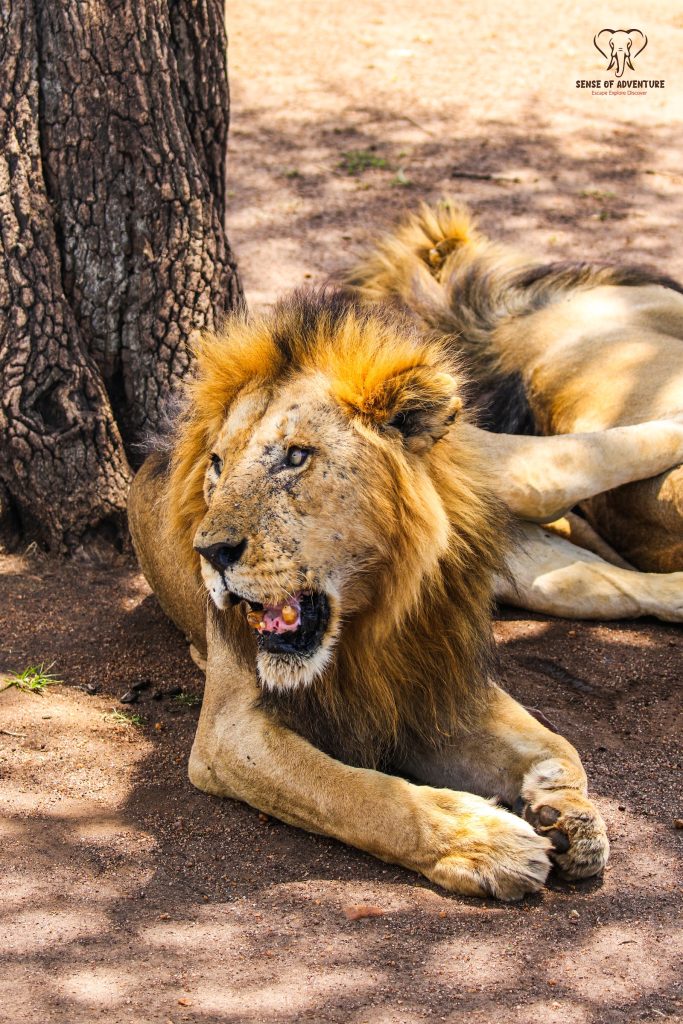
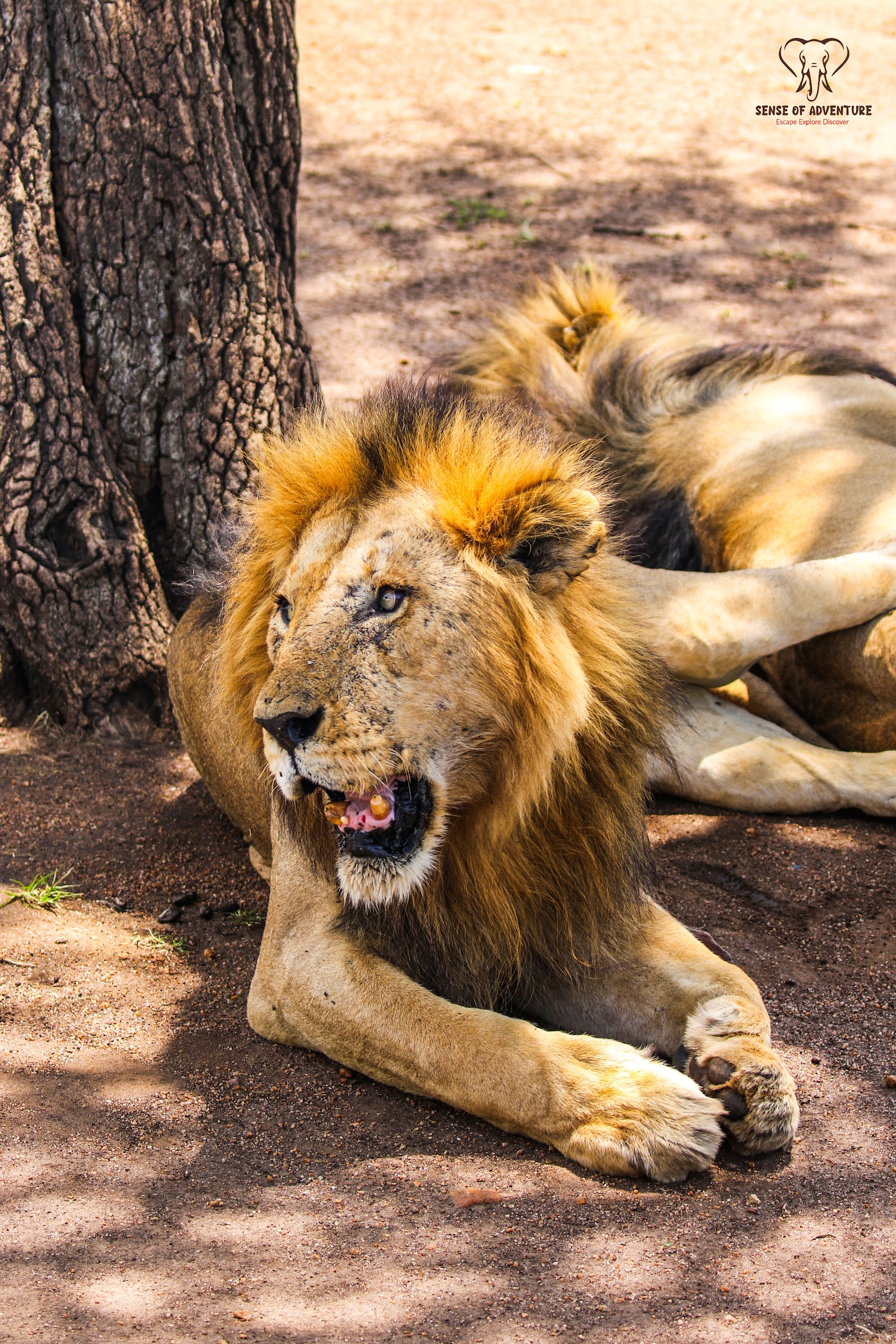
Kora National Park is inseparable from one man: George Adamson, known across Kenya as “Baba ya Simba” — the father of lions — who spent his final years at Kampi ya Simba here releasing captive-raised lions back into the wild. This rugged 1,788 km² wilderness along the Tana River, bordering Meru National Park, is where Adamson and two assistants were murdered by poachers in 1989, and where he is buried alongside three of the lions he freed. Picture standing at Adamson’s Falls on the Tana River, knowing this exact stretch of bush was the stage for one of conservation history’s most consequential, and most tragic, stories. Sense of Adventure sees Kora as essential for travellers who want their safari to mean something beyond the wildlife itself.
Visit the Home of “Baba ya Simba”
George Adamson’s lion-release camp and grave sit inside Kora — message us to plan a visit.
The Park Built Around One Conservationist’s Legacy
Kora sits in Tana River County, its northern boundary formed by the Tana River, which it shares with neighbouring Meru National Park and which carries features including Adamson’s Falls, Grand Falls and the Kora rapids. George and Joy Adamson’s former home, Kampi ya Simba, sits within the park and is synonymous with George’s decades of work rehabilitating and releasing captive-raised lions into the wild. The park was initially gazetted as a nature reserve in 1973, then upgraded to full national park status in 1989 — the same year George Adamson and two assistants were murdered by poachers here. Kora remains one of the least developed parks in Kenya in terms of tourism infrastructure, which is part of its appeal for travellers seeking a genuinely rugged, low-traffic wilderness experience over a polished lodge circuit.
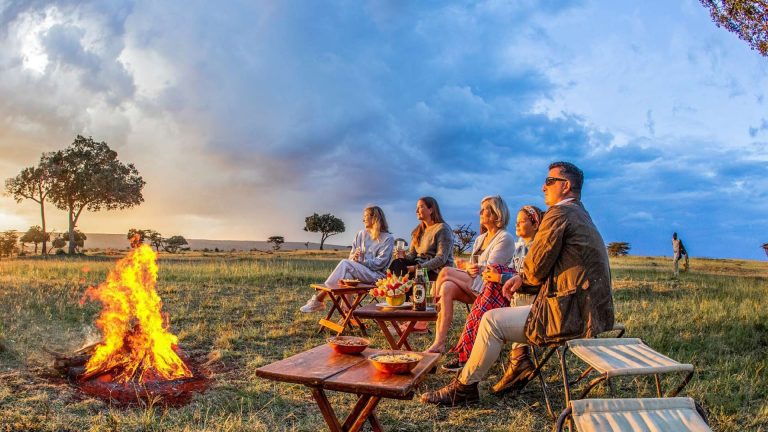
Standing at Kampi ya Simba, where George Adamson actually lived and worked for years, hit differently than any other stop on our trip. Our guide told the story of his murder here in 1989 with real respect, and knowing he’s buried in the park alongside lions he released made it feel less like a wildlife stop and more like a pilgrimage.
— Sense of Adventure guest, northern Kenya safari
The 6 Things That Make Kora Genuinely Meaningful
George Adamson, “Father of Lions” — a legacy of releasing captive lions to the wild
George Adamson, known as “Baba ya Simba,” spent his later years at Kora’s Kampi ya Simba rehabilitating and releasing captive-raised lions back into the wild — pioneering conservation work that shaped how the world thinks about big cat rehabilitation.
Kampi ya Simba — George and Joy Adamson’s former home
The Adamsons’ former camp sits within the park and remains a place visitors can see firsthand, connecting directly to the couple’s decades of wildlife conservation writing and fieldwork.
A Tragic, Consequential History — Adamson’s murder led to the park’s creation
George Adamson and two assistants were murdered by poachers in the park in 1989 — the same year Kora was upgraded from nature reserve to full national park status, a direct consequence of his death drawing attention to the area’s protection.
The Tana River and Its Falls — Adamson’s Falls, Grand Falls, Kora rapids
The Tana River forms Kora’s northern boundary, shared with neighbouring Meru National Park, carrying features including Adamson’s Falls (named for George himself), Grand Falls and the Kora rapids.
Genuine Wildlife Beyond the History — lions, wild dogs, cheetahs and more
Kora supports elephants, lesser kudus, wild dogs, striped and spotted hyenas, leopards, lions and cheetahs, alongside over 400 recorded bird species including the rare Pel’s fishing owl.
A Natural Pairing With Meru — sharing the Tana River boundary
Kora sits directly beside Meru National Park, sharing the Tana River boundary — a natural combination for travellers wanting both Kora’s history and Meru’s own Born Free/Elsa the Lioness legacy in one route.
A Rugged, Little-Visited Wilderness — genuinely wild bush, not a polished circuit stop
Kora remains one of Kenya’s least-developed parks in terms of tourist infrastructure, which is exactly the point for travellers seeking rugged, unpolished wilderness over manicured lodges — expect a rawer, more expedition-like feel than the southern safari circuit.
A Safari With Real Conservation Weight
Message us to combine Kora with Meru for a northern Kenya route built around real history.
Kora National Park Facts
- Location: Tana River County, Kenya, bordering Meru National Park along the Tana River.
- Size: 1,788 km², initially a nature reserve from 1973, gazetted as a national park in 1989.
- George Adamson: lived and worked at Kampi ya Simba within the park, released lions to the wild for decades.
- 1989: the year Adamson and two assistants were murdered by poachers in the park; he is buried there with three lions.
- River features: Adamson’s Falls, Grand Falls and the Kora rapids along the Tana River.
- Wildlife: elephants, lions, cheetahs, wild dogs, leopards and over 400 bird species.
Pairing Kora With Meru for a Full Northern Circuit
Kora shares its Tana River boundary with Meru National Park, home to its own Born Free/Elsa the Lioness history — the two combine naturally into one meaningful northern Kenya route. Message us on WhatsApp and we’ll plan the routing and timing around your trip.
The Home of “Baba ya Simba”
A safari stop with real conservation history behind it. Message us to plan your Kora/Meru route.
Frequently Asked Questions
What is Kora National Park known for?
Kora National Park is known as the home of George Adamson, “Baba ya Simba” (father of lions), who spent his final years at Kampi ya Simba within the park releasing captive-raised lions back into the wild before being murdered by poachers there in 1989.
Where is George Adamson buried?
George Adamson is buried within Kora National Park alongside three of the lions he released back into the wild, near Kampi ya Simba, his former home and conservation camp.
What happened to George Adamson at Kora?
George Adamson and two assistants were murdered by poachers at Kora National Park in 1989 — the same year the area was upgraded from a nature reserve to full national park status.
What wildlife can you see at Kora National Park?
Kora National Park is home to elephants, lions, cheetahs, wild dogs, leopards, lesser kudus and striped and spotted hyenas, alongside over 400 recorded bird species including the rare Pel’s fishing owl.
Is Kora National Park near Meru National Park?
Yes — Kora National Park directly borders Meru National Park along the Tana River, making the two a natural combination for a single northern Kenya safari route.